
Stella Matutina — History & Facts
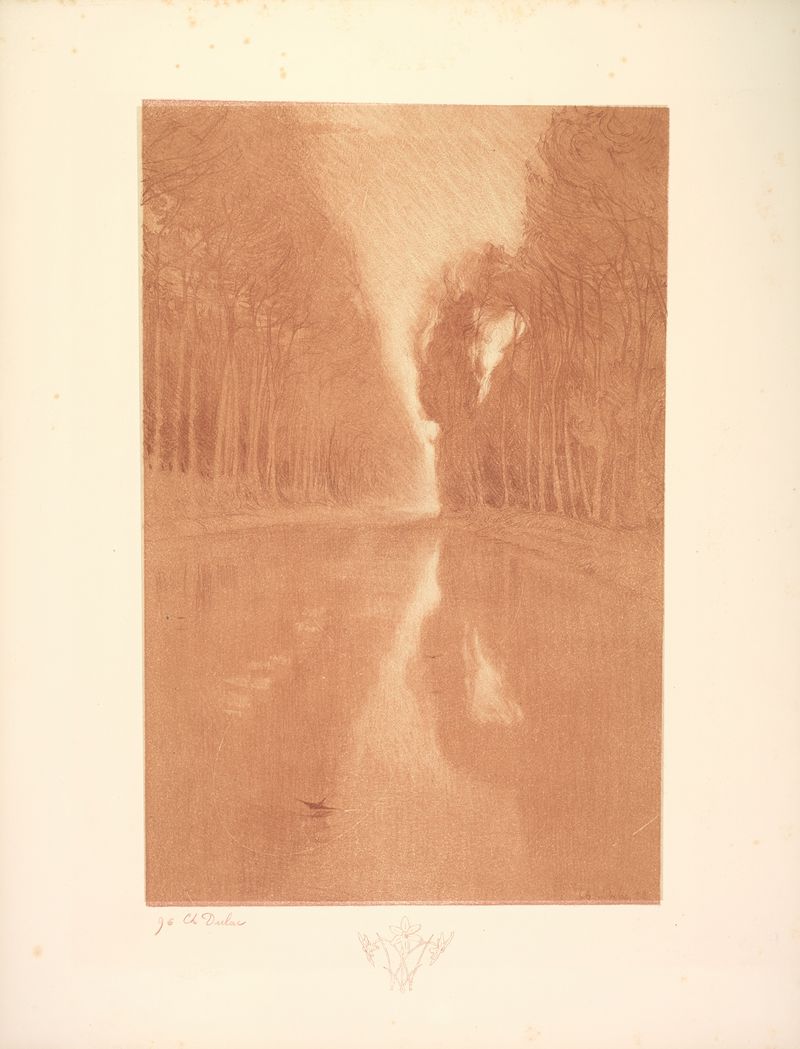
What if silence could speak through light? In Stella Matutina, a delicate interplay of reflection and shadow invites viewers to contemplate the profound depths of tranquility and introspection. Look to the center of the canvas, where the luminous figure of a woman stands gracefully enveloped in soft, shimmering light. Her ethereal presence, portrayed in gentle pastels, seems to pulsate with a serene energy that captivates the senses. Notice how the surrounding landscape fades into a gentle blur, as if the world beyond her is but a whisper, emphasizing her solitary beauty.
The artist employs a delicate technique, layering colors to create a sense of shimmering radiance that dances across the surface, breathing life into the stillness. Beneath the surface, the contrast between light and shadow unfolds deeper meanings. The woman's reflective pose suggests introspection, while the soft sunlight breaking through the foliage above hints at hope and new beginnings. The varying tones of green and gold reveal a harmony between nature and the human spirit, while evoking a sense of peaceful quietude.
This balance encapsulates a moment that feels both fleeting and eternal, inviting contemplation of both the external world and inner thoughts. In 1894, Dulac painted Stella Matutina during a time when he was deeply influenced by the Symbolist movement, which sought to express emotions and ideas through evocative imagery. Living in France, he was surrounded by a rich tapestry of artistic experimentation, striving to capture the essence of beauty and emotion in his works. This painting stands as a testament to his exploration of light and reflection, offering a serene glimpse into a world where silence speaks volumes.
More Artworks by Charles Marie Dulac
Browse all →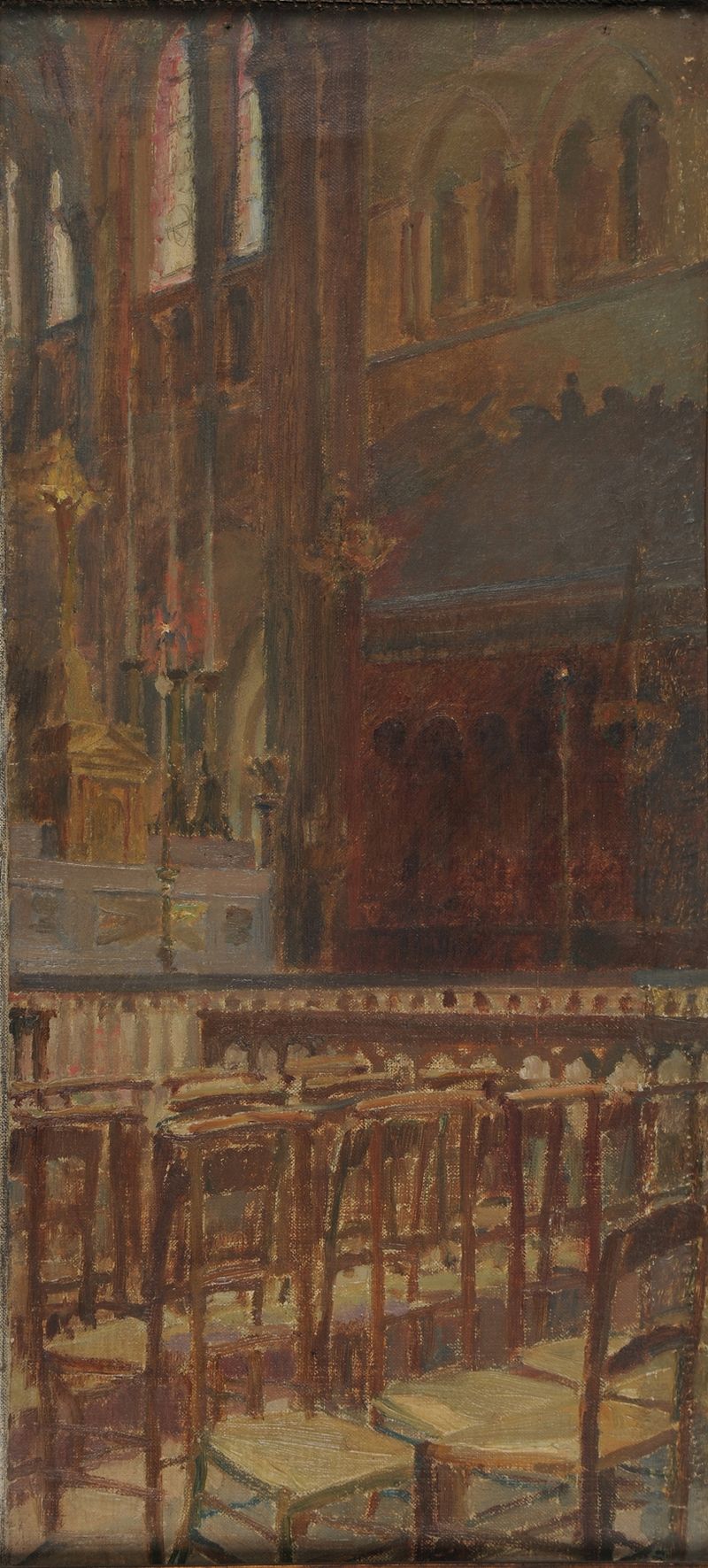
Chapelle à Saint-Germain-des-Prés
Charles Marie Dulac
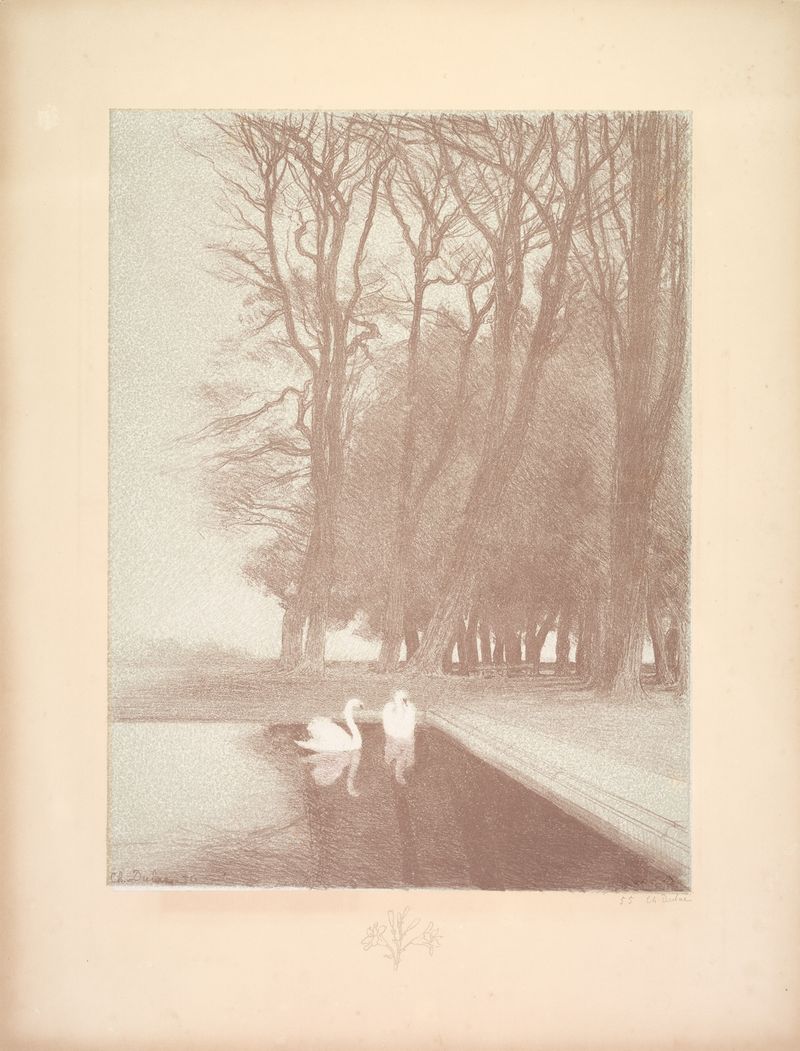
Landscape, Plate 6, Remarque, Lilies
Charles Marie Dulac
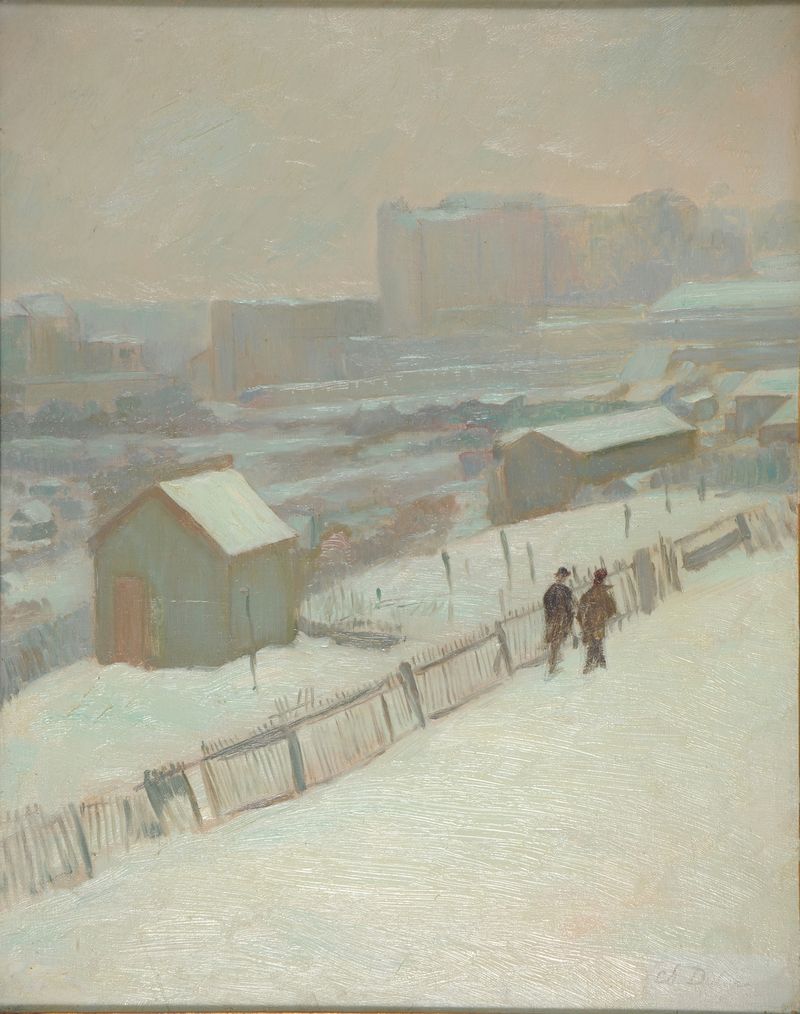
La neige à Montmartre
Charles Marie Dulac
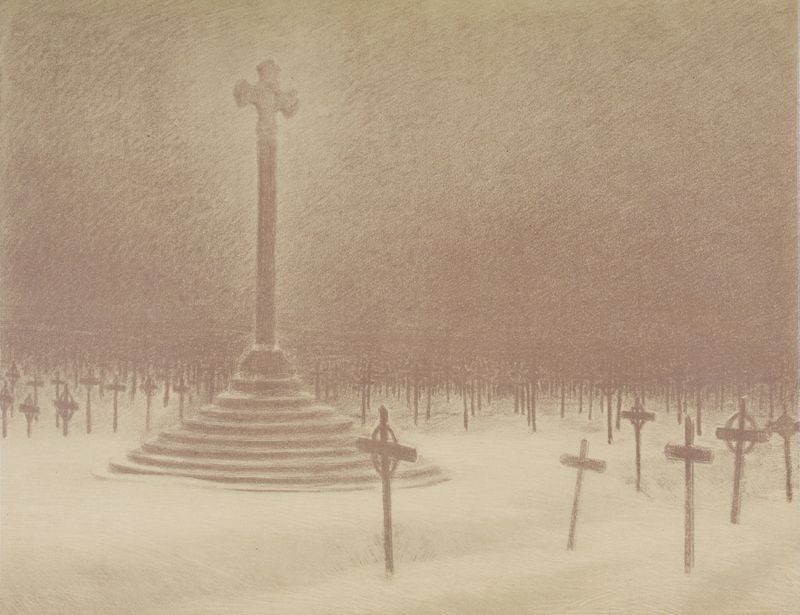
Auxilium Christianorum. Jesu Refugium Nostrum
Charles Marie Dulac
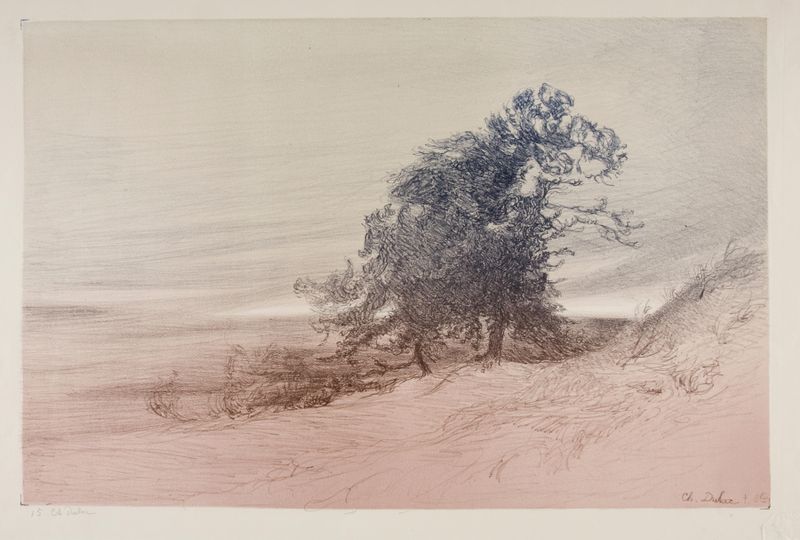
Groupe d’arbres
Charles Marie Dulac
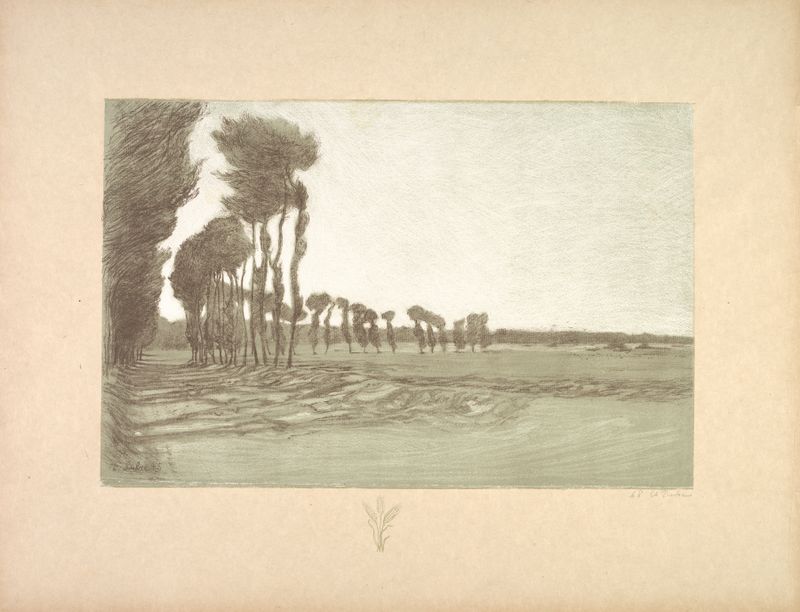
Landscape, Plate 5, Remarque, Three Stalks of Wheat
Charles Marie Dulac
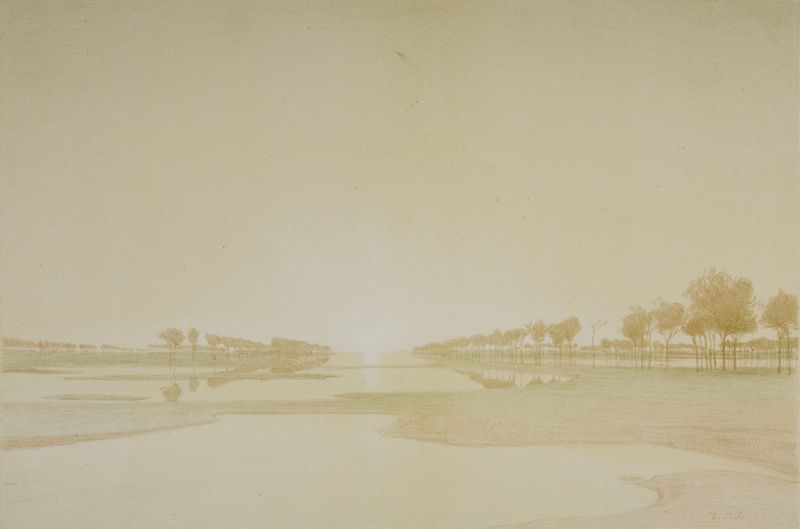
Jesu Sol Justitiae
Charles Marie Dulac
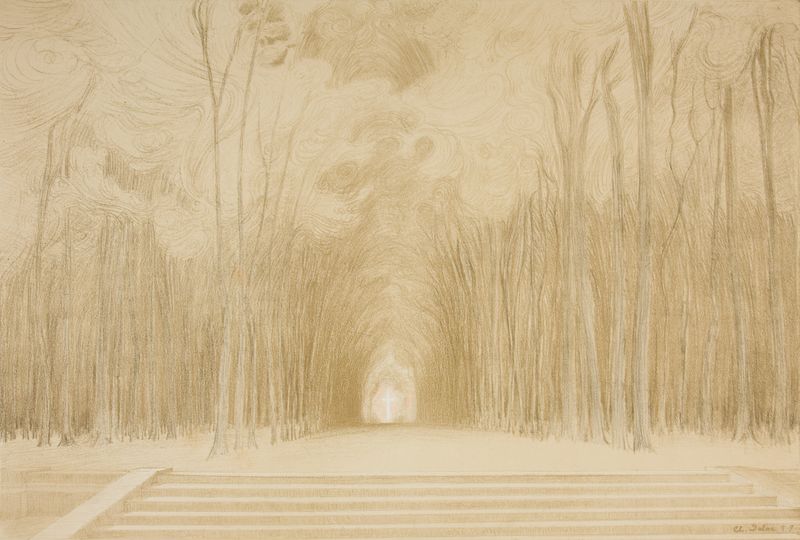
Jesu Corona Sanctorum Omnium. Jesu Sapientia Aeterna
Charles Marie Dulac
Chapelle à Saint-Germain-des-Prés
Charles Marie Dulac
Landscape, Plate 2, Remarque, Starflowers
Charles Marie Dulac





