
Sterfbed van Maria — History & Facts
In the stillness of Sterfbed van Maria, an awakening reverberates through the figures gathered at the foot of a serene yet somber scene. The air hangs heavy with the weight of impending loss, where the sacred and the human intertwine, revealing a profound intimacy in the act of mourning. Look to the center, where the Virgin Mary lies in a gentle repose, her pallid form entwined with a rich tapestry of color and texture. Notice how light falls softly upon her serene face, illuminating the contrast between her ethereal presence and the stark reality of death.
The figures surrounding her are draped in varying shades of muted blues and earthy tones, each element meticulously rendered with Dürer’s characteristic detail, guiding your eye to the tenderness of their gestures and expressions. Beyond the surface, there lies a deep exploration of love and loss. The mourners, caught in their grief, present a poignant juxtaposition of hope and despair. Mary's serene acceptance of her fate reflects a profound spiritual awakening, while the sorrow of those left behind speaks volumes about the human condition.
The intricate patterns of the surrounding garments also symbolize the interweaving of life’s complexities and the fragility of existence itself. Created in 1510, this work emerged from Dürer’s time in Nuremberg, a period of intense artistic growth and personal reflection. At this juncture, he grappled with the changing tides of Renaissance thought and the evolving role of spirituality in art. This piece, bridging the sacred and the human experience, encapsulates both his artistic mastery and a deep contemplation of mortality that resonates through the ages.
More Artworks by Albrecht Dürer
Browse all →
Melancholia
Albrecht Dürer
Melancholie
Albrecht Dürer
Neushoorn
Albrecht Dürer
Knight, Death, and the Devil
Albrecht Dürer

De vier ruiters van de apocalyps
Albrecht Dürer

De vier ruiters van de apocalyps
Albrecht Dürer
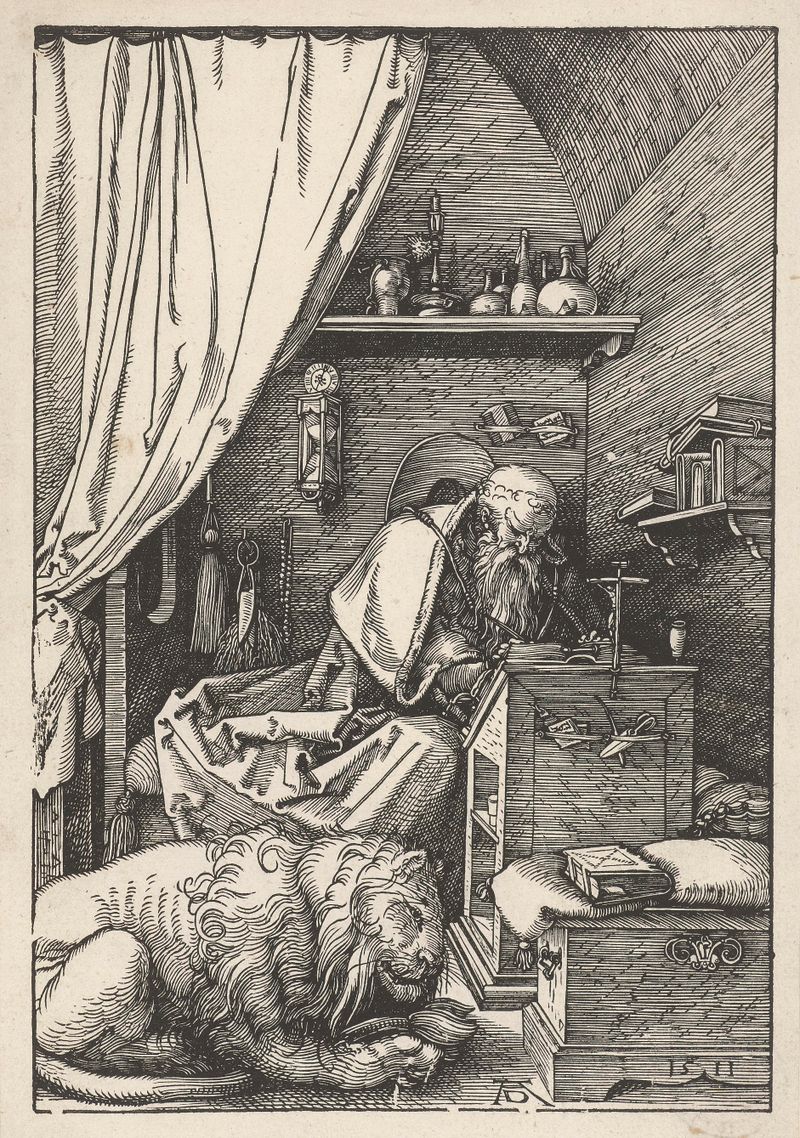
De Heilige Hiëronymus in zijn studeervertrek
Albrecht Dürer
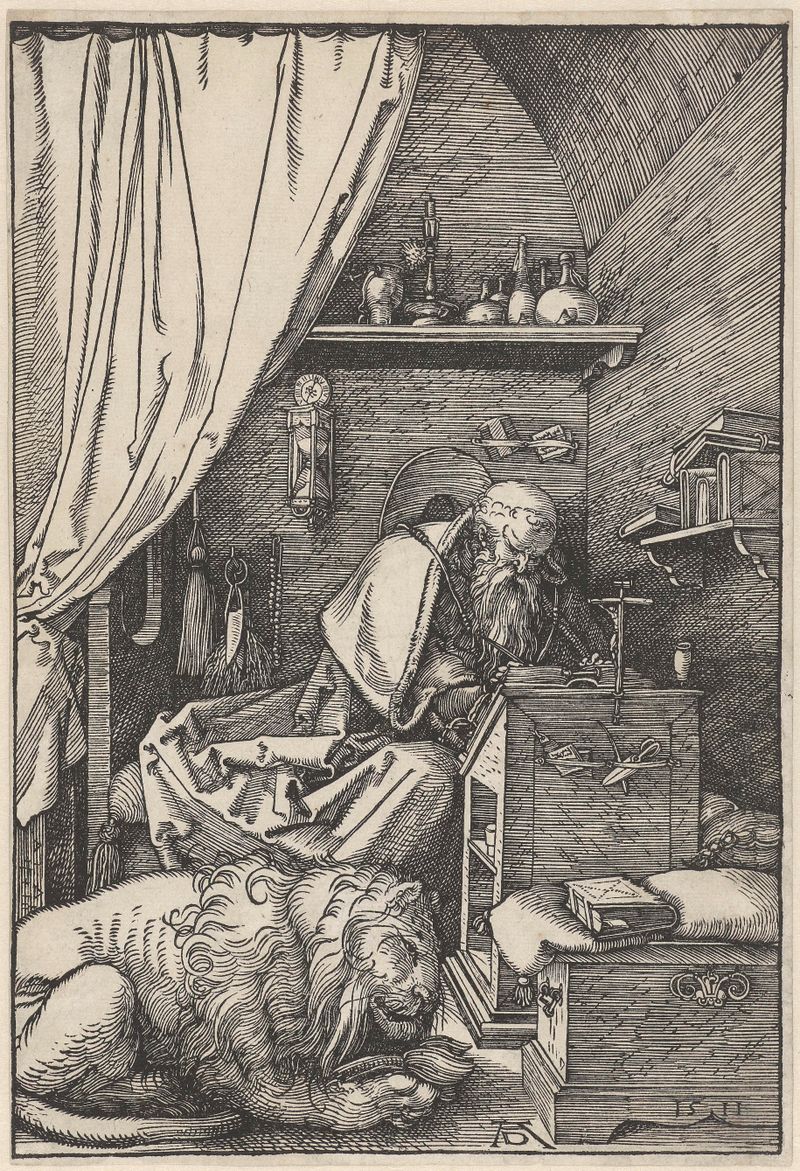
De Heilige Hiëronymus in zijn studeervertrek
Albrecht Dürer
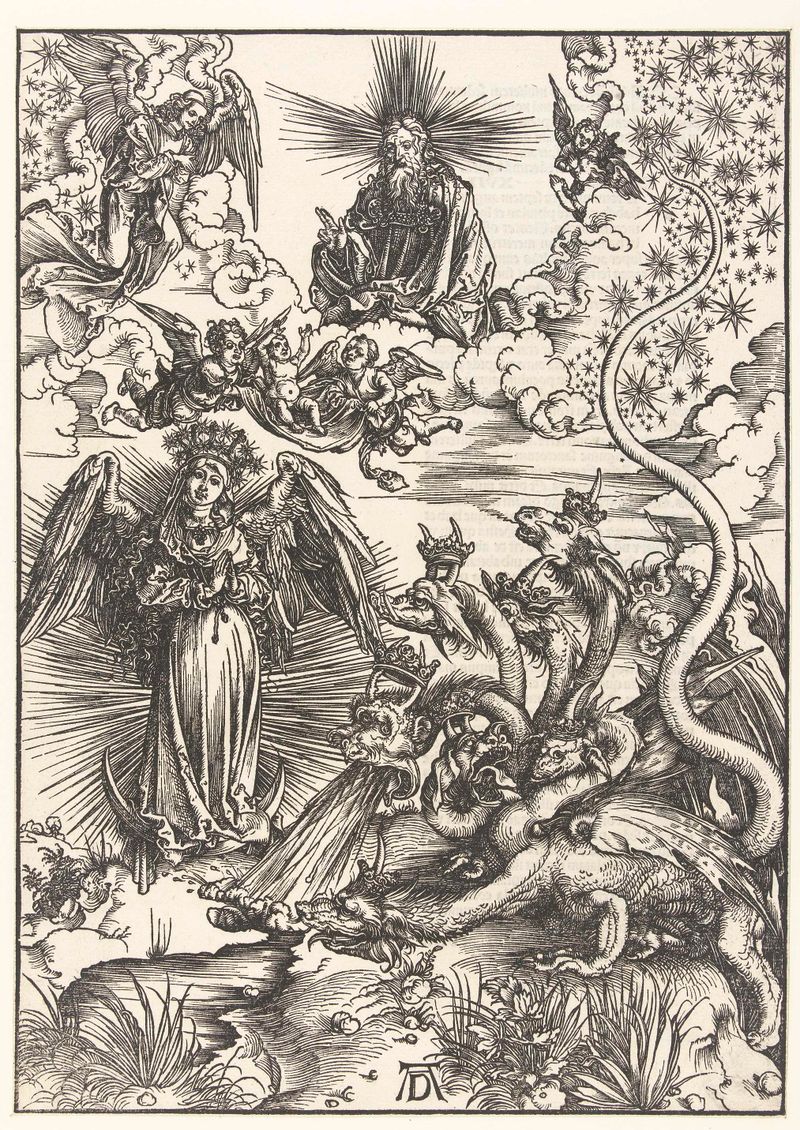
De apocalyptische vrouw en de zevenkoppige draak
Albrecht Dürer
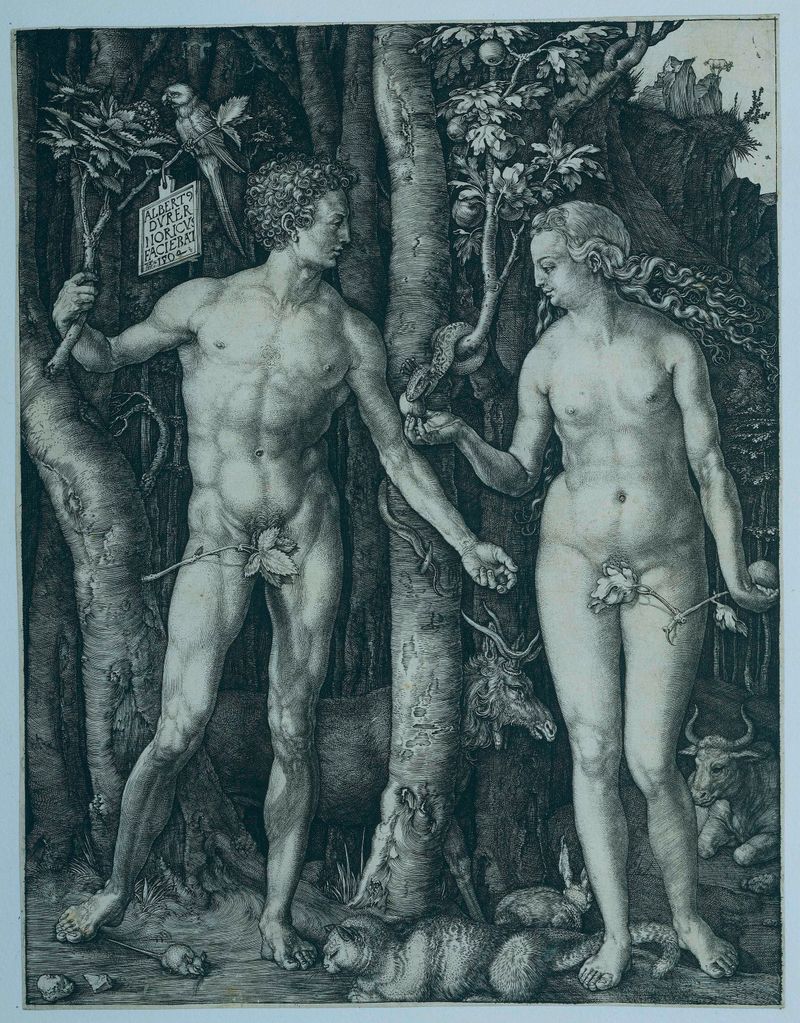
Adam en Eva
Albrecht Dürer
More Religious Art
Browse all →
The Return of the Prodigal Son
Rembrandt van Rijn

The Garden of Earthly Delights
El Bosco

Count Orgaz’ funeral
El Greco

The Hundred Guilder Print: the central piece with Christ preaching, the plate arched
Rembrandt van Rijn

The Descent from the Cross
Rogier van der Weyden

The return of the prodigal son
Rembrandt van Rijn