
Sterfbed van Maria — History & Facts
What if silence could speak through light? In Sterfbed van Maria, the interplay of illumination and shadow evokes a profound sense of rebirth amidst stillness. Look to the center where the somber figure of Mary lies, her serene expression a stark contrast to the despair surrounding her. Notice how the gentle light cascades over her figure, illuminating her face while enveloping the room in a muted gloom. The precise lines and delicate details in the fabric of her garments suggest both the weight of mortality and the grace of divine presence, leading the eye to linger on the subtle textures that define her sanctity. Amidst the mourners gathered around, each figure portrays a unique emotional response, contrasting grief with the peace that Mary embodies.
The faint haze in the background adds depth, suggesting that life continues beyond this moment of death. The vibrant yet muted colors create a tension between the temporal and the eternal, hinting at a transformative journey that transcends the physical realm. Albrecht Dürer painted Sterfbed van Maria in 1510, during a period of intense exploration and innovation in the Northern Renaissance. At this time, he was immersed in the study of human anatomy and natural forms, striving to infuse his works with both precision and emotion.
The world was shifting, as art began to reflect the deeper spiritual and philosophical inquiries that characterized the era, making this piece a poignant testament to those evolving ideals.
More Artworks by Albrecht Dürer
Browse all →
Melancholia
Albrecht Dürer
Melancholie
Albrecht Dürer

Neushoorn
Albrecht Dürer
Knight, Death, and the Devil
Albrecht Dürer

De vier ruiters van de apocalyps
Albrecht Dürer

De vier ruiters van de apocalyps
Albrecht Dürer
De Heilige Hiëronymus in zijn studeervertrek
Albrecht Dürer
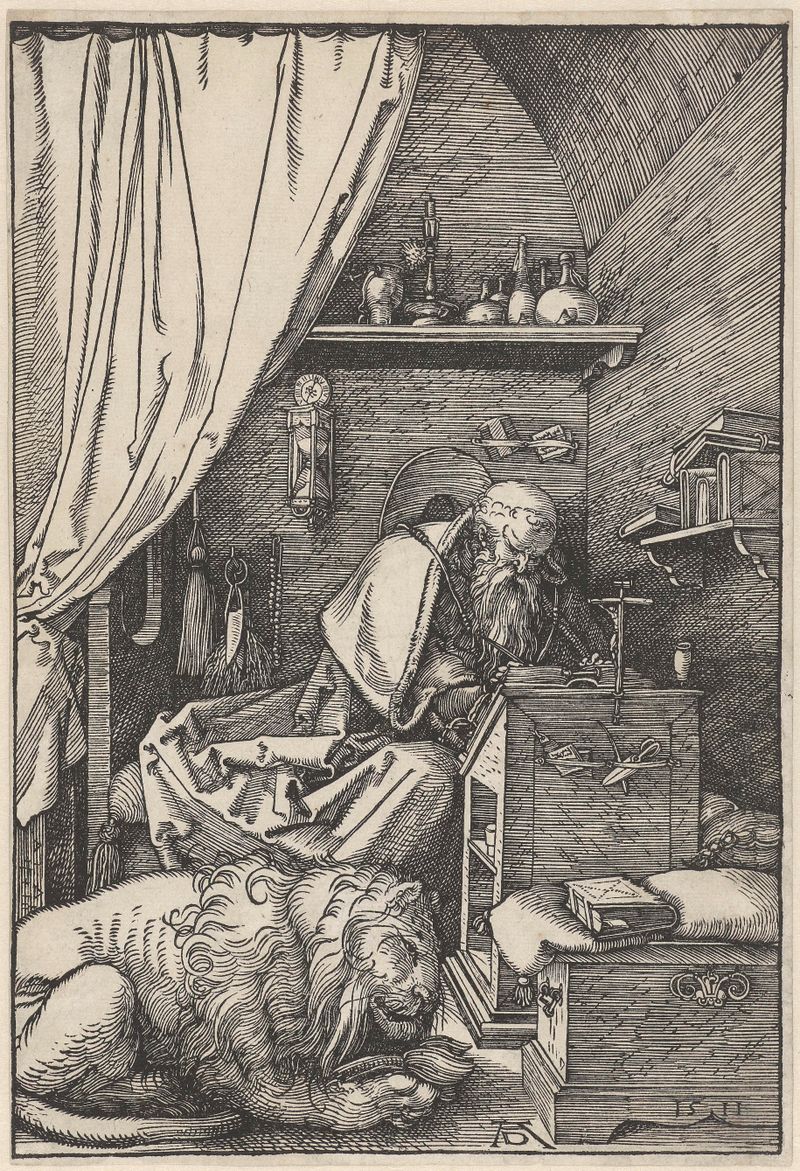
De Heilige Hiëronymus in zijn studeervertrek
Albrecht Dürer
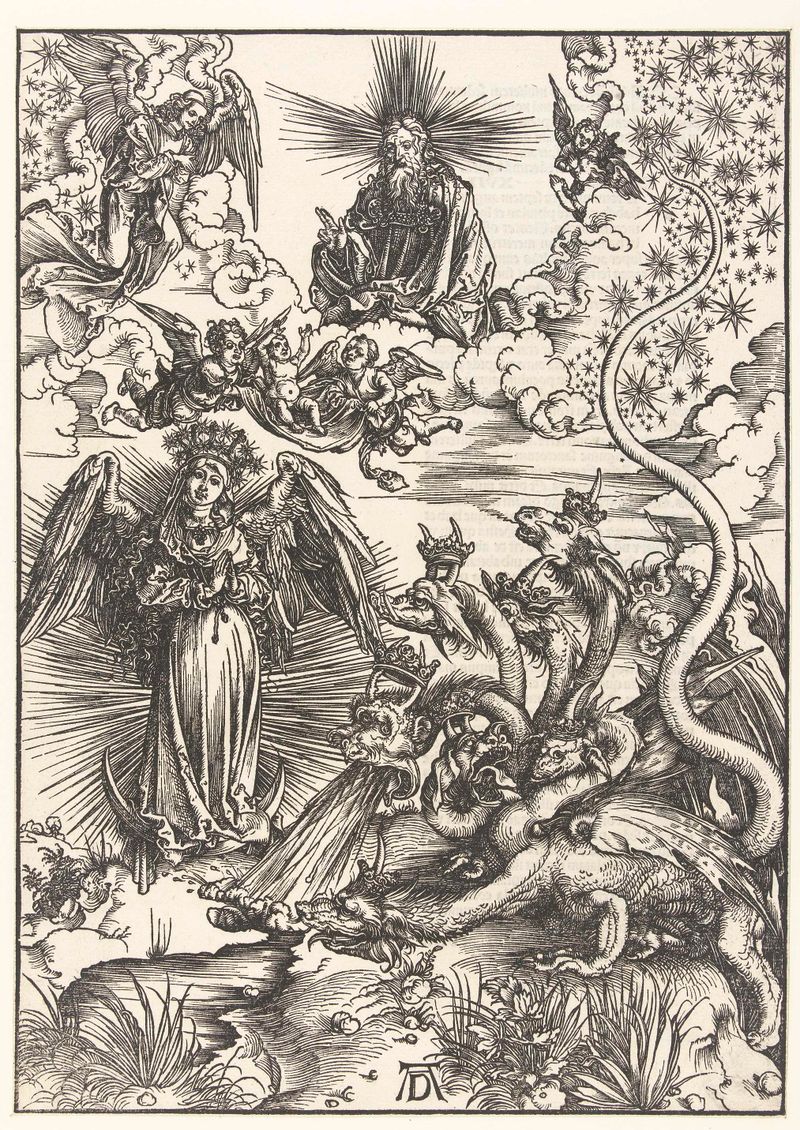
De apocalyptische vrouw en de zevenkoppige draak
Albrecht Dürer
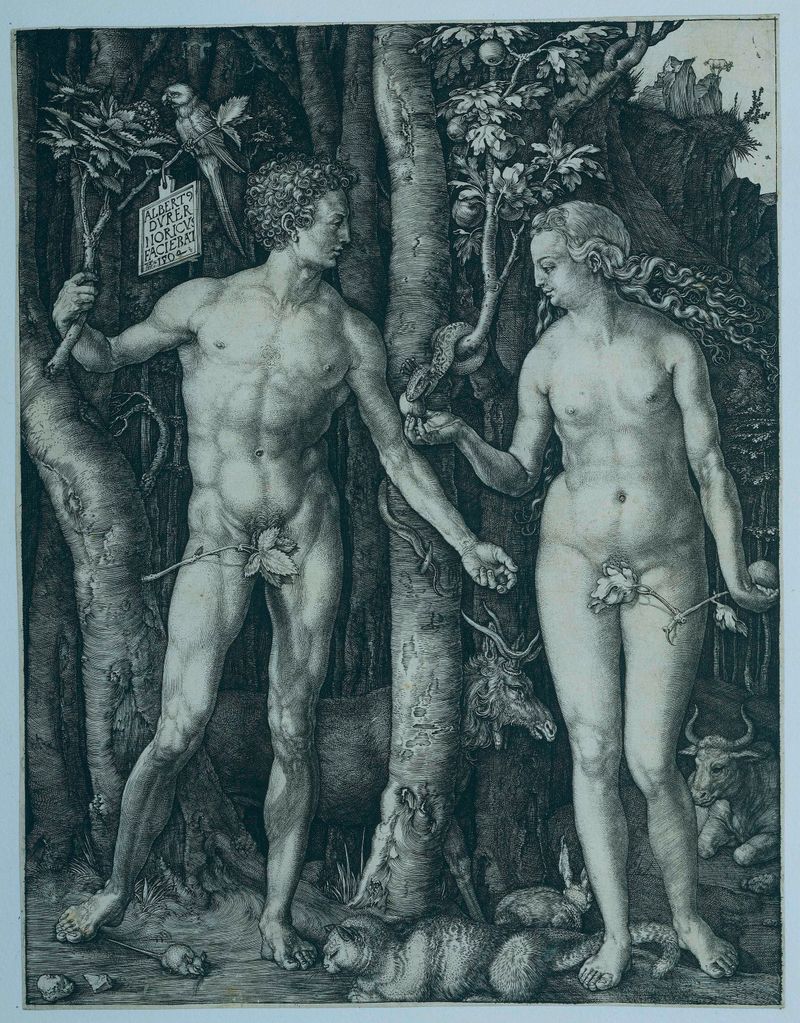
Adam en Eva
Albrecht Dürer
More Religious Art
Browse all →
The Return of the Prodigal Son
Rembrandt van Rijn

The Garden of Earthly Delights
El Bosco

Count Orgaz’ funeral
El Greco

The Hundred Guilder Print: the central piece with Christ preaching, the plate arched
Rembrandt van Rijn

The Descent from the Cross
Rogier van der Weyden

The return of the prodigal son
Rembrandt van Rijn