
Still Life — History & Facts
A single, pale bloom floats in a shallow basin, its petals edged with light, as if caught in the act of drifting. The painter’s hand lingers on the ruffled surface of the flower, capturing not just its color but the way it seems to rest, weightless, on the water’s skin. The metal rim of the bowl catches a cold glint, anchoring the composition, while the tablecloth beneath—roughly brushed, almost unfinished—throws the delicacy of the flower into sharper relief.
The darkness behind is not empty but textured, a quiet stage that lets the eye settle on the fragile drama at center. Still life painting in the late nineteenth century was a space for quiet experimentation, a genre where artists could test their skill and their patience. By the time Abbott Handerson Thayer painted this work around 1886, American painters were drawing from European traditions but searching for their own voice, often in the intimacy of domestic scenes. Such paintings were rarely grand commissions; they were made for private enjoyment, for collectors or for the artist’s own circle.
Today, history has kept few traces of the journey of this particular painting, now preserved in a digital collection, but the image itself invites us to linger—just as the painter once lingered over the floating flower.
More Artworks by Abbott Handerson Thayer
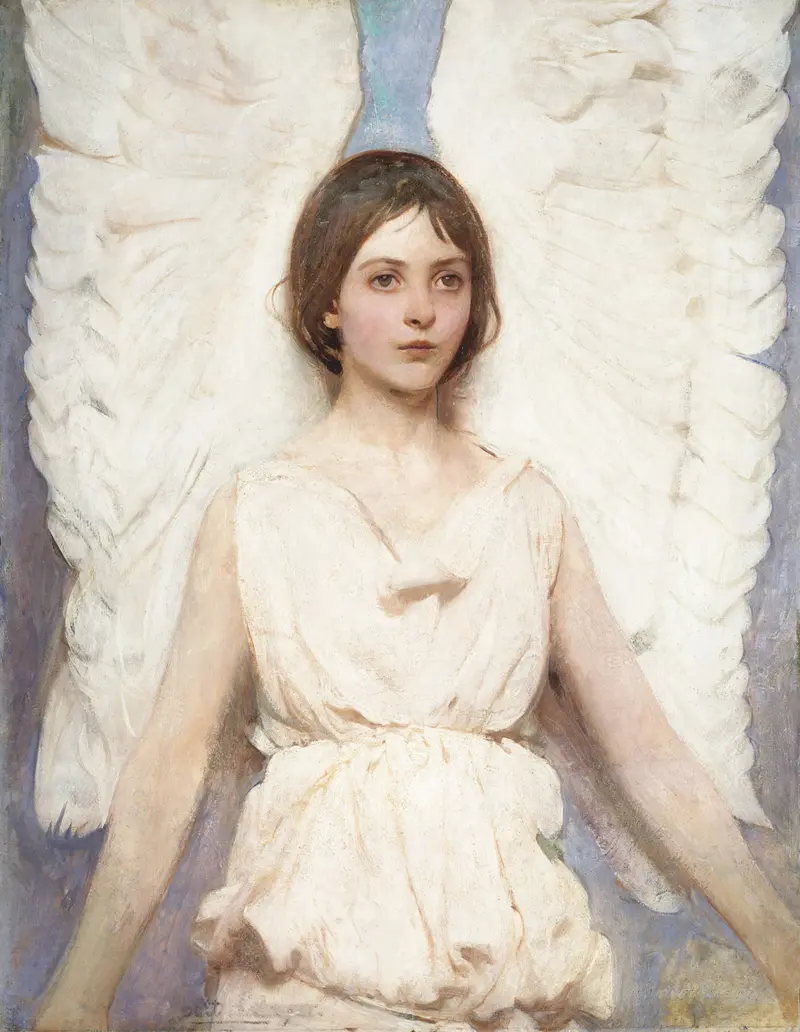
Angel
Abbott Handerson Thayer

Mount Monadnock
Abbott Handerson Thayer
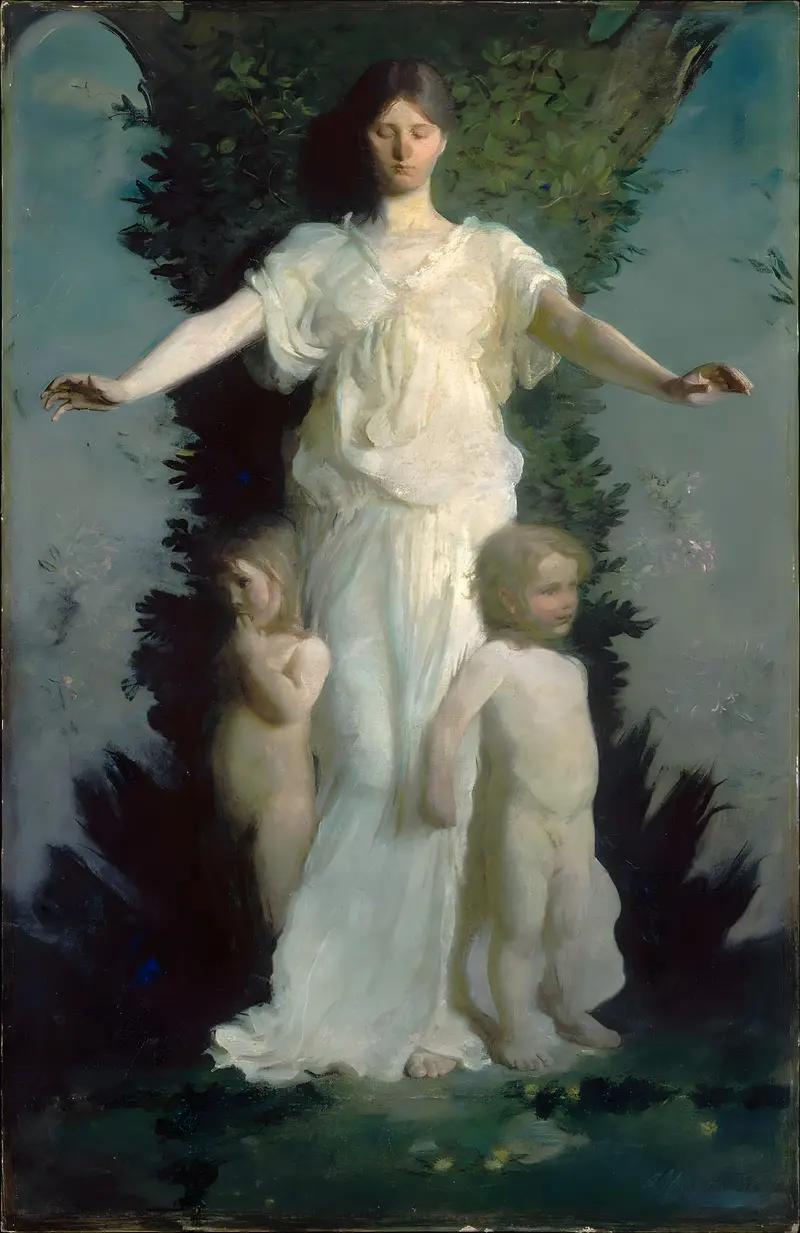
Caritas
Abbott Handerson Thayer

Winter, Monadnock
Abbott Handerson Thayer
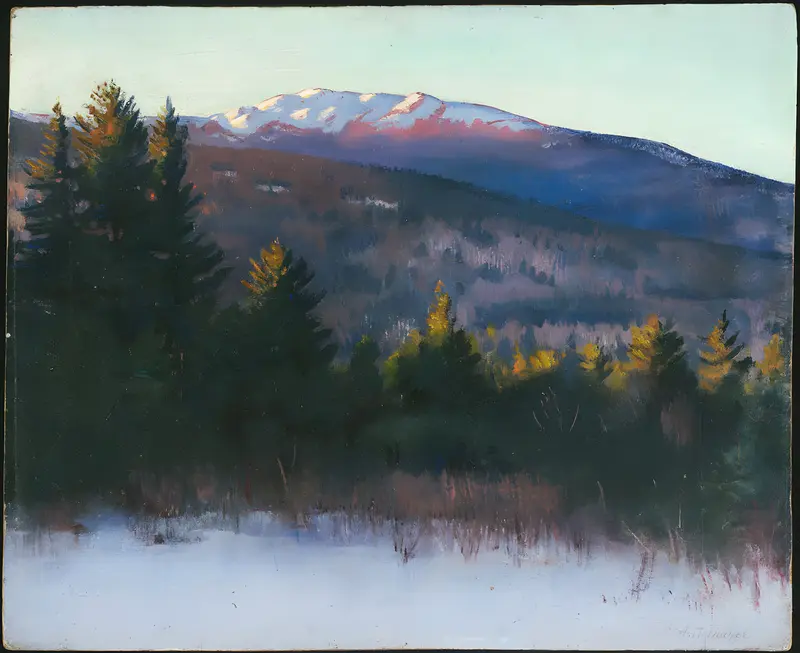
Mount Monadnock
Abbott Handerson Thayer
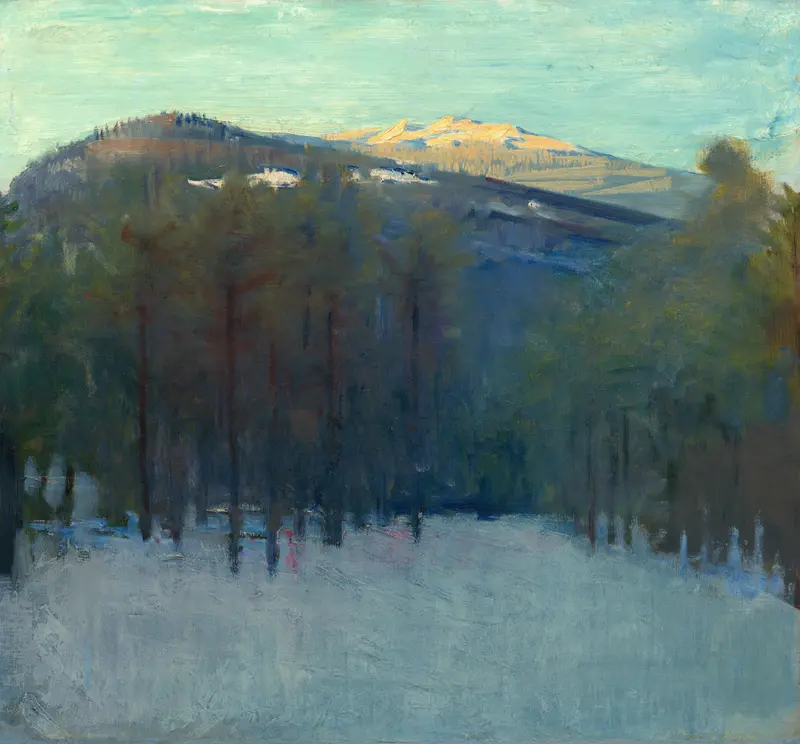
Mount Monadnock
Abbott Handerson Thayer
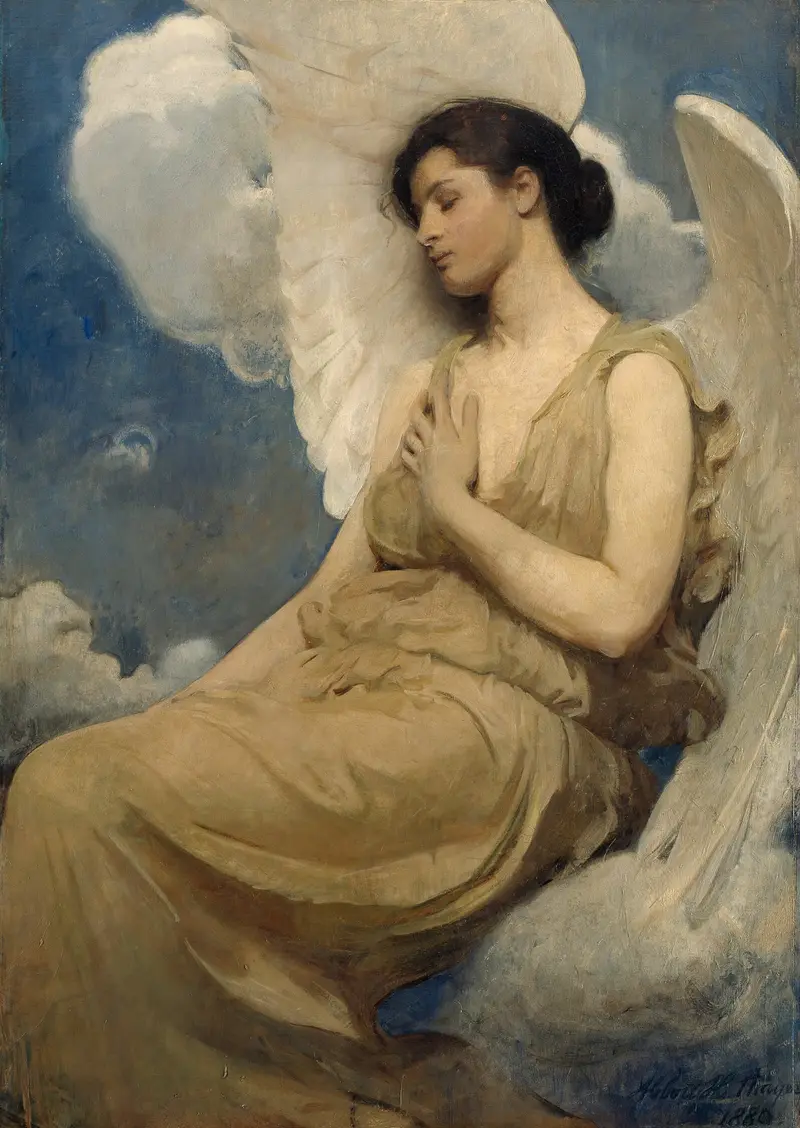
Winged Figure
Abbott Handerson Thayer
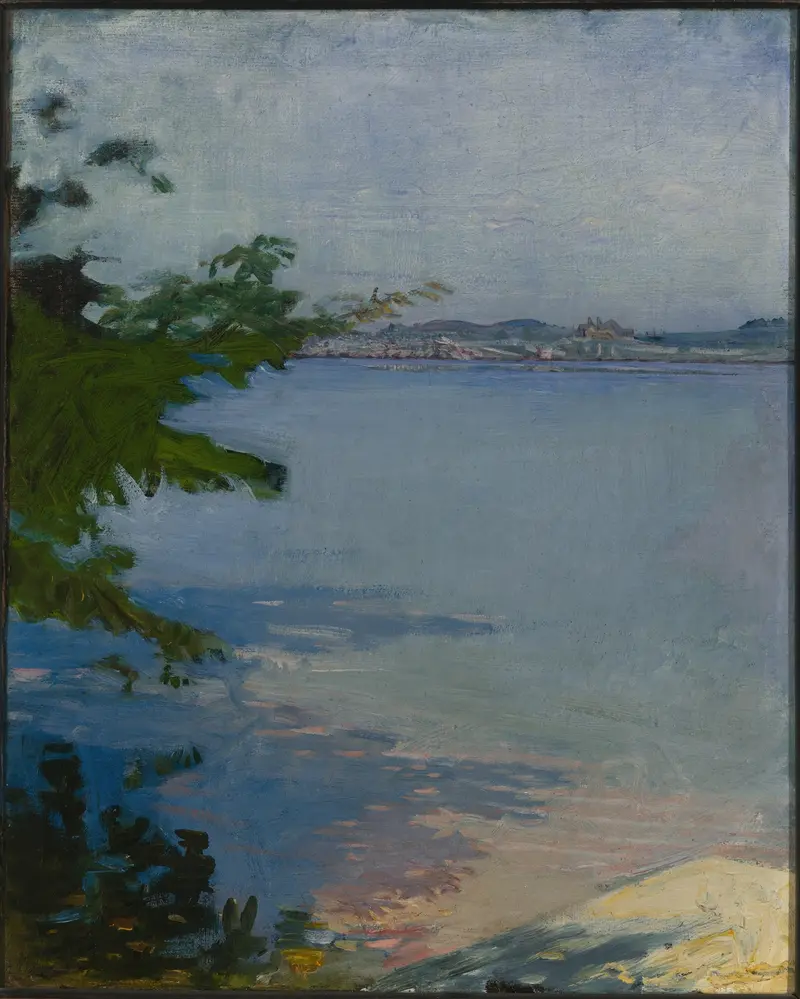
Dublin Pond, New Hampshire
Abbott Handerson Thayer
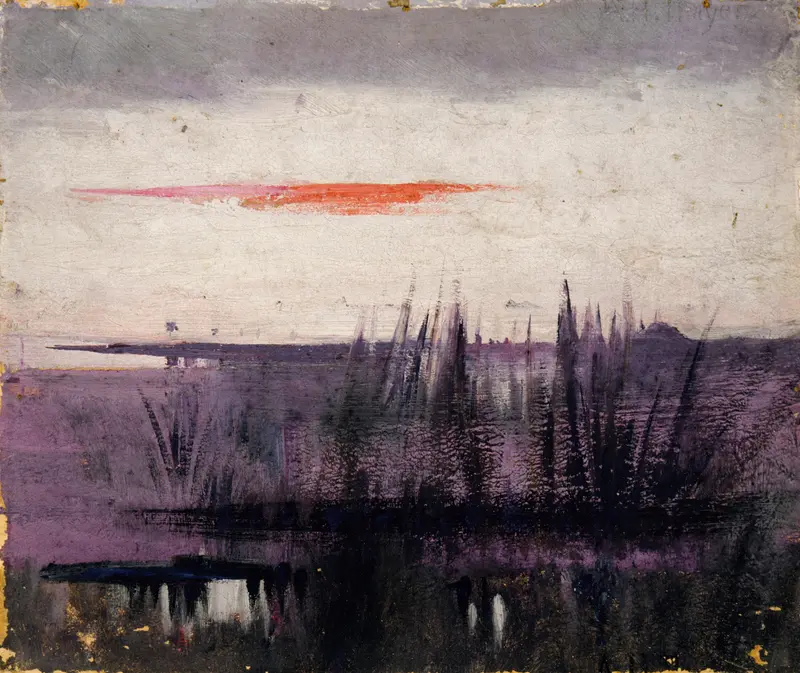
The Sky Simulated By White Flamingoes Study For Book, Concealing Coloration In The Animal Kingdom
Abbott Handerson Thayer
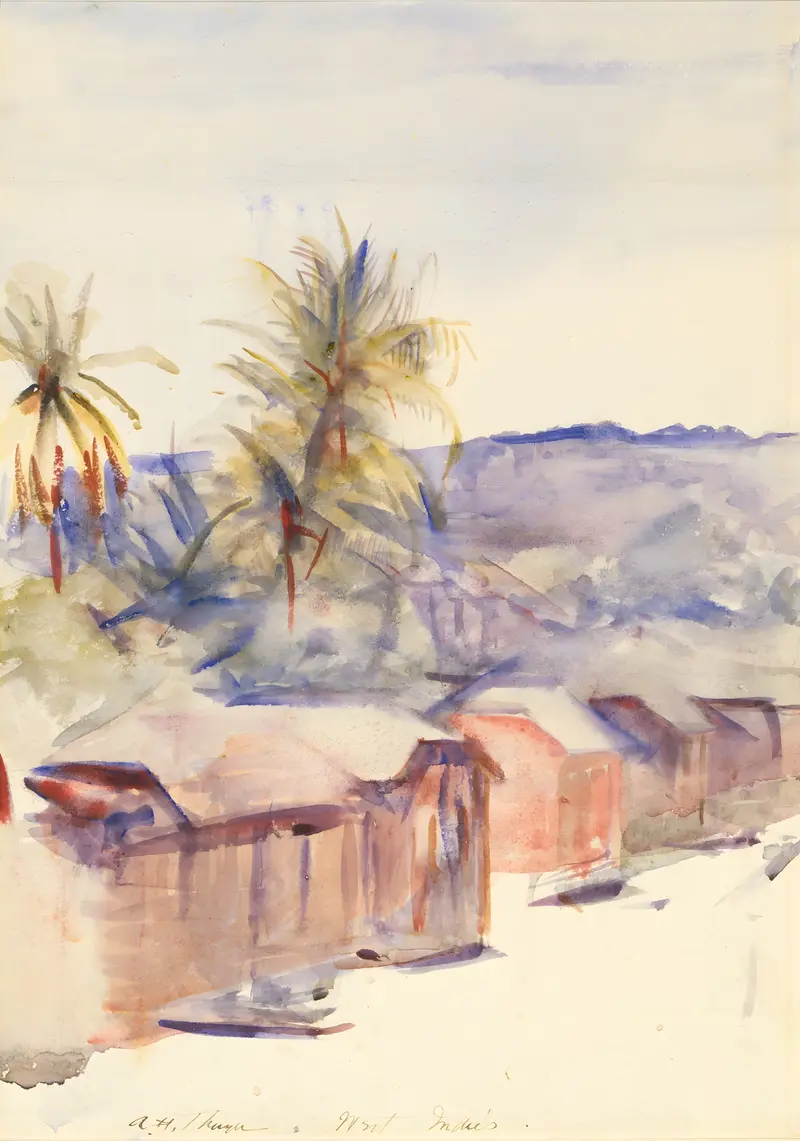
Village Street, Dominica
Abbott Handerson Thayer





