
Still Life — History & Facts
In Still Life, Armand Guillaumin employs a vibrant palette of colors, predominantly featuring rich greens, yellows, and reds. The composition is filled with an assortment of flowers and fruits, creating a lively and cheerful atmosphere. The brushstrokes are loose and expressive, typical of the Impressionism style.
The arrangement suggests a casual yet harmonious setting, inviting the viewer to appreciate the beauty of everyday objects. This painting is executed in oil on canvas, a medium that allows for the vivid colors and textures seen in the work. The approximate dimensions of the piece are 60 x 80 cm, making it a medium-sized artwork that can easily fit into various settings. The use of light in the painting enhances the vibrancy of the colors, creating a sense of depth and movement.
Guillaumin's technique showcases his ability to capture the essence of the still life genre. Armand Guillaumin was a French painter associated with the Impressionist movement, known for his use of color and light. This particular work, created in the 1880s, reflects his unique approach to still life, emphasizing the beauty of nature. An interesting fact about this painting is that Guillaumin was also a close friend of Vincent van Gogh, and their artistic exchanges influenced each other's work significantly.
Guillaumin's still lifes are often celebrated for their vibrant colors and dynamic compositions.
More Artworks by Armand Guillaumin

La Seine À Charenton
Armand Guillaumin
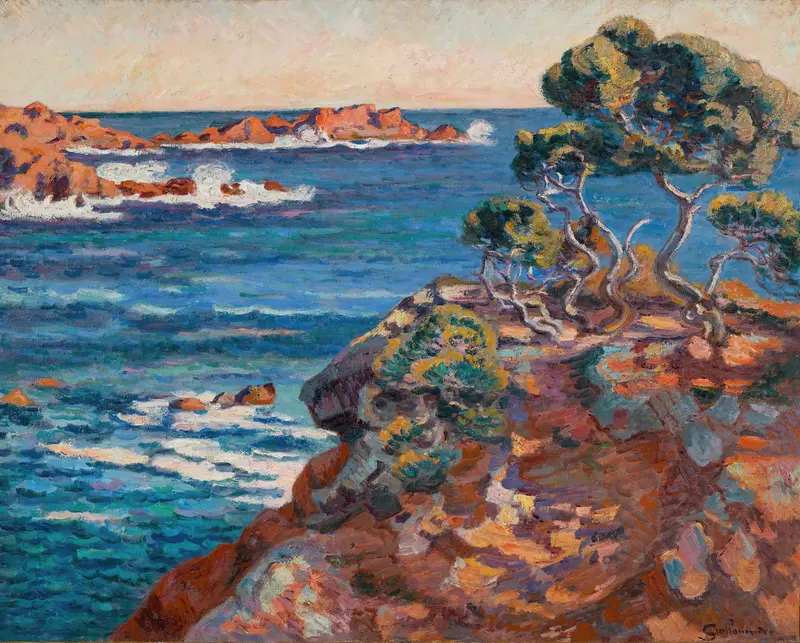
Bord De Mer À Agay
Armand Guillaumin
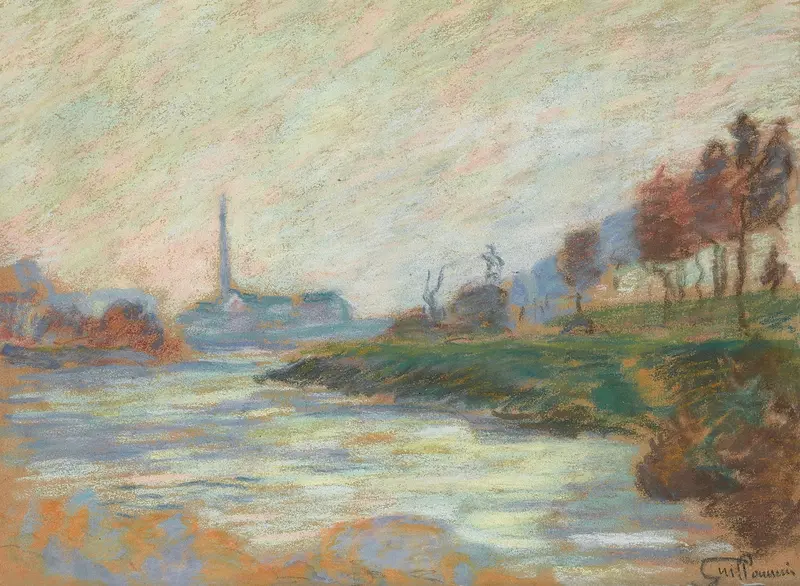
Confluent De La Marne Et De La Seine, Île De La France
Armand Guillaumin
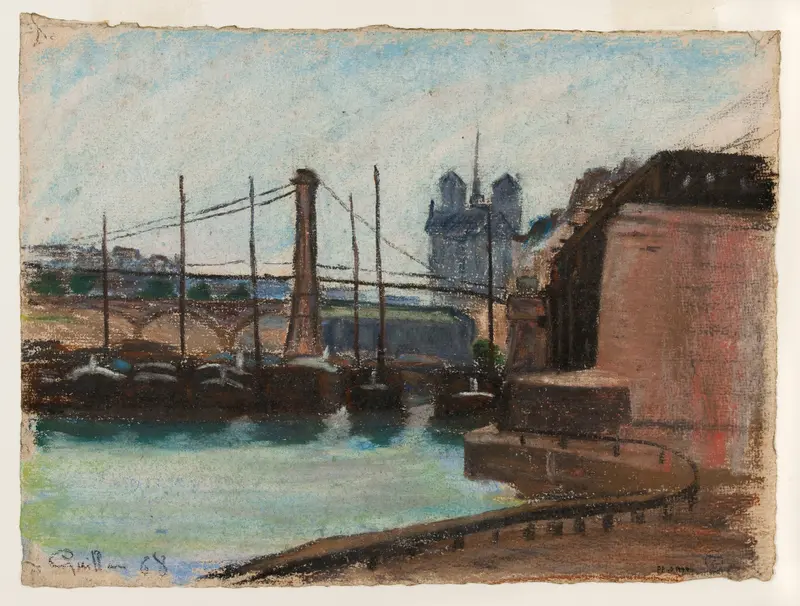
Le Pont d’Austerlitz
Armand Guillaumin
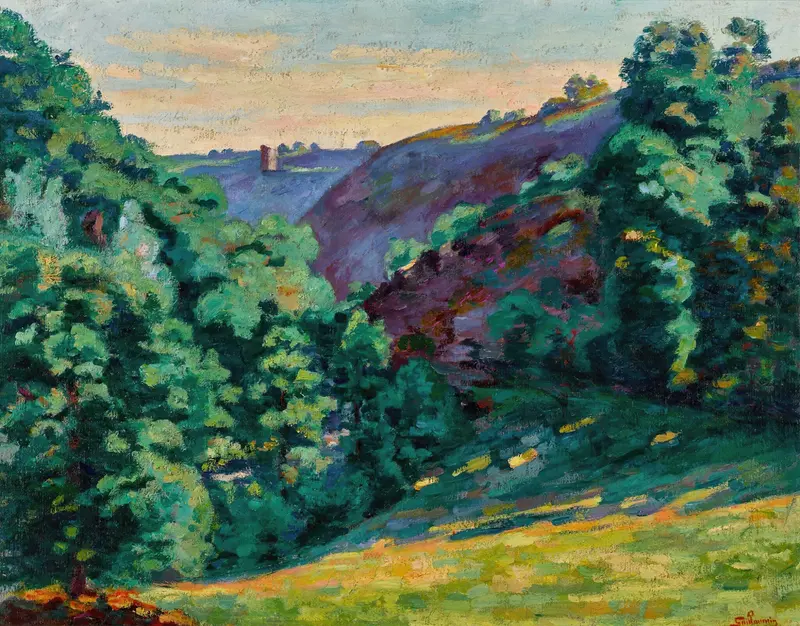
Le Ravin de la folie, vue de Chateau Crozant
Armand Guillaumin
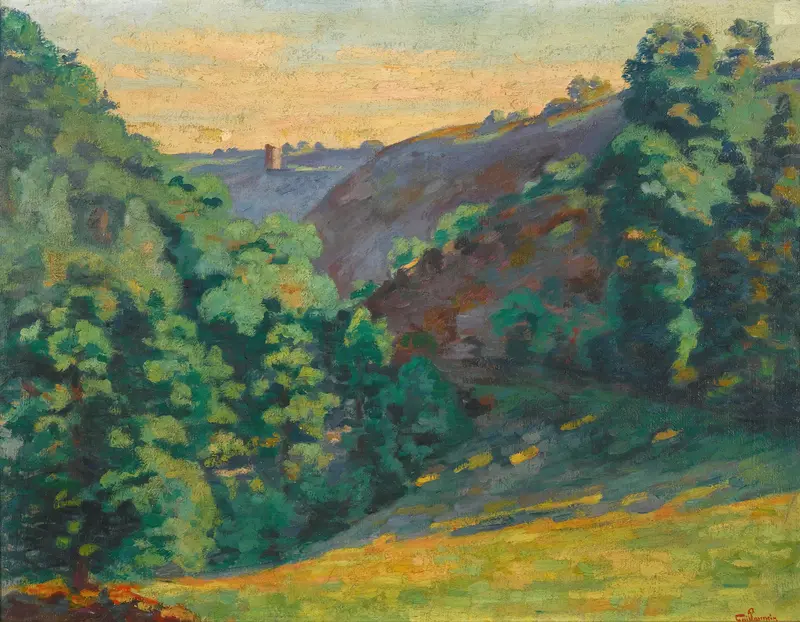
Crozant, Le Ravin De La Sedelle À La Folie
Armand Guillaumin
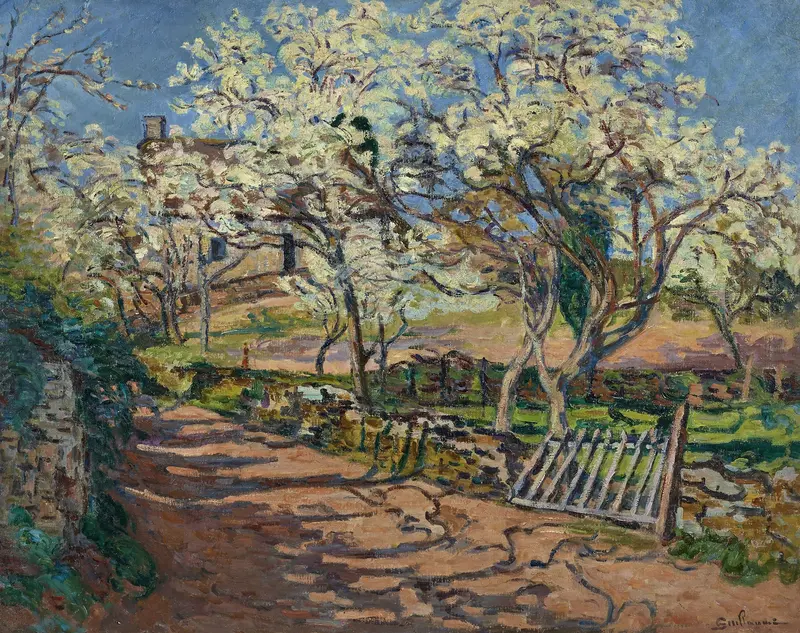
Paysage de Printemps
Armand Guillaumin
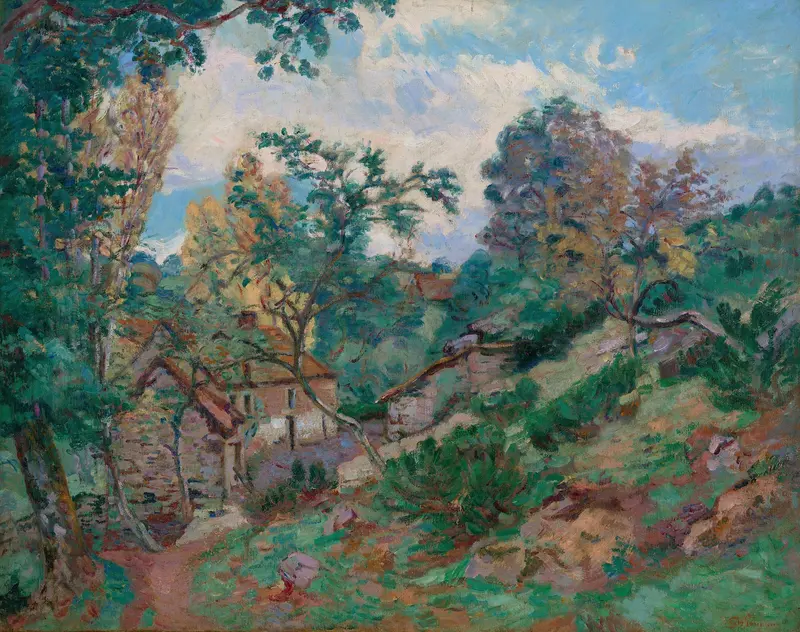
Paysage
Armand Guillaumin
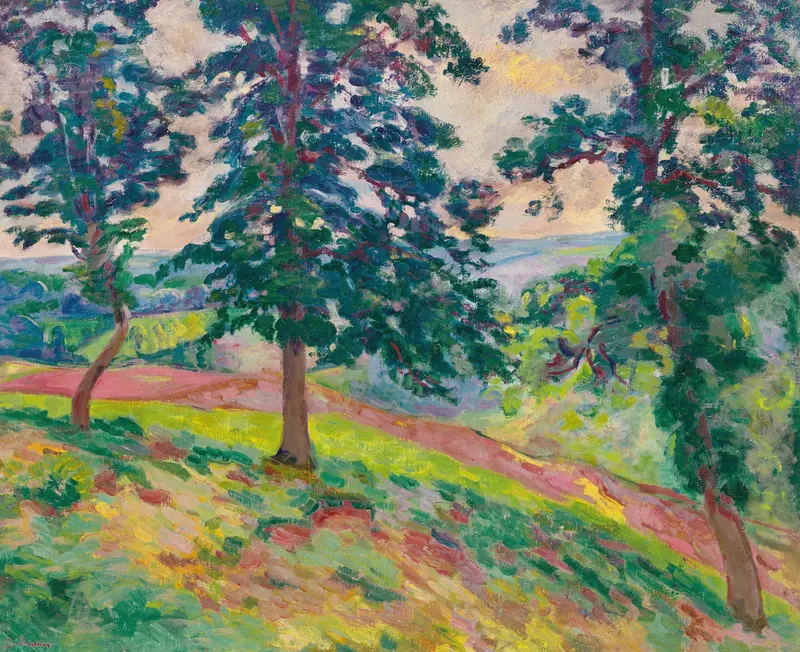
La vallée de la creuse
Armand Guillaumin
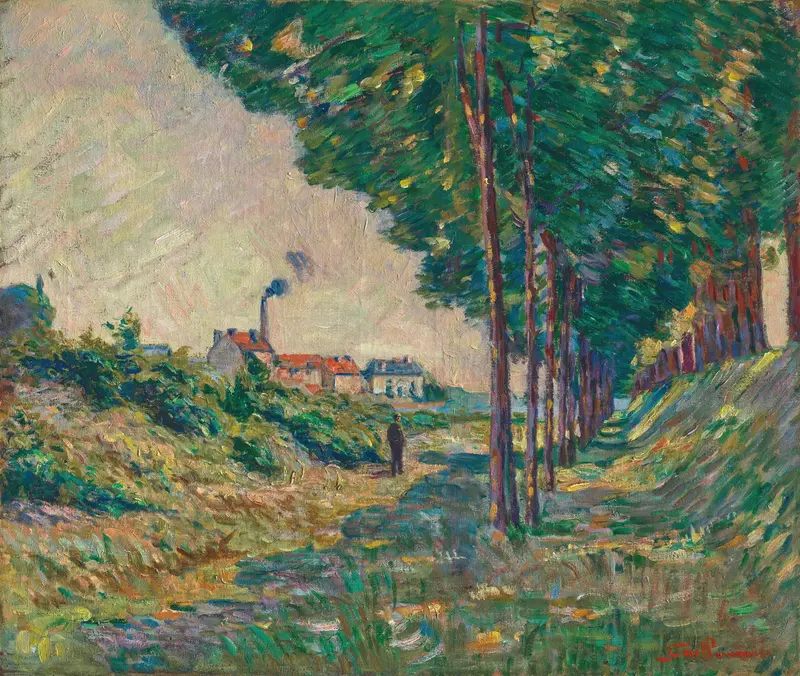
Le chemin de halage à Charenton, Ile de France
Armand Guillaumin





