Still Life of Fruits — History & Facts
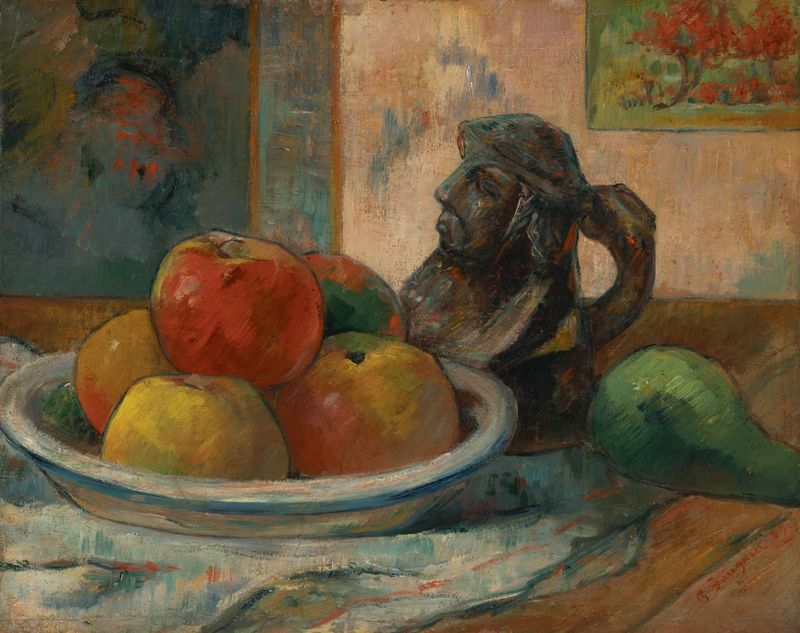
Is this a mirror — or a memory? In Still Life of Fruits, the ephemeral beauty of nature's bounty reflects the fragility of existence, inviting contemplation of life's fleeting moments. The artist captures a slice of time, presenting a table adorned with succulent fruits, each piece a testament to both abundance and impermanence. Look to the right at the luscious pomegranate, its vibrant, ruby seeds glistening under soft light. Notice how the artist employs rich, warm colors — deep reds, vibrant greens, and golden yellows — to create a visually sumptuous tableau.
The fruit is arranged with intentional asymmetry, inviting the eye to wander across the canvas, while subtle shadows add depth, evoking a sense of three-dimensionality that heightens the painting's realism. As the viewer's gaze drifts, the contrasts emerge: the ripe fruit symbolizes vitality, while the delicate petals from a nearby flower remind us of decay. This duality speaks to the cycle of life — beauty intertwined with transience. The gleaming surface of a polished table reflects both the fruits and an unyielding stillness, reinforcing the idea that though beauty may fade, it is captured eternally in art. Created in the 17th century, this work stems from a period rich in still life tradition, characterized by meticulous attention to detail and symbolism.
The artist, whose identity remains elusive, contributed to a flourishing genre that celebrated the sensory pleasures of everyday objects. This painting stands as a poignant reminder of the era's fascination with both nature and the passage of time, encapsulating the delicate balance between life and its inevitable decline.
More Artworks by Unidentified artist
Browse all →
Self-portrait with a Bandaged Ear and Pipe
Unidentified artist

Feast in the House of Levi
Unidentified artist
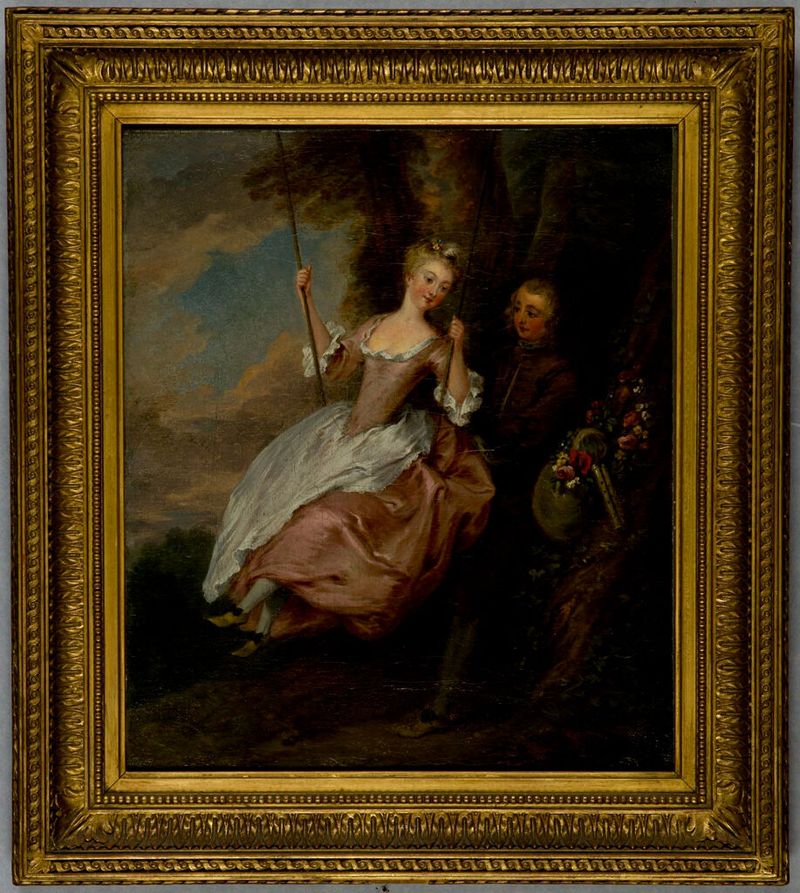
The Swing
Unidentified artist

Geoffrey Chaucer (1340?-1400)
Unidentified artist

Portrait of Michelangelo after the "Strozzi" original in the Uffizi Gallery
Unidentified artist
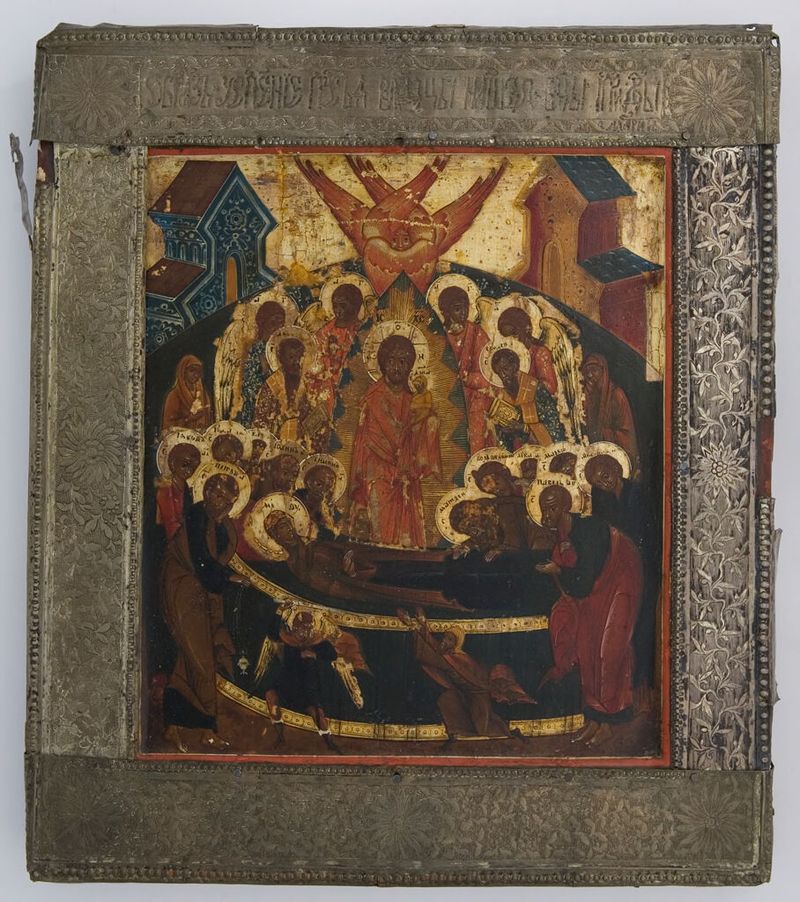
Dormition of the Virgin
Unidentified artist

Charles I (after a van Dyck painting in the Staatliche Museen, Gemaldegalerie, Dresden)
Unidentified artist

Madonna and Child
Unidentified artist

John Winthrop, the Younger (1606-1676)
Unidentified artist

Crucifix with the Virgin and Saint John the Evangelist, Christ the Redeemer, and a Praying Woman
Unidentified artist