
Still life with a spray of gooseberries — History & Facts
A single spray of gooseberries rests on the edge of a stone ledge, its presence both delicate and deliberate. The eye is drawn first to the play of light across the translucent skins of the fruit—each berry rendered with such care that you sense the coolness and slight resistance their surface would give to a fingertip. The leaves, veined and slightly curled, arc upward and outward, casting gentle shadows that anchor the composition in space.
The ledge itself is no mere support; its sharp edge and subtle highlights create a stage, separating the living from the void beyond. There is a quiet drama here, as if the berries have just been placed, or are on the verge of being gathered. Painted in 1702 by Adriaen Coorte, this still life belongs to a Dutch tradition that celebrated the humble and the seasonal. In the late seventeenth and early eighteenth centuries, such works found favor among collectors who prized their intimacy and their meditative quality—a far cry from the grand banquet pieces of earlier decades.
The Netherlands Institute for Art History preserves this image, a testament to the enduring fascination with nature’s quiet corners. Little is recorded about the journey of this specific painting, but its reserved elegance speaks volumes about the world that shaped it: a society attentive to the fleeting, the local, and the quietly extraordinary. Look again at the luminous fruit, and consider what it means to find wonder in the everyday.
More Artworks by Adriaen Coorte
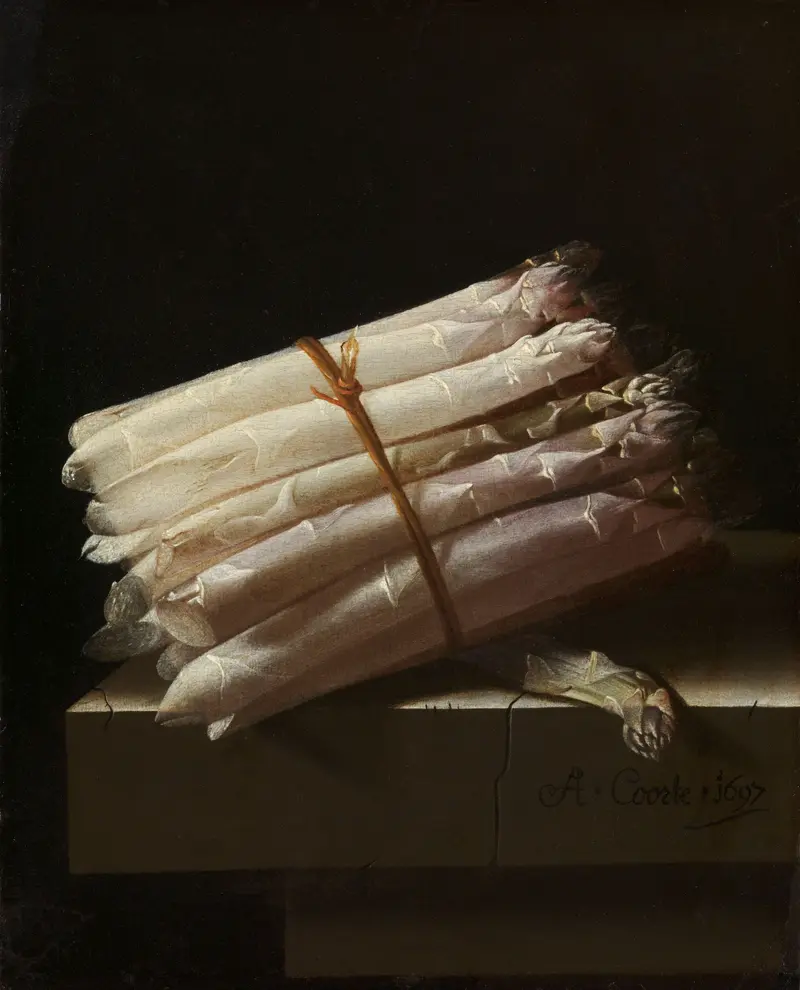
Still Life with Asparagus
Adriaen Coorte
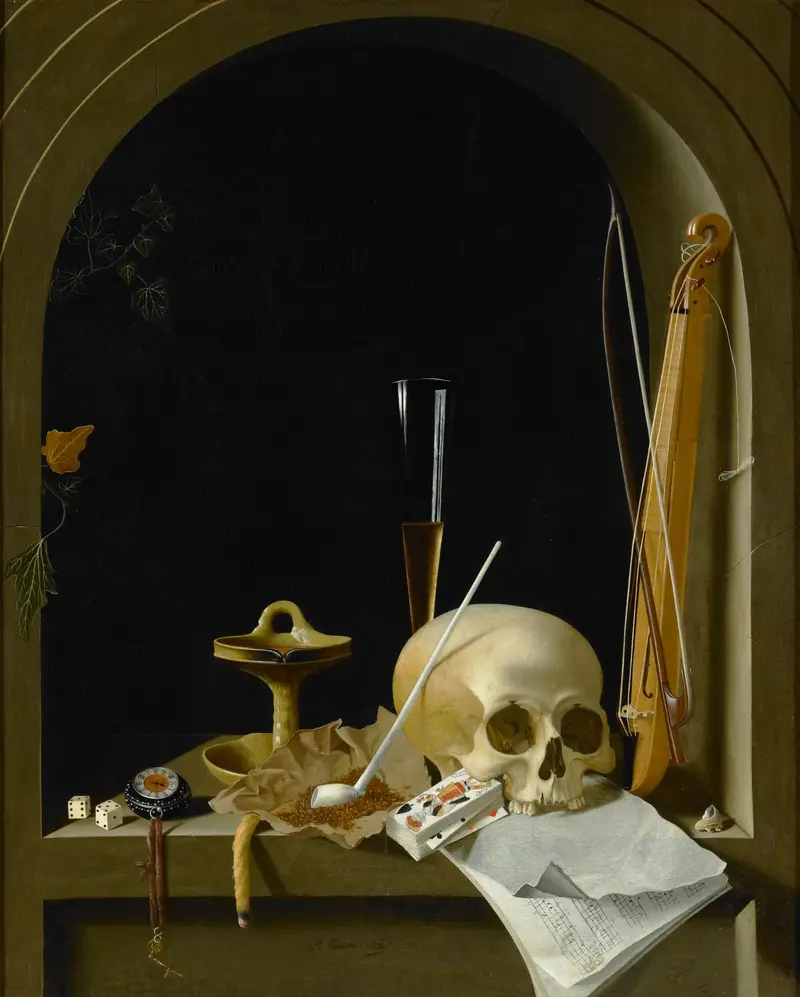
Vanitas still life in a niche
Adriaen Coorte
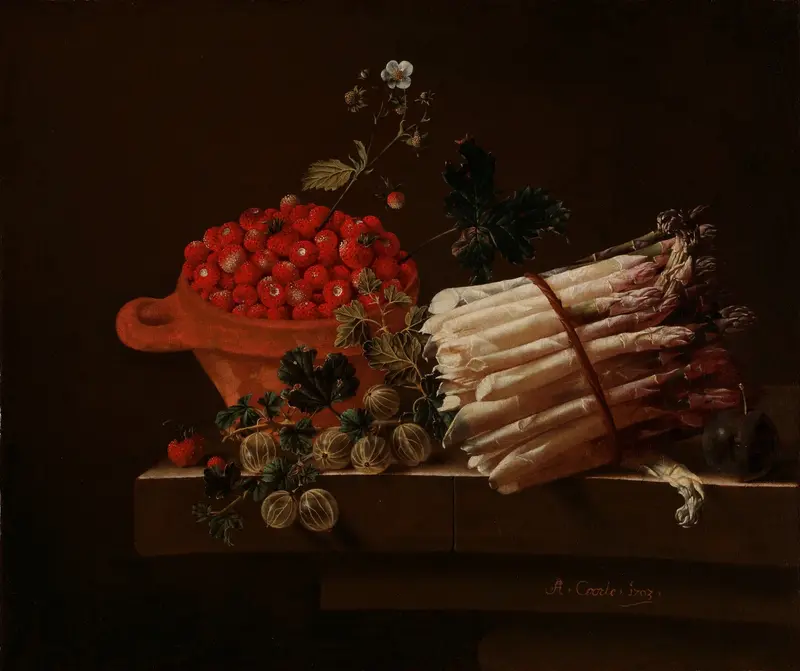
A Pot of Strawberries, Gooseberries, and a Bundle of Asparagus on a Stone Plinth
Adriaen Coorte
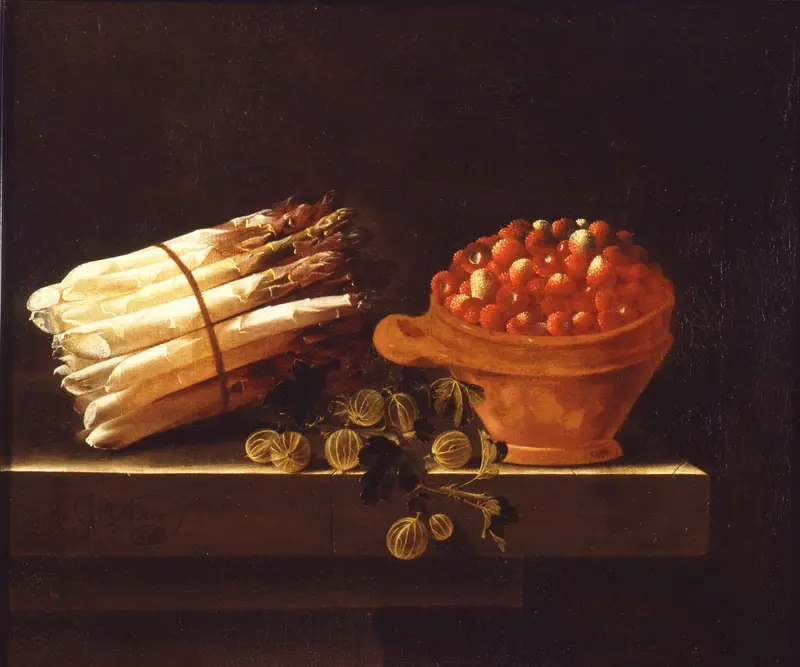
Asparagus, Gooseberries and Strawberries on a Stone Ledge
Adriaen Coorte
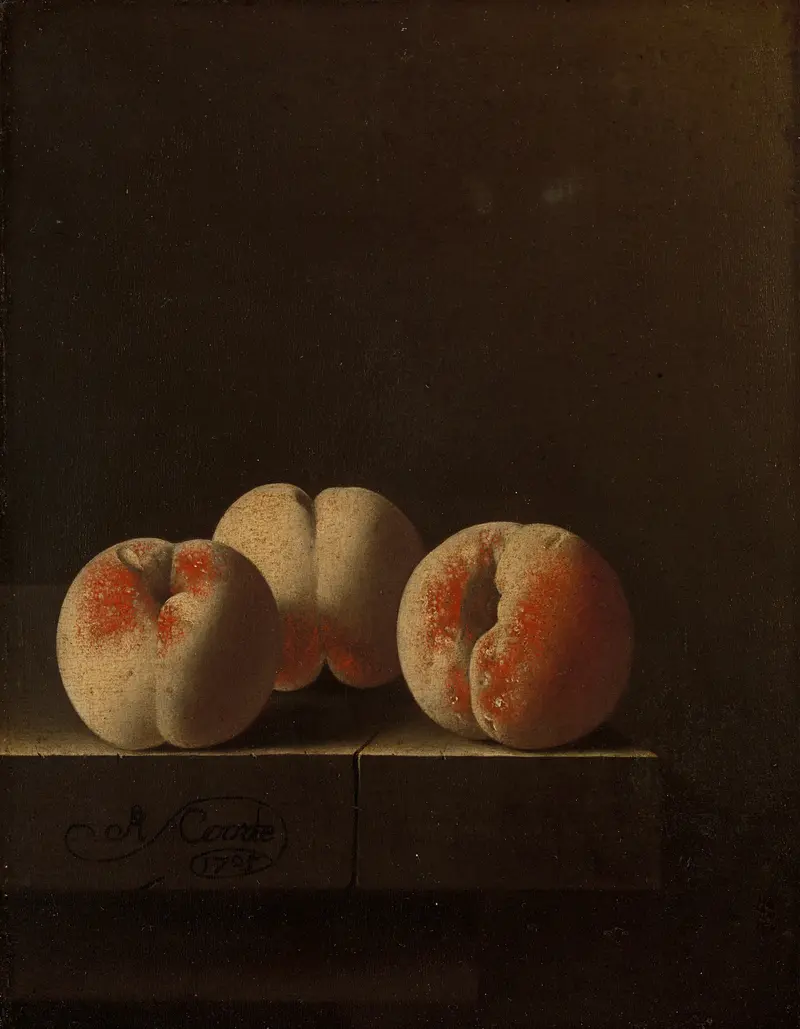
Drie perziken op een stenen plint SK A 5101 Rijksmuseum
Adriaen Coorte
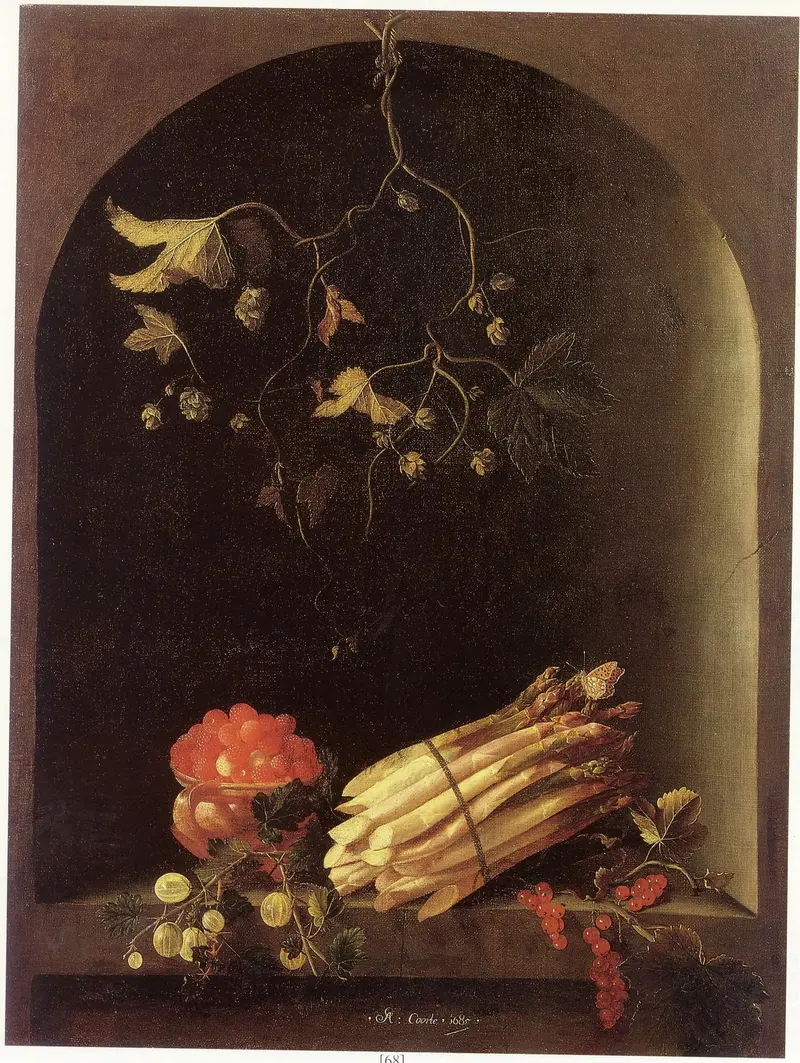
Strawberries, Asparagus, and Gooseberries in a Niche
Adriaen Coorte
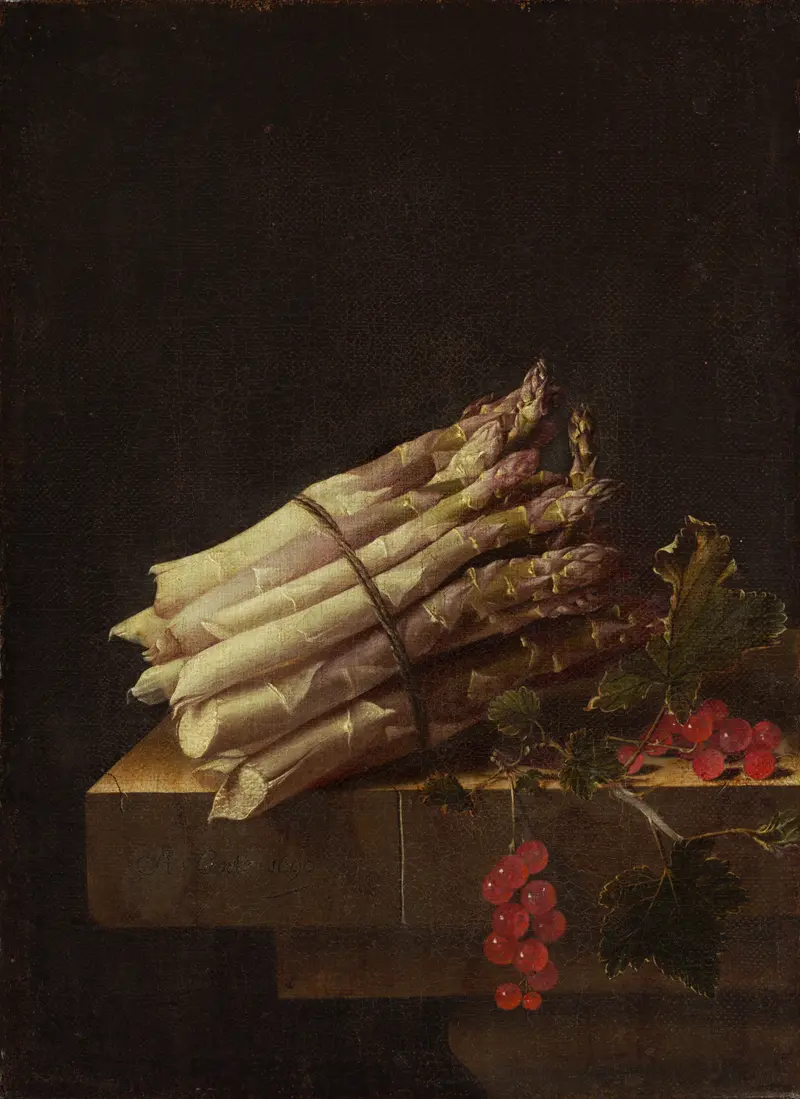
Still Life with Asparagus and Red Currants
Adriaen Coorte
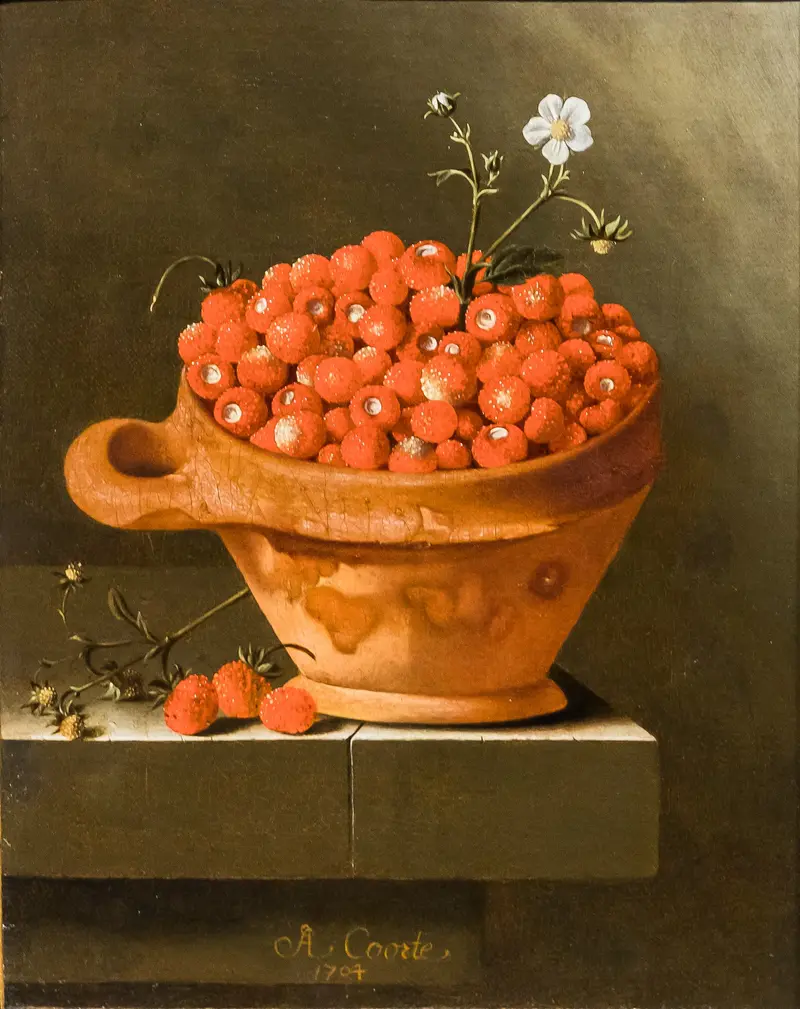
Still life with strawberries in a terracotta pot
Adriaen Coorte
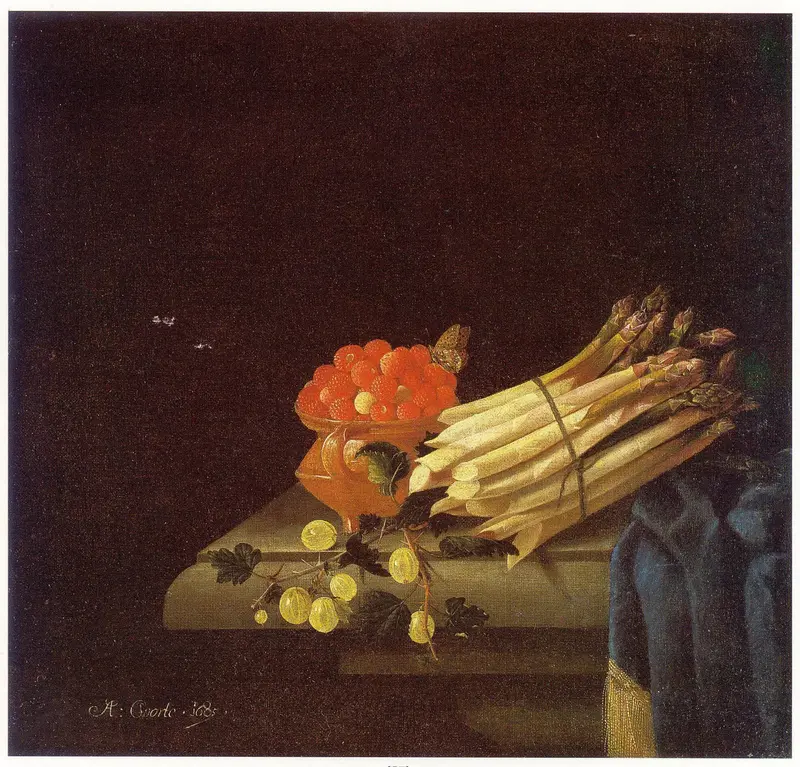
Strawberries, Asparagus, and Gooseberries with a Tablecloth
Adriaen Coorte
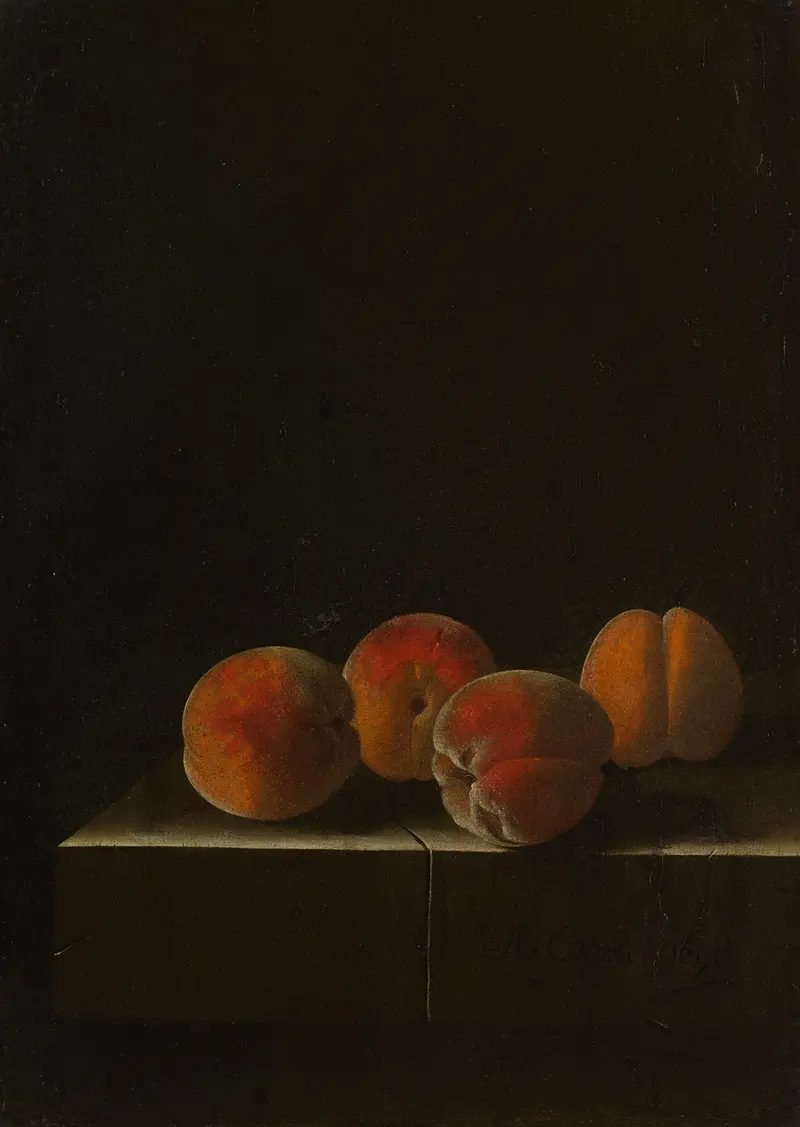
Four Apricots on a Stone Plinth
Adriaen Coorte





