
Still life with asparagus and artichoke — History & Facts
What first arrests the eye in Still life with asparagus and artichoke by Adriaen Coorte is the hush of concentration around a simple bundle—white asparagus, bound with a string, its pale stalks catching the light as if freshly plucked from the earth. The vegetables rest on the edge of a stone ledge, their blunt ends and papery skins rendered with a care that borders on reverence. Behind, the artichoke’s leaves recede into shadow, their green depths barely emerging from the darkness.
Coorte’s composition is spare, yet every element is deliberate: the way the light grazes the tips of the asparagus, the subtle play of textures between the smooth stalks and the leathery artichoke, the silence that seems to envelop the scene. Here, the ordinary is made worthy of contemplation. Works like this, painted in the late seventeenth century, speak to a world where the pleasures of the table and the rhythms of the seasons were celebrated in paint. Still lifes were prized in the Dutch Republic, not only for their technical brilliance but as quiet meditations on nature’s bounty and the fleetingness of life.
Adriaen Coorte specialized in these intimate studies, often focusing on humble produce rather than lavish banquets. The painting, dated between 1693 and 1695 and now in the collection documented by the RKD, stands as a testament to this era’s fascination with the small miracles of the everyday. Let your gaze linger on the asparagus: each stalk is a moment, a season, a gesture of patience from both gardener and painter.
More Artworks by Adriaen Coorte
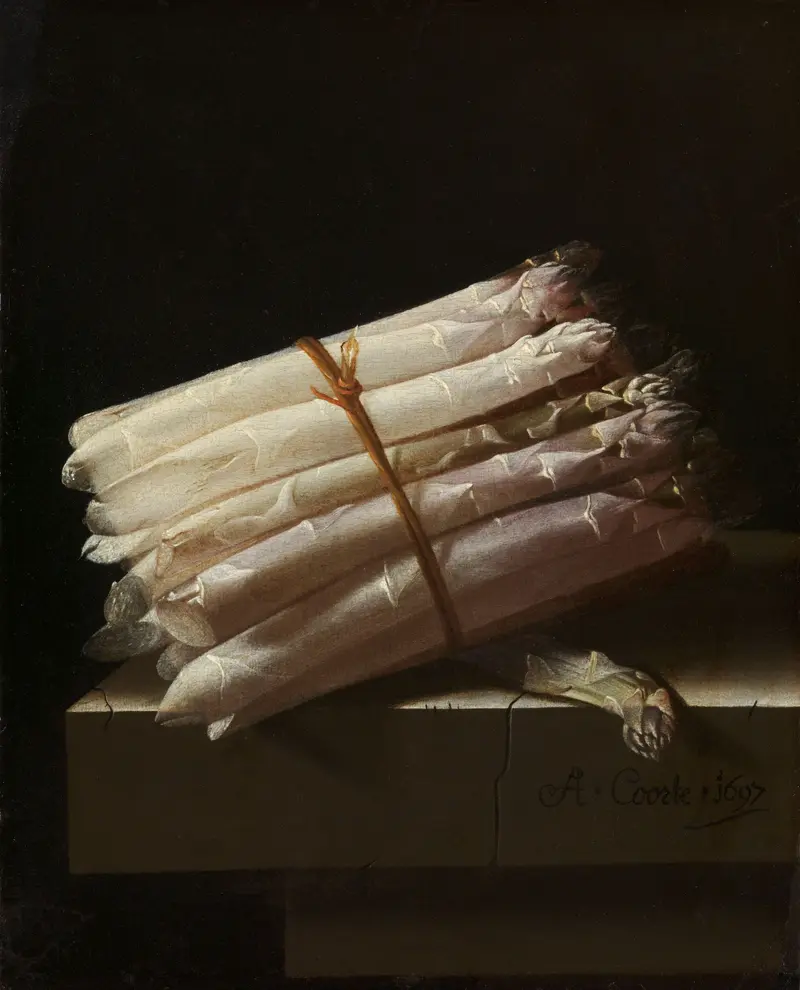
Still Life with Asparagus
Adriaen Coorte
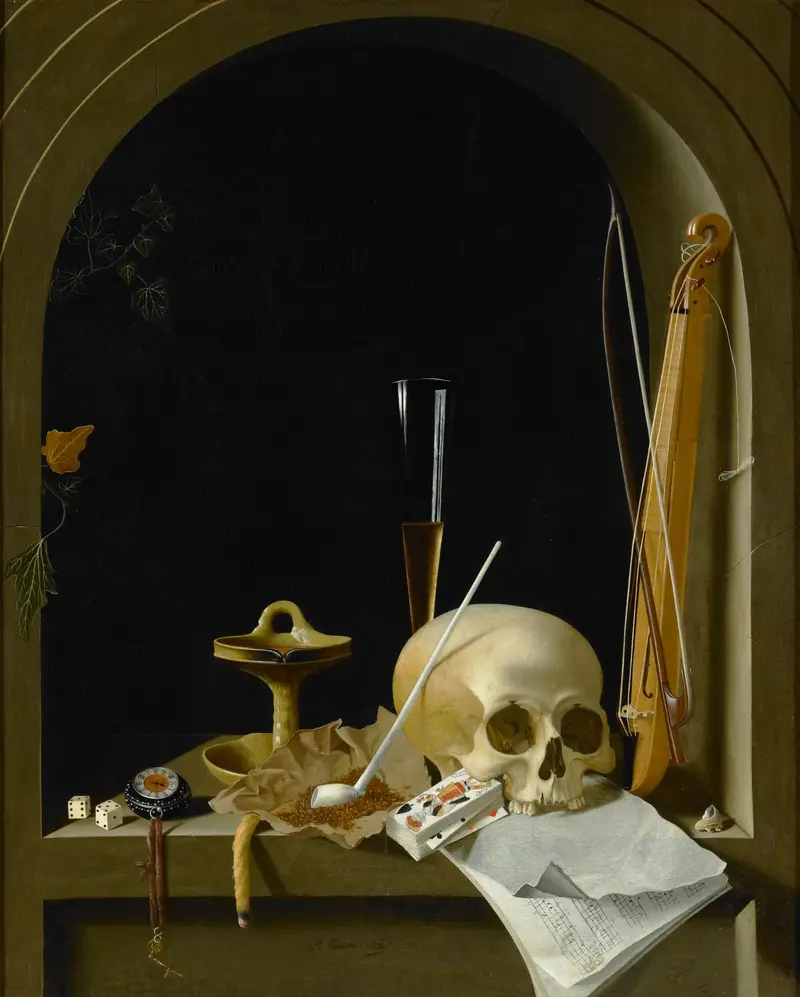
Vanitas still life in a niche
Adriaen Coorte
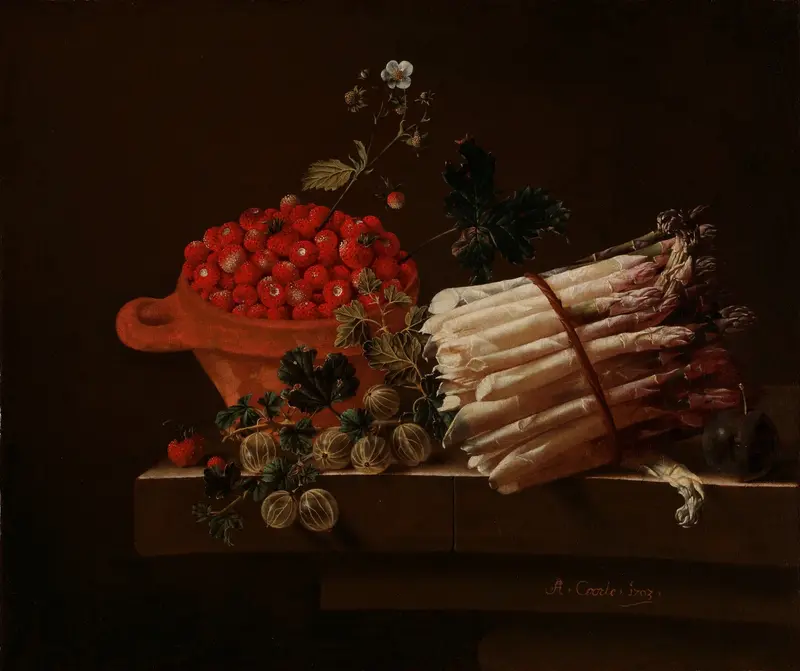
A Pot of Strawberries, Gooseberries, and a Bundle of Asparagus on a Stone Plinth
Adriaen Coorte
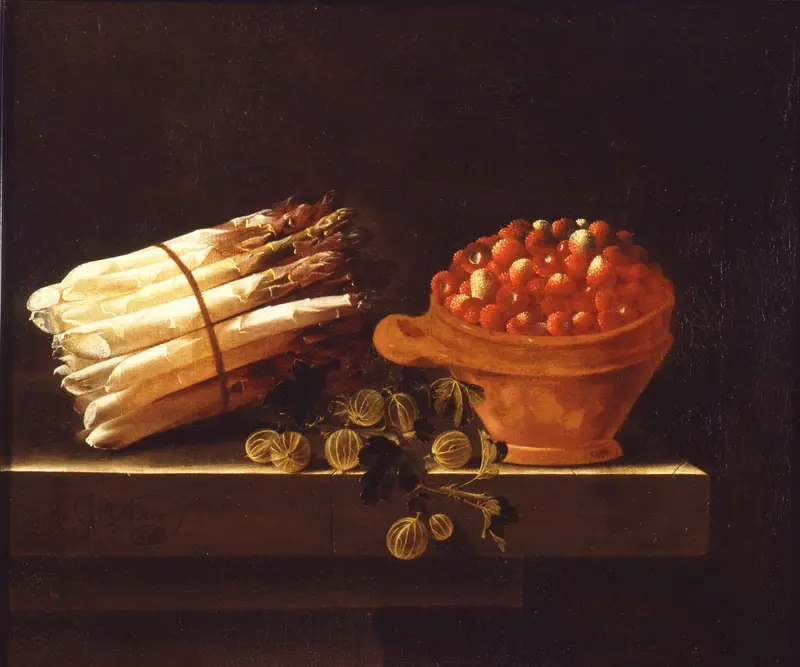
Asparagus, Gooseberries and Strawberries on a Stone Ledge
Adriaen Coorte
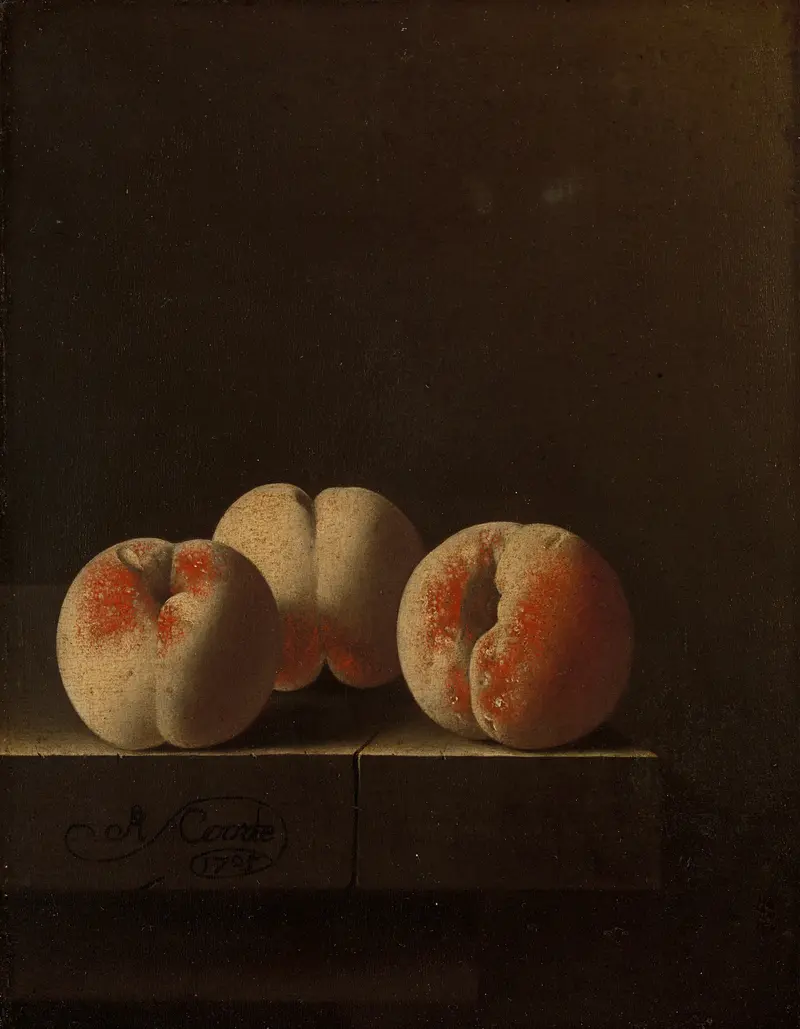
Drie perziken op een stenen plint SK A 5101 Rijksmuseum
Adriaen Coorte
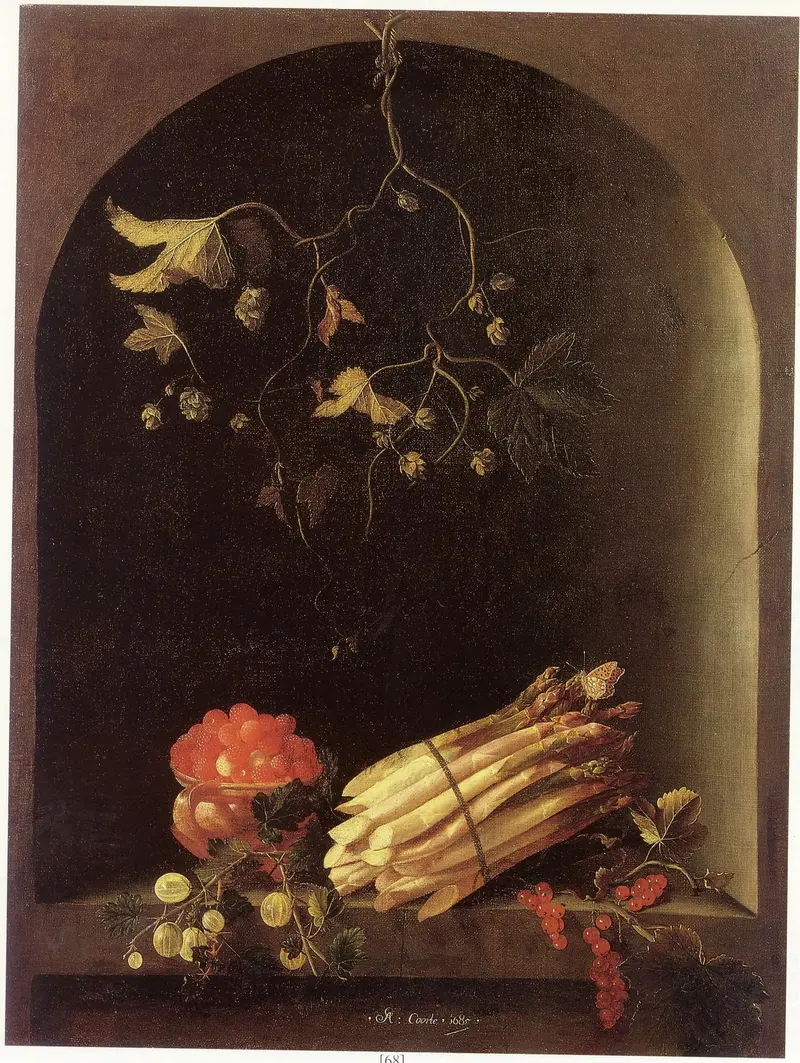
Strawberries, Asparagus, and Gooseberries in a Niche
Adriaen Coorte
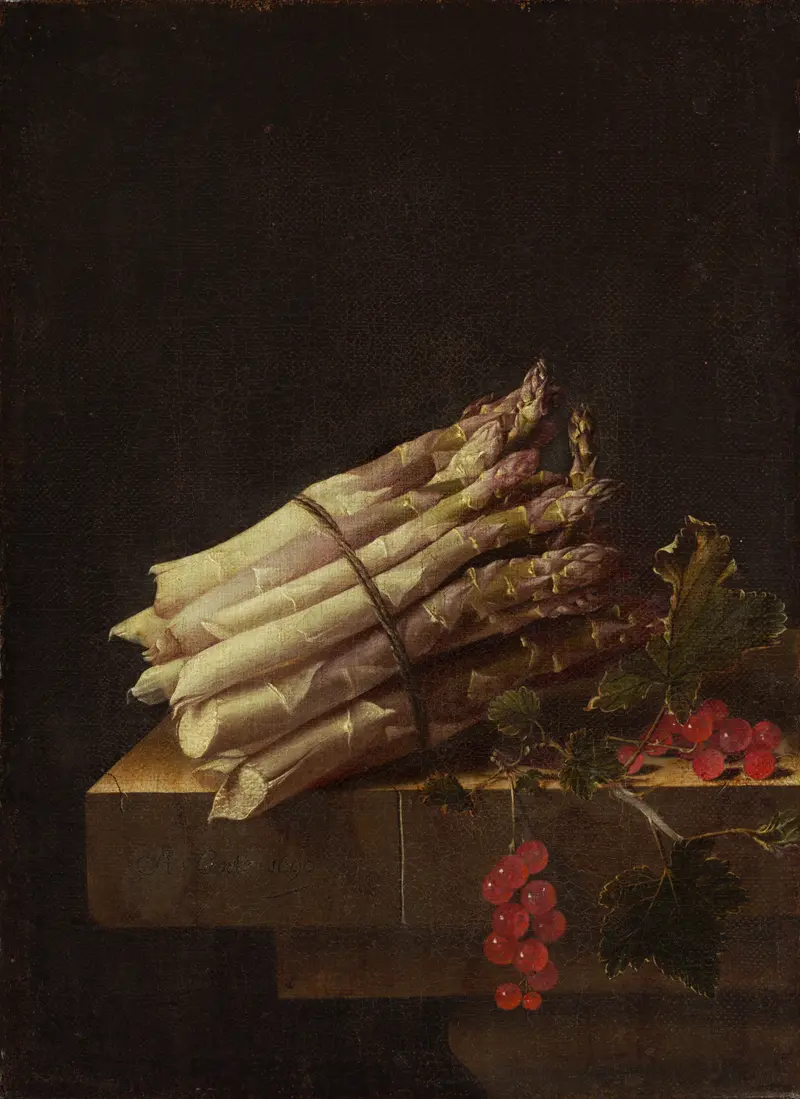
Still Life with Asparagus and Red Currants
Adriaen Coorte
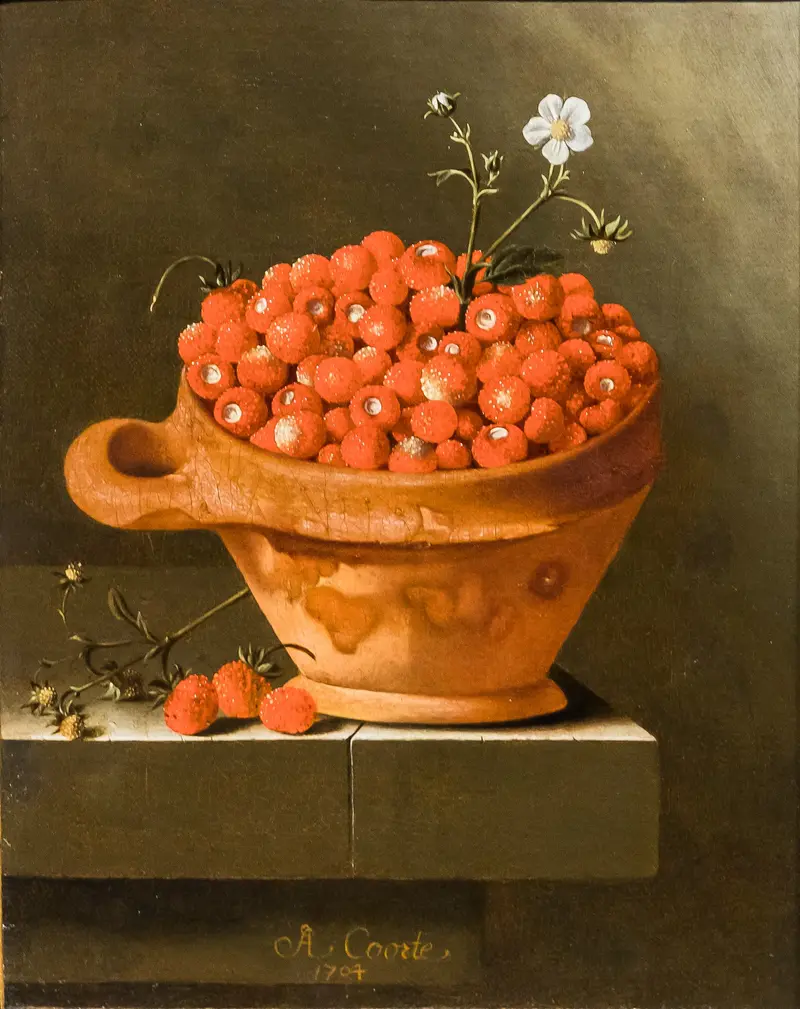
Still life with strawberries in a terracotta pot
Adriaen Coorte
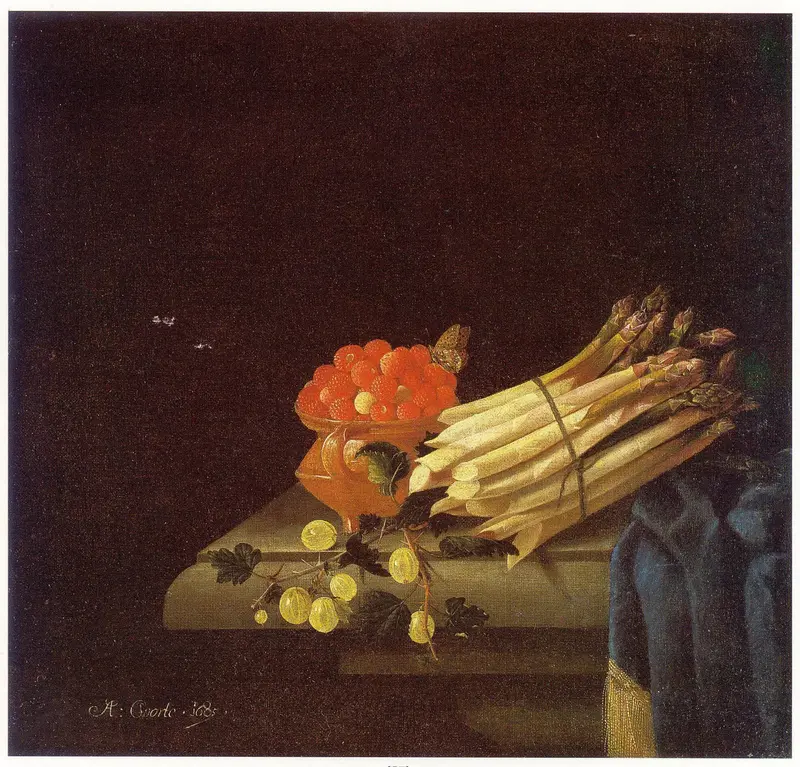
Strawberries, Asparagus, and Gooseberries with a Tablecloth
Adriaen Coorte
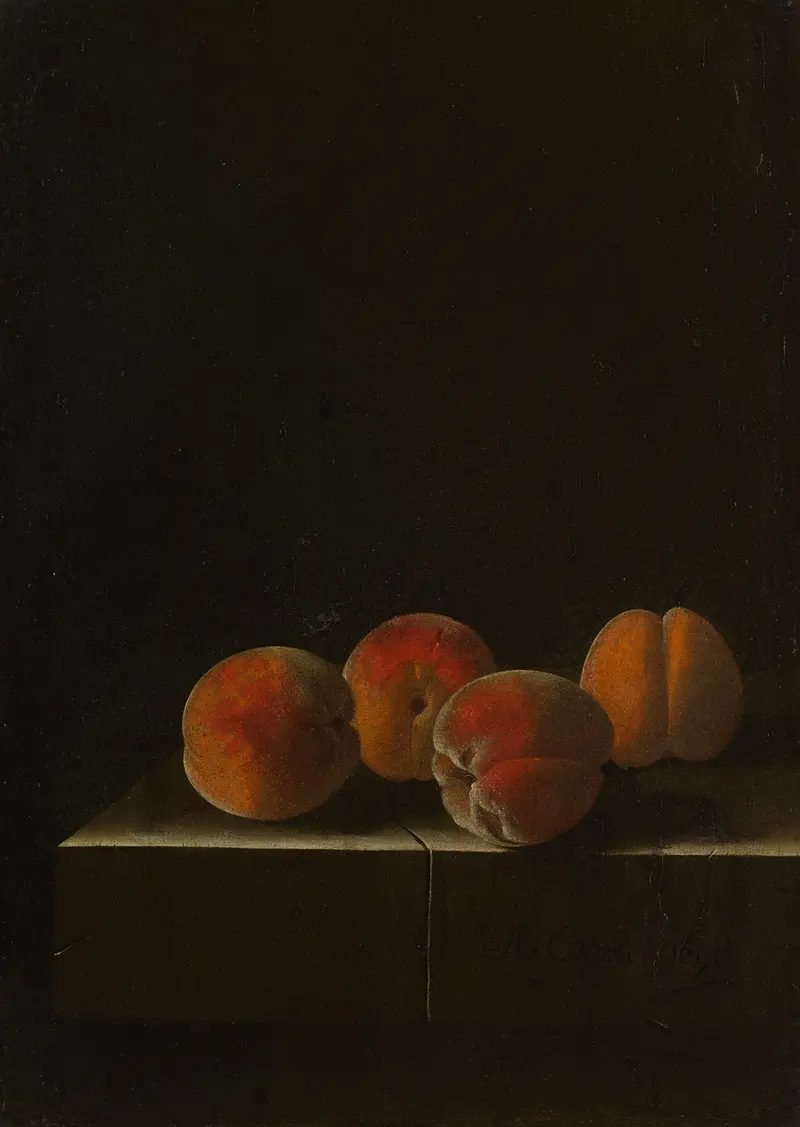
Four Apricots on a Stone Plinth
Adriaen Coorte





