
Still Life with Hazel-nuts — History & Facts
A single, slender stem rises above a handful of hazelnuts, its leaves catching the light as if they have just been plucked from the shade. The nuts themselves, still wrapped in their pale, fringed husks, sprawl across a ledge that glows against a field of deep, velvety darkness. The eye is drawn first to the contrast: the almost theatrical spotlight that isolates these humble objects, turning them into quiet protagonists.
Each shell is rendered with a care that suggests patience and close observation, the textures crisp and tactile, the shadows soft-edged and enveloping. The composition is spare, but never empty—every element is placed with deliberation, every shadow and highlight a gentle nudge to look closer. This painting belongs to the world of late seventeenth-century Dutch still life, a genre that delighted in the overlooked and the ordinary. Works like Still Life with Hazel-nuts by Adriaen Coorte, dated 1696, were not grand commissions for palaces, but intimate pictures for private homes—reminders of nature’s quiet abundance, and perhaps of life’s own fleeting pleasures.
In an age when the Dutch Republic was thriving, artists like Coorte found poetry in the simplest things: a handful of fruit, a sprig of leaves, a slant of light. History has kept few traces of Coorte’s life, but his paintings linger as small acts of attention, inviting us to pause and see the world anew—beginning with the fragile, luminous nuts before us.
More Artworks by Adriaen Coorte
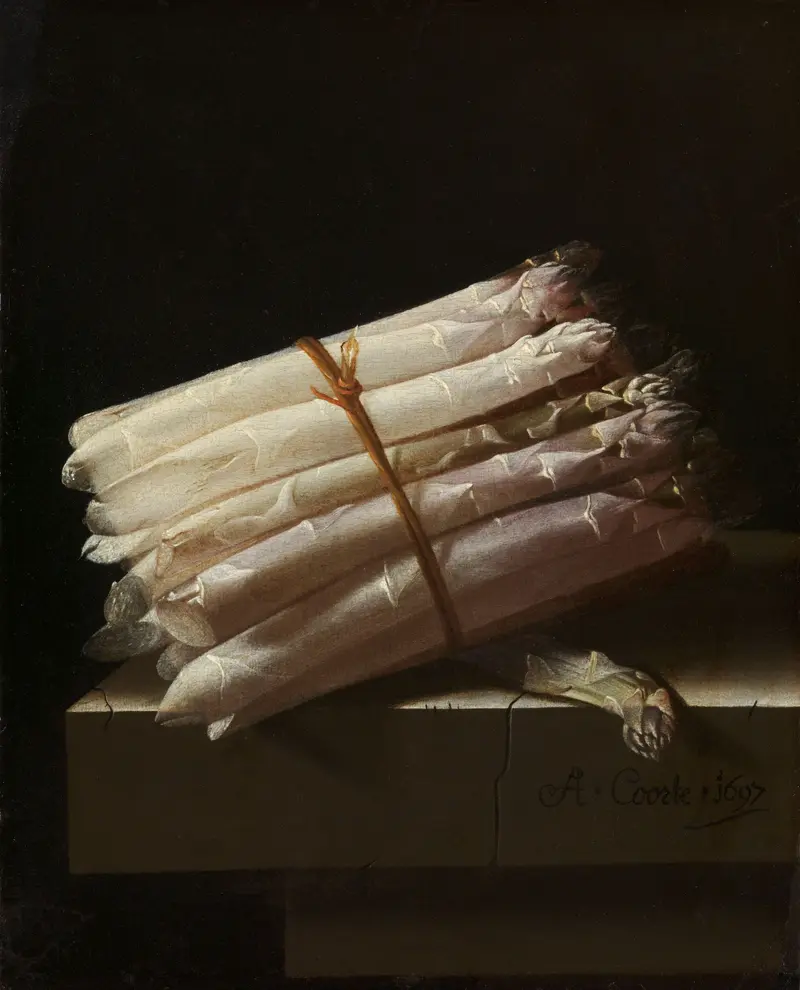
Still Life with Asparagus
Adriaen Coorte
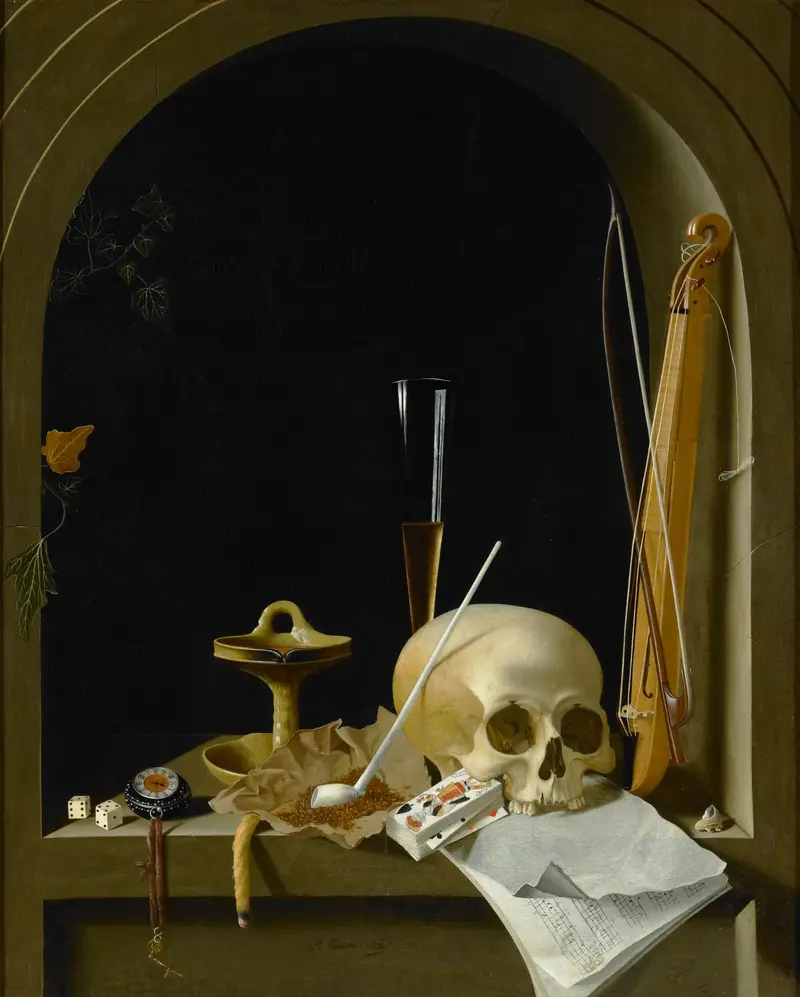
Vanitas still life in a niche
Adriaen Coorte
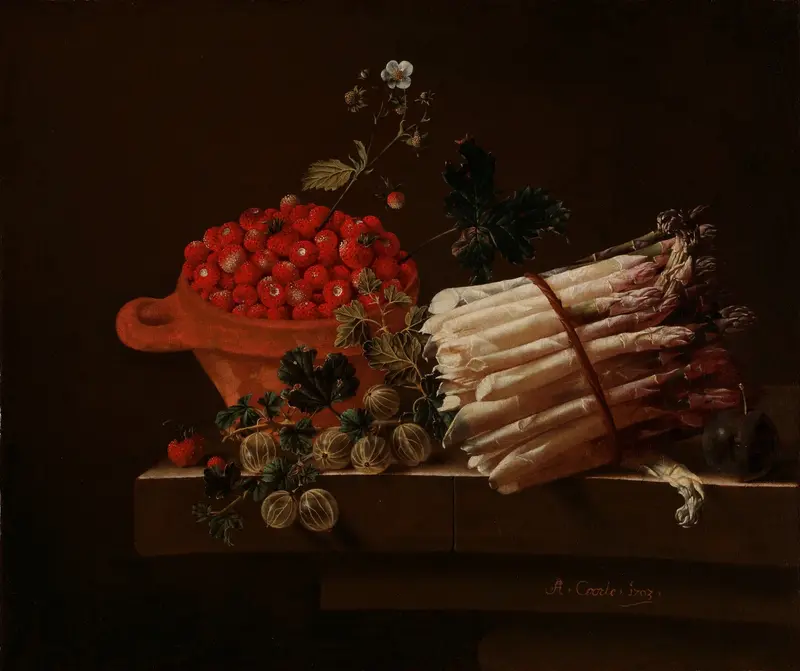
A Pot of Strawberries, Gooseberries, and a Bundle of Asparagus on a Stone Plinth
Adriaen Coorte
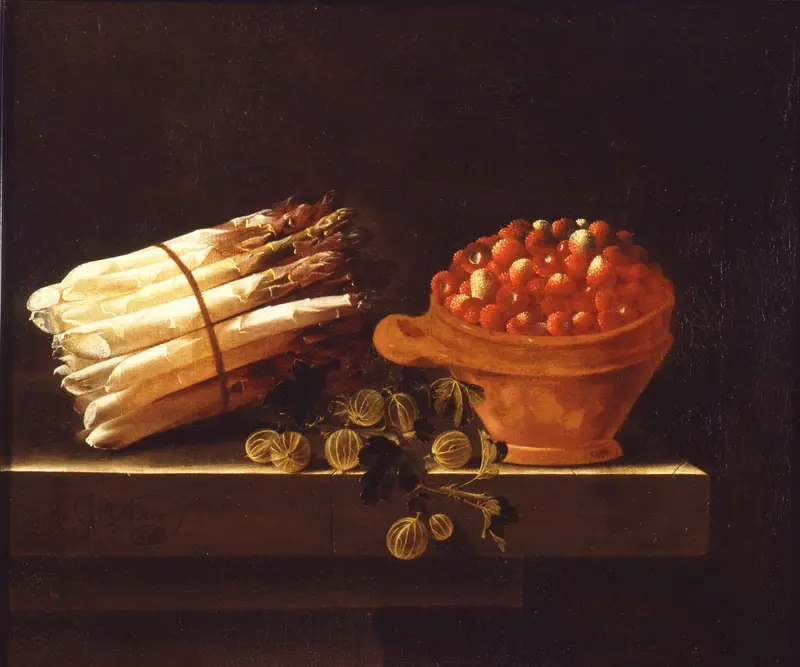
Asparagus, Gooseberries and Strawberries on a Stone Ledge
Adriaen Coorte
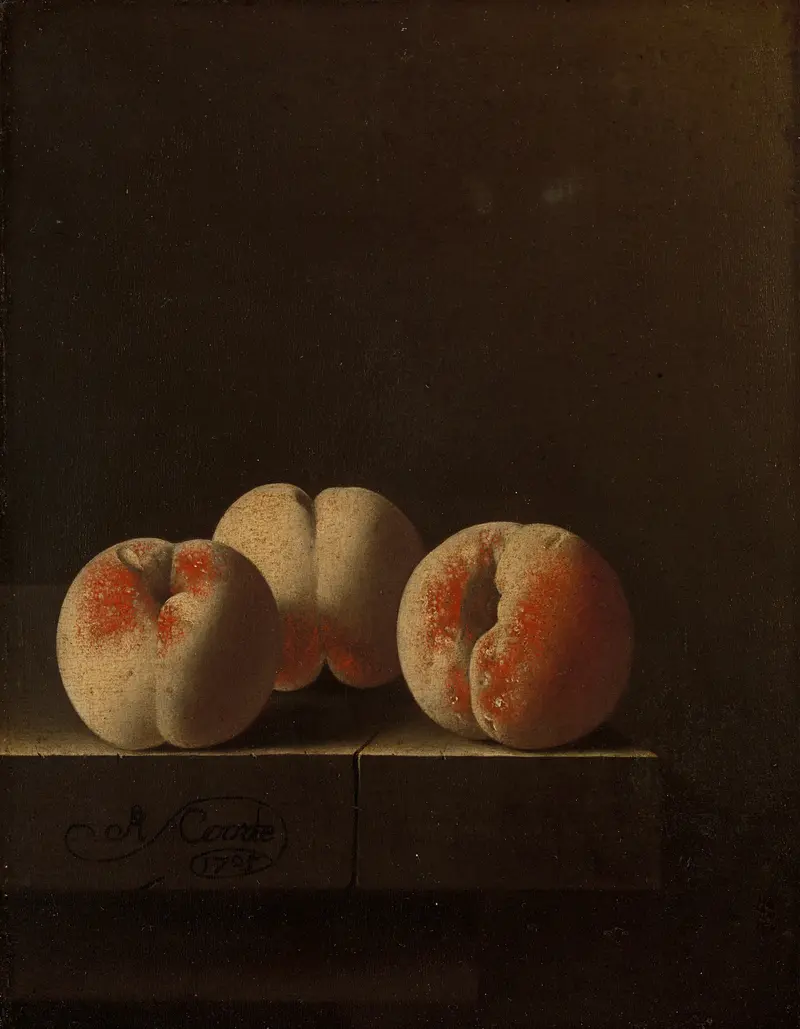
Drie perziken op een stenen plint SK A 5101 Rijksmuseum
Adriaen Coorte
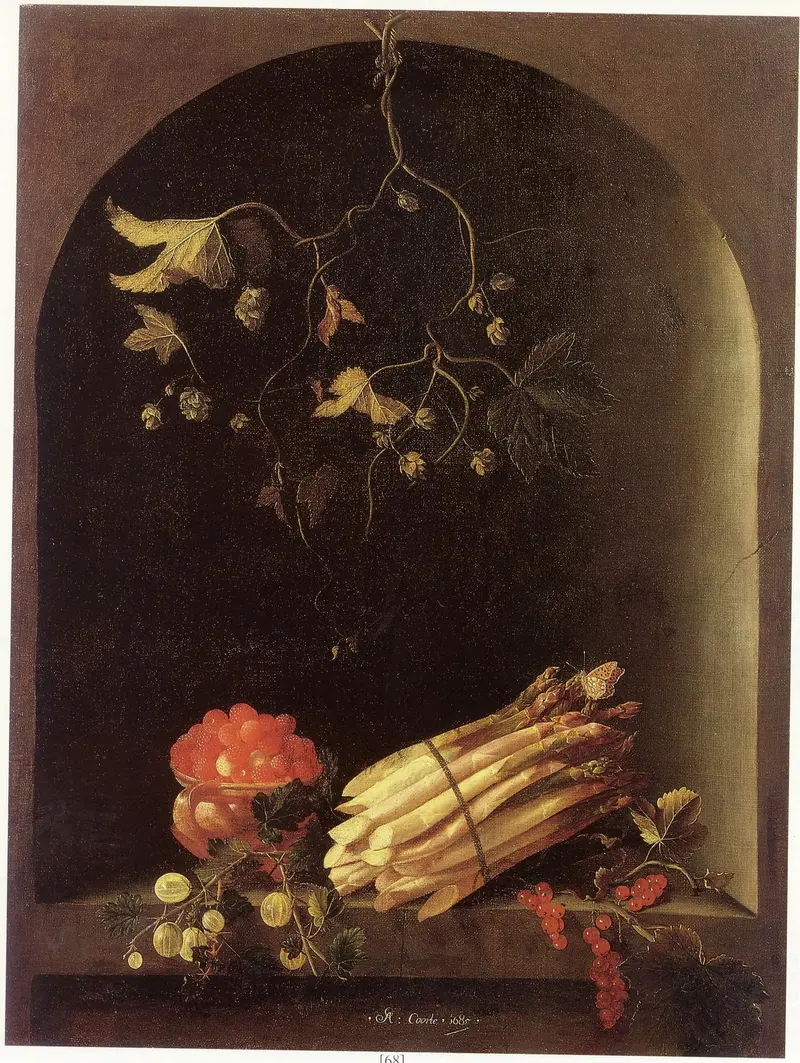
Strawberries, Asparagus, and Gooseberries in a Niche
Adriaen Coorte
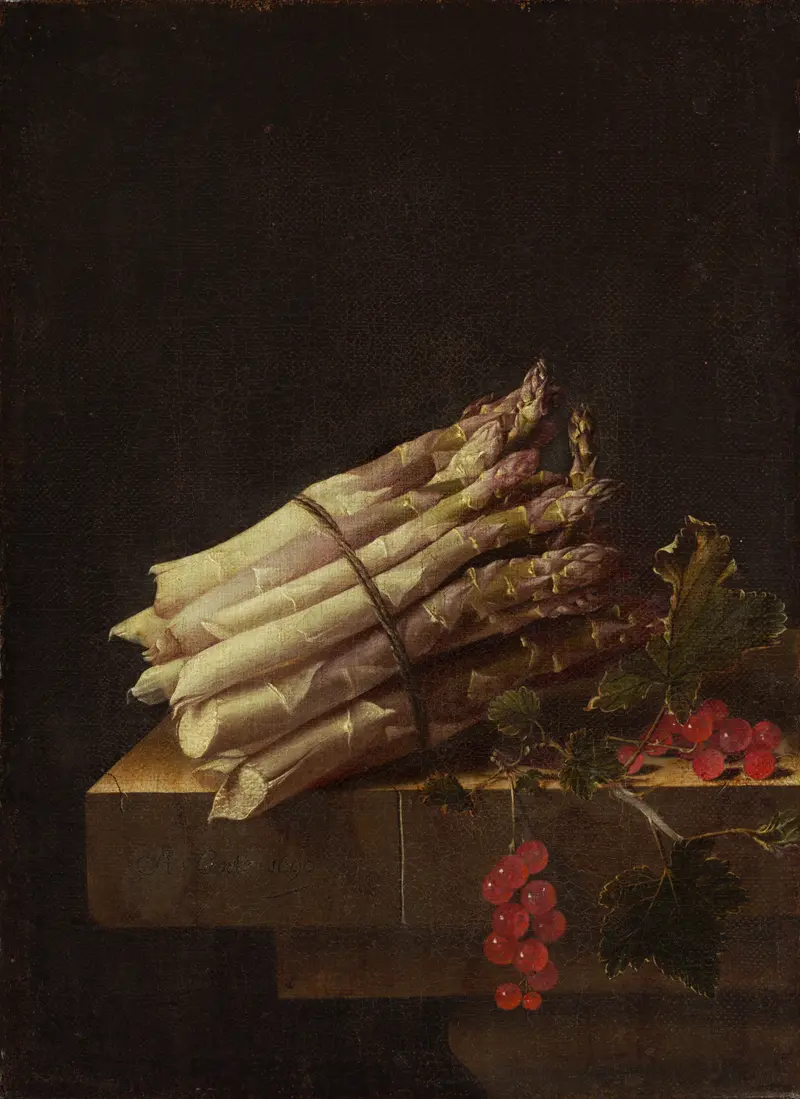
Still Life with Asparagus and Red Currants
Adriaen Coorte
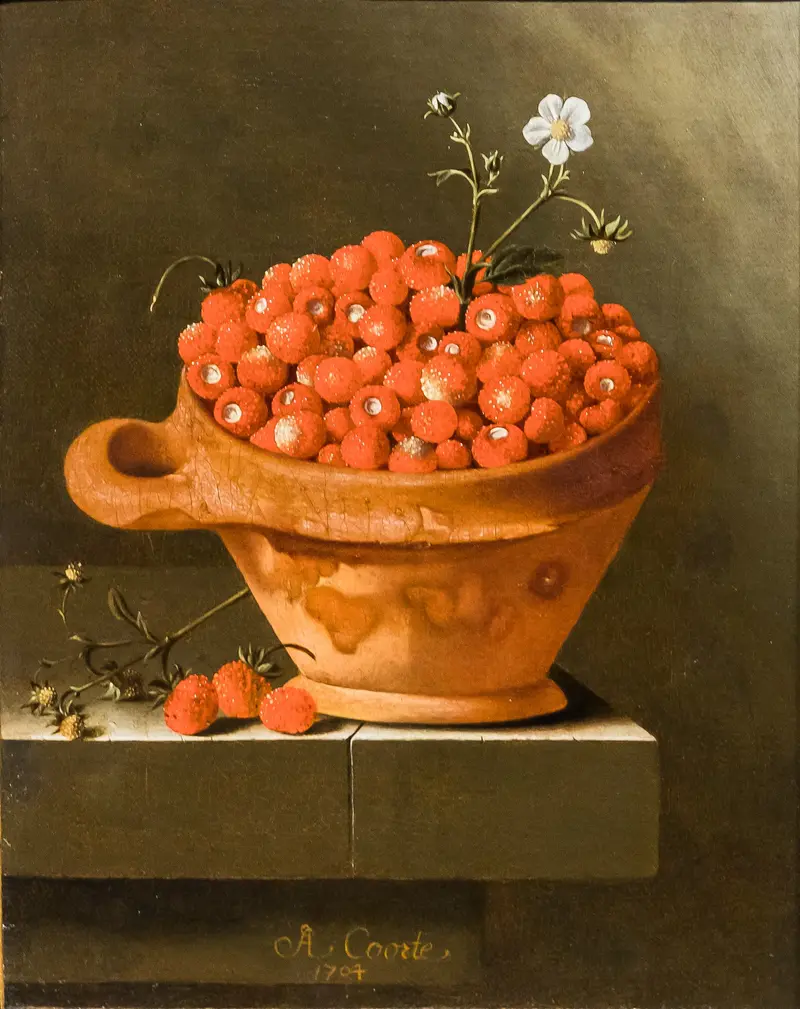
Still life with strawberries in a terracotta pot
Adriaen Coorte
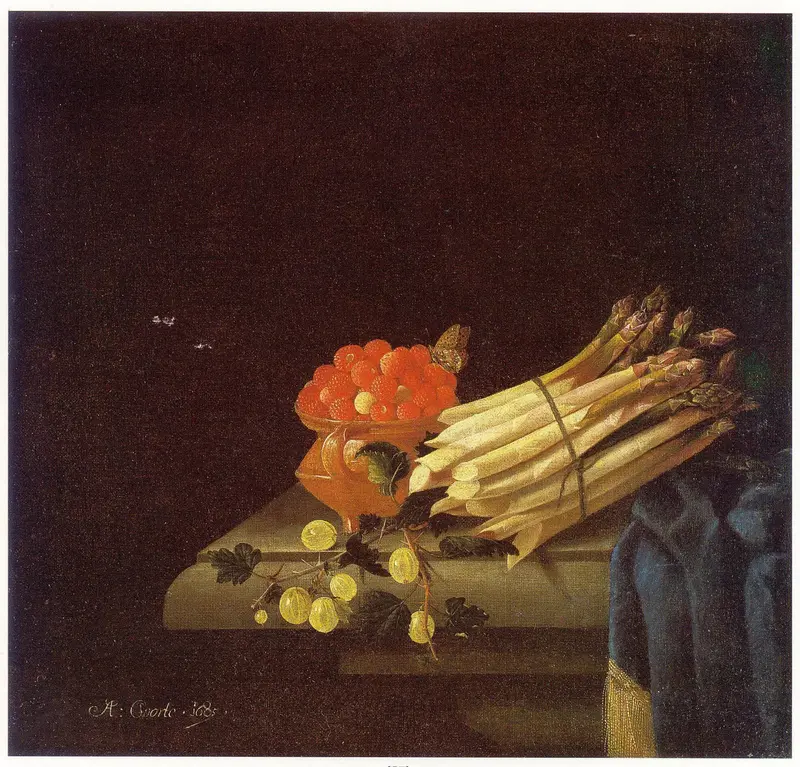
Strawberries, Asparagus, and Gooseberries with a Tablecloth
Adriaen Coorte
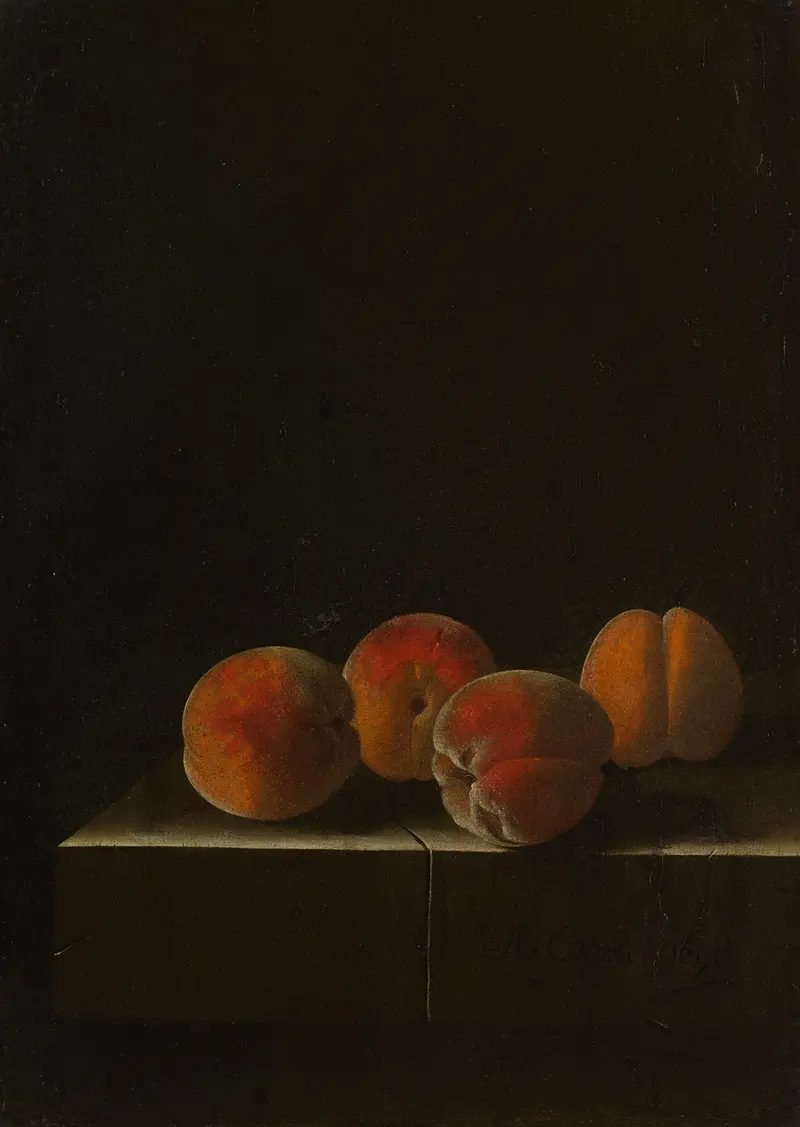
Four Apricots on a Stone Plinth
Adriaen Coorte





