
Stoke-by-Nayland — History & Facts
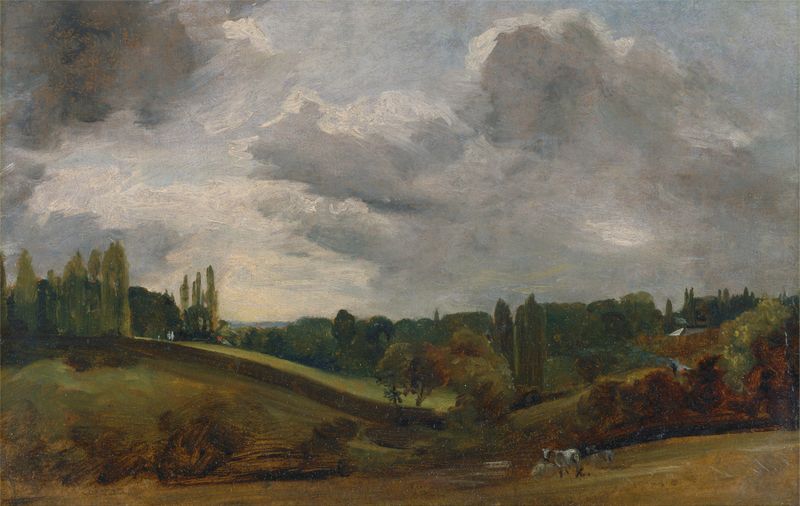
In the stillness of nature, a quiet dialogue emerges, inviting us to listen closely to the whispers of life. Look to the foreground of Stoke-by-Nayland, where a placid river meanders through lush, verdant fields. The gentle curves of the water reflect a complex interplay of soft greens and warm browns, inviting your gaze to follow the flowing surface. Notice how the light dances upon the water, illuminating the delicate textures of the waves and casting playful shadows that hint at the time of day.
Constable’s masterful brushwork blends realism with romanticism, as he captures a fleeting moment in a landscape alive with possibility. Yet, beneath this serene façade lies a deeper emotional narrative. The expansive skies, laden with soft clouds drifting lazily, evoke a sense of longing and contemplation. The lush, yet slightly overgrown pastures suggest both abundance and neglect, perhaps reflecting the tension between nature's beauty and the impermanence of human endeavor.
In these subtle contrasts, we find an invitation to ponder the cycles of life and the silence that often accompanies reflection. In 1836, Constable painted this scene amidst a time of personal struggle and profound artistic evolution. Having faced both the loss of loved ones and challenges in the art world, he found solace in the landscapes of his youth. This period marked a transitional phase in his career, as he sought to elevate his work beyond mere representation, striving to capture the emotive essence of the rural English countryside.
More Artworks by John Constable
Browse all →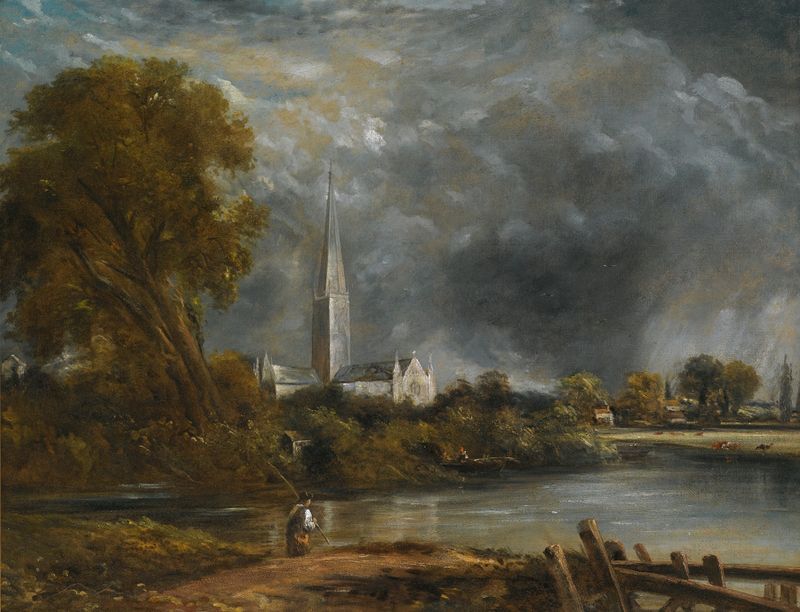
Salisbury Cathedral From The Meadows
John Constable
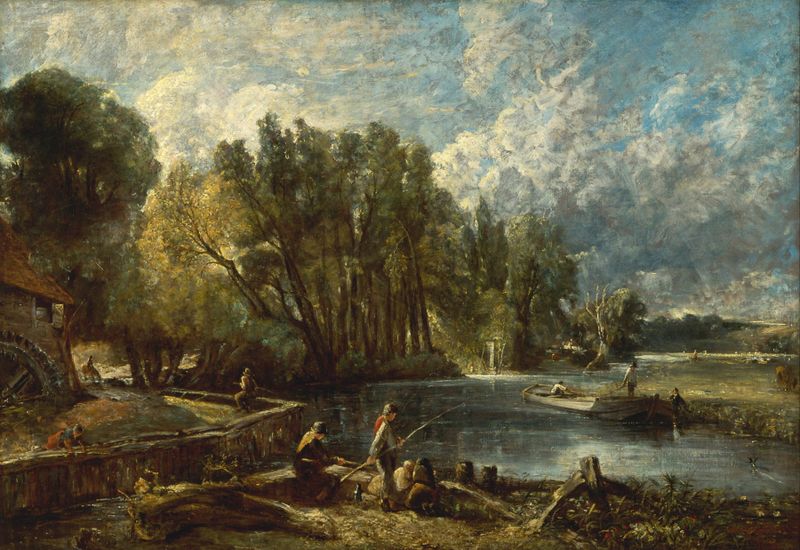
Stratford Mill
John Constable
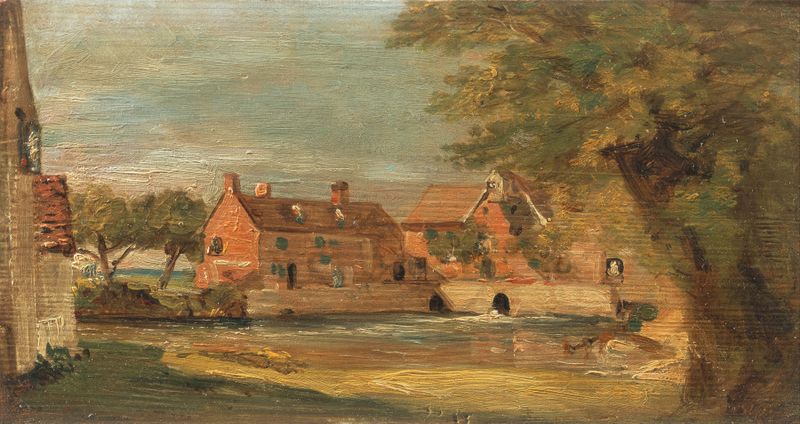
Flatford Mill
John Constable
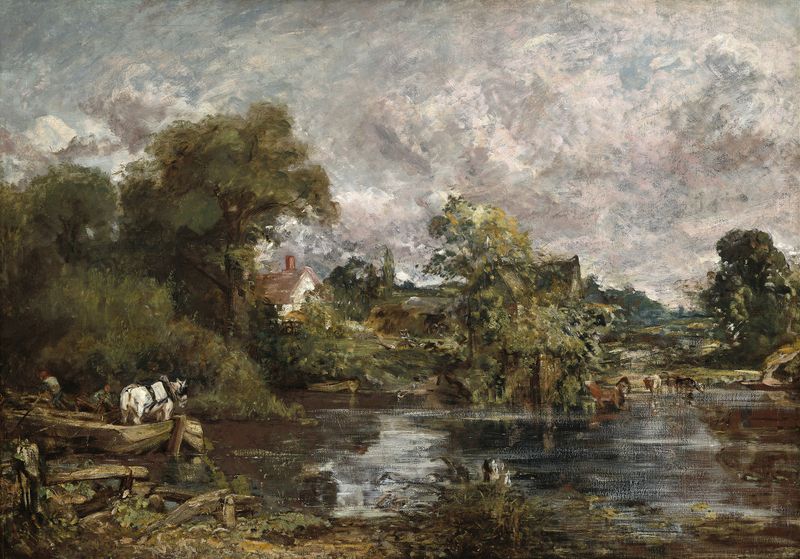
The White Horse
John Constable
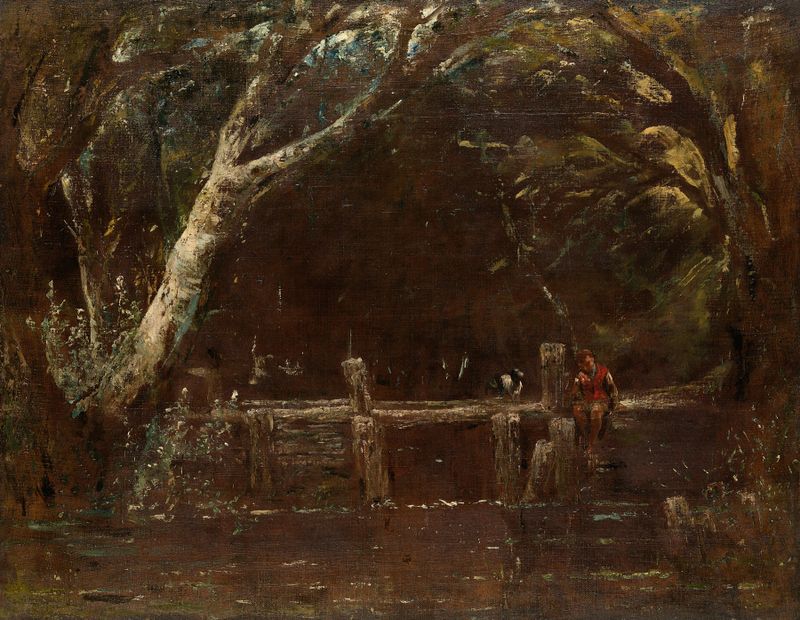
Landscape (The Lock)
John Constable
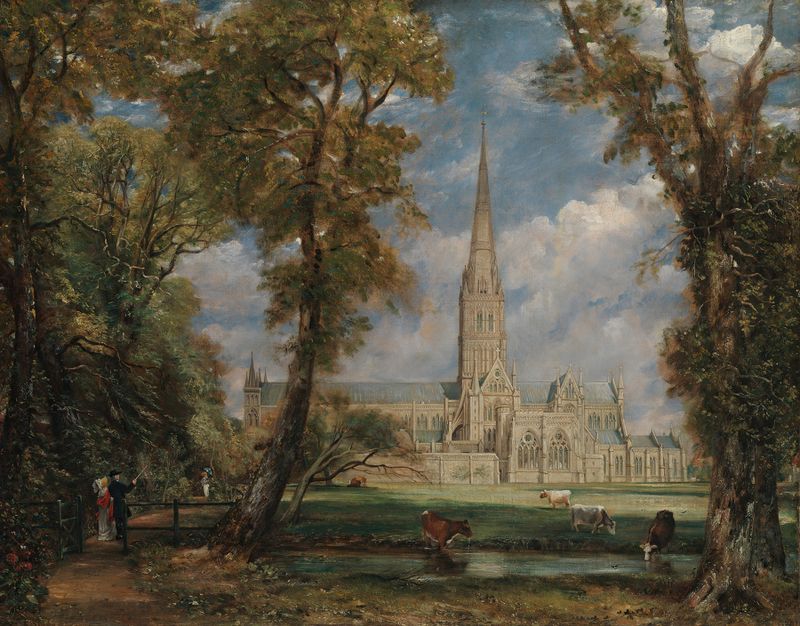
Salisbury Cathedral from the Bishop’s Grounds
John Constable
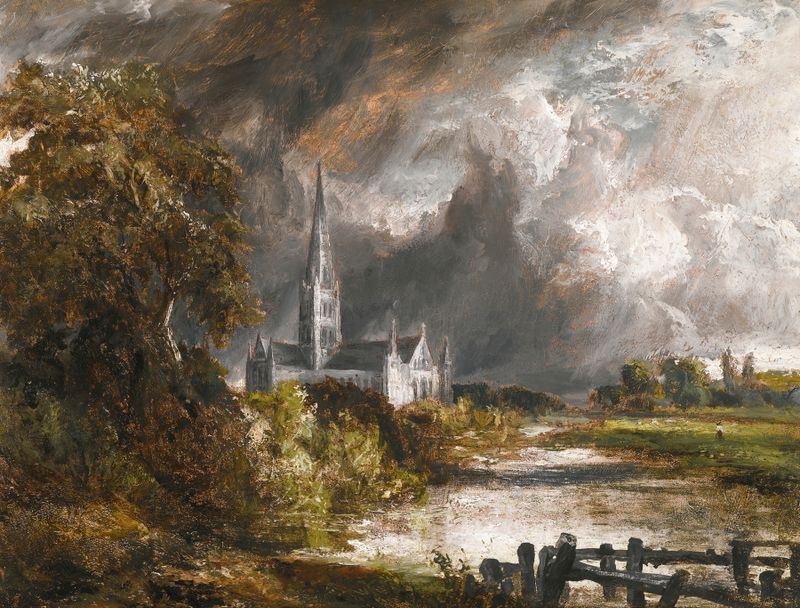
Salisbury Cathedral From The Meadows
John Constable
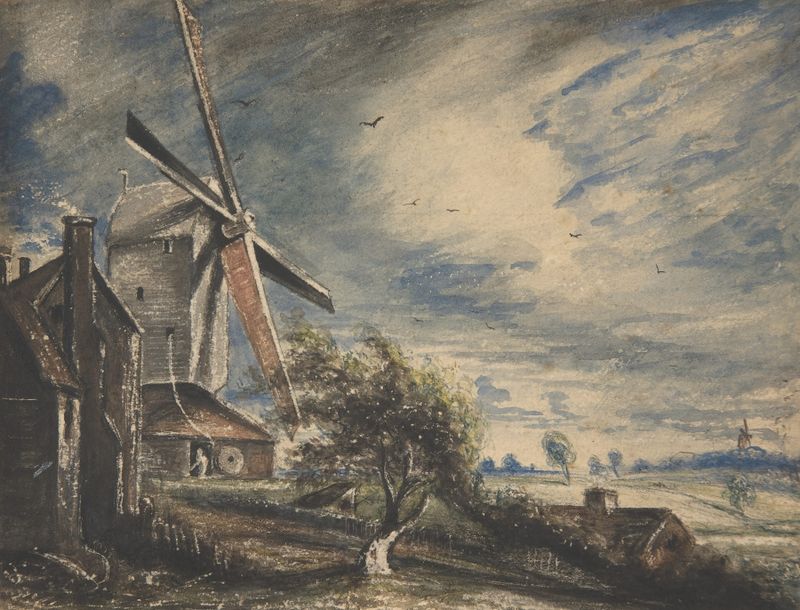
A Mill Near Colchester
John Constable
East Bergholt
John Constable

Flatford Mill
John Constable





