
Stonehenge at Sunset — History & Facts
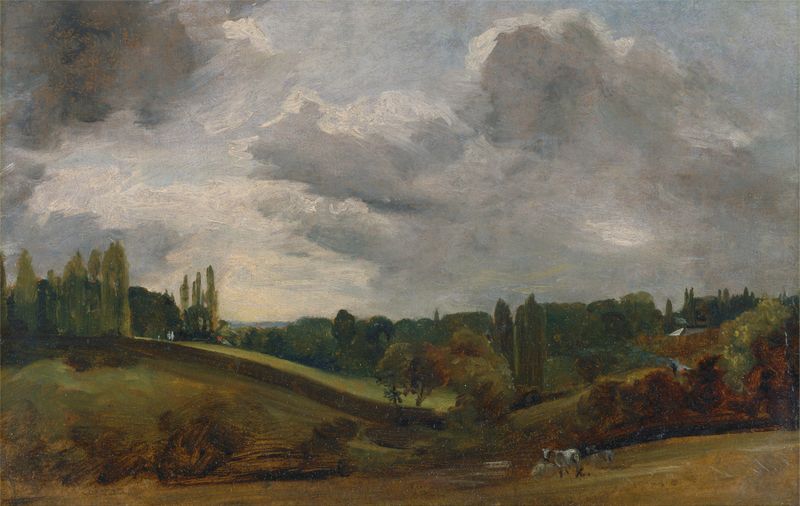
Who listens when art speaks of silence? In Stonehenge at Sunset, a moment captured by Constable invites contemplation, revealing the subtle interplay between light and ancient stone. The painting whispers of things unsaid, beckoning viewers to ponder the mysteries that linger in the air, echoing through time. Look to the horizon first, where the sun dips low, casting a warm golden glow across the weathered stones of Stonehenge. The vibrant oranges and soft purples blend seamlessly, creating a gradient that embodies the day's slow farewell.
Notice how the light plays on the rough textures of the ancient stones, accentuating their monumental presence while simultaneously softening their edges, as if the sun itself is cradling their stoic forms. Hidden within this serene composition lies a tension between eternity and transience. The lingering light suggests warmth and life, yet it also heralds the encroaching night, hinting at the passage of time. This duality evokes a sense of both solace and melancholy, as the viewer grapples with the inevitability of fading daylight, mirroring the fleeting nature of existence itself. Constable painted this piece in the early 19th century, a time of great change in Britain, as industrialization began to reshape the landscape and society.
His commitment to capturing the beauty of nature reflects a broader Romantic movement, which sought to elevate emotion and spirituality in art. This work encapsulates his ongoing exploration of light and atmosphere, aligning with his desire to convey deeper truths through the natural world.
More Artworks by John Constable
Browse all →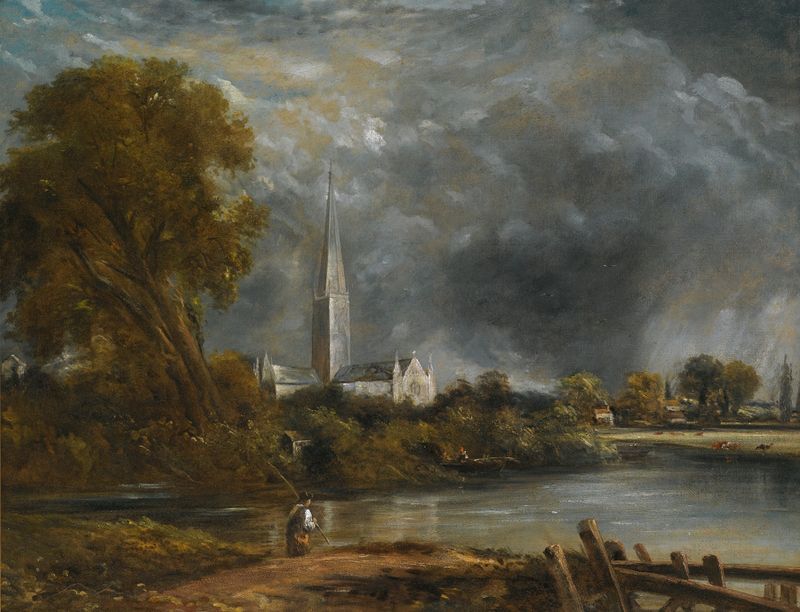
Salisbury Cathedral From The Meadows
John Constable
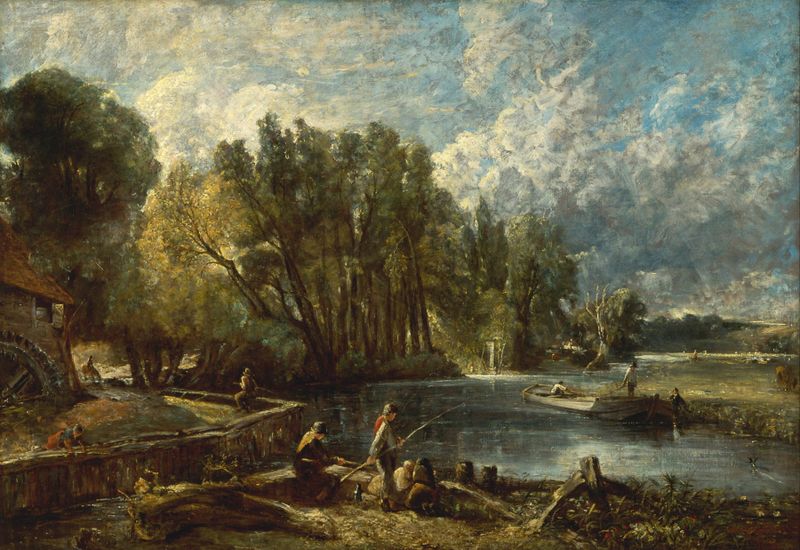
Stratford Mill
John Constable
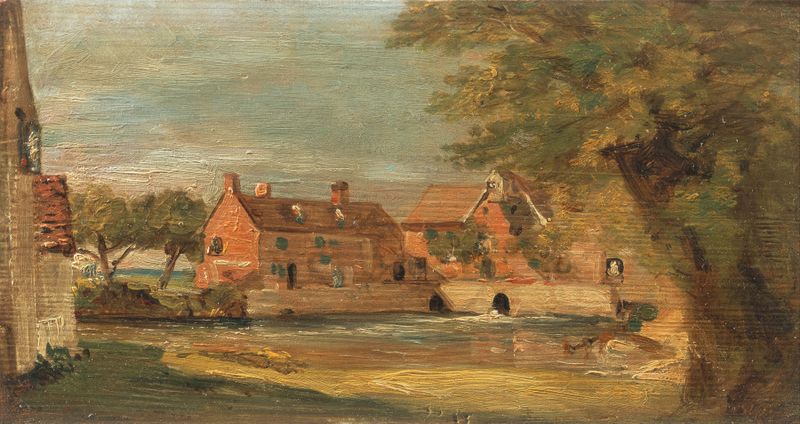
Flatford Mill
John Constable
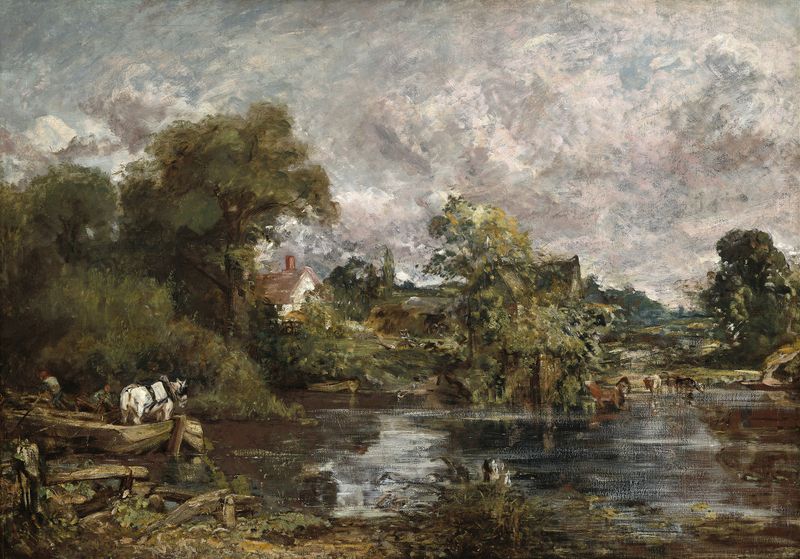
The White Horse
John Constable
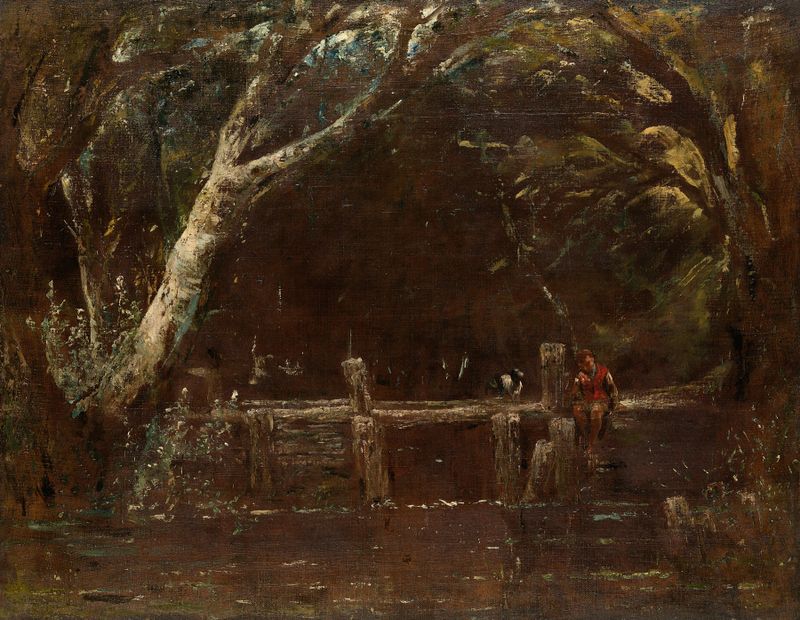
Landscape (The Lock)
John Constable
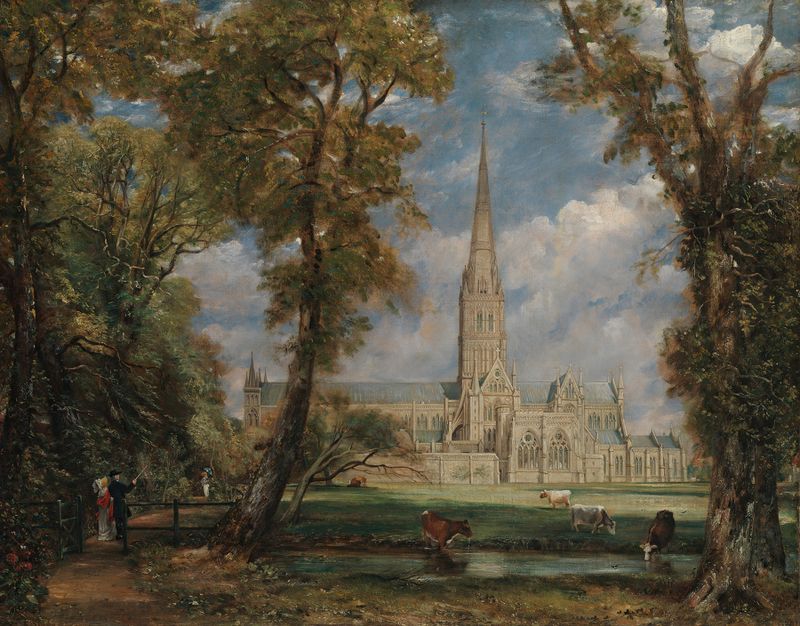
Salisbury Cathedral from the Bishop’s Grounds
John Constable
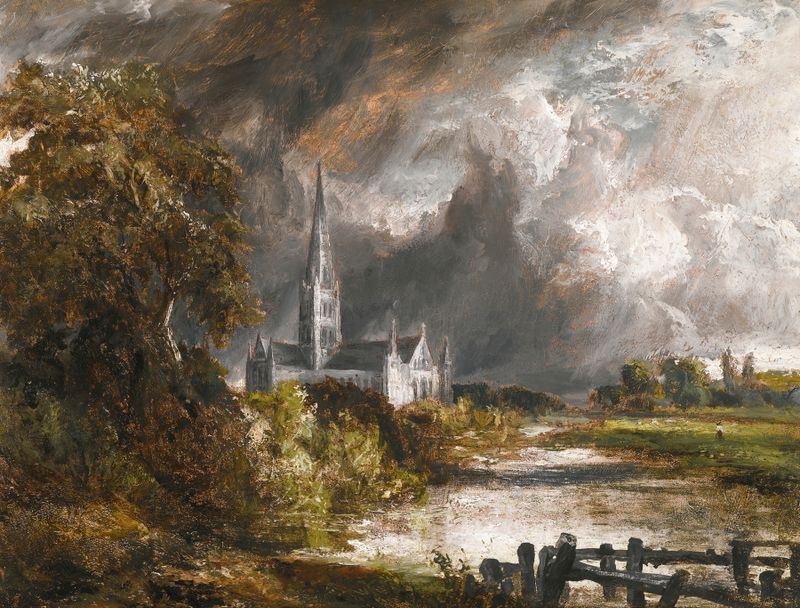
Salisbury Cathedral From The Meadows
John Constable
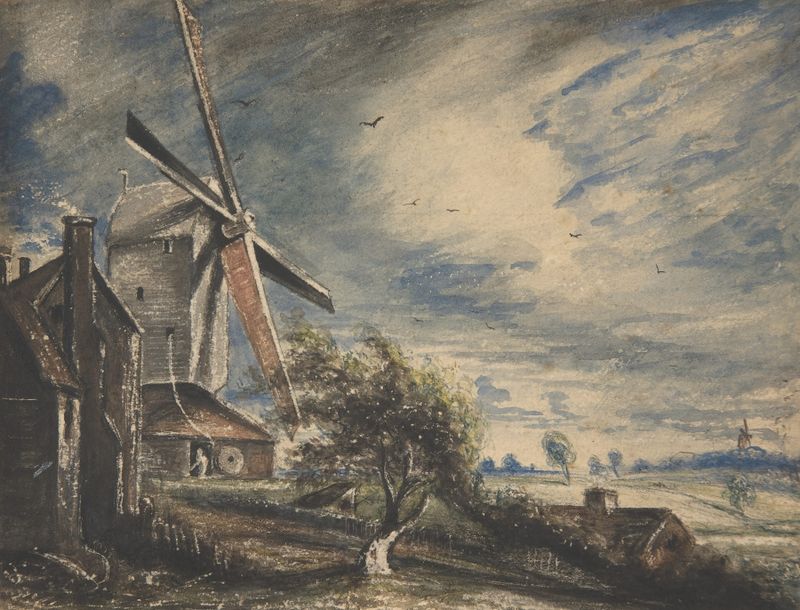
A Mill Near Colchester
John Constable
East Bergholt
John Constable

Flatford Mill
John Constable





