
Stonehenge – Twilight — History & Facts
This haunting sentiment captures the essence of our connection to the past and the echoes of longing that resonate through the ages. Look closely at the interplay of twilight hues that envelop the ancient stones in a soft, ethereal glow. The cool blues and purples bleed into warm oranges, creating a dreamlike atmosphere that invites quiet contemplation. Notice how the uneven silhouettes of the stone monoliths rise against the fading light, each one casting elongated shadows that stretch across the canvas, suggesting the passage of time and the weight of history. In this piece, the contrast between the solidity of the stone structures and the ephemeral quality of twilight evokes a poignant sense of nostalgia.
The fading light symbolizes the inevitable march toward darkness, hinting at the transient nature of existence. The viewer is left with a bittersweet yearning, a gentle reminder of what once was and what remains elusive. Around 1840, this work emerged from the creative mind of its artist while he was immersed in the romanticism of the English landscape. Living in Oxford, he explored themes of memory and history through his paintings, portraying iconic locations infused with emotional depth.
This period was marked by a burgeoning interest in the sublime, as artists sought to capture fleeting moments that reflect human experience—a fitting background for Stonehenge – Twilight as it merges the ancient with the ephemeral.
More Artworks by William Turner of Oxford
Browse all →
Shepherd Boy on a Hillside
William Turner of Oxford

Oxford from Hinksey Hill
William Turner of Oxford
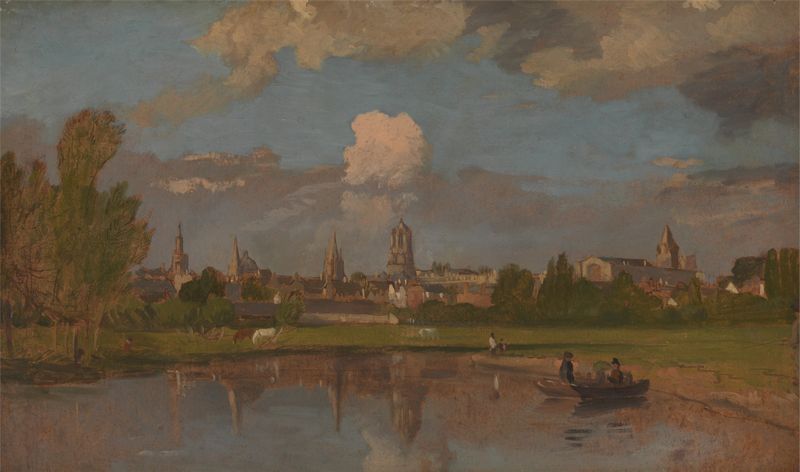
Oxford from the River with Christ Church in the Foreground
William Turner of Oxford
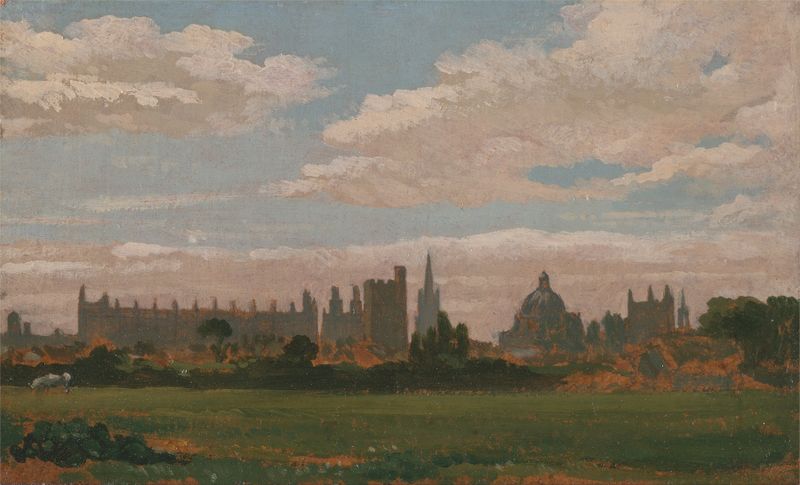
A View of Oxford
William Turner of Oxford

Extensive Landscape with a Pond
William Turner of Oxford
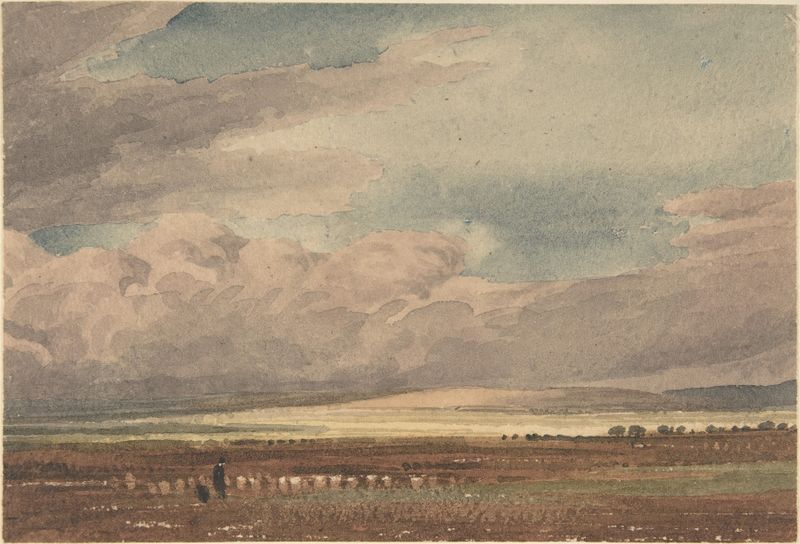
Salisbury Plain with Old Sarum in the Distance, Wiltshire
William Turner of Oxford
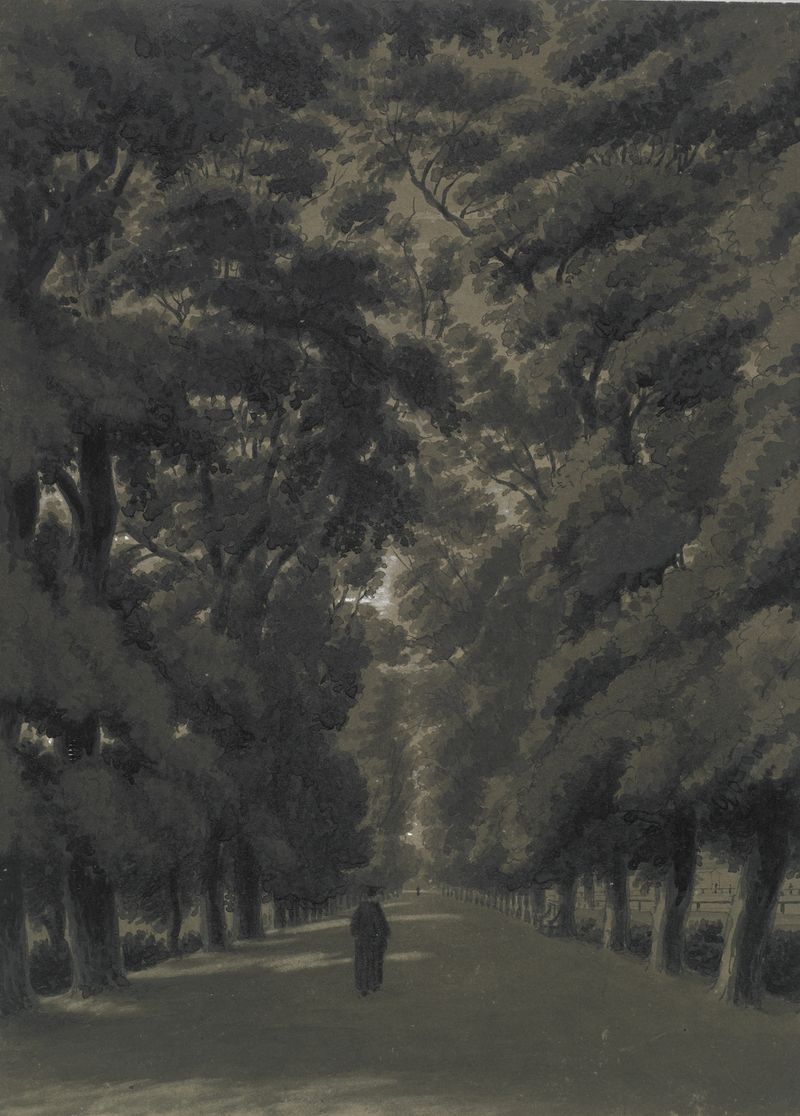
The Broadwalk, Oxford
William Turner of Oxford
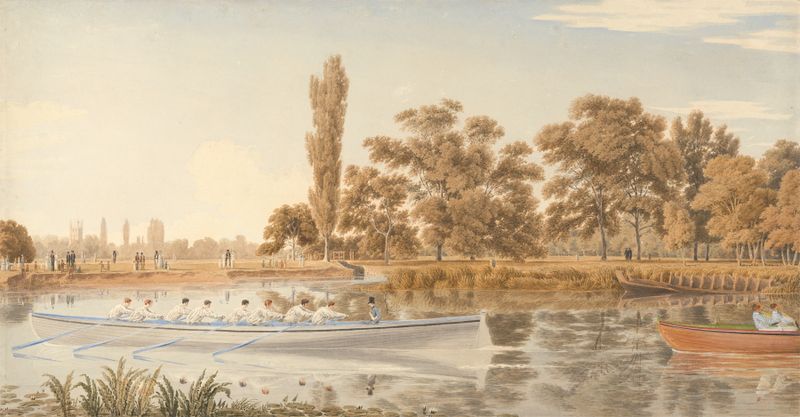
The Exeter College Eight on the Isis, Oxford
William Turner of Oxford

A View from Moel Cynwich; Looking Over the Vale of Afon Mawddach and Toward Cader Idris
William Turner of Oxford
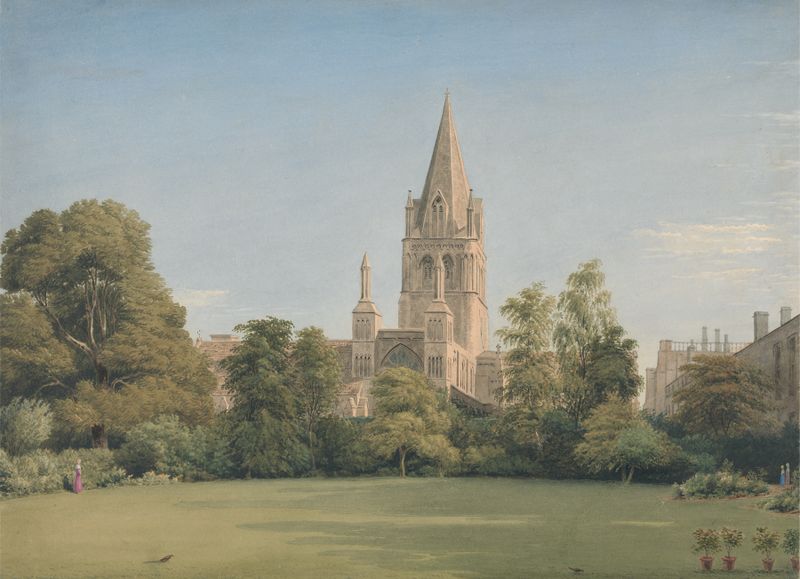
View from the Dean’s Garden, Christ Church, Oxford
William Turner of Oxford





