
Storm at the pier — History & Facts
What if beauty was never meant to be finished? In Storm at the Pier, the tumultuous interplay of nature and human endeavor poses this very question, inviting viewers to ponder the fragile, unending cycle of creation and destruction. Look to the left where the dark, churning waves crash against the rugged pier, sending plumes of white foam into the air. The artist deftly captures the turbulent sky, dense with brooding clouds that echo the chaos below. Notice how the interplay of deep blues and grays creates an atmosphere thick with tension, while flashes of light break through the darkness, illuminating the battered boats clinging to the pier.
Achenbach's meticulous brushwork conveys motion, drawing the eye to the dramatic contrast between man-made structures and the raw, overwhelming force of nature. Within this chaotic scene lies a deeper narrative: the struggle between human ambition and the untameable power of the natural world. The pier, a symbol of human ingenuity, stands defiantly against the approaching storm, yet it is dwarfed by the relentless waves. The boats, too, represent vulnerability amidst the turmoil, evoking a profound sense of isolation.
This emotional tension sharpens the viewer's awareness of humanity's place within the vast, unpredictable landscape. In 1877, while living in Düsseldorf, Achenbach was immersed in the Romantic movement, which celebrated nature's grandeur and unpredictability. This period saw a growing appreciation for landscape painting as a genre, and Achenbach's work reflected contemporary responses to both the Industrial Revolution and the sublime power of nature. Storm at the Pier exemplifies his ability to blend realism with a sense of wonder, capturing the essence of a world in flux.
More Artworks by Andreas Achenbach
Browse all →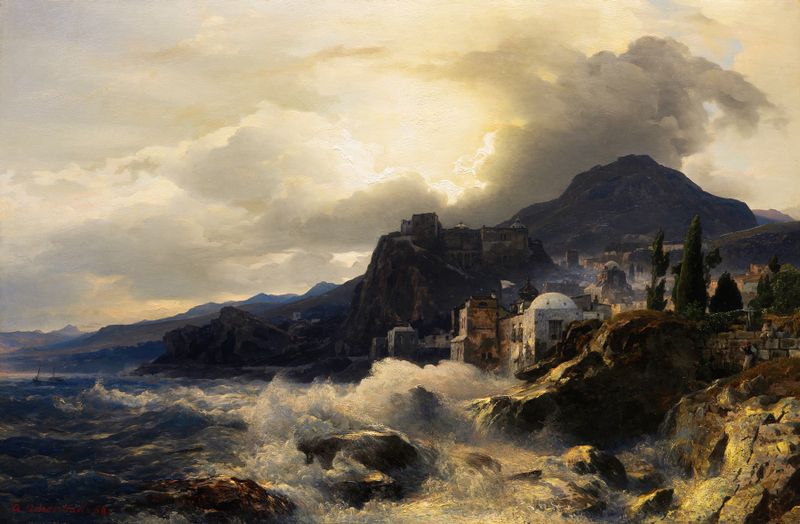
Abendstimmung an der griechischen Küste
Andreas Achenbach

Fischerboote bei stürmischer See
Andreas Achenbach

Segelschiffe an einer stürmischen Küste
Andreas Achenbach
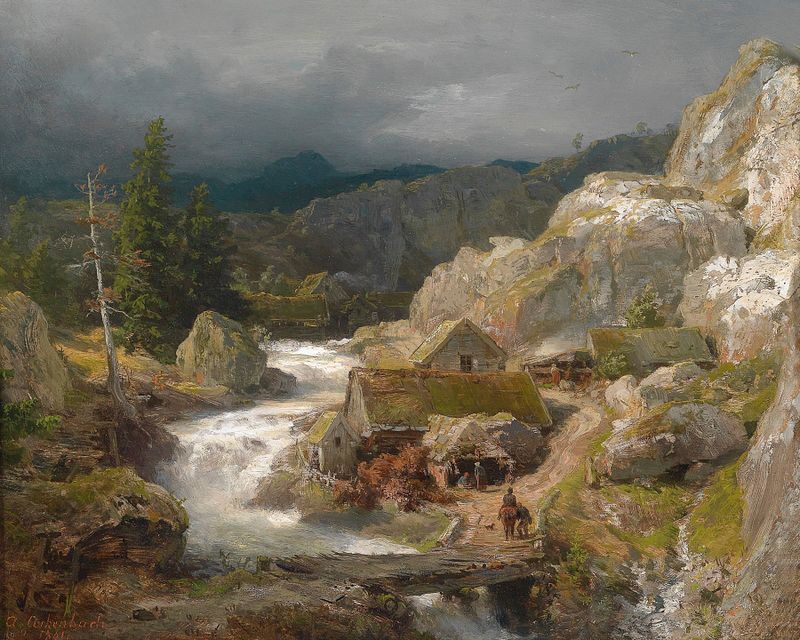
Mühle am Gebirgsbach
Andreas Achenbach

Stürmische Brandung an der Mole
Andreas Achenbach

Küstenlandschaft mit Fischern und Segelschiffen in der Ferne
Andreas Achenbach
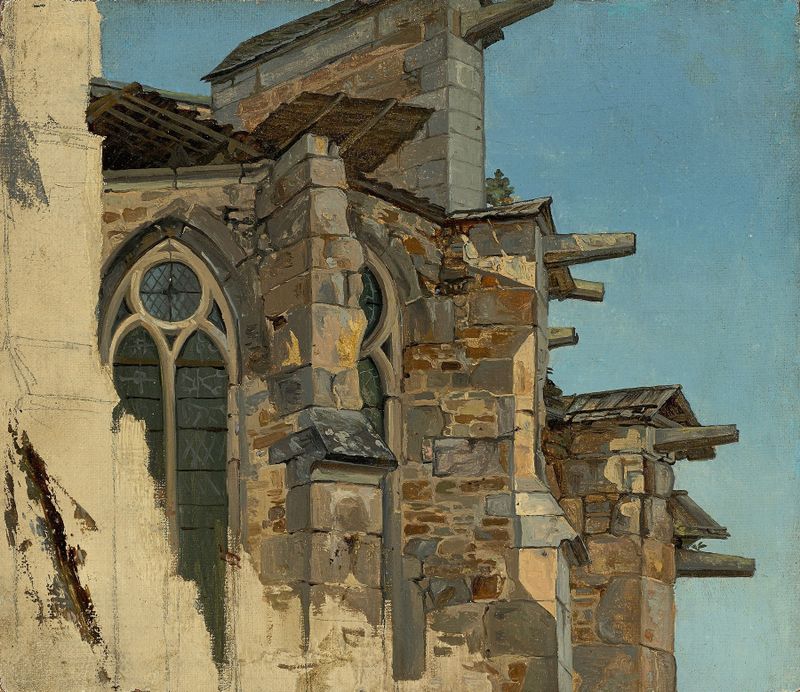
Der Altenberger Dom
Andreas Achenbach
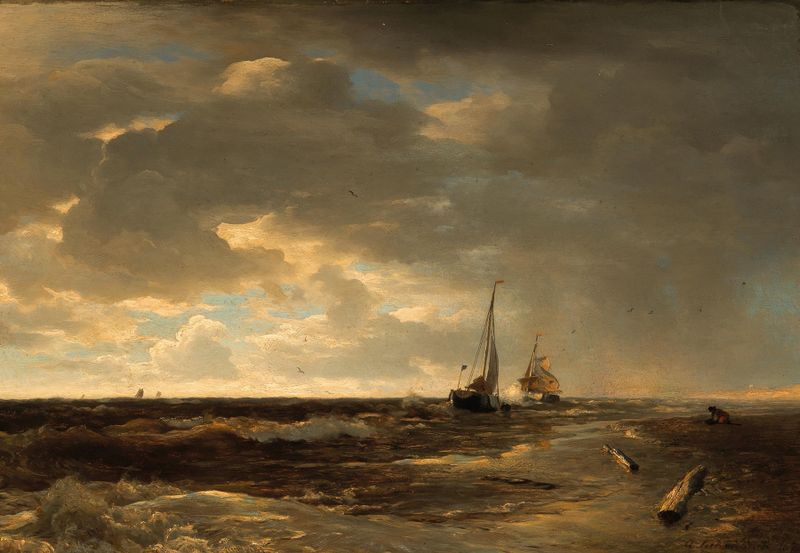
Fishing Boats on a Choppy Sea
Andreas Achenbach

Storm at Sea off the Norwegian Coast
Andreas Achenbach
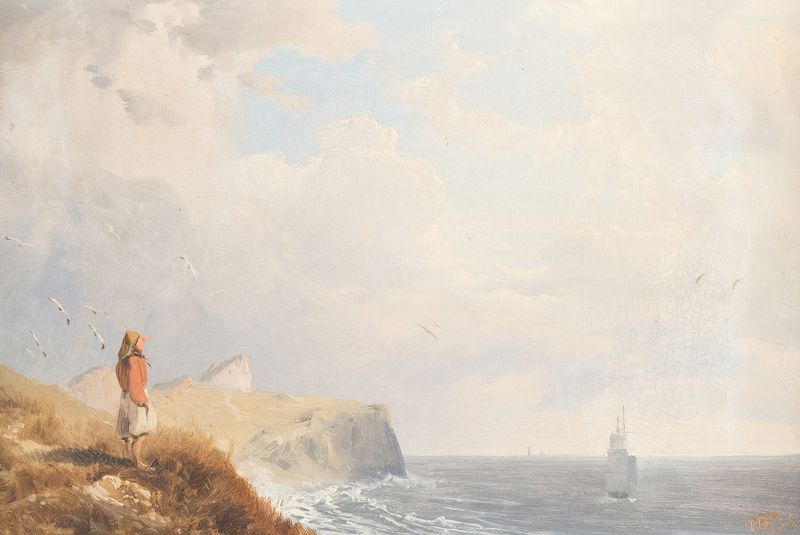
At the Baltic coast
Andreas Achenbach





