
Straßenkampf am 7. April 1945 vor den zerstörten Naschmarktbuden — History & Facts
Look to the left, where fragmented structures loom like ghosts of a vibrant past. The stark contrasts between the dark, charred remnants of the market stalls and the muted yet poignant colors evoke a feeling of sorrow and resilience. The delicate brushstrokes, layered with earthy tones, highlight the devastation while hinting at the enduring spirit of the community that once thrived here.
This interplay of light and shadow creates an atmosphere thick with tension, urging the viewer to confront the remnants of a life interrupted. As the eye wanders across the canvas, notice the subtle details: a fallen sign that once heralded joyful gatherings, the fluttering remnants of faded fabric, and the scattered debris that tells stories of both loss and survival. These elements speak to a duality—one of despair and a glimmer of hope, suggesting the possibility of rebirth amidst ruin. Each stroke and color choice draws us into a narrative that questions the permanence of destruction and the resilience of memory. In 1946, Karl Hornstein bore witness to a world ravaged by conflict, creating this powerful piece in post-war Vienna.
Having experienced the trauma of the Second World War firsthand, the artist sought to capture the profound scars left on both the city and its people. This work reflects not only a personal narrative but also a collective memory of a society grappling with the aftermath of its shattered existence, aiming to reclaim its identity through art.
More Artworks by Unknown Artist

The Ideal City
Unknown Artist

Ridder, Dood en Duivel
Unknown Artist

Shiva Nataraja
Unknown Artist
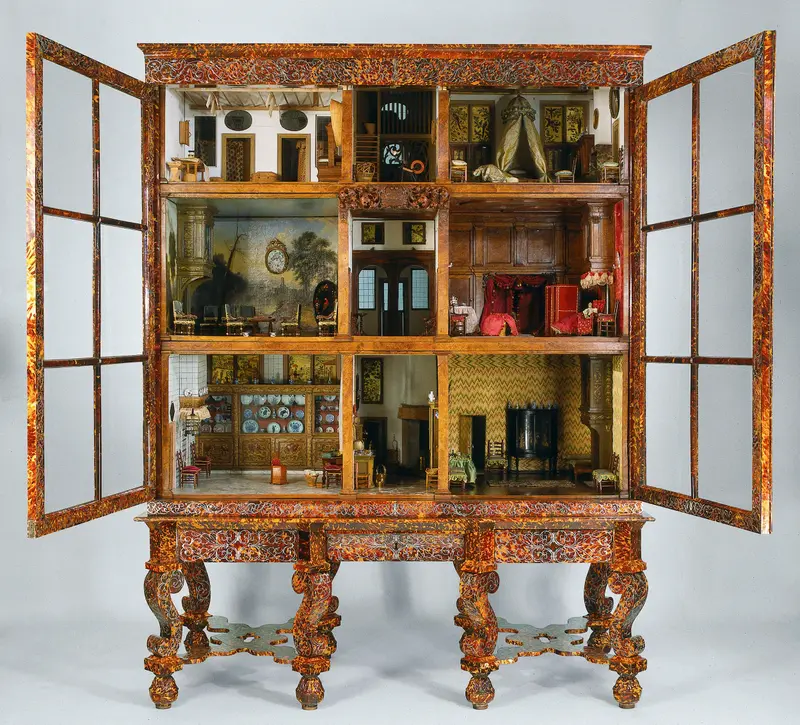
Dolls’ house of Petronella Oortman
Unknown Artist
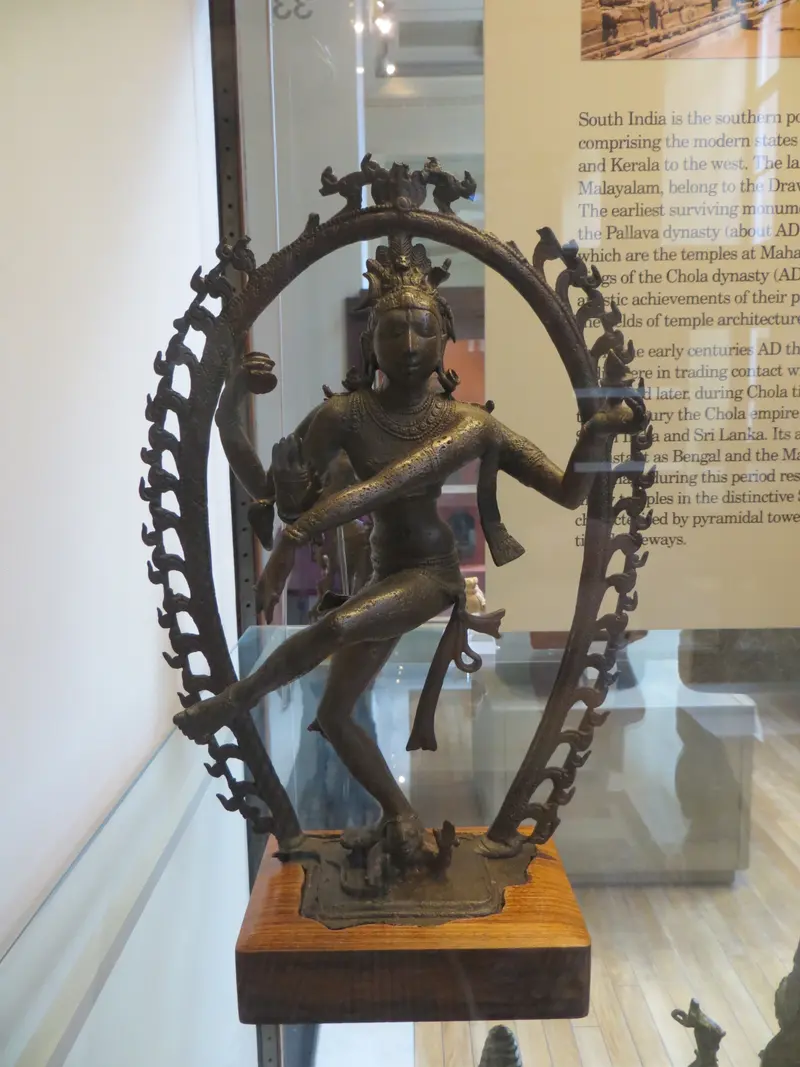
Shiva Nataraja
Unknown Artist
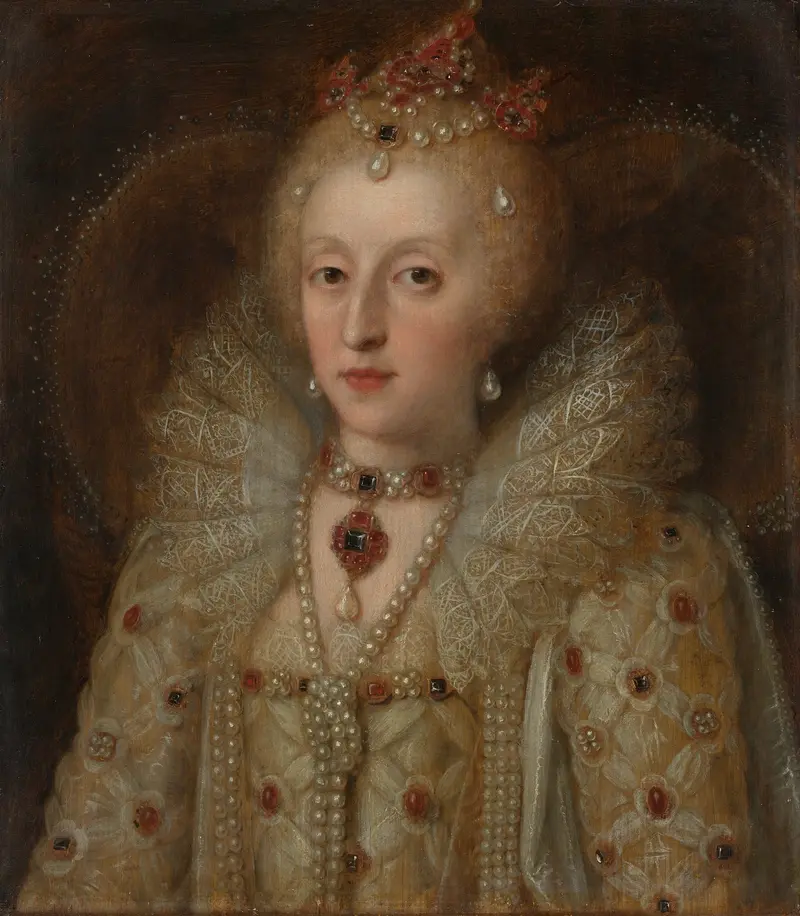
Portrait of Elizabeth I, Queen of England
Unknown Artist
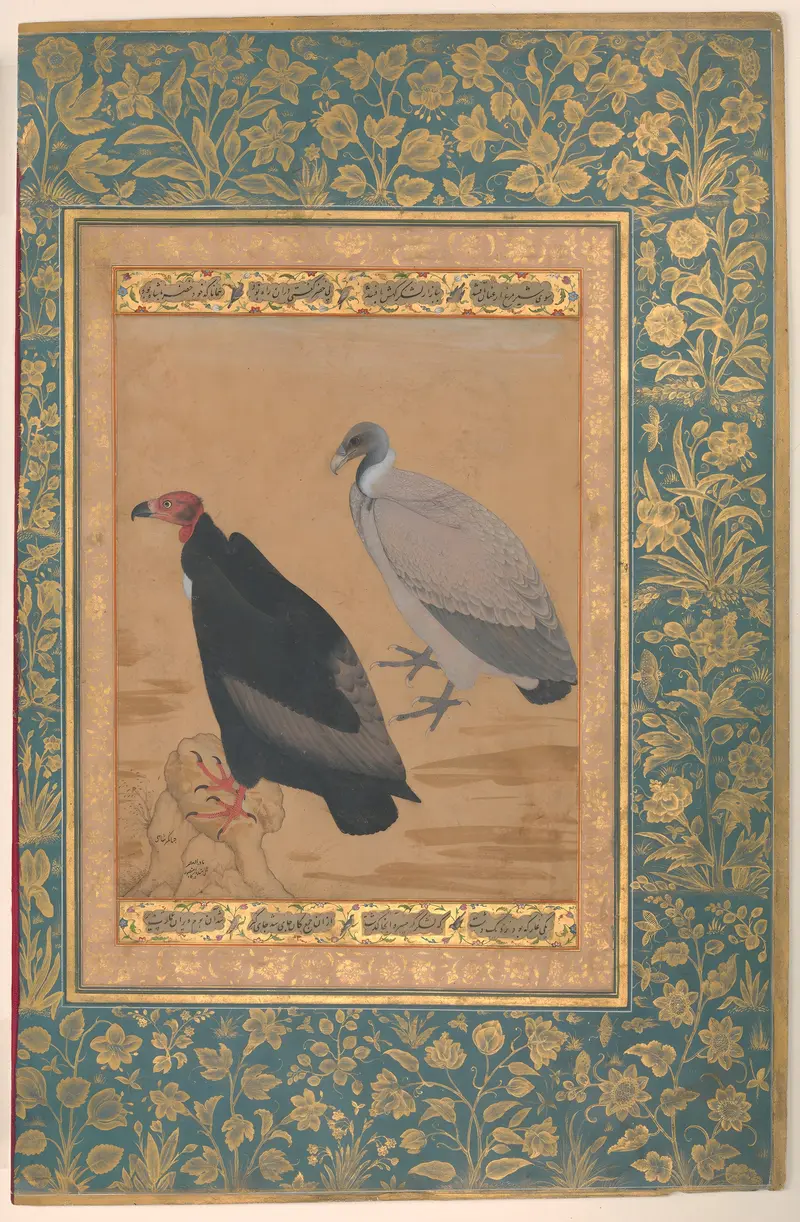
"Red-Headed Vulture and Long-Billed Vulture", Folio from the Shah Jahan Album
Unknown Artist

The Tale of Genji
Unknown Artist
Cong
Unknown Artist
The Tale of Genji
Unknown Artist





