
Strathearn — History & Facts
Could beauty survive in a century of chaos? In a world fractured by conflict, David Young Cameron’s Strathearn invites us to contemplate the enduring legacy of nature amidst disarray. Look to the foreground where lush greenery stretches across the canvas, vibrant and alive. The artist’s brushstrokes create an intricate tapestry of textures, from the soft sweep of grass to the detailed leaves that dance in the gentle breeze. Notice how the light falls upon the hills in the distance, casting shadows that evoke a sense of depth and tranquility, contrasting with the turmoil beyond the horizon.
The palette, rich in emerald greens and muted earth tones, establishes a serene atmosphere, drawing the viewer into a moment of stillness. Hidden within this idyllic landscape are echoes of tension and resilience. The contrast between the gentle curves of the hills and the jagged outlines of the distant mountains suggests both protection and isolation. This duality reflects the dualities of life—how beauty and struggle coexist, reminding us that even in tumultuous times, nature perseveres.
Each element within the scene speaks to the passage of time, urging us to consider what legacies we leave behind in both art and life. In 1917, Cameron was ensconced in Scotland, navigating his own artistic journey while the world grappled with the Great War. This period marked a pivotal moment in his career, as he sought to capture the untouched landscapes of his homeland. Amidst the chaos sweeping through Europe, Strathearn stands as a testament to the artist's devotion to portraying nature's untouched beauty, reinforcing the notion that art can offer solace and continuity even in the darkest of times.
More Artworks by David Young Cameron
Browse all →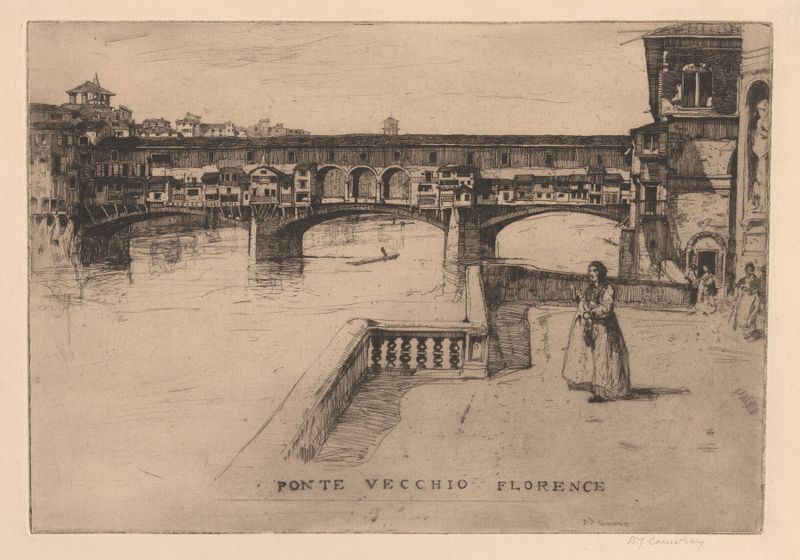
Ponte Vecchio
David Young Cameron

The Deanery, Winchester
David Young Cameron
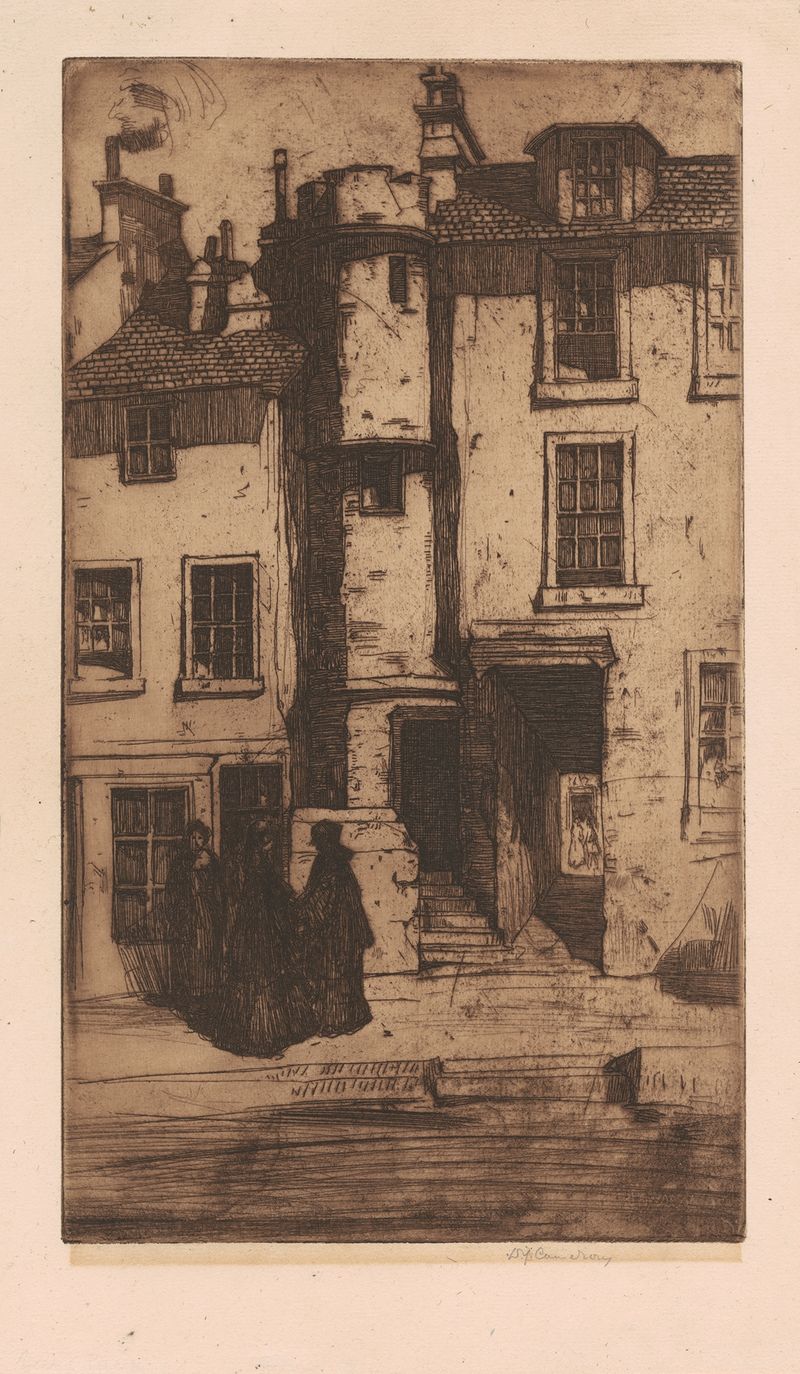
Old Houses, Stirling
David Young Cameron
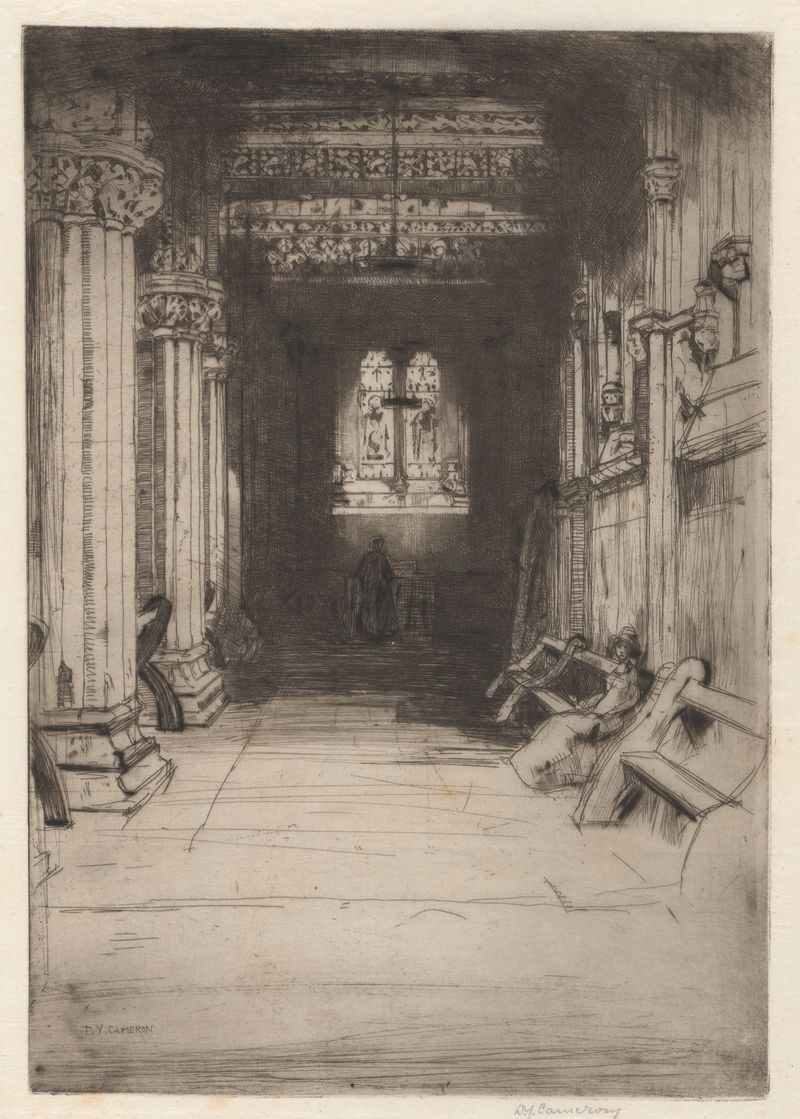
Rosslyn Chapel
David Young Cameron

The Old Museum, Beauvais
David Young Cameron
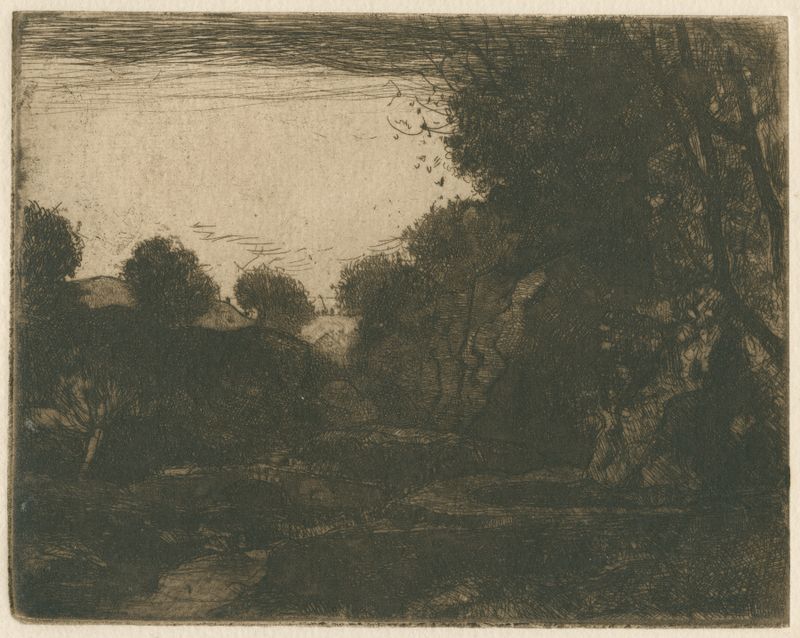
On the Bradford
David Young Cameron

The Smithy
David Young Cameron
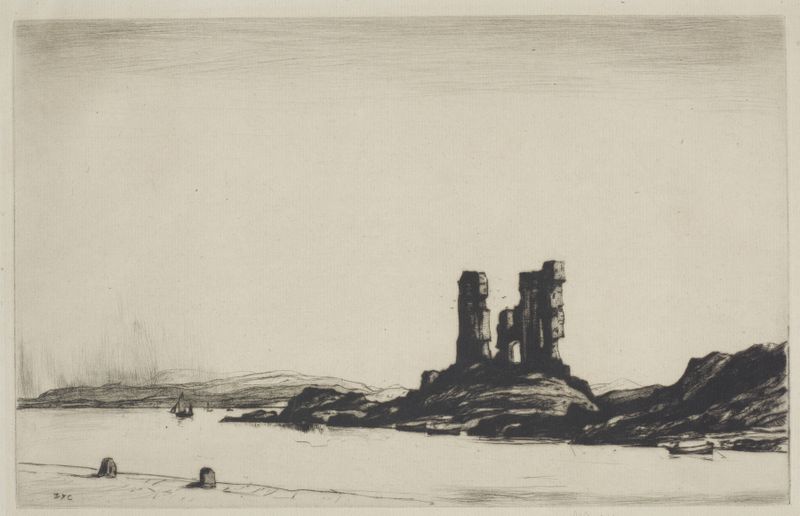
Castle Moyle
David Young Cameron
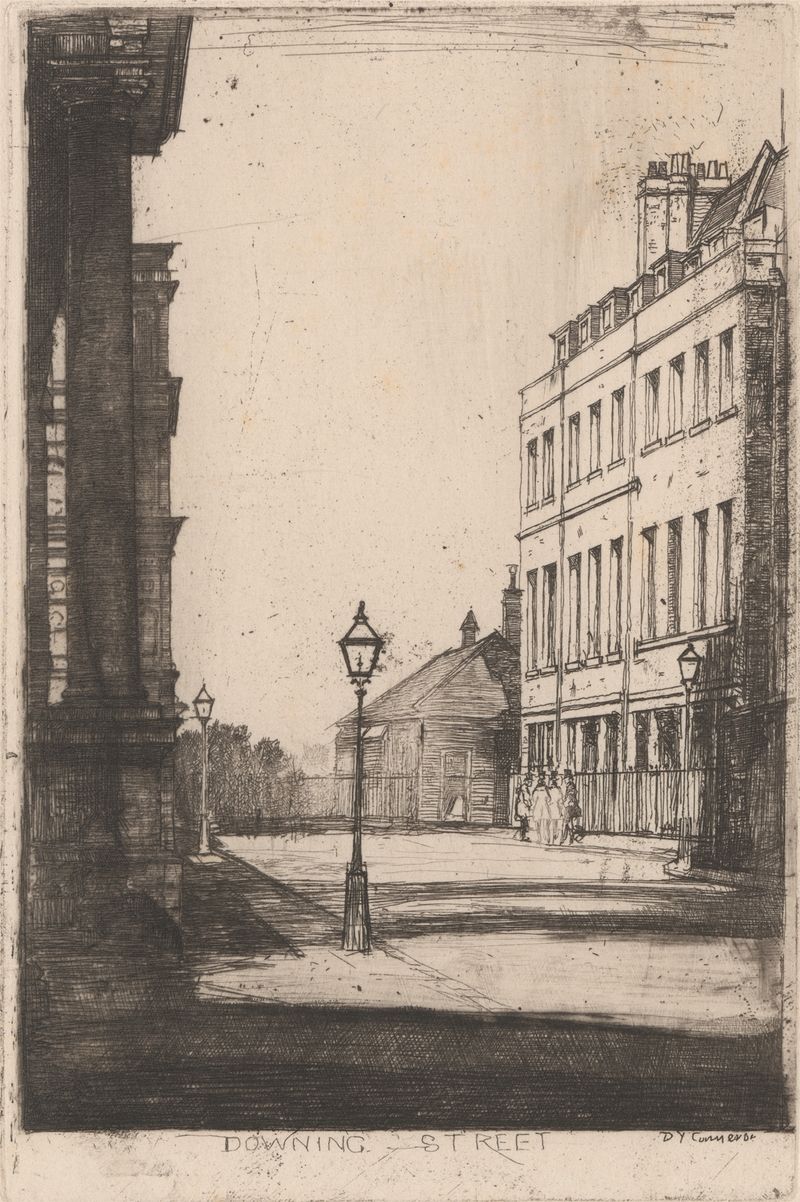
Downing Street
David Young Cameron

Glasgow Cathedral
David Young Cameron





