
Street view — History & Facts
Who listens when art speaks of silence? In Street View, a haunting stillness envelops a sunlit avenue, prompting introspection on the ephemeral nature of life. Look to the left where a row of stoic buildings stands, their facades softened by the warm embrace of golden light. The artist’s use of muted yet vibrant colors creates a sense of nostalgia, inviting the viewer to wander along the quiet street, where every detail tells a story. Notice how the interplay of light and shadow plays across the pavement, emphasizing the starkness of the architecture while hinting at the passage of time.
The composition guides your gaze toward the horizon, where life appears to pause, filled with unspoken possibilities. Beneath the serene surface lies a tension between permanence and transience. The stillness of the scene evokes a bittersweet reflection on mortality, urging us to consider what lingers in our memories as time ebbs away. The stark outlines of the buildings, seemingly unyielding, juxtapose the fleeting nature of the human experience, calling into question what remains meaningful amid the inevitable march toward oblivion.
Each element contributes to a meditative atmosphere, encouraging a conversation between the viewer and the forgotten stories hidden within the street. In 1949, when this piece was created, the artist was deeply influenced by the post-war urban landscape, navigating themes of existence and reflection amid the ruins of conflict. Lundy was part of a generation striving to redefine American art, finding a voice in the quiet narratives of everyday life. During this period, the art world was shifting, with new movements emerging, yet his work remained rooted in the timeless exploration of humanity's essence, illustrating both the beauty and fragility of existence.
More Artworks by Victor Alfred Lundy
Browse all →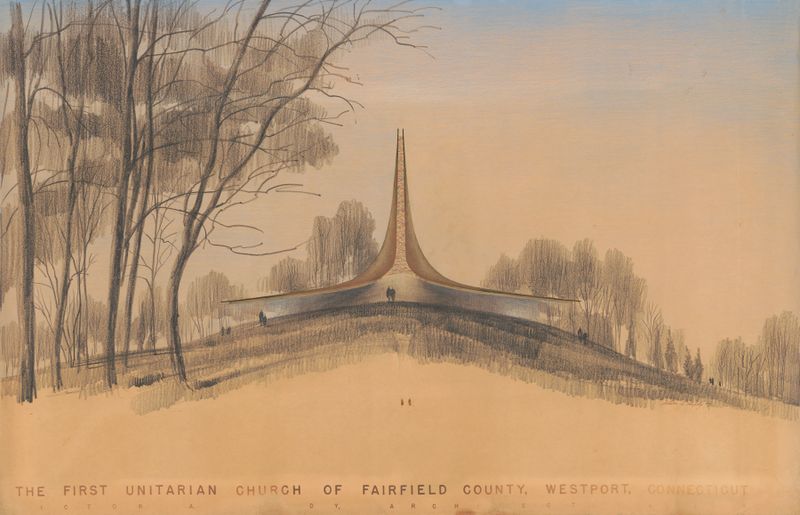
First Unitarian Church, Westport, Connecticut, Exterior
Victor Alfred Lundy

Residence for Mr. and Mrs. Ben Heller, East Hampton, Long Island, New York, Beach site
Victor Alfred Lundy
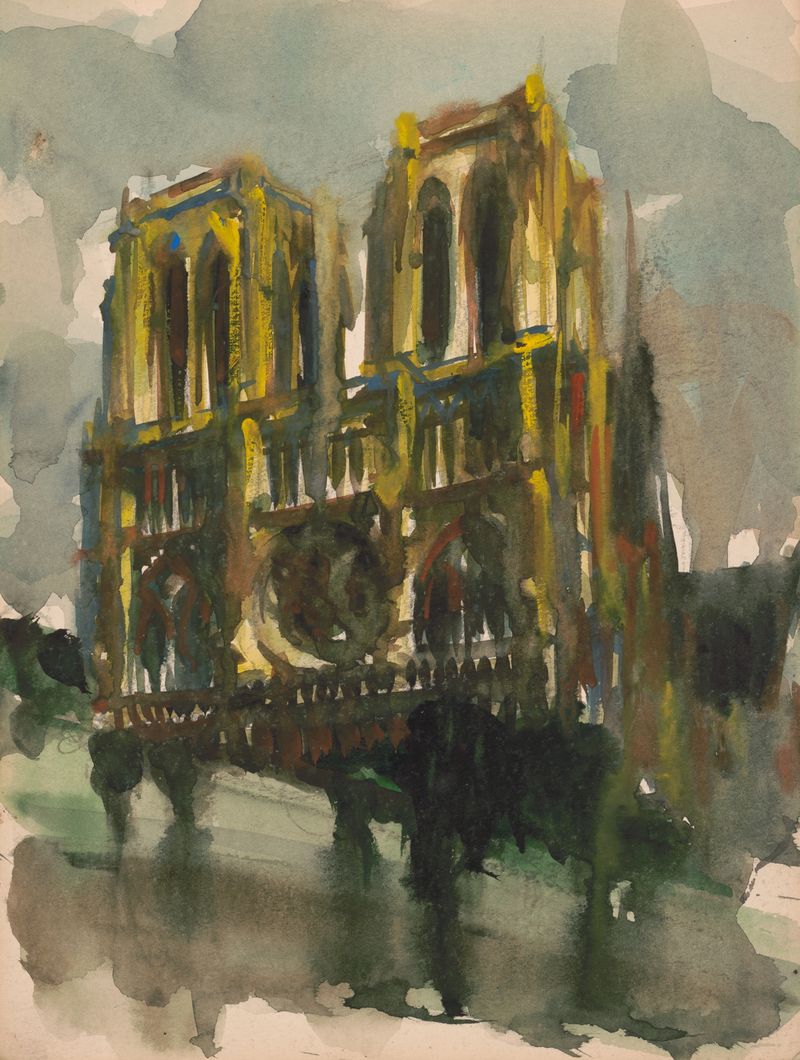
Notre Dame, Paris
Victor Alfred Lundy

Church on plaza, Mexico
Victor Alfred Lundy

Rue Saint Julien le Pauvre, Paris 5e
Victor Alfred Lundy
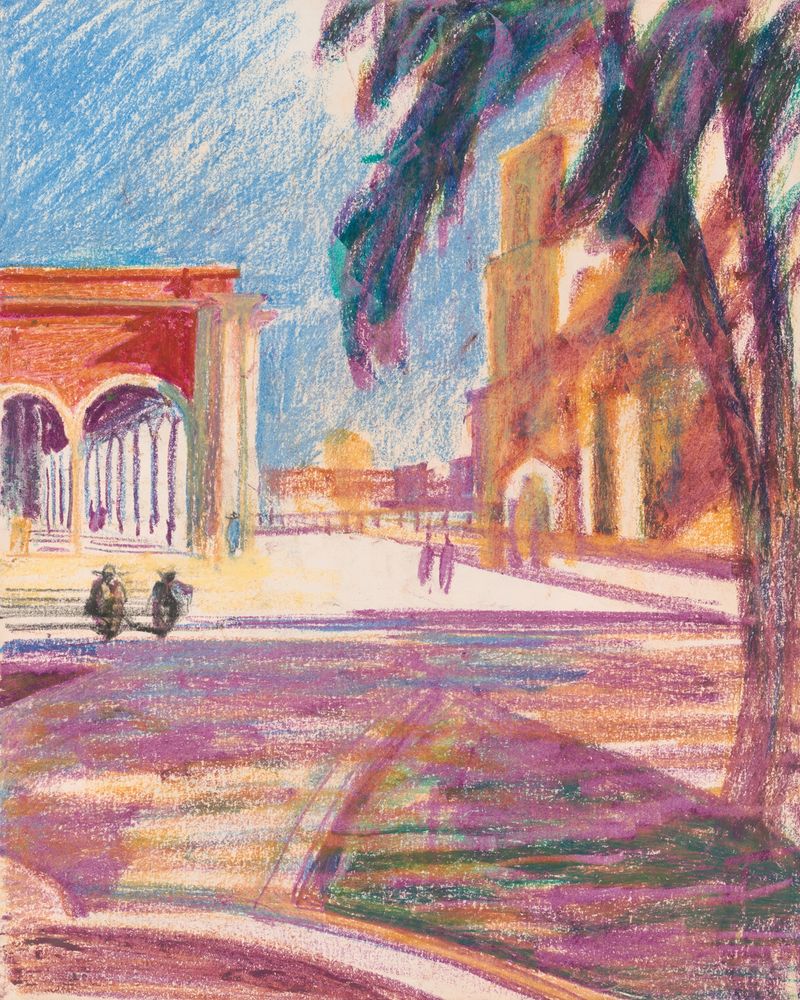
Plaza, Nochistlá́n, Mexico
Victor Alfred Lundy

Temple of Luxor
Victor Alfred Lundy

Trevi Fountain, Rome, Italy
Victor Alfred Lundy
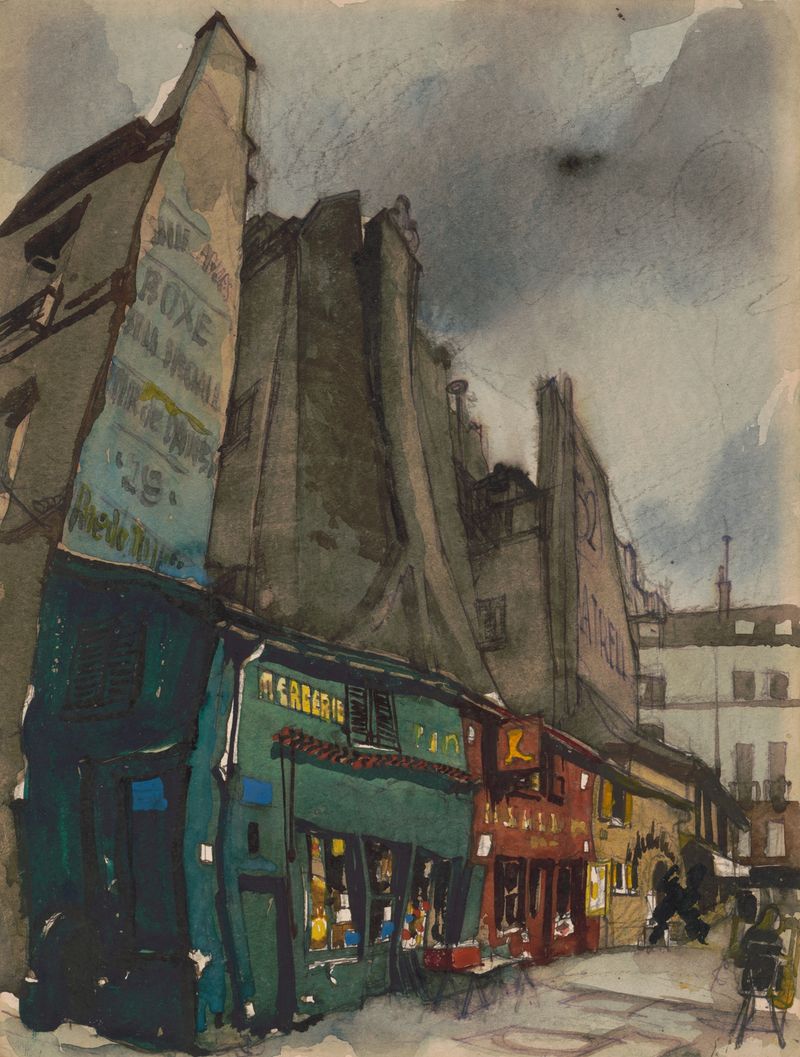
Place St. André des Arts, Paris between Rue Suger & Rue St. André des Arts
Victor Alfred Lundy
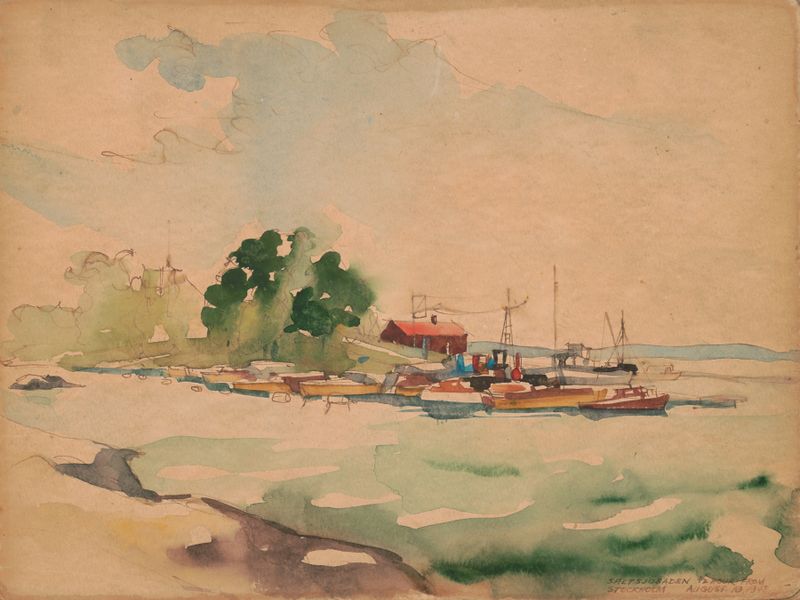
Saltsjöbaden, Half hour from Stockholm
Victor Alfred Lundy





