
Strikvraag van de Farizeeërs — History & Facts
What if silence could speak through light? In the hands of the Master of Delft, an unsettling tale unfolds amidst a congregation of figures, trapped in a moment where madness collides with reverence. Look to the center of the canvas, where a group of Pharisees engages in a tense dialogue, their expressions a haunting blend of curiosity and judgment. Notice how the light falls upon their faces, illuminating the stark contrasts between doubt and conviction. The artist employs a muted palette, punctuated by flashes of gold and crimson, which draw the eye toward the intricate details of their garments, evoking a sense of both grandeur and decay.
Each delicate brushstroke captures the layered textures of their robes, hinting at the weight of their authority and the vulnerability of their beliefs. Within this charged atmosphere, the tension between faith and madness simmers just beneath the surface. The figure on the left, with a furrowed brow and downcast eyes, suggests an inner conflict, perhaps reflecting on the sanity of their rigid dogma. The dynamic between those who question and those who defend their beliefs invites the viewer to ponder the fragile line between reason and chaos, revealing how easily conviction can slip into obsession.
Each character's gaze weaves a narrative that transcends the moment, speaking to the timeless struggle between enlightenment and ignorance. Created in 1503, this work emerged during a period of great intellectual upheaval in Europe. The artist, often associated with the Dutch Renaissance, navigated a burgeoning world of humanist thought while grappling with the complexities of faith and community. At the time, tensions within the Church and the rise of new ideas ignited profound discussions, echoing the very themes encapsulated within this poignant tableau.
More Artworks by Master of Delft
Browse all →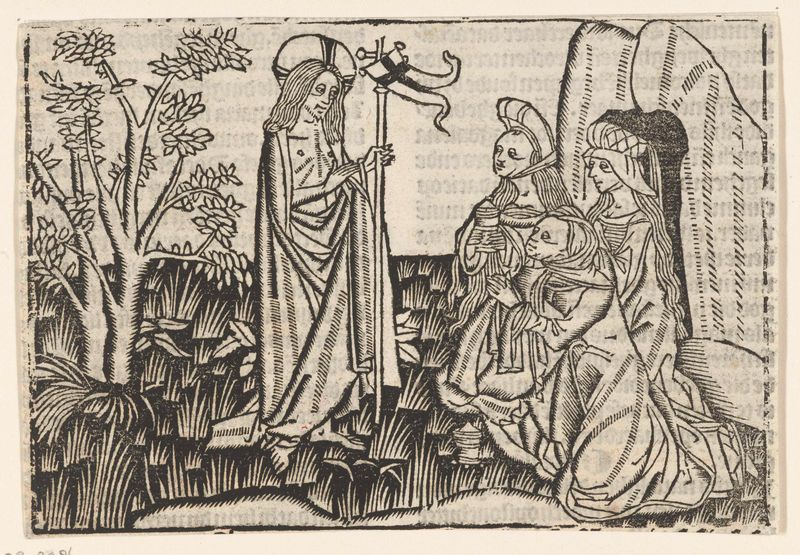
Christus verschijnt aan de drie Maria's
Master of Delft
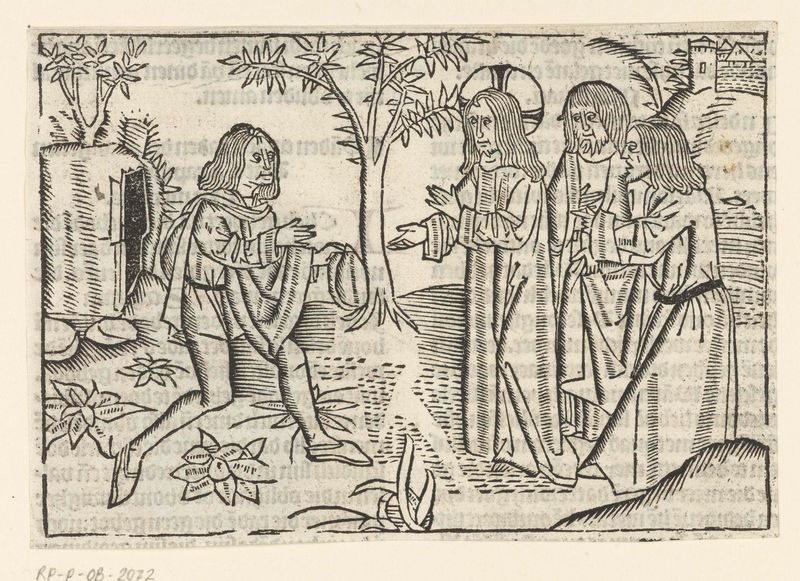
Christus en de rijke jongeling
Master of Delft
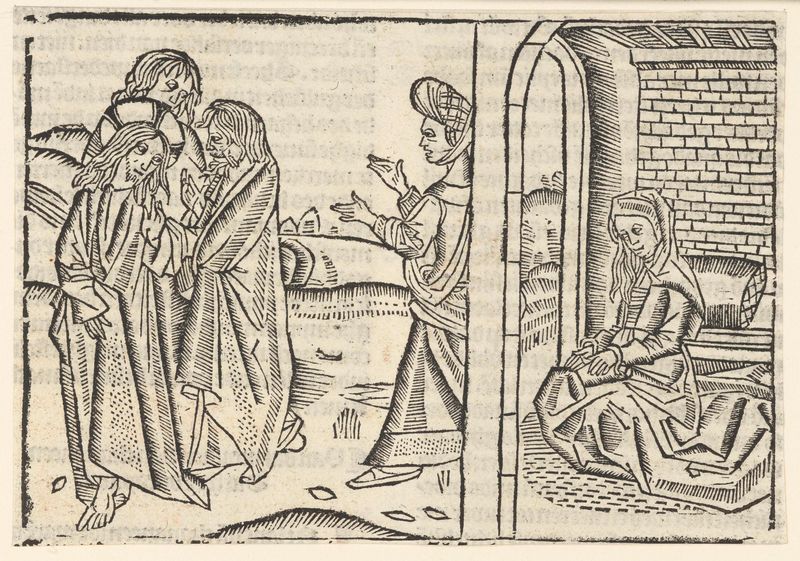
Christus en de Kanaänitische vrouw
Master of Delft
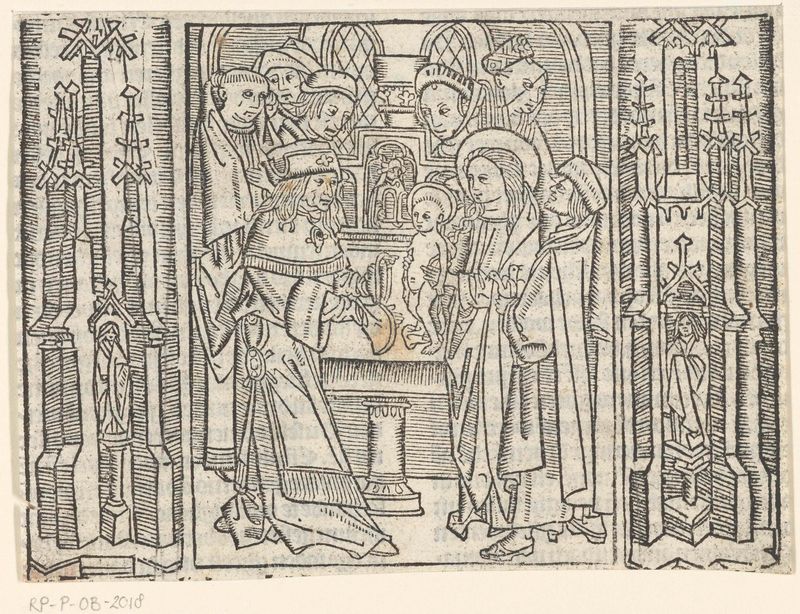
Presentatie van Christus in de tempel
Master of Delft
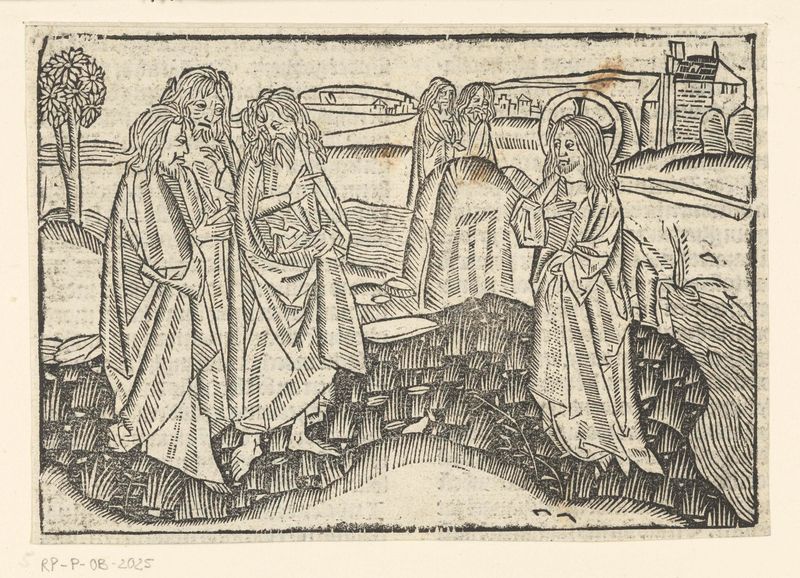
Christus kiest zijn eerste discipelen
Master of Delft
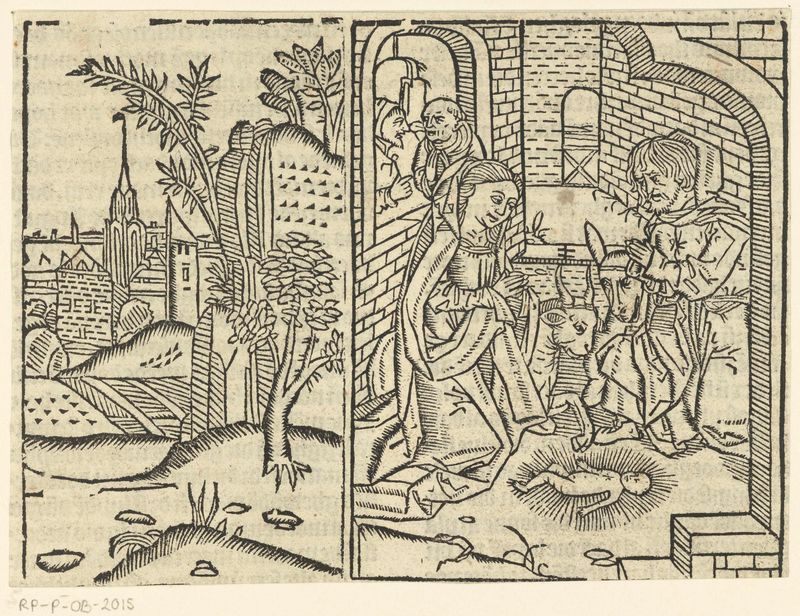
Geboorte van Christus
Master of Delft
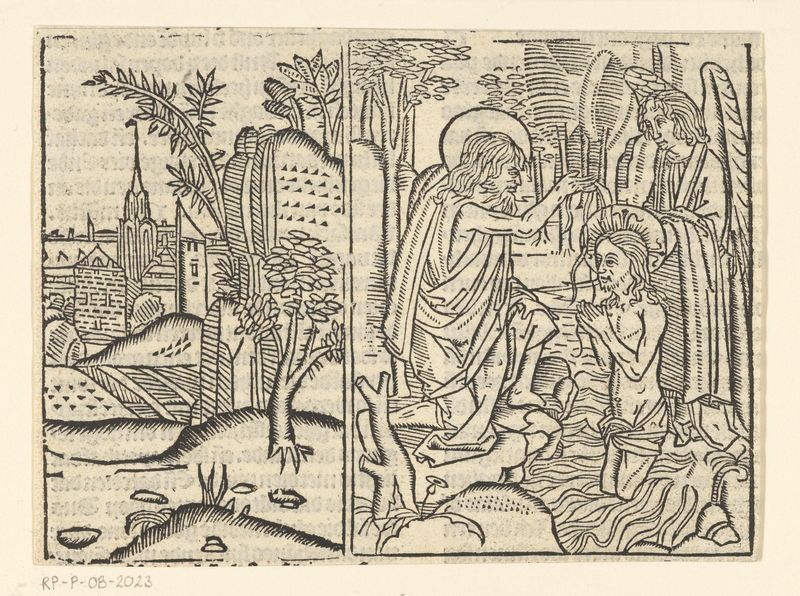
De doop van Christus in de Jordaan
Master of Delft
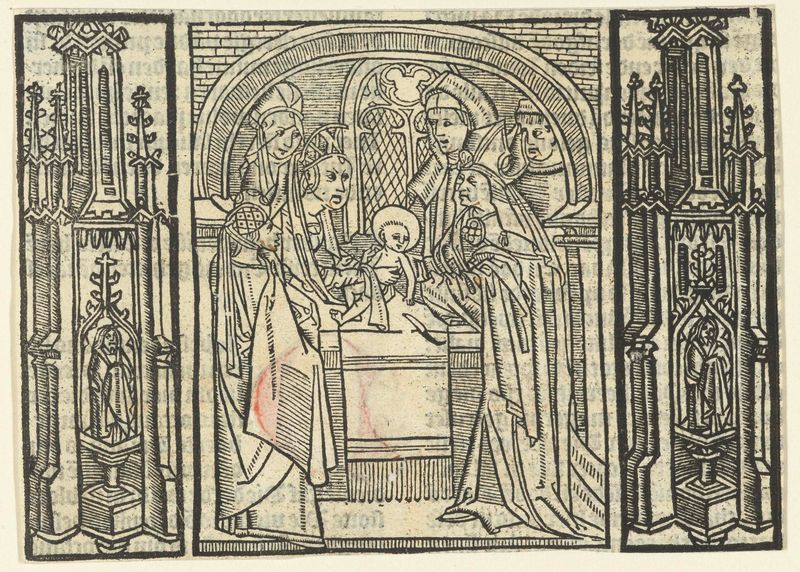
Besnijdenis van Christus
Master of Delft
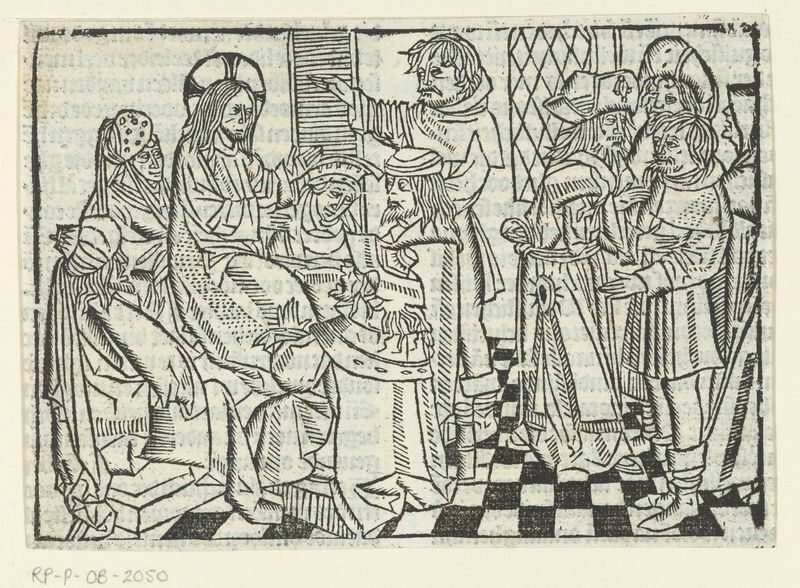
Christus geneest de man met een verdorde hand
Master of Delft
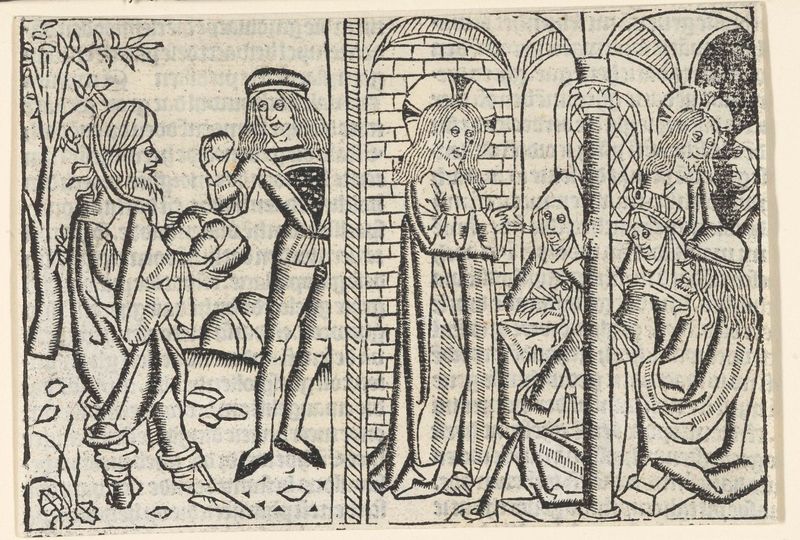
De Farizeeërs willen Christus stenigen
Master of Delft
More Religious Art
Browse all →
The Return of the Prodigal Son
Rembrandt van Rijn

The Garden of Earthly Delights
El Bosco

Count Orgaz’ funeral
El Greco

The Hundred Guilder Print: the central piece with Christ preaching, the plate arched
Rembrandt van Rijn

The Descent from the Cross
Rogier van der Weyden

The return of the prodigal son
Rembrandt van Rijn