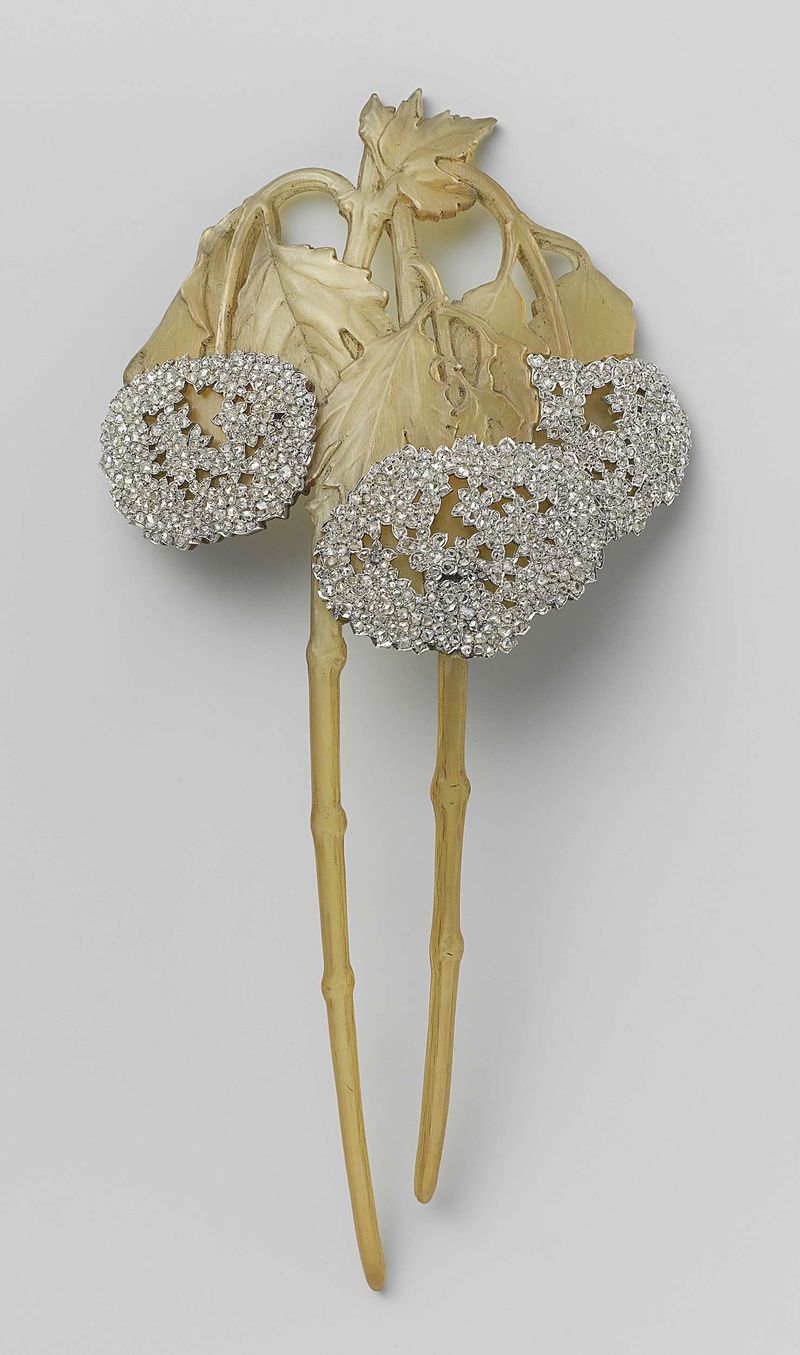
Strook kloskant gemaakt naar Italiaanse voorbeeld uit de 17e eeuw — History & Facts
Can paint confess what words never could? Each stroke, each color choice, whispers the legacy of artists long forgotten, echoing through time. Look closely at the delicate lacework rendered in this piece, shimmering against a muted background. The intricate patterns draw your gaze to the finely detailed motifs that echo the Italian examples from the 17th century. Notice how the light dances across the raised surfaces, highlighting the craftsmanship and creating a textured illusion, inviting you to explore the boundaries between two and three dimensions. There’s a profound tension embedded within the lace’s fragility; it symbolizes both beauty and transience.
The soft hues suggest nostalgia, a yearning for a bygone era where such artistry flourished. These motifs not only reflect a meticulous dedication to craft but also serve as a testament to the enduring influence of cultural heritage, binding the past to the present and reminding viewers of the stories woven into every thread. Created between 1900 and 1920, this work emerges from a time when many artists were reviving historical techniques, seeking to reconnect with their roots amidst the rapid changes of the modern world. The unknown artist of this piece participated in a greater dialogue about legacy, crafting a homage that resonates with the past while inviting future generations to appreciate the timeless art of lace-making.
More Artworks by Unknown Artist
Browse all →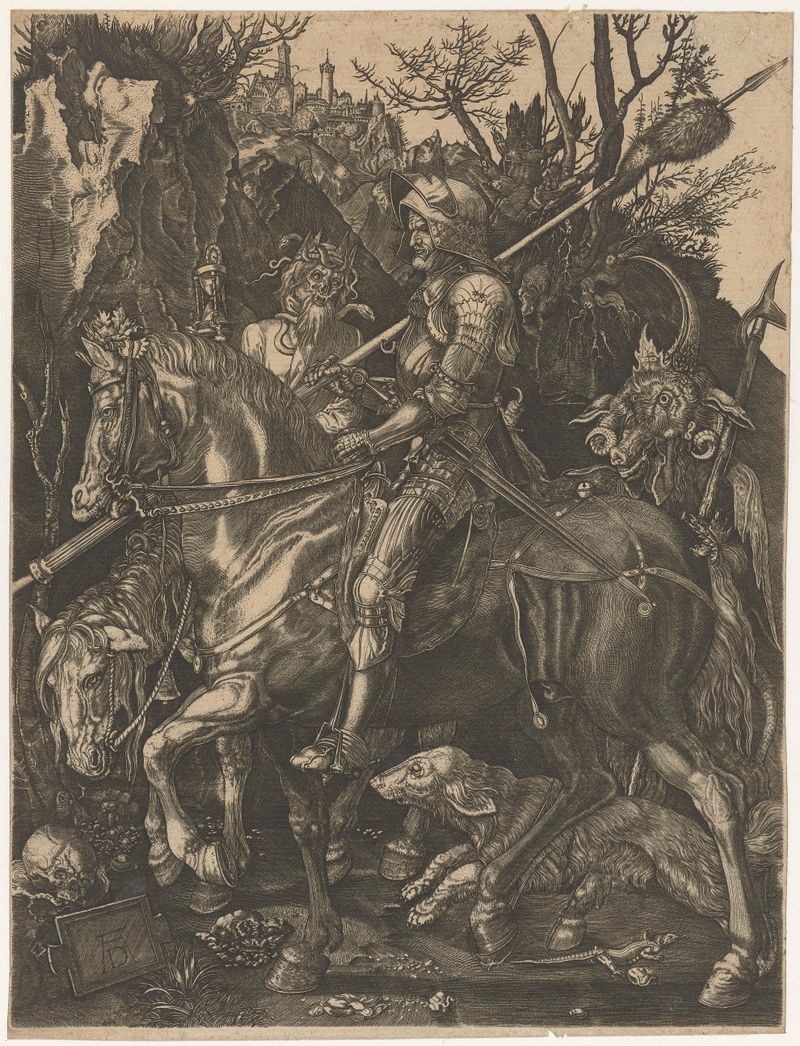
Ridder, Dood en Duivel
Unknown Artist
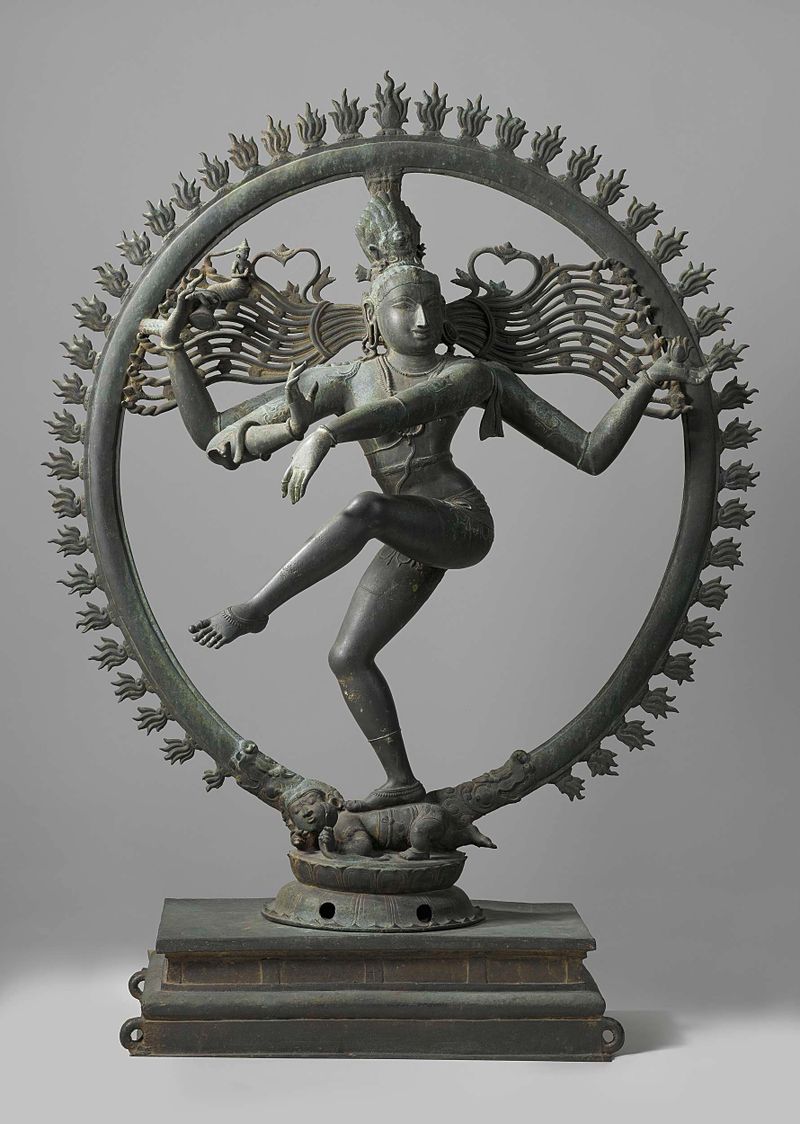
Shiva Nataraja
Unknown Artist
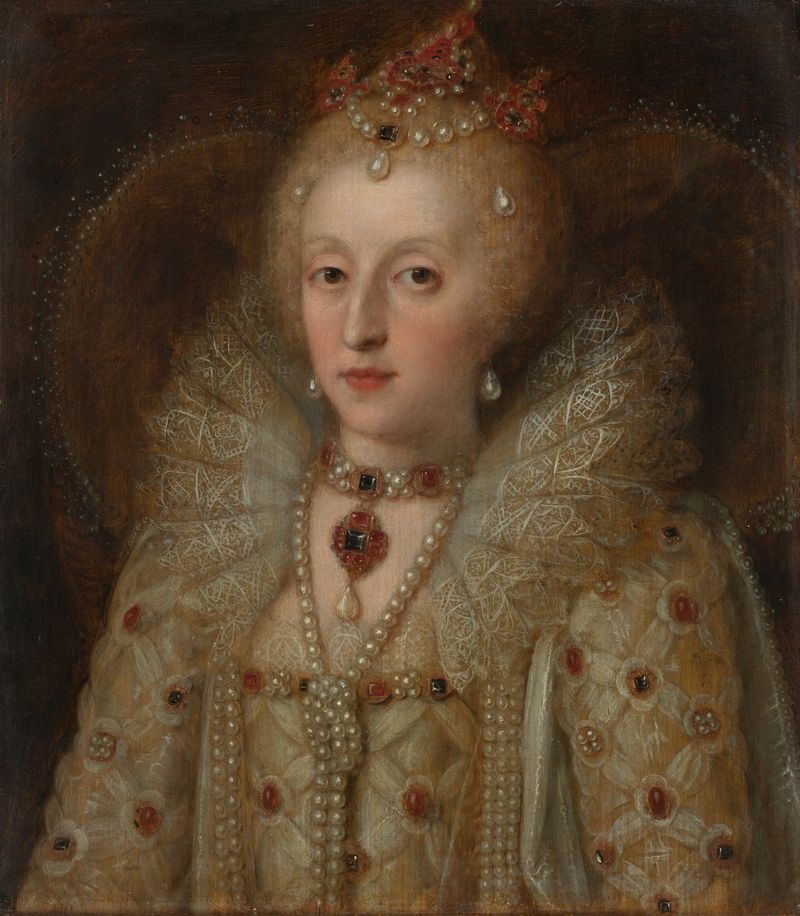
Portrait of Elizabeth I, Queen of England
Unknown Artist
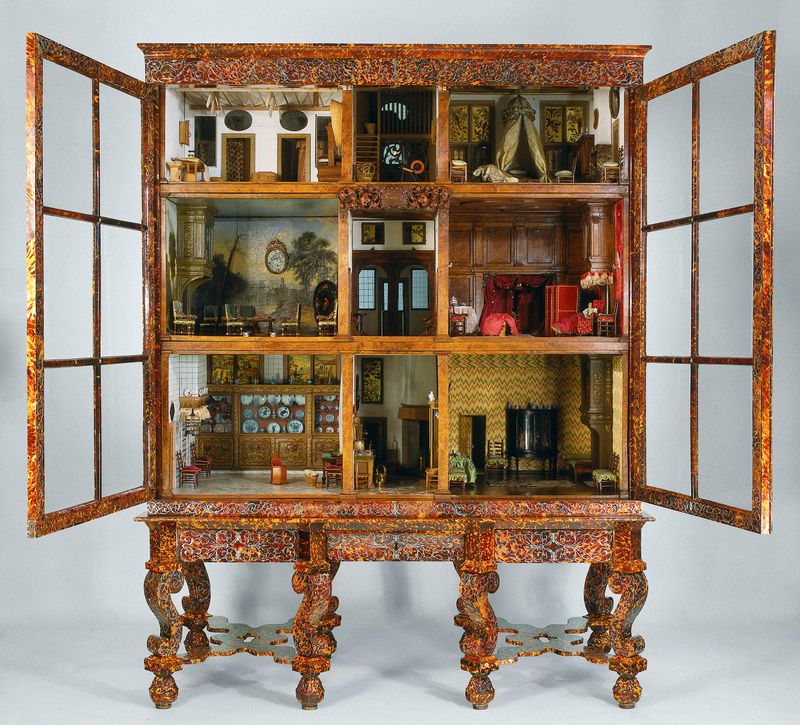
Dolls’ house of Petronella Oortman
Unknown Artist
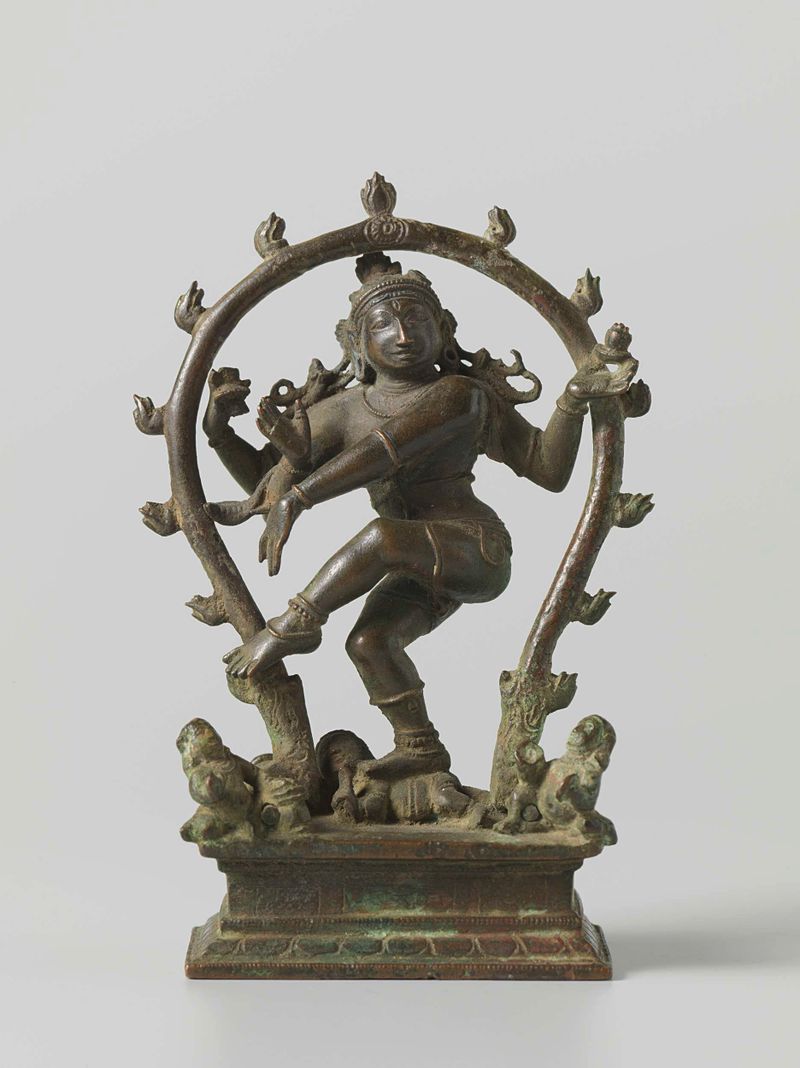
Shiva Nataraja
Unknown Artist

The Tale of Genji
Unknown Artist

The Tale of Genji
Unknown Artist

Cong
Unknown Artist
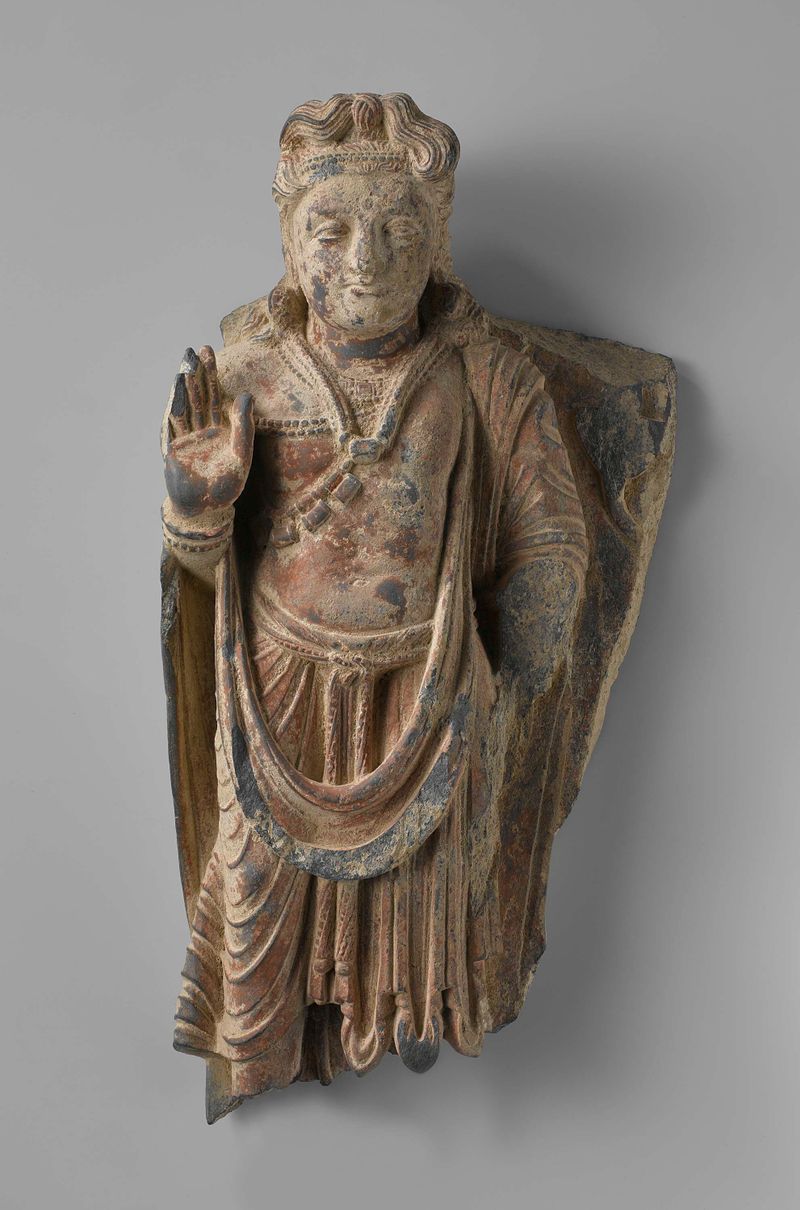
The bodhisattva Maitreya
Unknown Artist

Teabowl with a 'hare's fur' glaze
Unknown Artist