Strook kloskant met anjer in u-vormige reserve — History & Facts
Could beauty survive in a century of chaos? This question resonates deeply within the delicate strokes of Strook kloskant met anjer in u-vormige reserve, a piece that speaks to the quiet resilience of artistry amidst the turbulence of its time. Look closely at the intricate lacework, where each thread dances in harmony, revealing a meticulous craftsmanship that commands attention. Notice how the soft, muted colors of the floral motif emerge gently from the background, inviting the viewer to trace their delicate outlines. The careful layering of textures creates a sense of depth, as if the lace itself breathes, embodying a palpable grace.
The delicate anjer—a symbol of admiration and a cherished motif—anchors the composition, inviting contemplation about its significance in a world often overshadowed by hardship. Beneath the surface, the work hints at a deeper narrative of fragility and strength. Each stitch represents not just labor, but a moment of serene focus, a meditative escape from the surrounding chaos of the 18th century. The juxtaposition of the ethereal lace and the robust floral design suggests a dialogue between vulnerability and tenacity—a reminder that beauty can thrive even under pressure.
The lace, a traditional craft, juxtaposed with the refined elegance of the flower, speaks to a longing for connection and permanence in fleeting times. Created between 1700 and 1749 by an unknown artist, this piece reflects a period of dramatic change in Europe, marked by social upheaval and artistic transformation. The Baroque influences of the time were giving way to new sensibilities in art and craft, as artists sought to capture the essence of everyday life and beauty. In this context, such a work not only showcases technical skill but also serves as a testament to the enduring spirit of creativity amid uncertainty.
More Artworks by Unknown Artist
Browse all →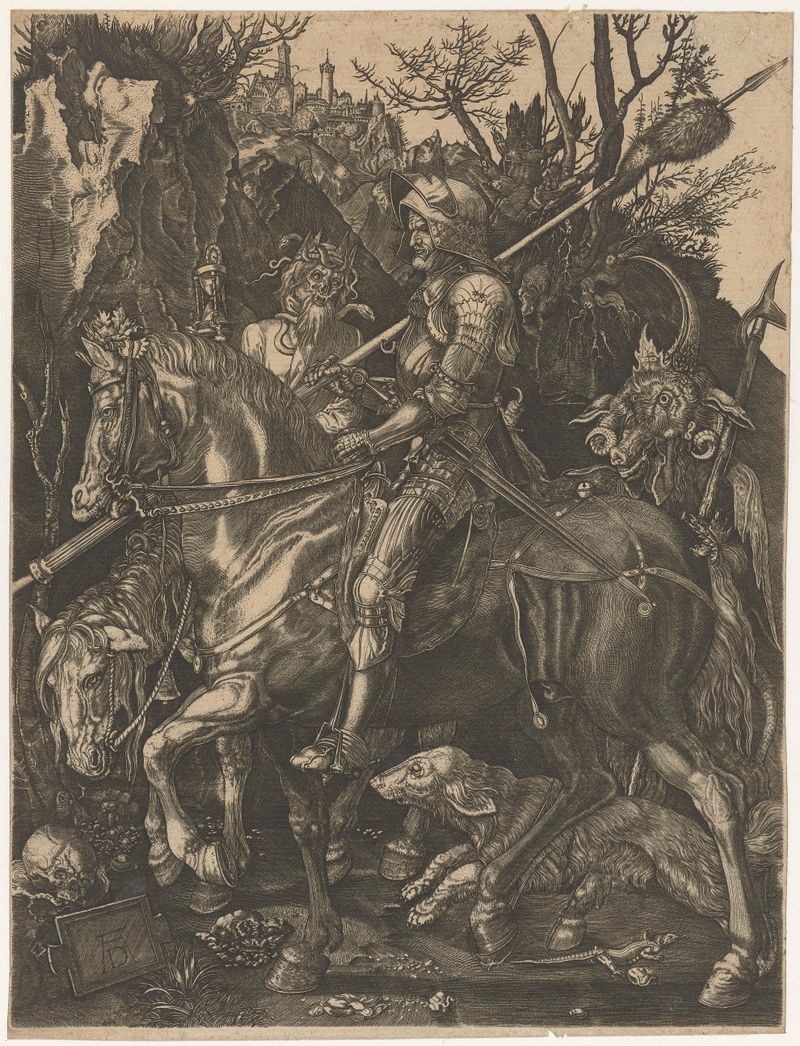
Ridder, Dood en Duivel
Unknown Artist
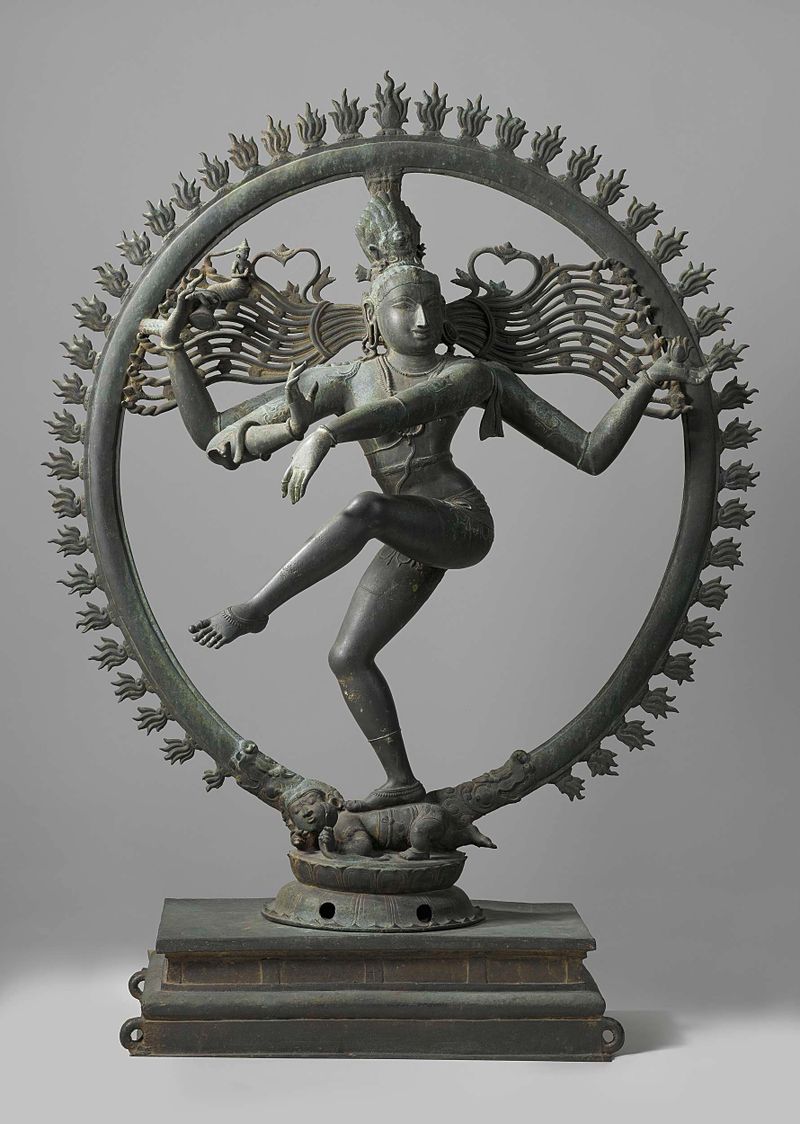
Shiva Nataraja
Unknown Artist
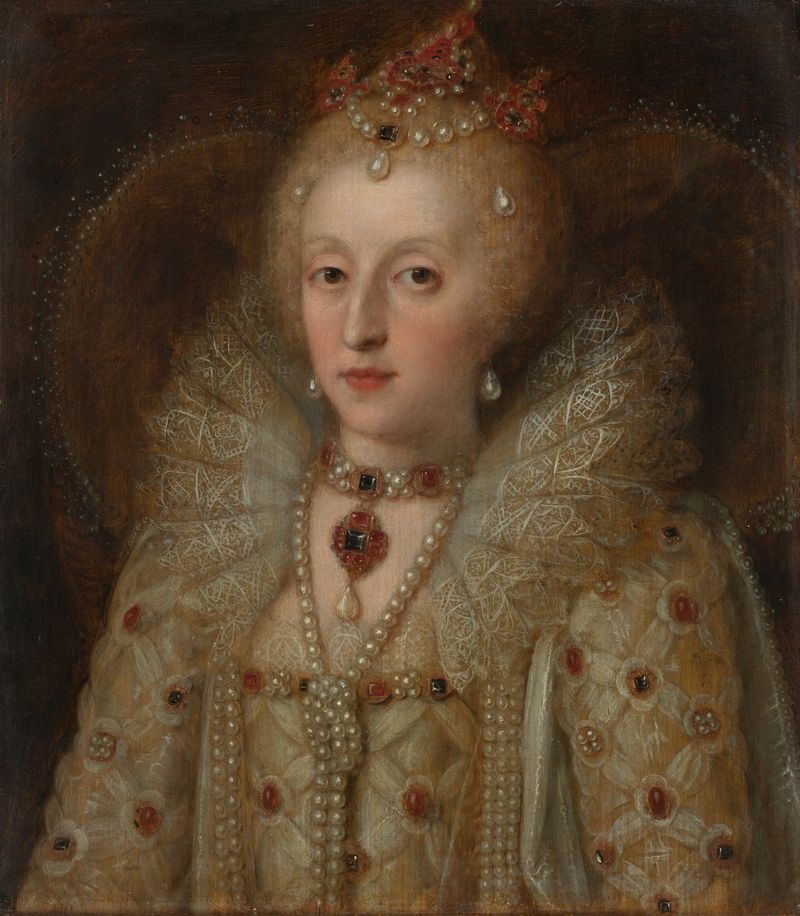
Portrait of Elizabeth I, Queen of England
Unknown Artist
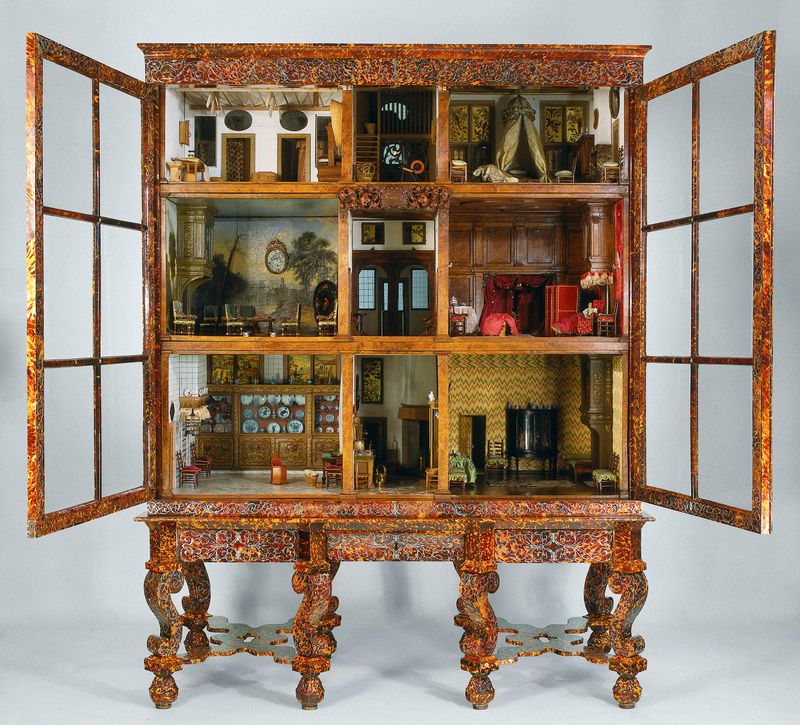
Dolls’ house of Petronella Oortman
Unknown Artist
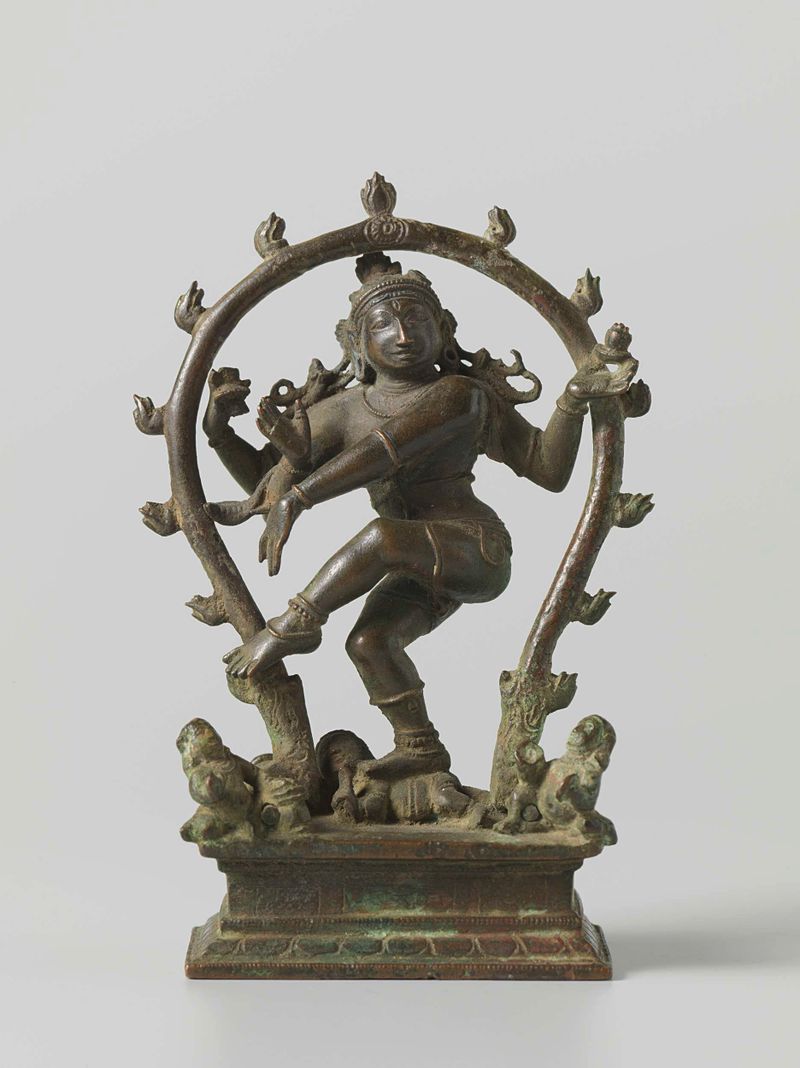
Shiva Nataraja
Unknown Artist

The Tale of Genji
Unknown Artist

The Tale of Genji
Unknown Artist
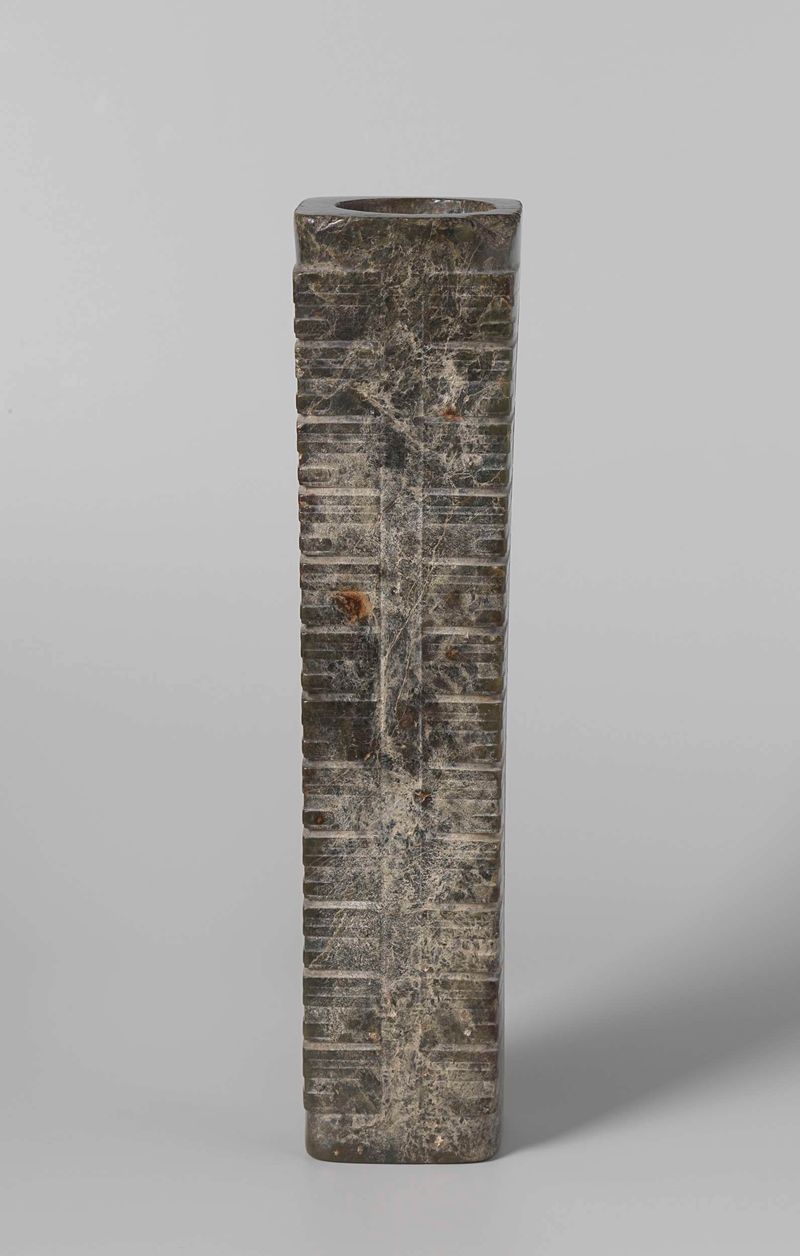
Cong
Unknown Artist
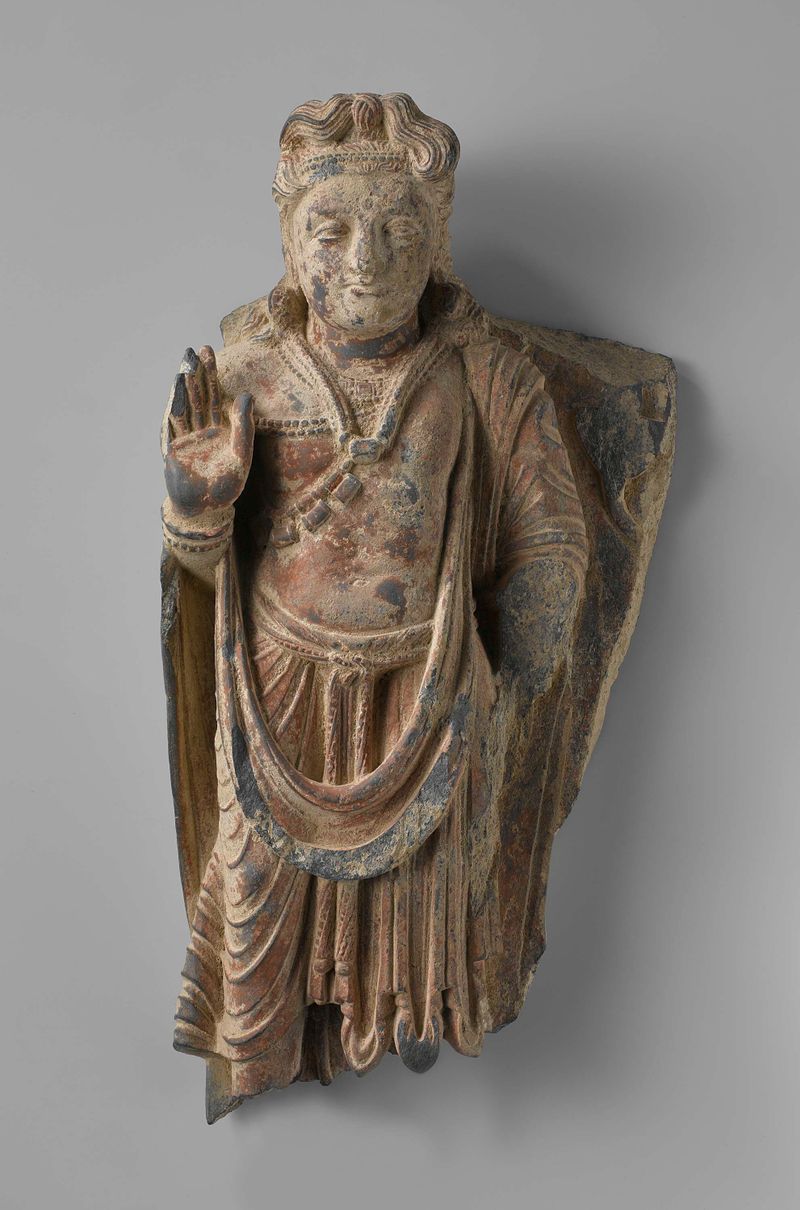
The bodhisattva Maitreya
Unknown Artist
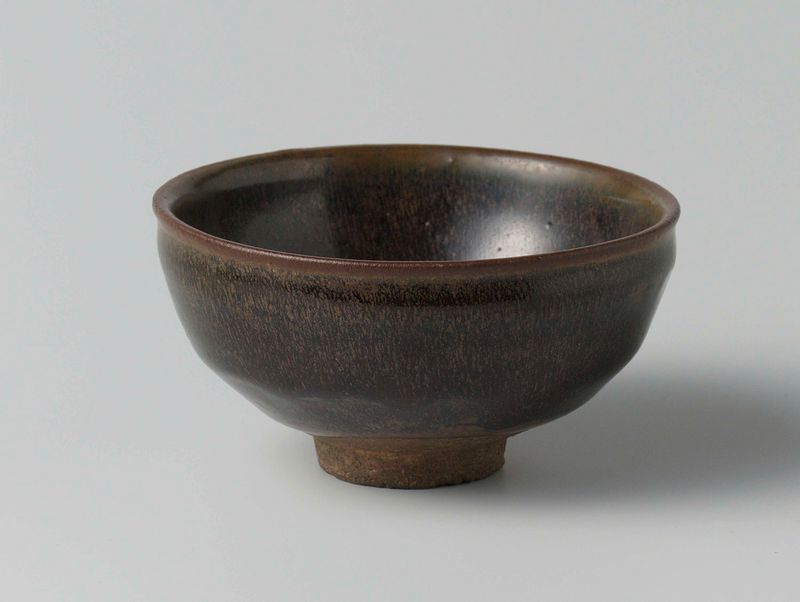
Teabowl with a 'hare's fur' glaze
Unknown Artist