
Strook kloskant met bloemtakken tussen hoornvormige reserves — History & Facts
Is this a mirror — or a memory? An intricate dance of color and form beckons the viewer to look deeper, revealing the delicate obsession behind its creation. Focus on the rich tapestry of floral motifs woven into the fabric of the piece. Notice how the vibrant blooms seem to intertwine seamlessly with the horn-shaped reserves, creating a harmonious balance that draws the eye in. The soft pastel colors blend with a mastery that invites intimacy, while the meticulous detail in each petal and leaf speaks volumes about the artist's dedication to craft. As you linger, notice the contrast between the natural beauty of the flowers and the structured geometry of the reserves.
This juxtaposition hints at an emotional tension, reflecting the balance between chaos and order, desire and restraint. Each flower, while vibrant and alive, is ensconced within a rigid framework, suggesting a deeper, almost obsessive relationship with nature and form — a dialogue between freedom and confinement. Created between 1735 and 1765, this artwork emerged during a period when decorative arts flourished in Europe, particularly in the context of burgeoning craft guilds and heightened interest in botanical themes. The artist, who remains unnamed, was likely influenced by the Rococo style, characterized by ornate and playful designs that celebrated both nature and elegance.
Such works were instrumental in shaping the visual culture of the time, intertwining personal expression with the broader artistic movements of the era.
More Artworks by Unknown Artist
Browse all →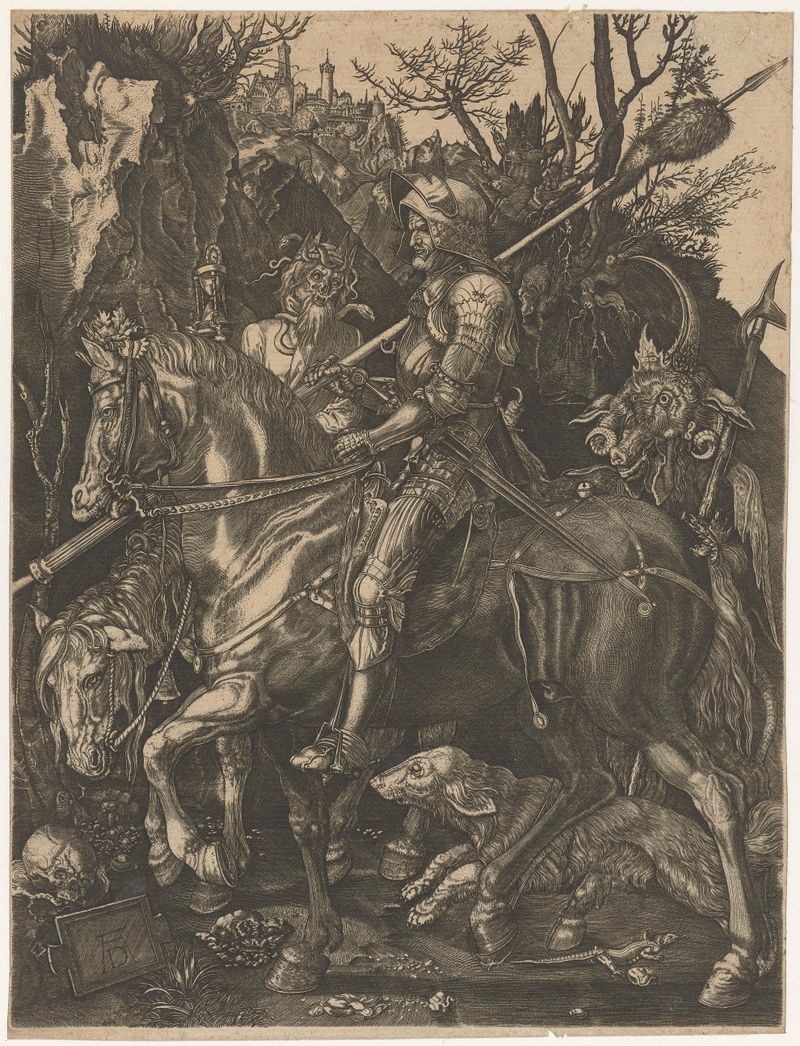
Ridder, Dood en Duivel
Unknown Artist
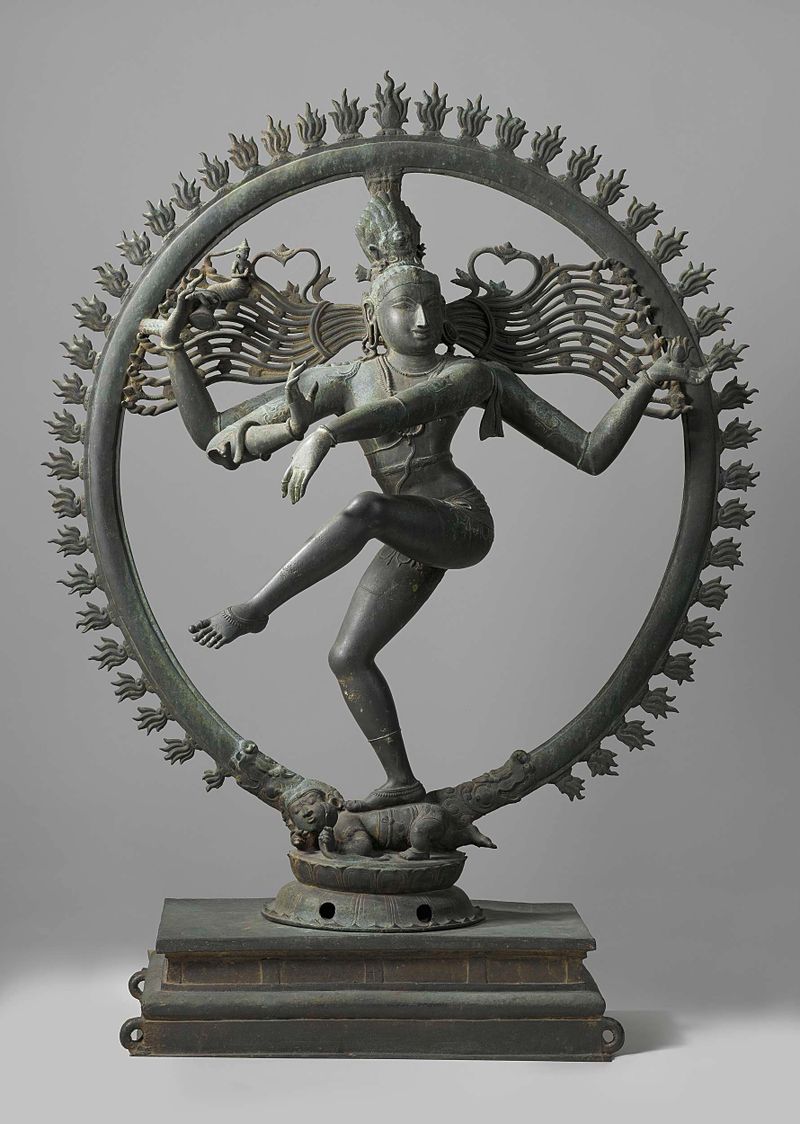
Shiva Nataraja
Unknown Artist
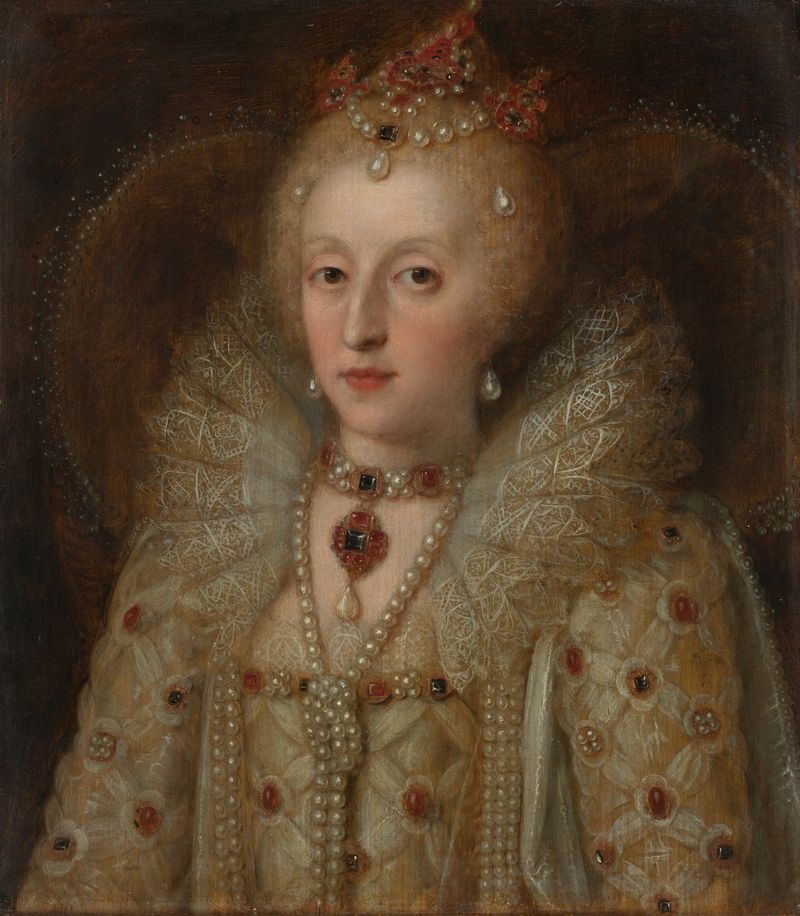
Portrait of Elizabeth I, Queen of England
Unknown Artist
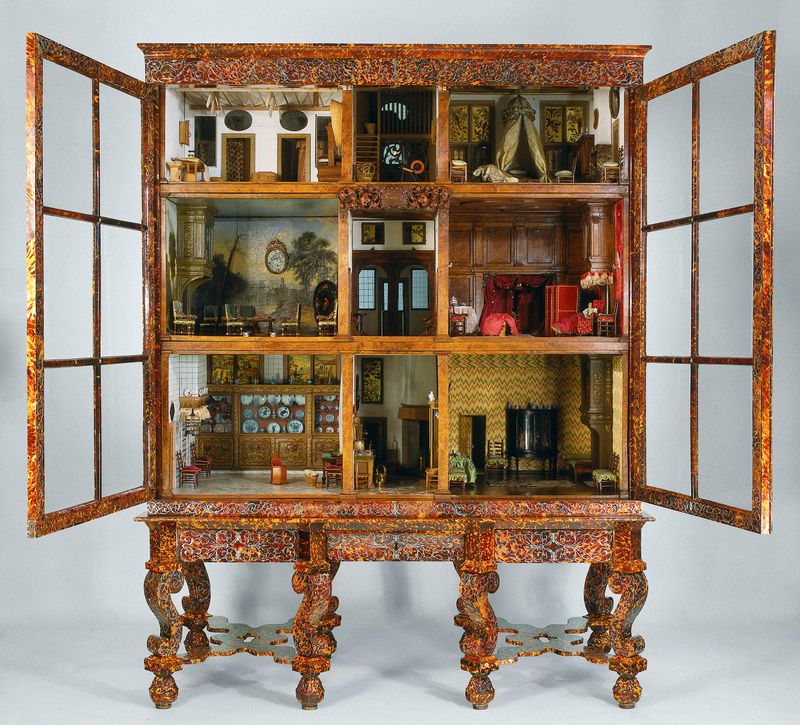
Dolls’ house of Petronella Oortman
Unknown Artist
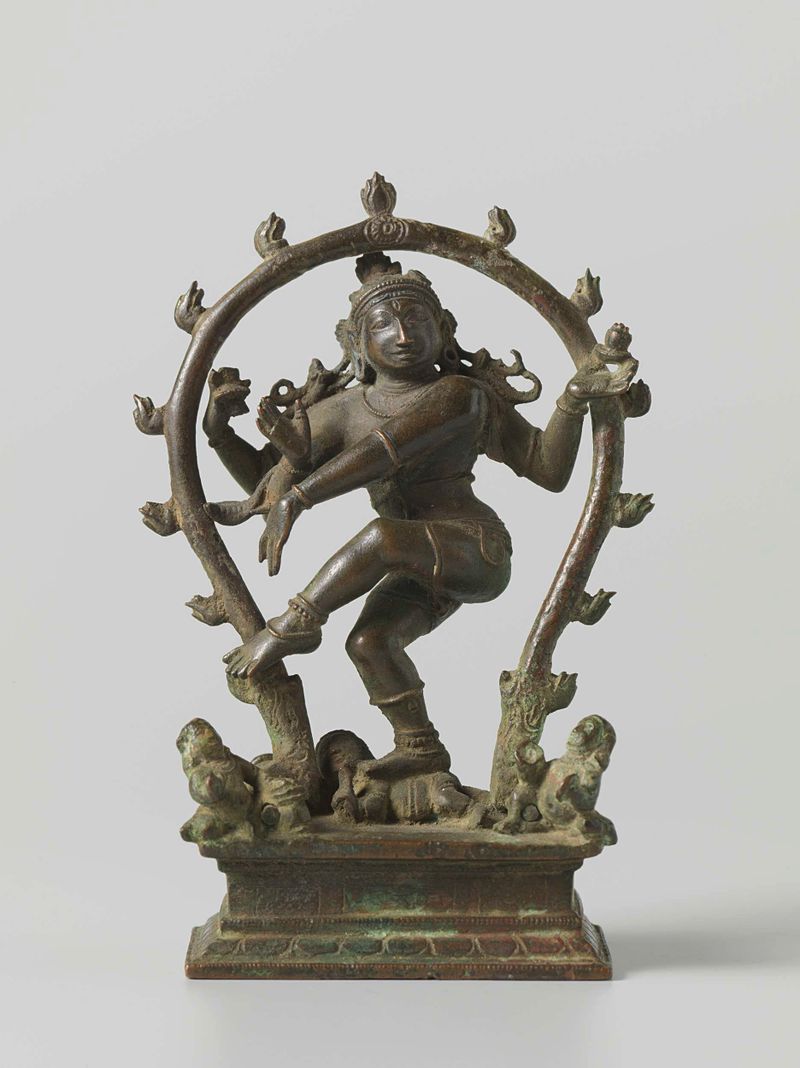
Shiva Nataraja
Unknown Artist

The Tale of Genji
Unknown Artist

The Tale of Genji
Unknown Artist

Cong
Unknown Artist
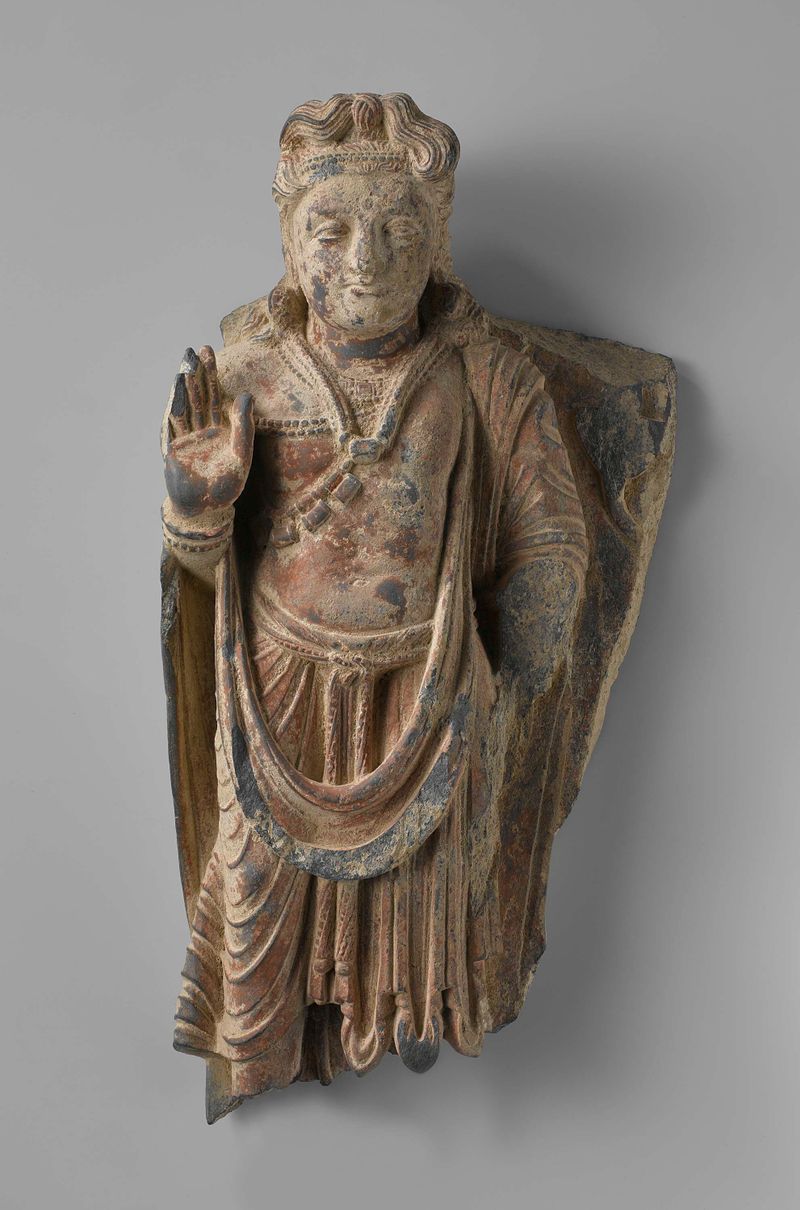
The bodhisattva Maitreya
Unknown Artist

Teabowl with a 'hare's fur' glaze
Unknown Artist



