Strook kloskant met bloemtrosjes — History & Facts
When did color learn to lie? In a world where vibrancy often masks the shadows, the delicate flowers of Strook kloskant met bloemtrosjes invite us to confront the deeper truths of loss hidden beneath their beauty. Look closely at the intricate lacework that frames the vibrant blooms, a masterful display of technique that draws the eye. The juxtaposition of the soft pastels against the fine, textured lace creates a dialogue between fragility and permanence. Notice how the flowers seem to bloom outward, yet their delicate petals hint at a fleeting existence, evoking the bittersweet nature of memory and the passage of time. The work resonates with emotional tension; each flower represents a moment lost, a memory preserved yet transient.
The lace is not merely a backdrop but an embodiment of what once was – a reminder of care and craftsmanship, now tinged with nostalgia. The interplay of light across the intricate patterns and petals creates a haunting contrast, suggesting that even beauty can be laced with sorrow. This piece, created between 1910 and 1920, emerges from an era marked by both innovation and upheaval in the art world. The unknown artist navigated a landscape of shifting styles, experimenting with textile art as a means of personal expression.
The aftermath of World War I cast shadows over creativity, and as society grappled with loss and recovery, works like this one emerged, capturing the essence of an era while speaking to timeless universal feelings.
More Artworks by Unknown Artist
Browse all →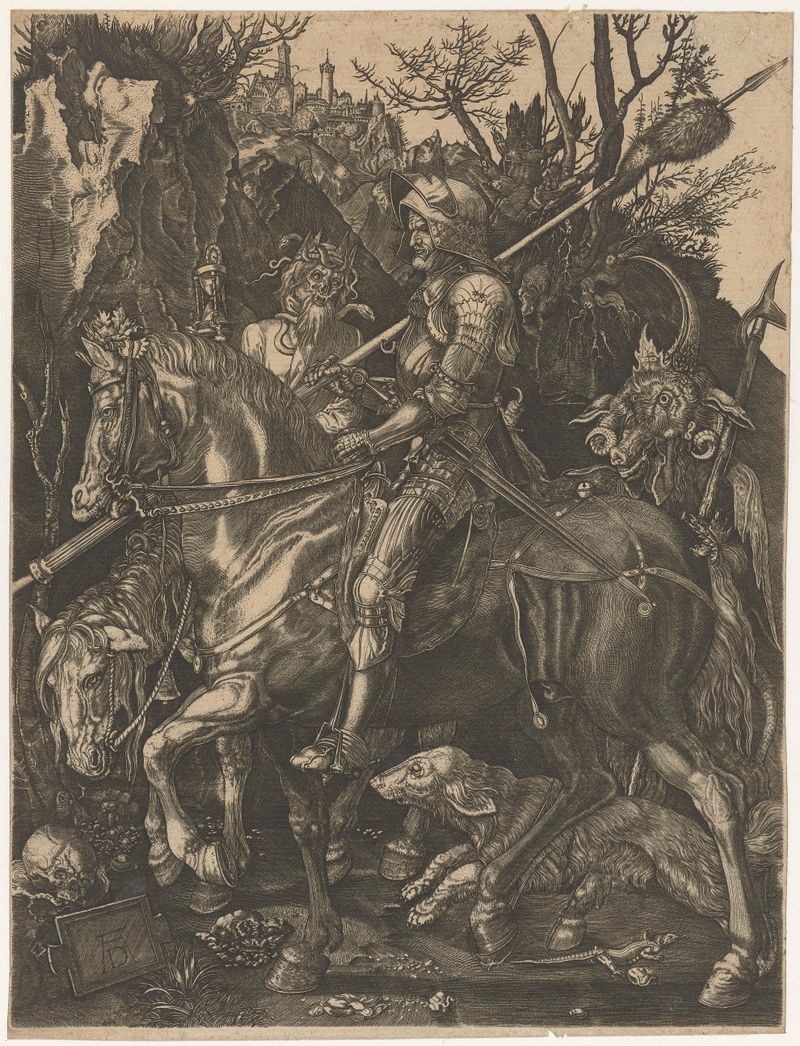
Ridder, Dood en Duivel
Unknown Artist
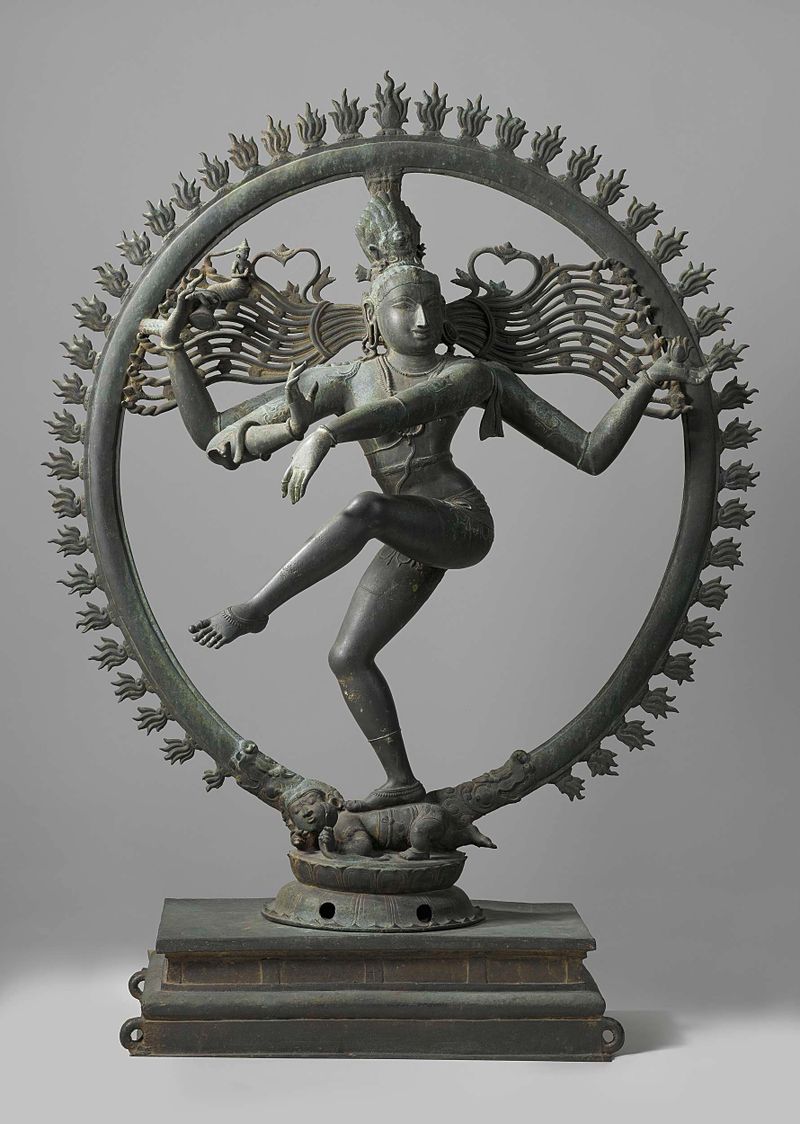
Shiva Nataraja
Unknown Artist
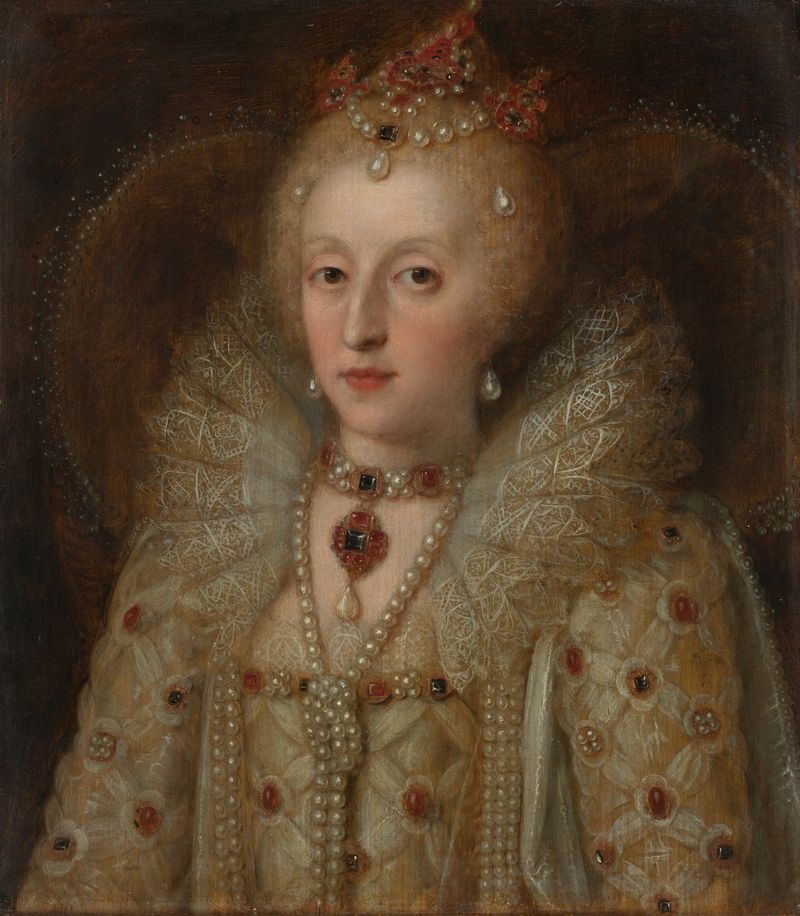
Portrait of Elizabeth I, Queen of England
Unknown Artist
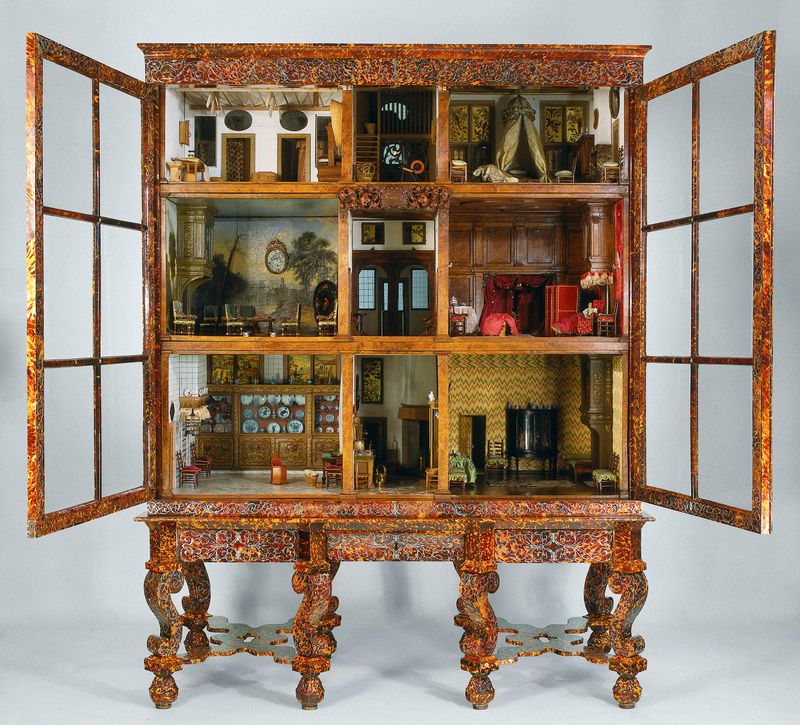
Dolls’ house of Petronella Oortman
Unknown Artist
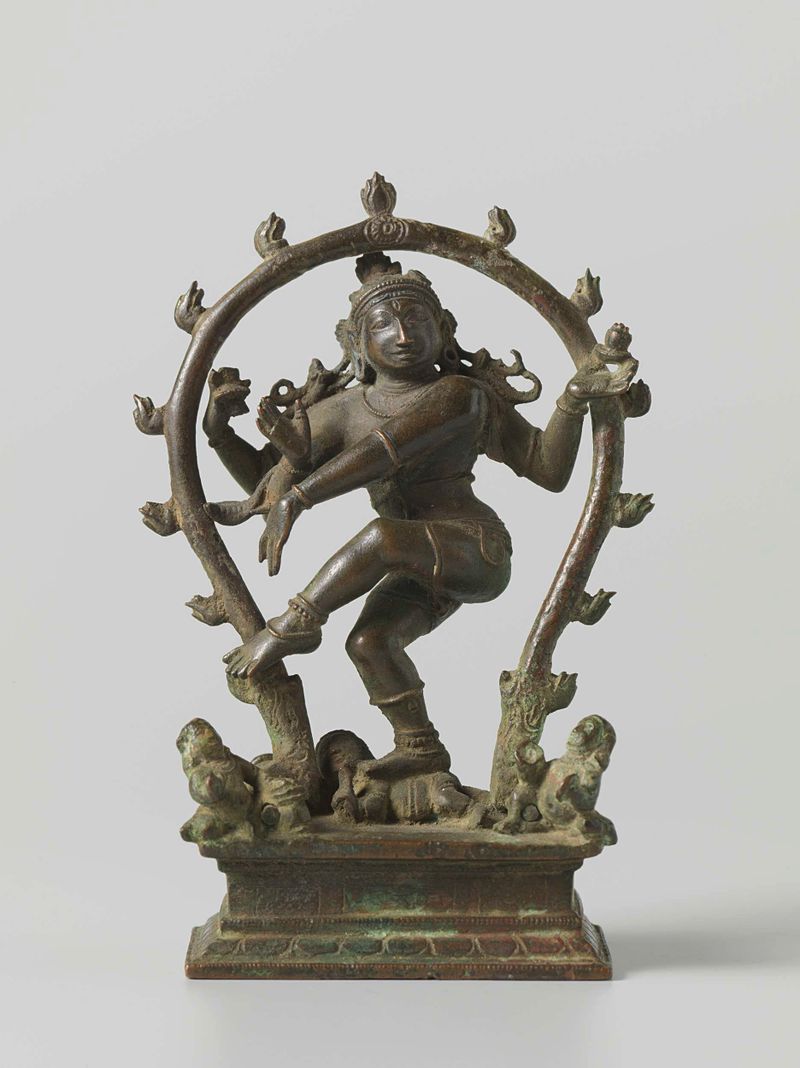
Shiva Nataraja
Unknown Artist

The Tale of Genji
Unknown Artist

The Tale of Genji
Unknown Artist

Cong
Unknown Artist
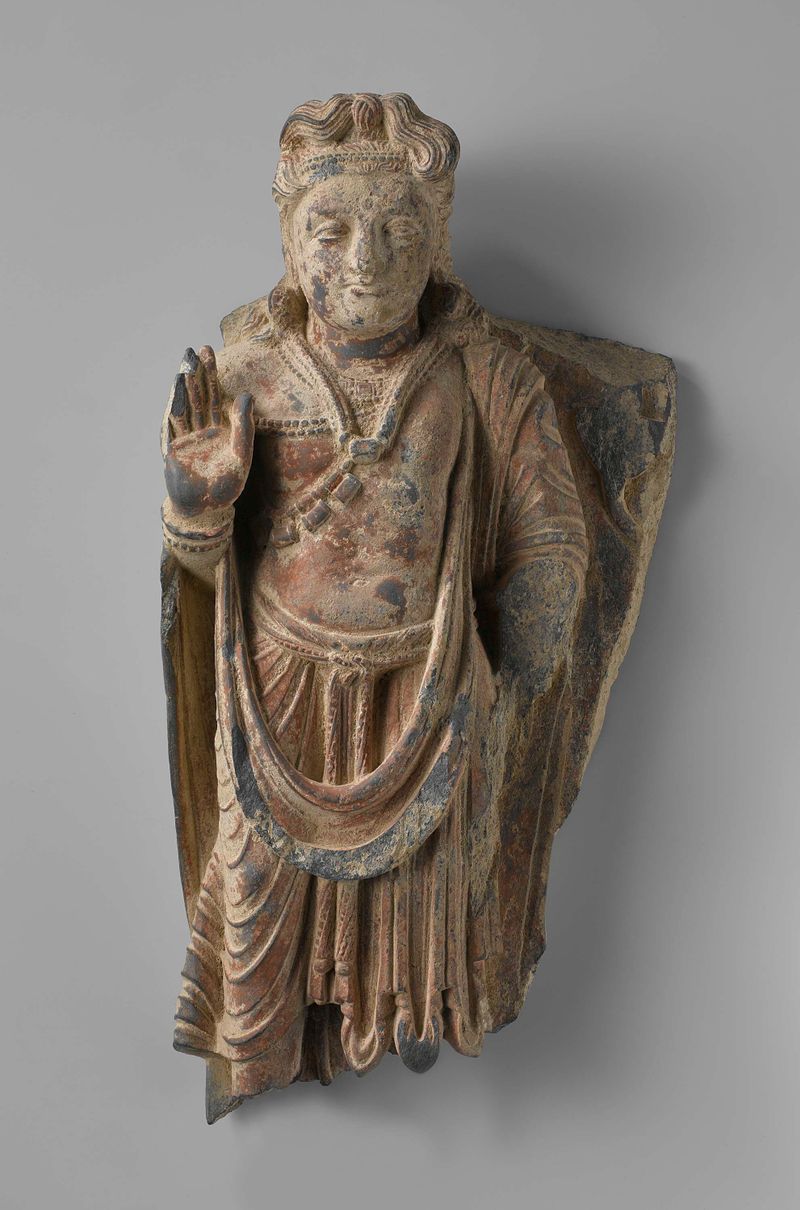
The bodhisattva Maitreya
Unknown Artist

Teabowl with a 'hare's fur' glaze
Unknown Artist