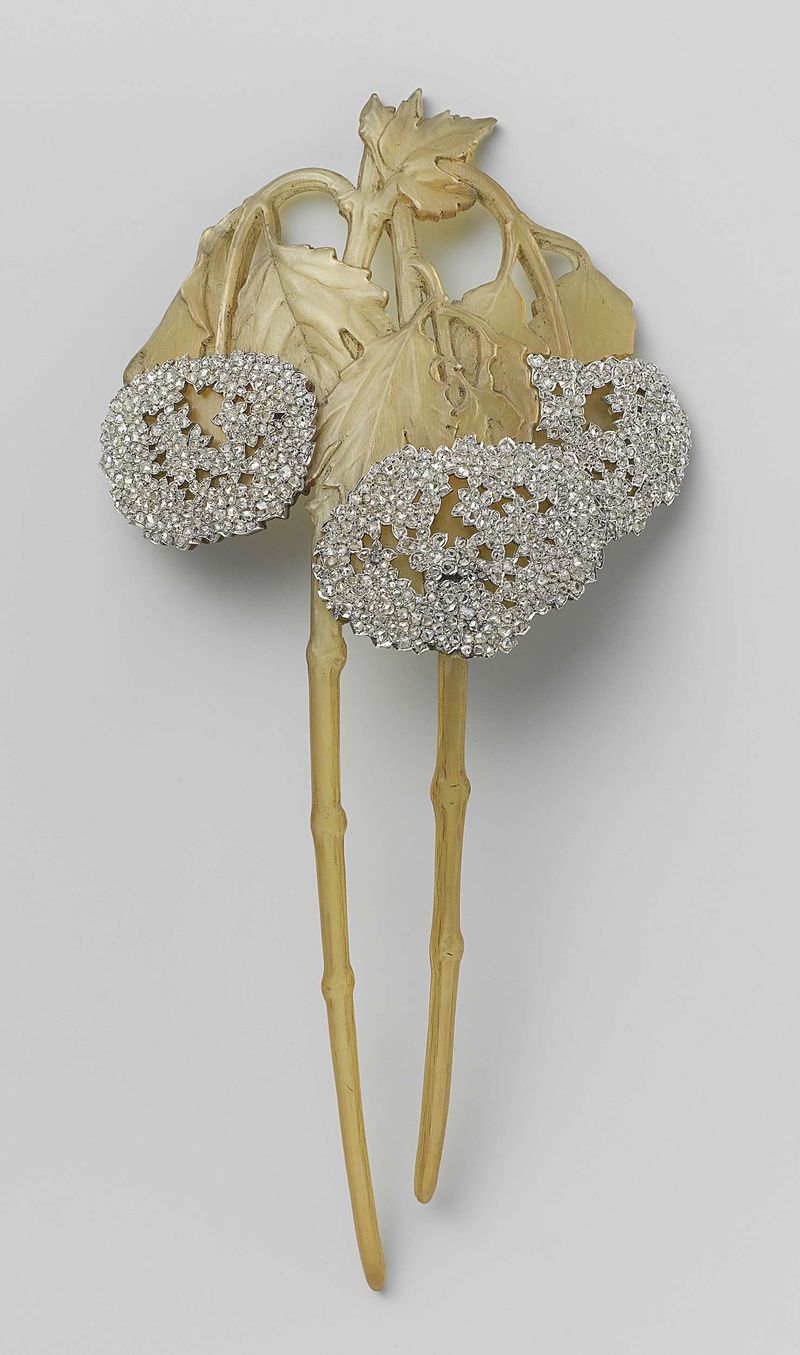
Strook kloskant met cartouche met drie rozetbloempjes langs de onderzijde en een waaiervormige bloem in de top — History & Facts
Where does light end, and longing begin? In the delicate interplay of lace and floral motifs, the boundaries blur, creating a vision that captivates the eye and ignites the imagination. Look closely at the intricate details of the lacework; the craftsmanship invites you to trace your fingers along the thread-like patterns. At the base, three rosette blossoms emerge like whispered secrets, their soft curves contrasting with the sharp lines of the cartouche. The airy, fan-like shape at the top draws the gaze upwards, elegantly framing the composition in a celebration of both structure and nature.
The use of subtle hues enhances the illusion of depth, allowing the viewer to almost feel the tactile softness of the fabric. Yet, beneath this beautiful façade lies a deeper commentary on the ephemeral nature of beauty and desire. The rosettes, while vibrant, may evoke a sense of nostalgia, suggesting that what is cherished is often fleeting. The wafting lines of the lace could symbolize the delicate threads of memory — here today, gone tomorrow.
This fusion of floral charm and textile artistry hints at the tension between reality and the allure of illusion, leaving us to ponder the true nature of what we see. The artwork, created between 1700 and 1899 by an unknown artist, reflects a time when decorative arts flourished, often mirroring the sentiments of the Baroque and Rococo periods. While historical context surrounding the artist is sparse, the intricate craftsmanship suggests a culture deeply invested in aesthetic beauty. This era was marked by a collective yearning for expression through refined techniques, emphasizing both personal and societal aspirations through the medium of lacework.
More Artworks by Unknown Artist
Browse all →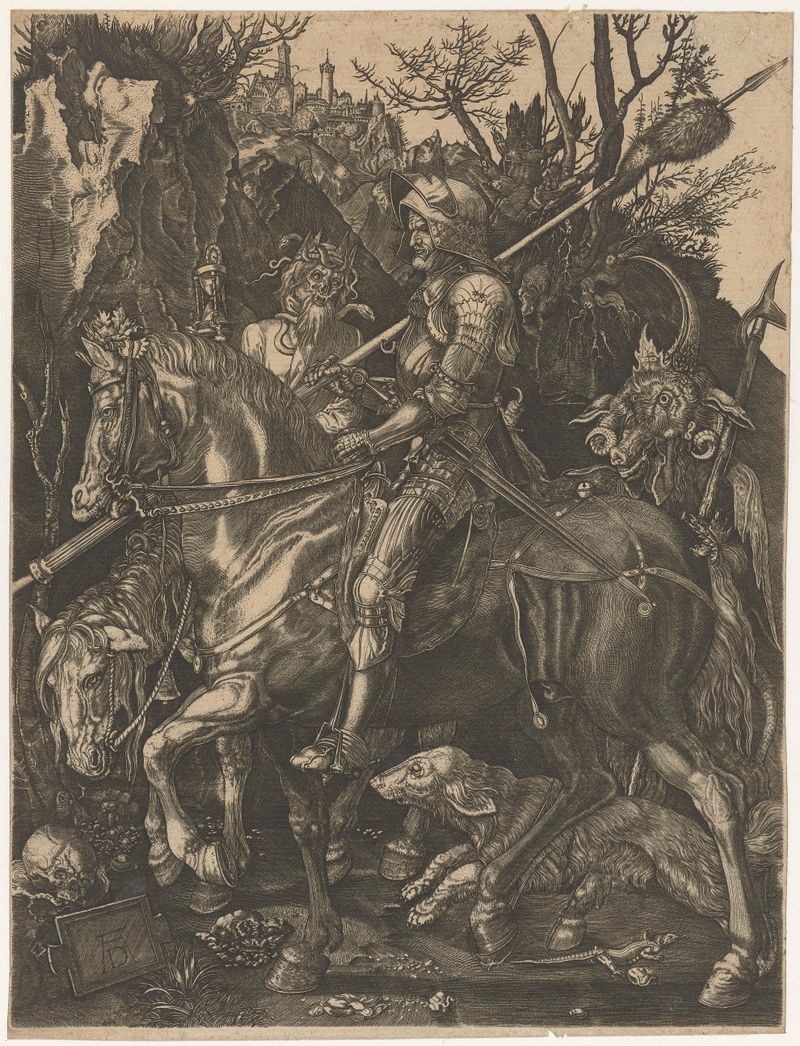
Ridder, Dood en Duivel
Unknown Artist
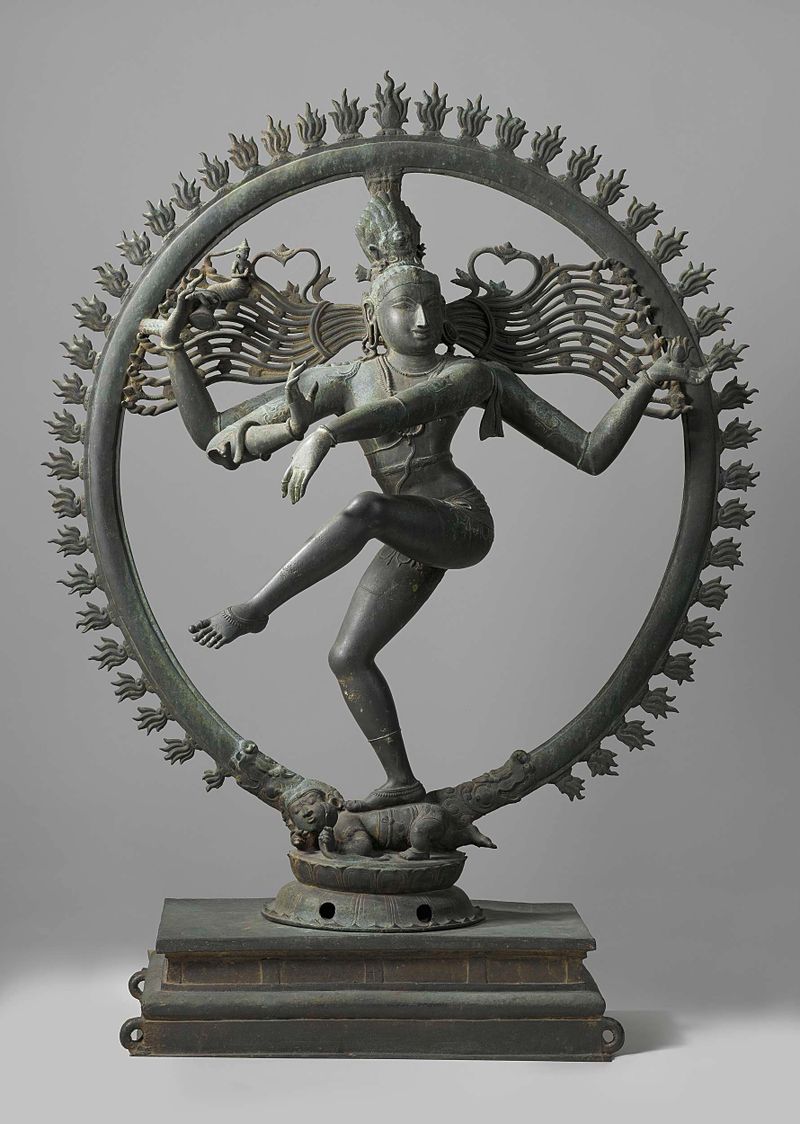
Shiva Nataraja
Unknown Artist
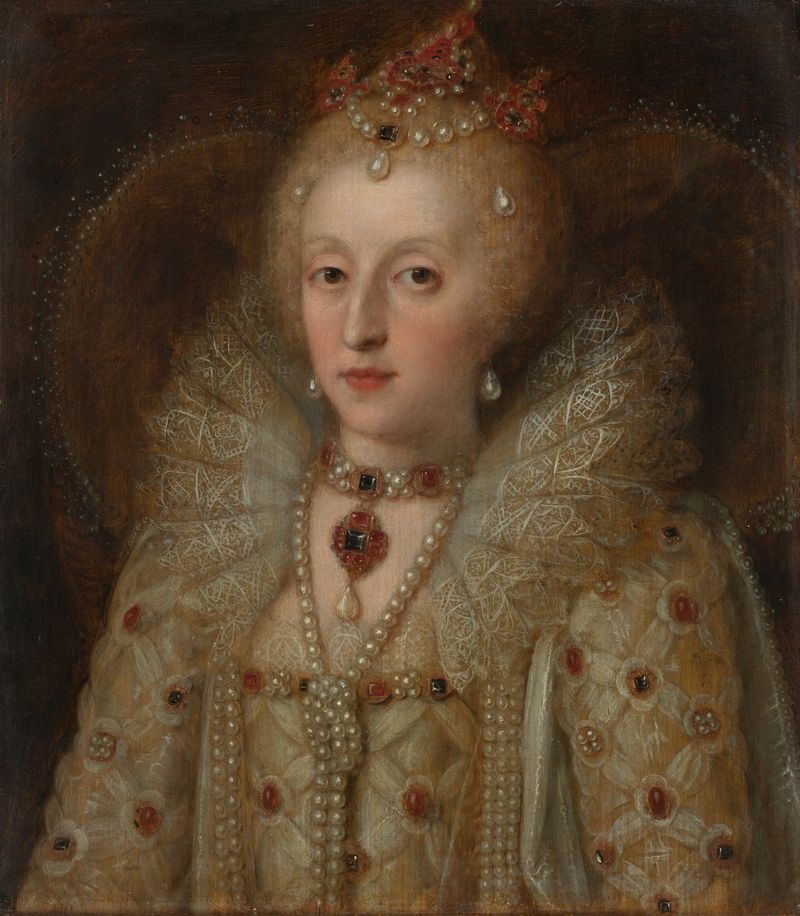
Portrait of Elizabeth I, Queen of England
Unknown Artist
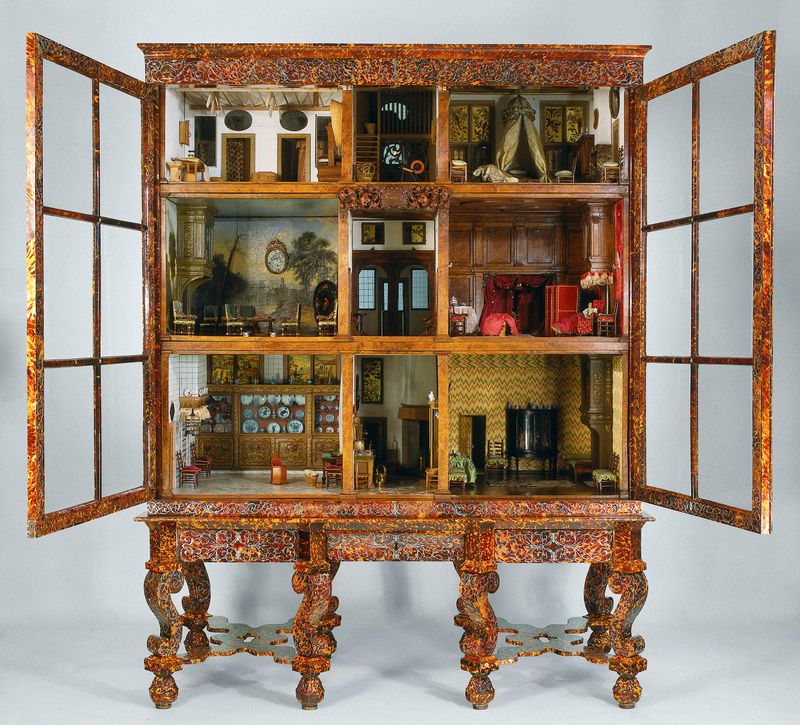
Dolls’ house of Petronella Oortman
Unknown Artist
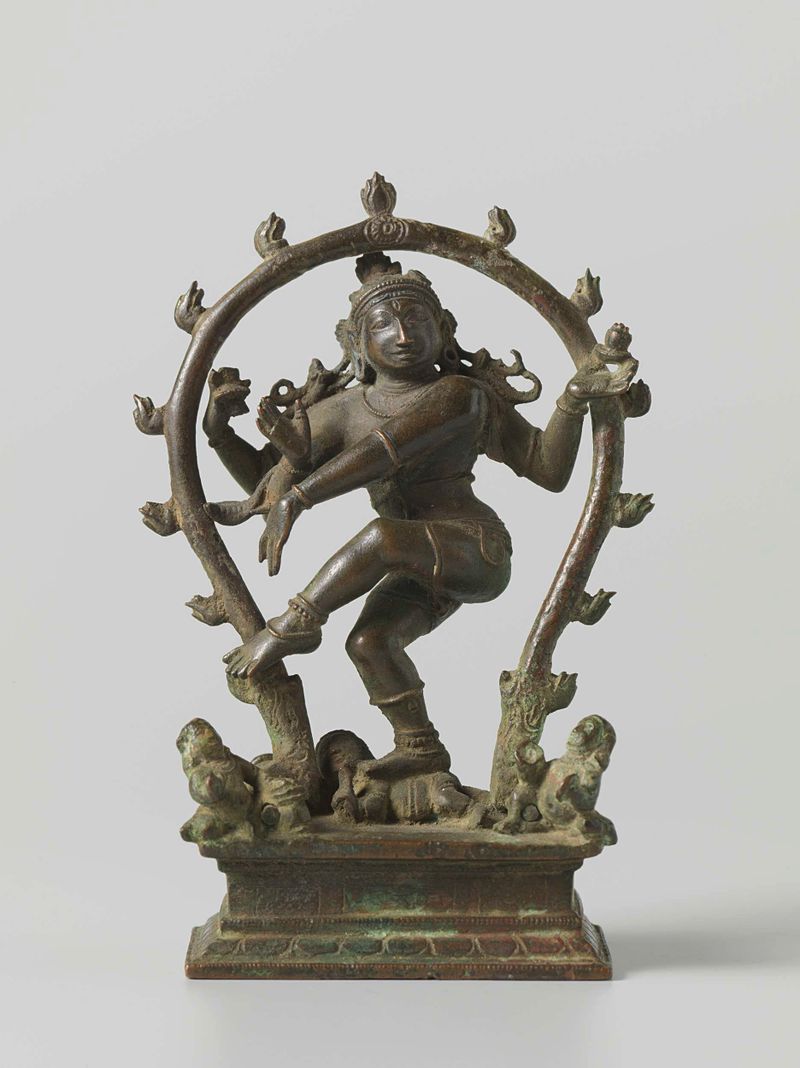
Shiva Nataraja
Unknown Artist

The Tale of Genji
Unknown Artist

The Tale of Genji
Unknown Artist

Cong
Unknown Artist
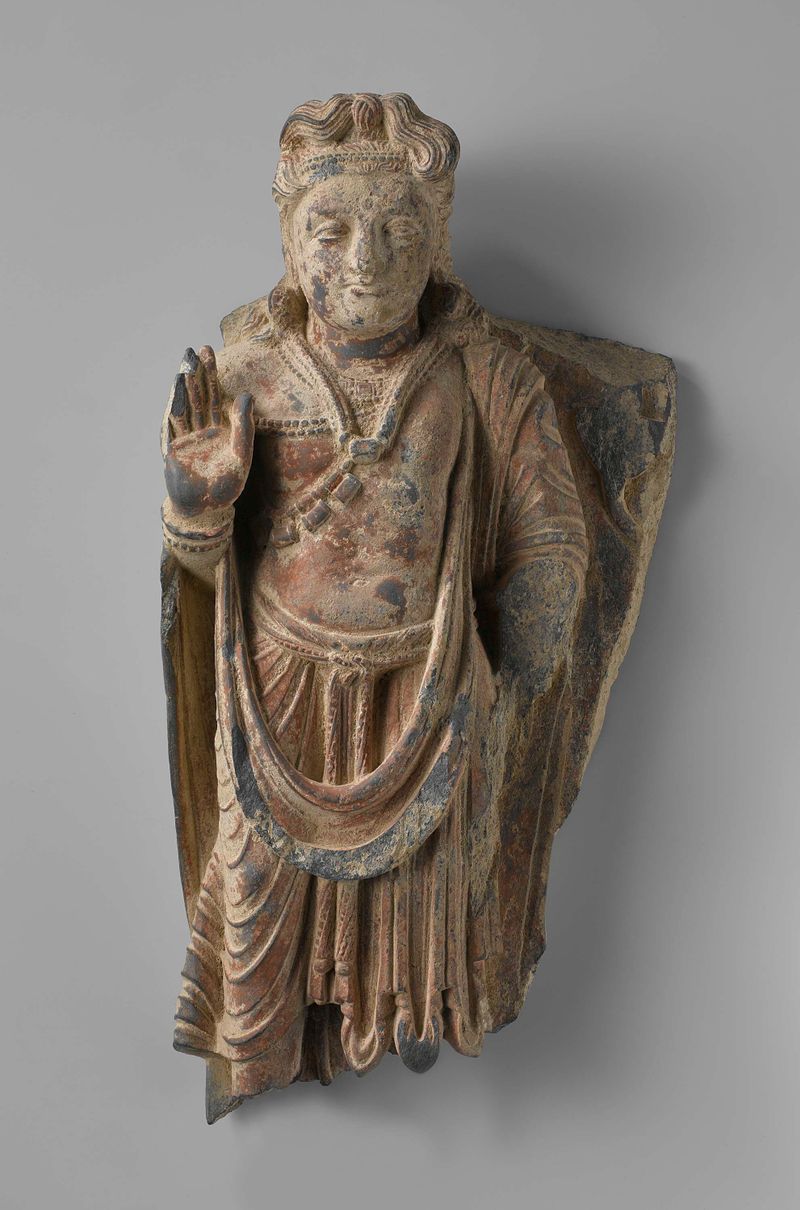
The bodhisattva Maitreya
Unknown Artist

Teabowl with a 'hare's fur' glaze
Unknown Artist