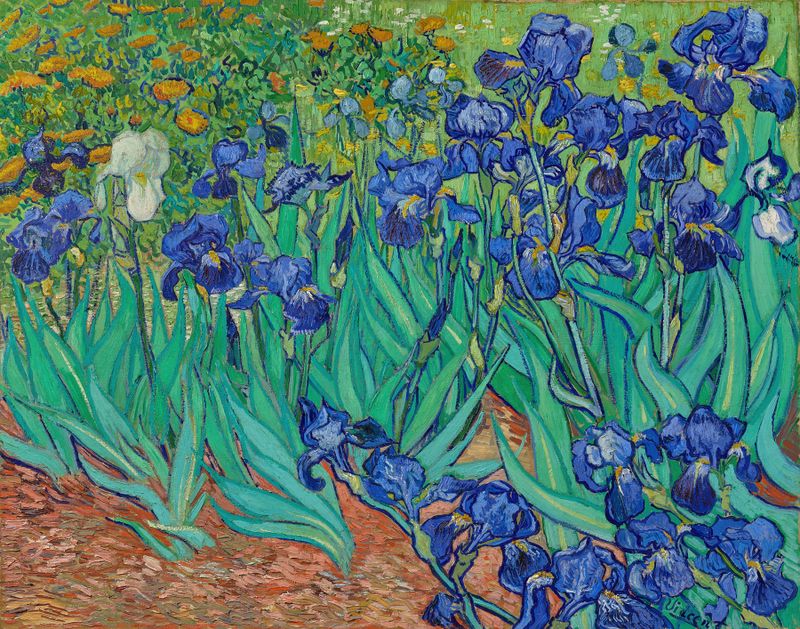
Strook kloskant met distels in bloempot — History & Facts
When did color learn to lie? The brilliance of hues can often mask the deeper truths that lie beneath the surface. In the deft hands of an unknown artist from the 17th century, this painting reveals the delicate interplay between reality and perception, beckoning viewers to unearth its hidden revelations. Look closely at the vibrant greens that swirl around the thorns of the thistle, which stand defiantly in their ceramic pot. Notice how the light dances across the leaves, casting soft shadows that give life and dimension to the composition.
The artist's meticulous brushwork emphasizes the intricate details of each bloom, drawing the eye towards the contrasting elements of fragility and strength. The juxtaposition of the bold thistles against the subdued, earthy tones of the pot invites contemplation on the relationship between beauty and hardship. Beyond its lush color palette lies a poignant commentary on resilience. The thistle, often seen as a weed, challenges our understanding of worth and survival.
These prickly flowers, admired yet disregarded, embody the tension between societal judgment and personal value. The painting's stillness invites viewers to reflect on the ambiguity of beauty—how it can flourish in the most unexpected places, revealing the dualities of existence itself. This work was created during the mid-17th century, a period marked by the flourishing of still-life painting in Northern Europe. The artist, whose identity remains a mystery, was likely influenced by the burgeoning interest in naturalism and the meticulous representation of everyday objects.
The era was ripe with exploration and introspection, and this piece stands as a testament to the era's quest for deeper meaning amidst the ordinary.
More Artworks by Unknown Artist
Browse all →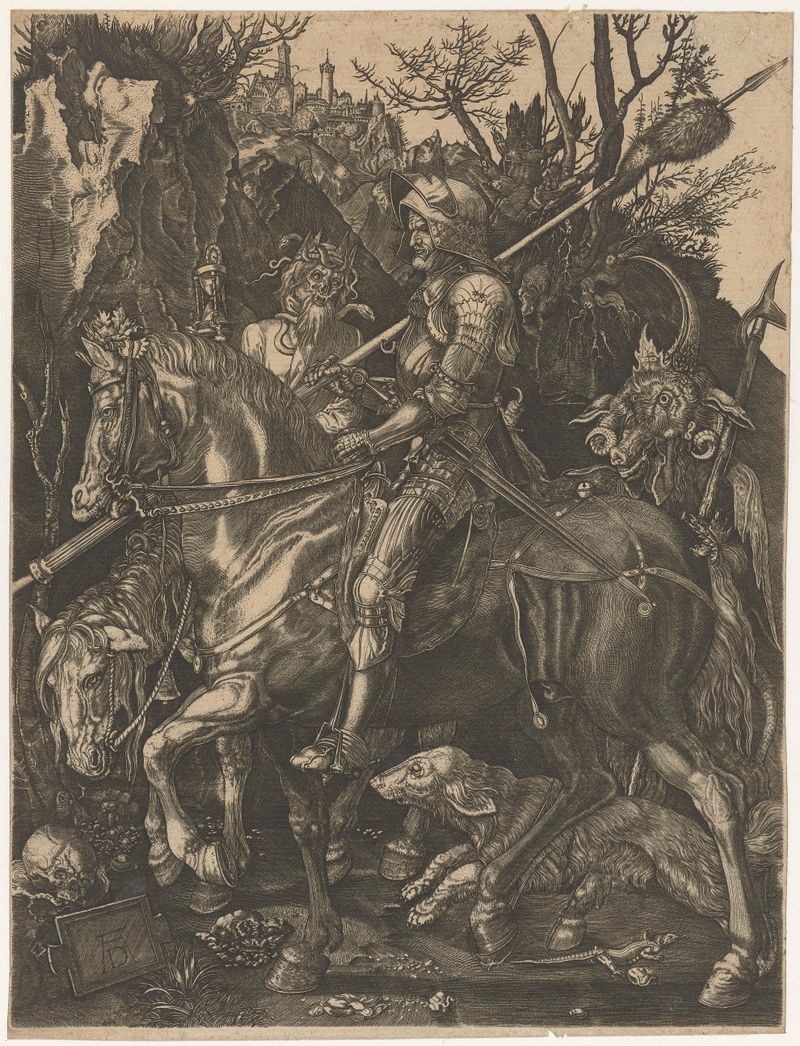
Ridder, Dood en Duivel
Unknown Artist
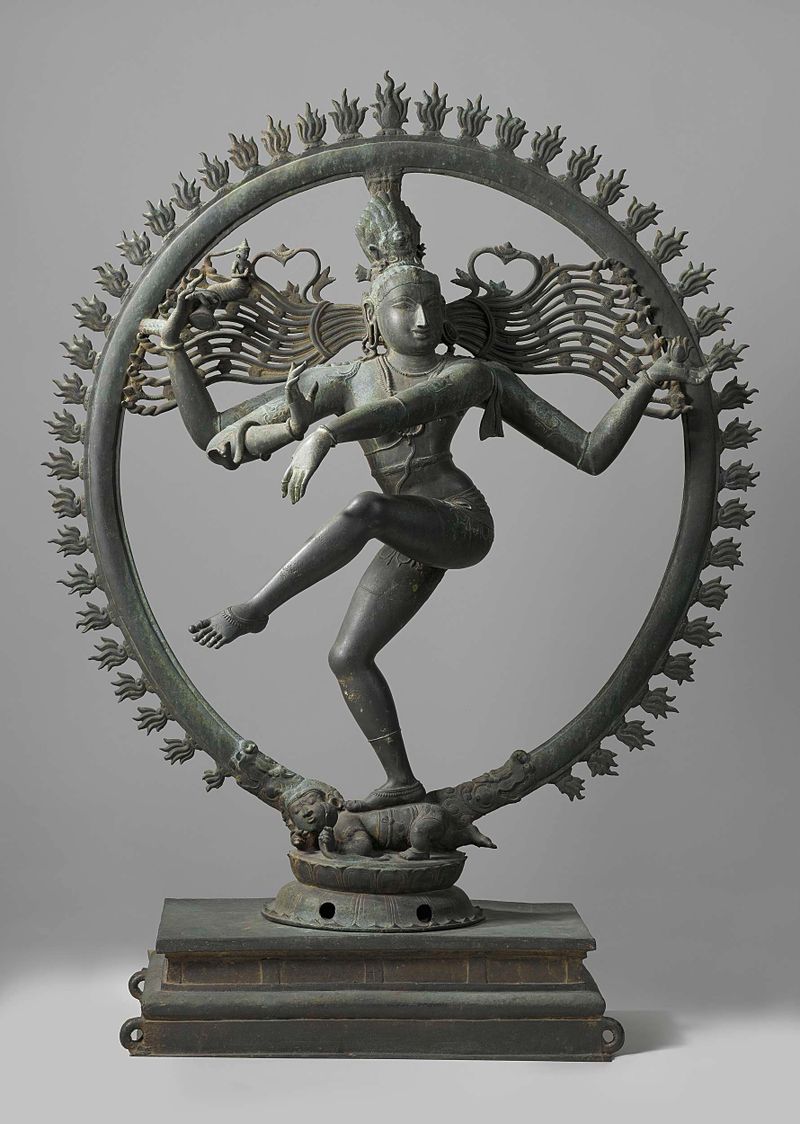
Shiva Nataraja
Unknown Artist
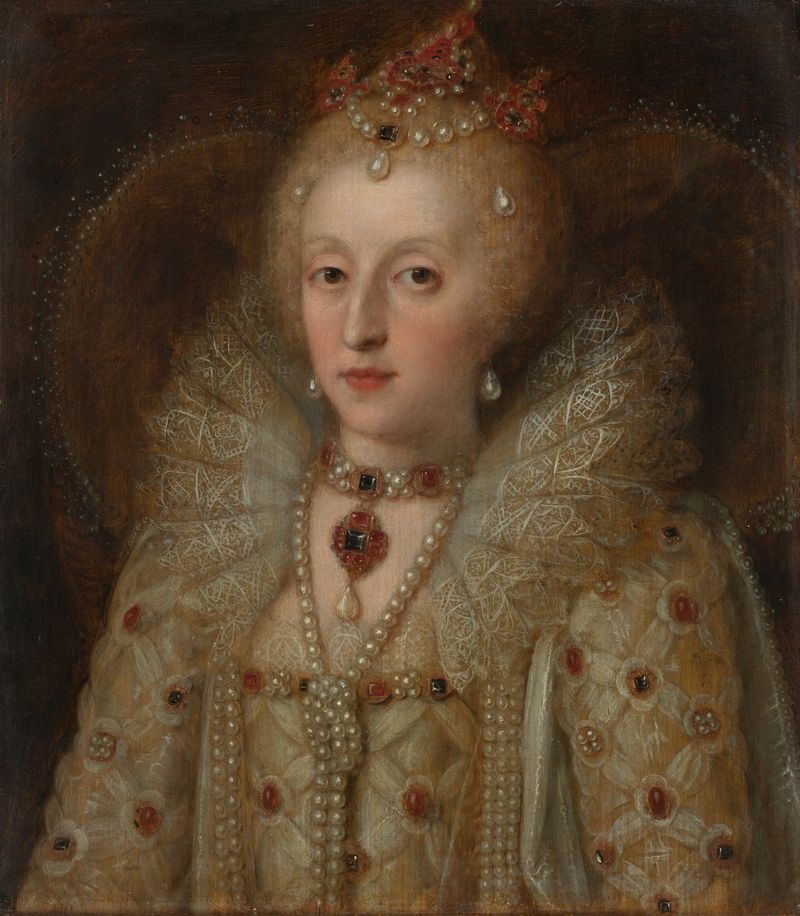
Portrait of Elizabeth I, Queen of England
Unknown Artist
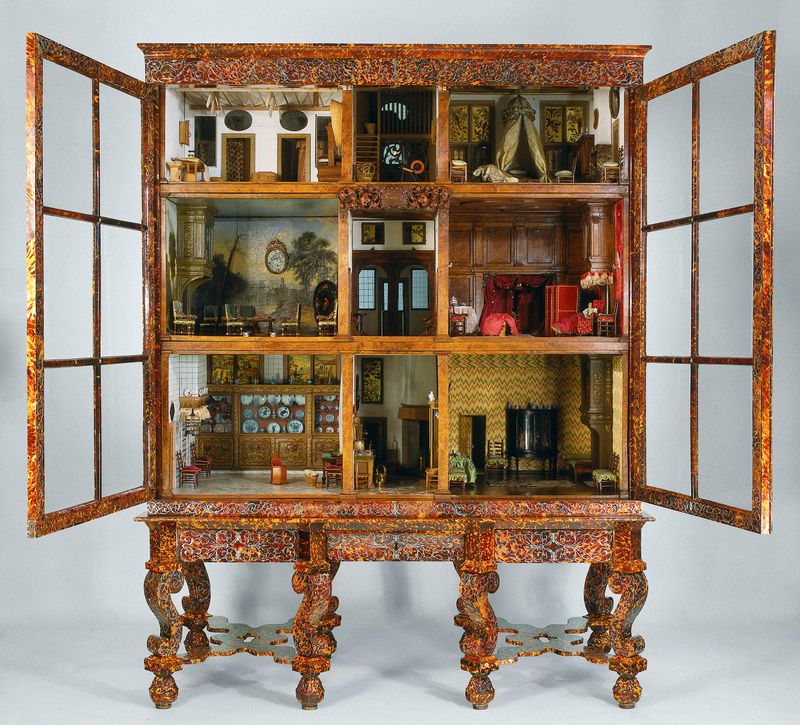
Dolls’ house of Petronella Oortman
Unknown Artist
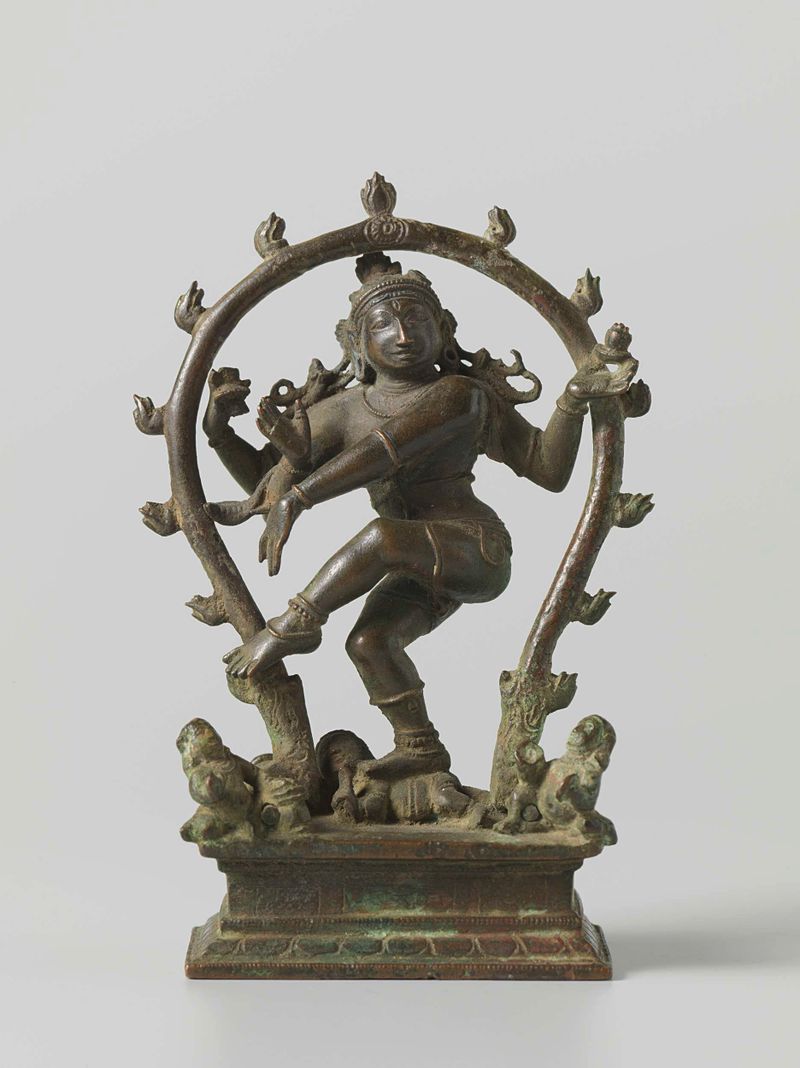
Shiva Nataraja
Unknown Artist

The Tale of Genji
Unknown Artist

The Tale of Genji
Unknown Artist
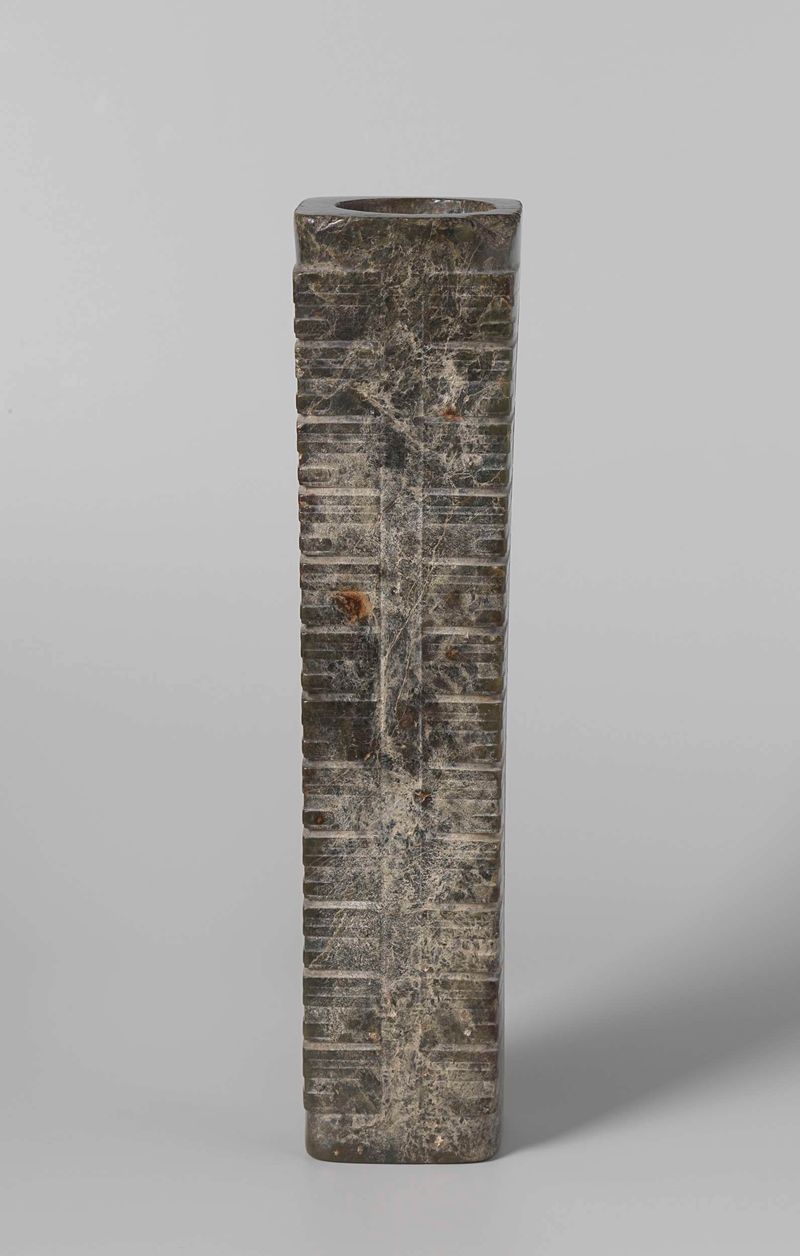
Cong
Unknown Artist
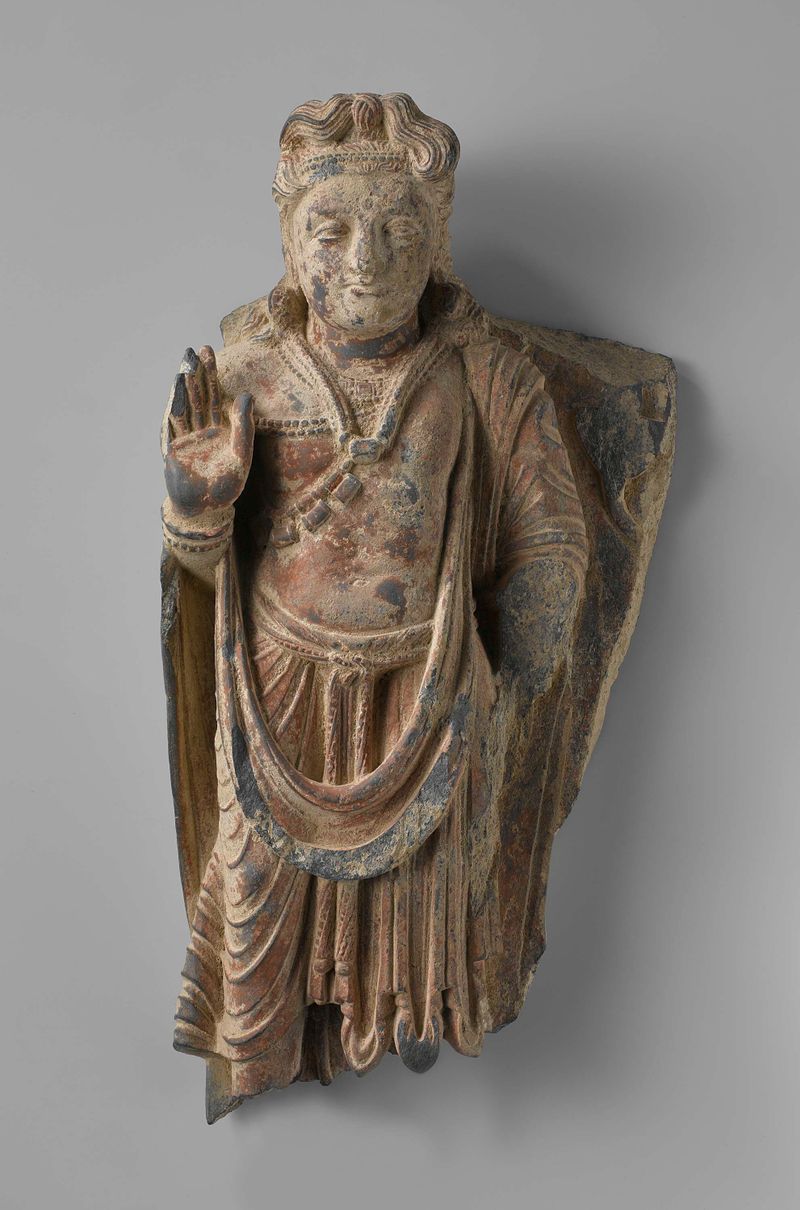
The bodhisattva Maitreya
Unknown Artist
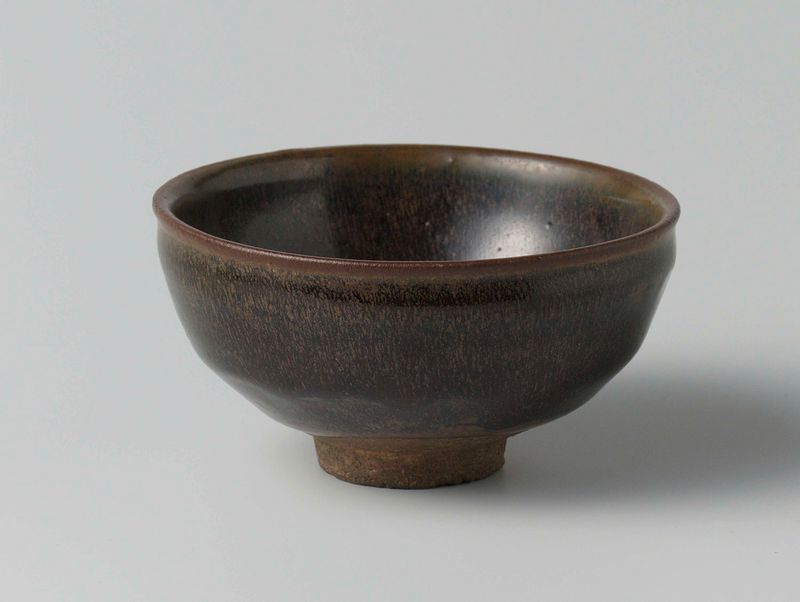
Teabowl with a 'hare's fur' glaze
Unknown Artist