Strook kloskant met driehoekig veld met zich splitsende tak — History & Facts
Can paint confess what words never could? In the delicate dance of color and texture, there lies an awakening, a whisper of emotions waiting to be uncovered. Look to the center of this intricate textile work, where the triangular field emerges, a silent sentinel amid the delicate lace patterns. The intertwining threads, meticulously crafted, form a tapestry that draws the eye in with their rhythmic harmony. Notice the way light catches on the raised edges, creating a shimmering effect that suggests a life of its own, animating the lace with a vibrancy that belies its stillness.
The muted palette of soft whites and creams contrasts gently with the sharper angles, evoking an interplay of fragility and strength. Within the lacework, one can discern a story woven into the very fibers. The split branches symbolize duality—life’s paths diverging yet intimately connected—invoking themes of choice and consequence. The meticulous craftsmanship speaks to the artist’s devotion, suggesting not just a functional piece but a personal expression, possibly reflecting the nuances of emotional bonds.
Each thread seems imbued with meaning, as if the mundane became the extraordinary through careful attention, urging viewers to look deeper into the fabric of human experience. Created around 1700, this piece emerged during a period rich with artistic exploration, where decorative arts began to flourish in Europe. The unknown artist, operating in an era when craftsmanship was both an art and a necessity, likely navigated the complexities of a world undergoing social change. This work, with its intricate details, stands as a testament to the era’s aesthetic sensibilities and the rich cultural tapestry from which it sprang.
More Artworks by Unknown Artist
Browse all →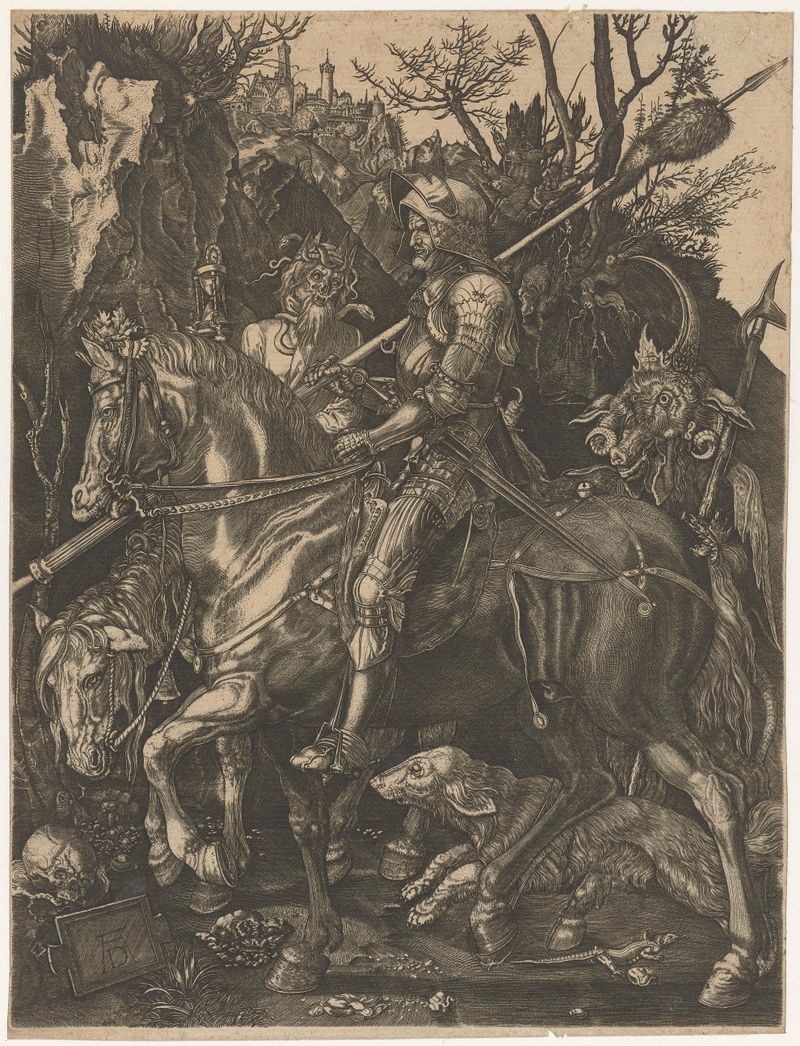
Ridder, Dood en Duivel
Unknown Artist
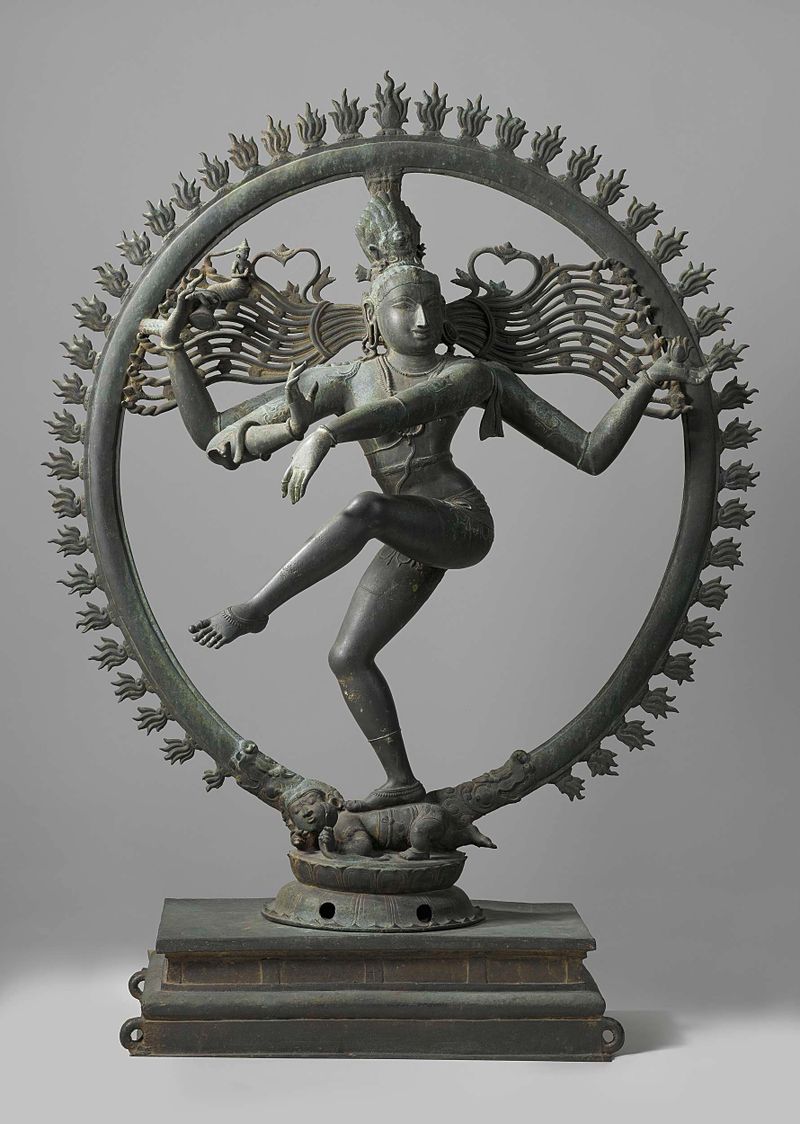
Shiva Nataraja
Unknown Artist
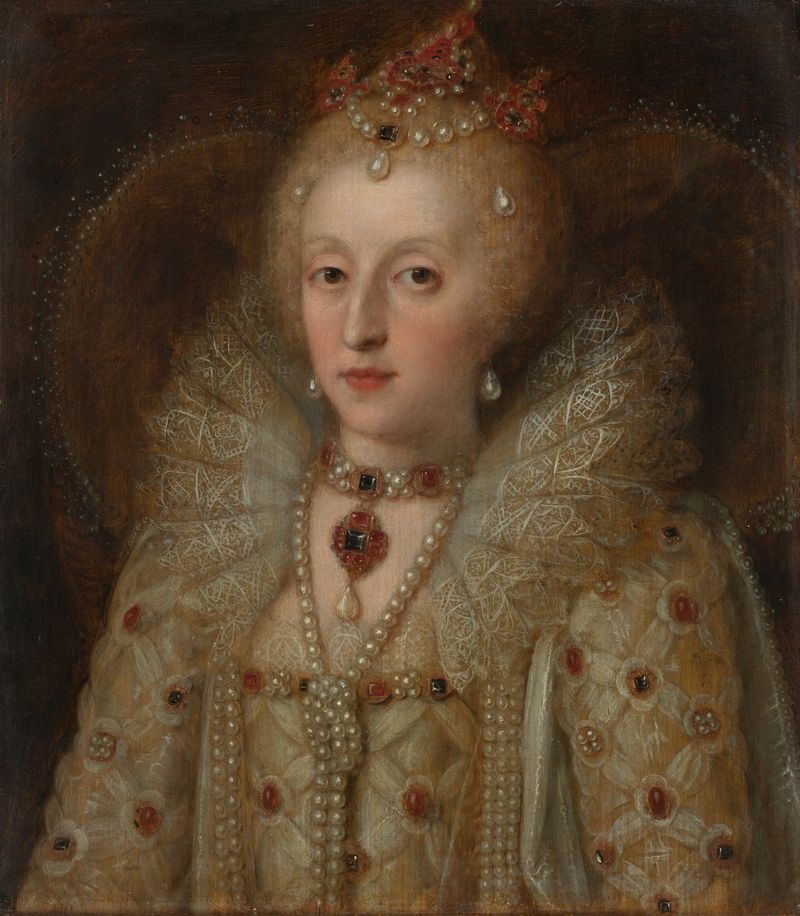
Portrait of Elizabeth I, Queen of England
Unknown Artist
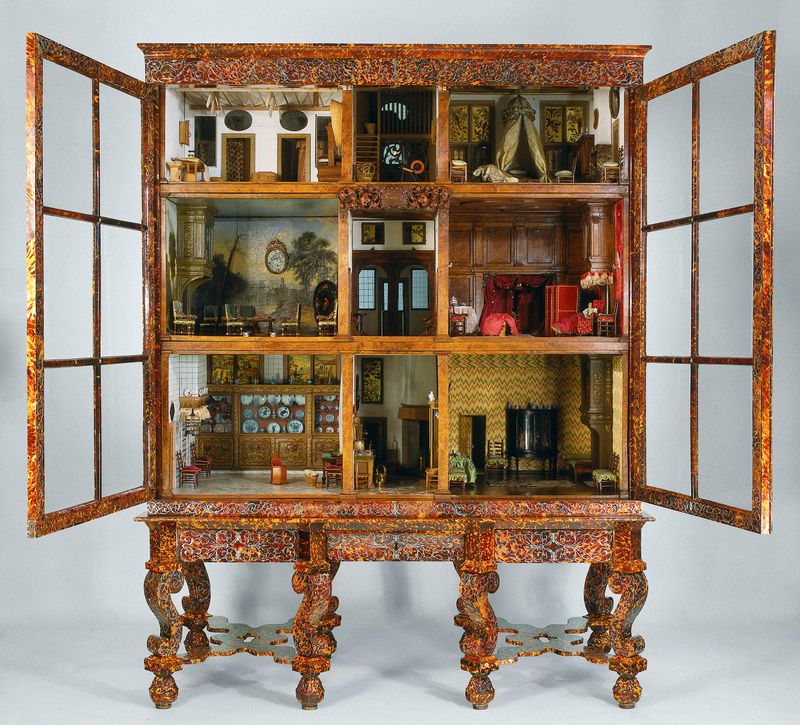
Dolls’ house of Petronella Oortman
Unknown Artist
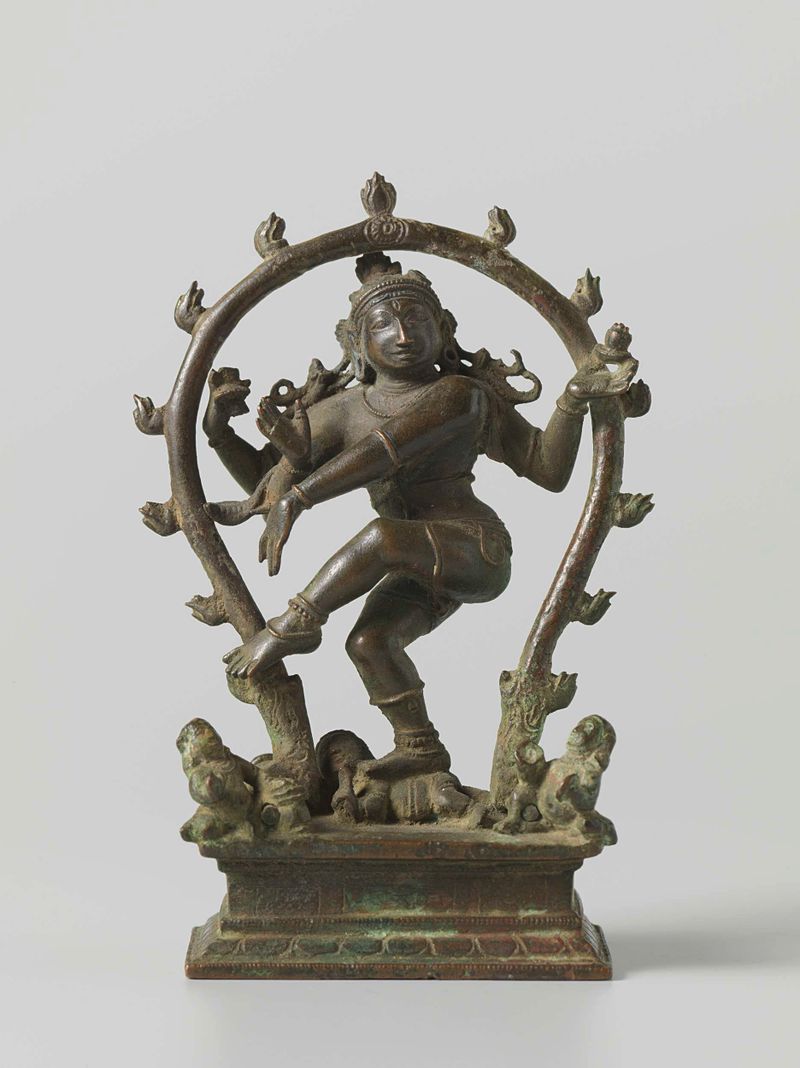
Shiva Nataraja
Unknown Artist

The Tale of Genji
Unknown Artist

The Tale of Genji
Unknown Artist
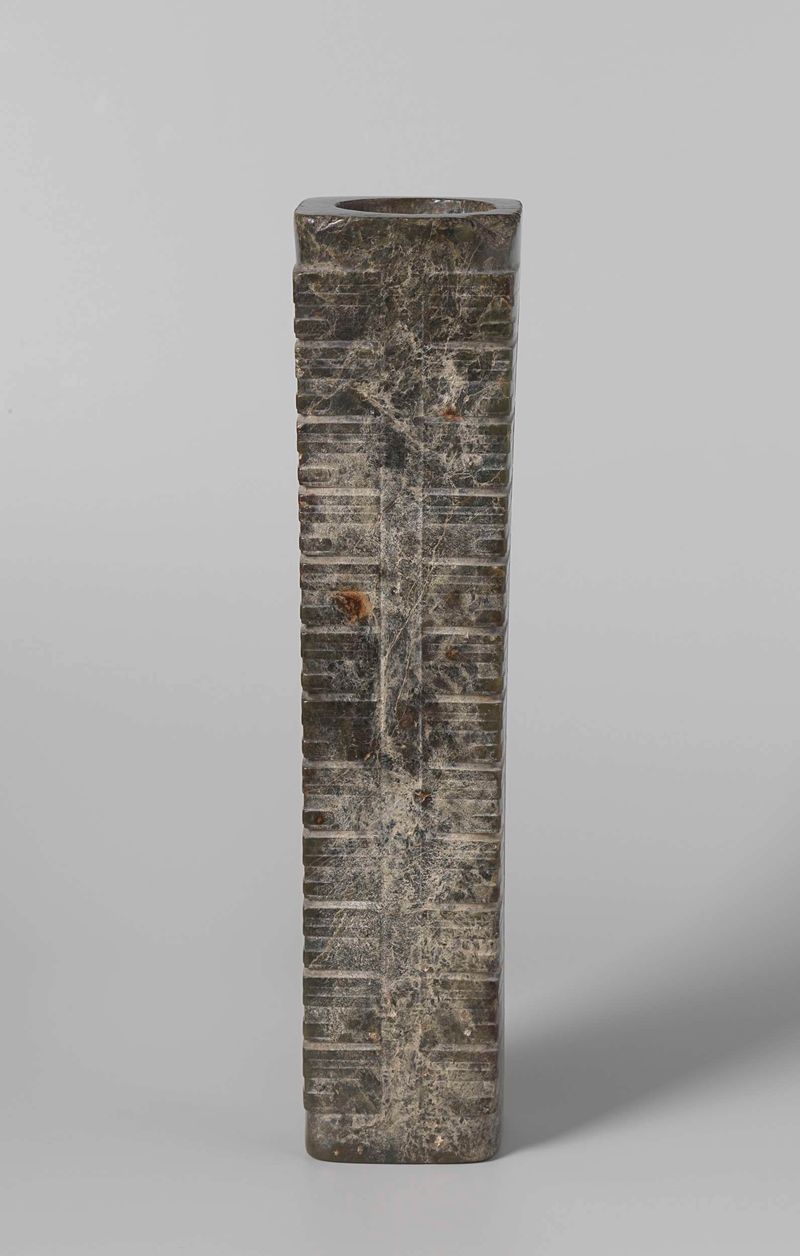
Cong
Unknown Artist
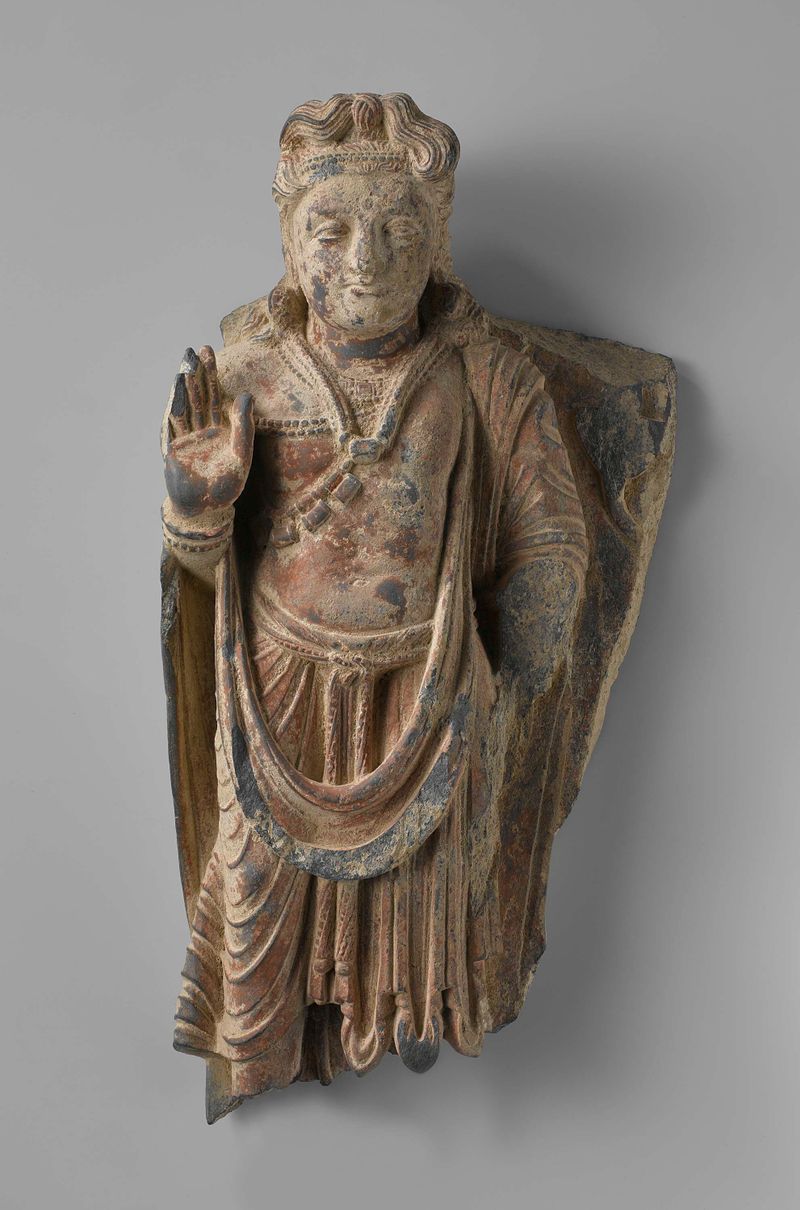
The bodhisattva Maitreya
Unknown Artist
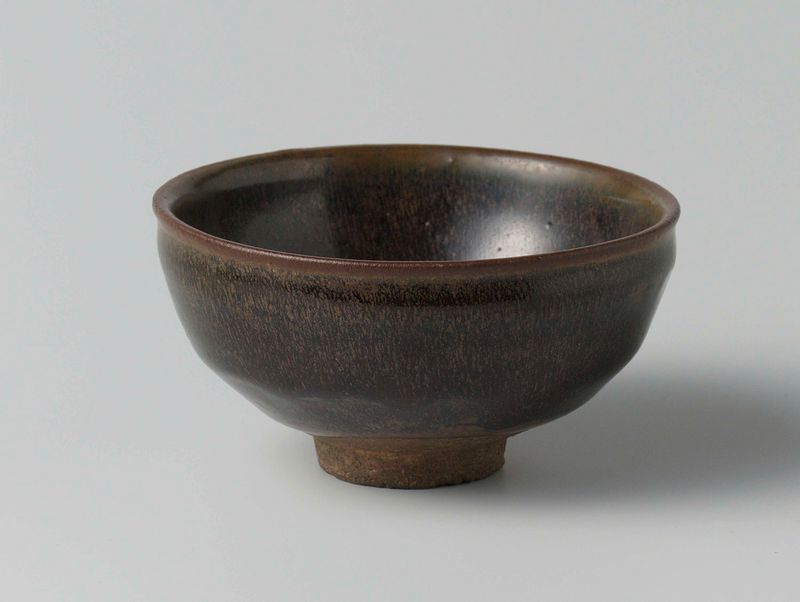
Teabowl with a 'hare's fur' glaze
Unknown Artist