Strook kloskant met dubbele driebladige bloem — History & Facts
Who listens when art speaks of silence? In the intricate fabric of Strook kloskant met dubbele driebladige bloem, a delicate interplay of threads whispers stories of beauty amidst the shadows of violence. Look closely at the intricate lacework unfurling from the canvas, where the double three-leaved flower takes center stage. Notice how the soft hues of ivory and cream contrast with the sharp precision of the patterns, creating a rhythm reminiscent of nature’s gentle curves. The lace, though delicate, demonstrates an undeniable strength in its composition, where each stitch seems to hold a breath, waiting for a moment to break the silence. Yet beneath its surface charm lies an unsettling tension.
The juxtaposition of fragility and violence manifests in the way the lace embodies the complexity of existence; it is both an emblem of refinement and a reminder of the harsh realities women faced in the 18th century, often reduced to the role of mere adornment in a patriarchal society. The meticulous detail captures not just beauty, but also the labor and suffering woven into the fabric, each thread a silent testimony. Created between 1700 and 1749, this piece reflects a time when craftsmanship flourished while societal constraints tightened. The artist, unknown yet skilled, operated within a realm where art was a reflection of status and femininity, amid the burgeoning baroque influences.
This period was marked by both the pursuit of elegance and the underlying currents of violence that shaped the lives of those who created, and those who wore, such exquisite adornments.
More Artworks by Unknown Artist
Browse all →
Ridder, Dood en Duivel
Unknown Artist
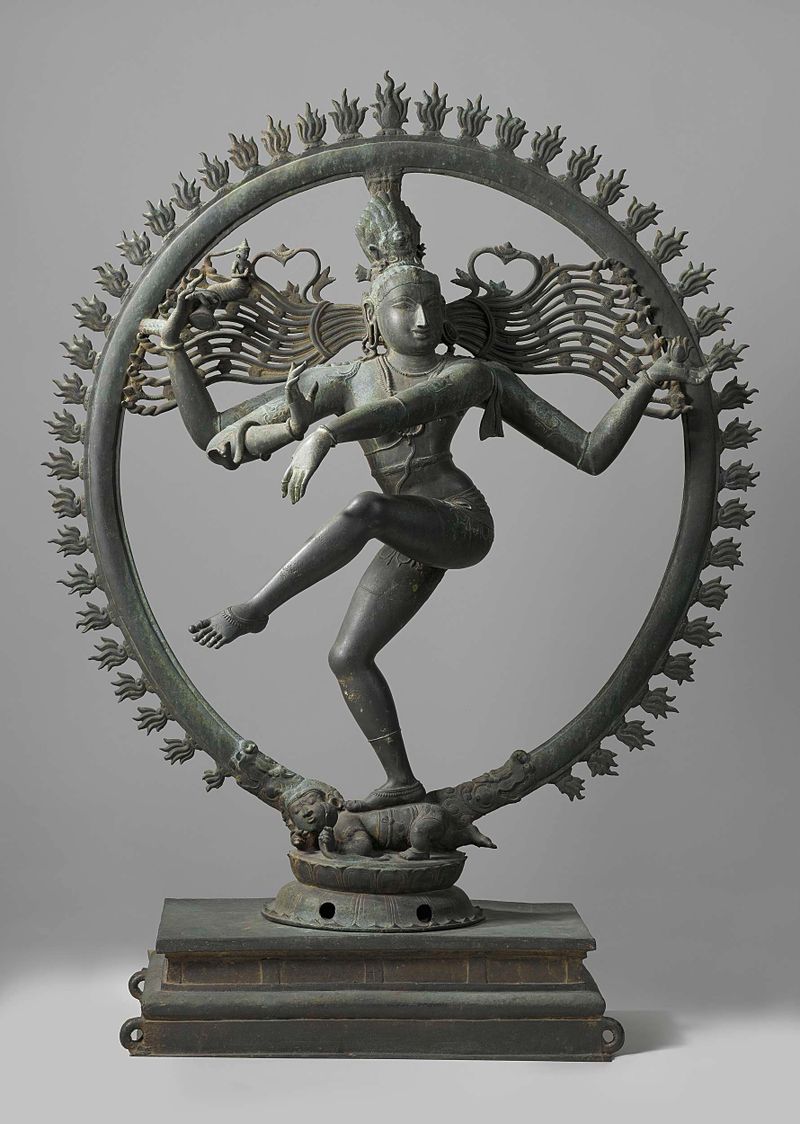
Shiva Nataraja
Unknown Artist
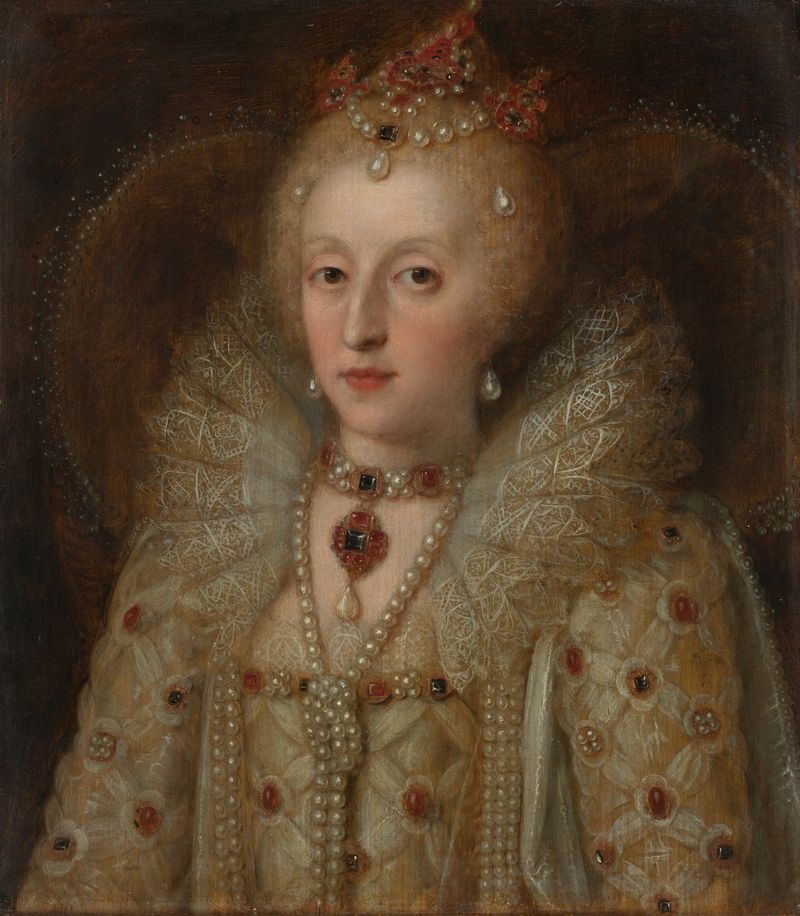
Portrait of Elizabeth I, Queen of England
Unknown Artist
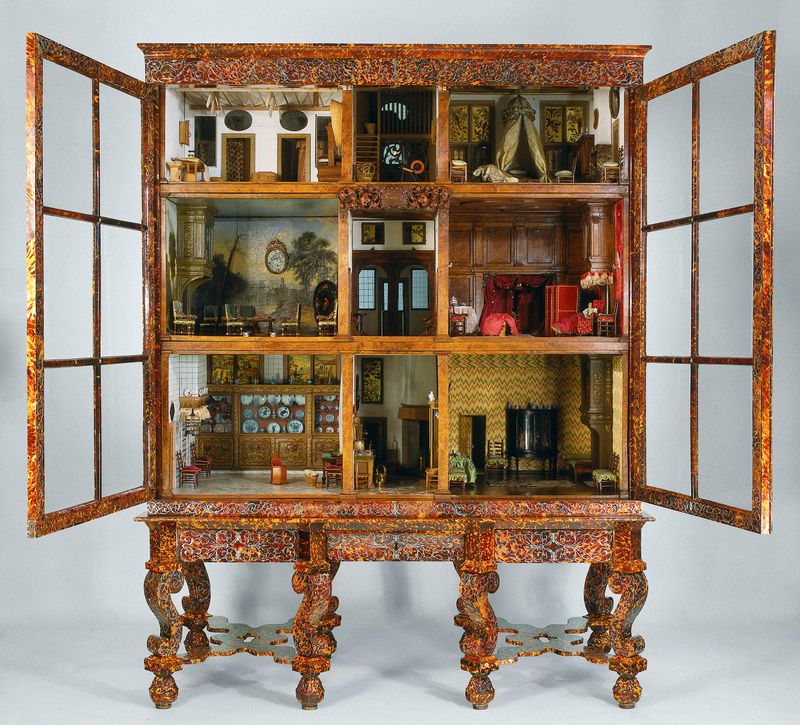
Dolls’ house of Petronella Oortman
Unknown Artist
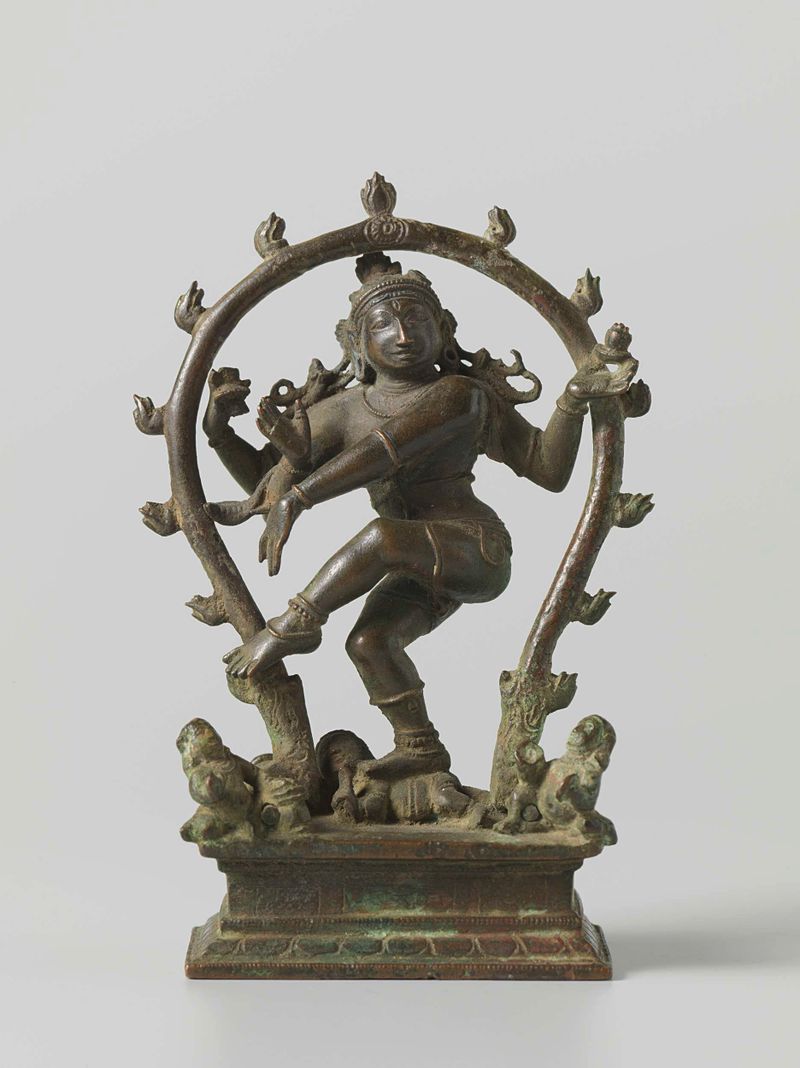
Shiva Nataraja
Unknown Artist

The Tale of Genji
Unknown Artist

The Tale of Genji
Unknown Artist

Cong
Unknown Artist
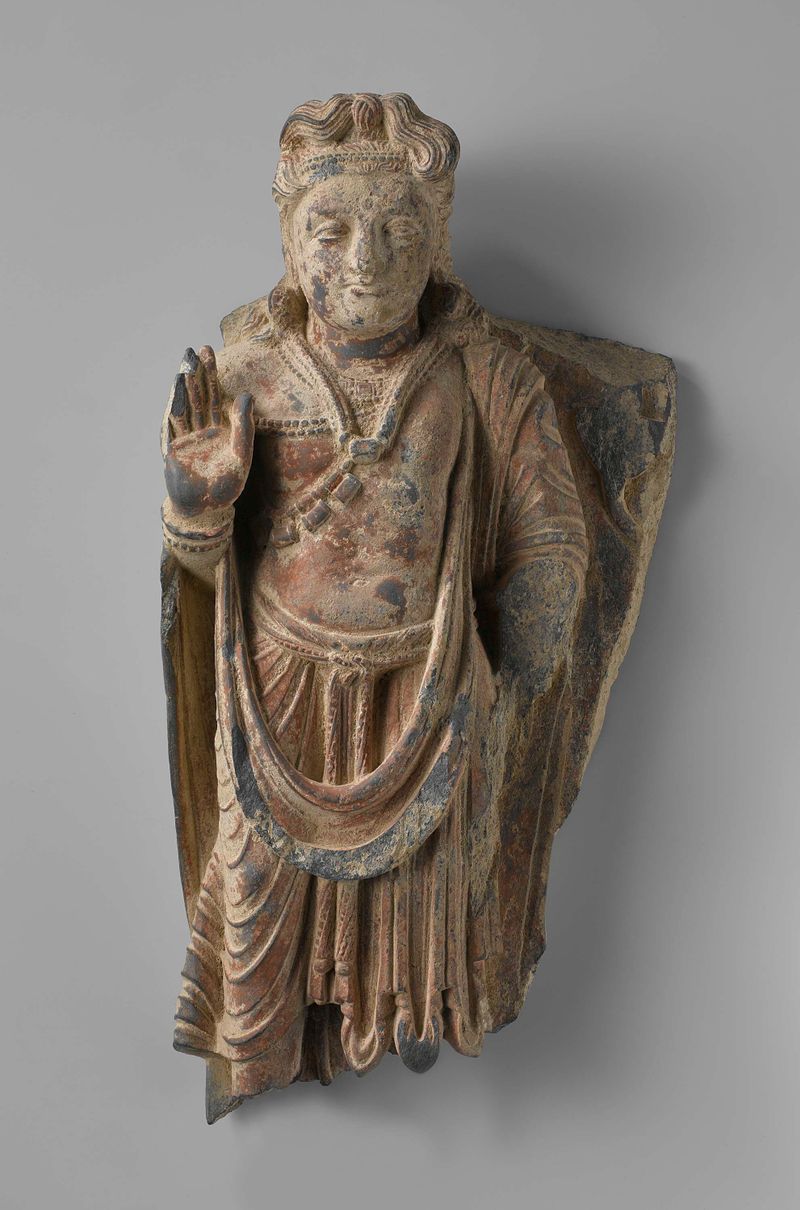
The bodhisattva Maitreya
Unknown Artist

Teabowl with a 'hare's fur' glaze
Unknown Artist