Strook kloskant met een boog van zesbladige bloemen en waaier — History & Facts
This sentiment resonates deeply with the intricate work before us, as it invites us into a dialogue between the ephemeral and the eternal. Look closely at the delicate lacework that unfurls across the canvas; the intricate patterns of six-petaled flowers and fan-like motifs draw the eye in a graceful spiral. The artist’s meticulous attention to detail is evident in the way the light dances upon the lace, enhancing its textural complexity. Soft whites and muted pastels dominate, creating a sense of airiness, while subtle shadowing adds depth and dimension.
The composition feels both structured and organic, celebrating the beauty of craftsmanship through a seemingly effortless elegance. Yet beneath the surface of this ornamental piece lies a deeper tension—an interplay between fragility and strength. Each flower, while radiant, carries the weight of time and memory, emblematic of the transient nature of beauty. The delicate lattice, often associated with femininity and domesticity, also reflects a deeper longing for transcendence, as if the artist sought to capture not just decoration but a fleeting moment of grace that defies the passage of years.
This lacework speaks to the fragility of human experiences, merging the intricate and the ephemeral in a harmonious dialogue. Created between 1750 and 1760, this piece emerges from a period rich in ornate artistic traditions, marked by a fascination with decorative arts and nature in the Rococo era. The unknown artist, working during a time when craftsmanship and aesthetics were deeply valued, contributed to a movement that celebrated beauty in everyday life. In the broader context, as Europe experienced political and social shifts, this artwork serves as a reminder of the enduring power of art to encapsulate both the delicate and the significant moments of our existence.
More Artworks by Unknown Artist
Browse all →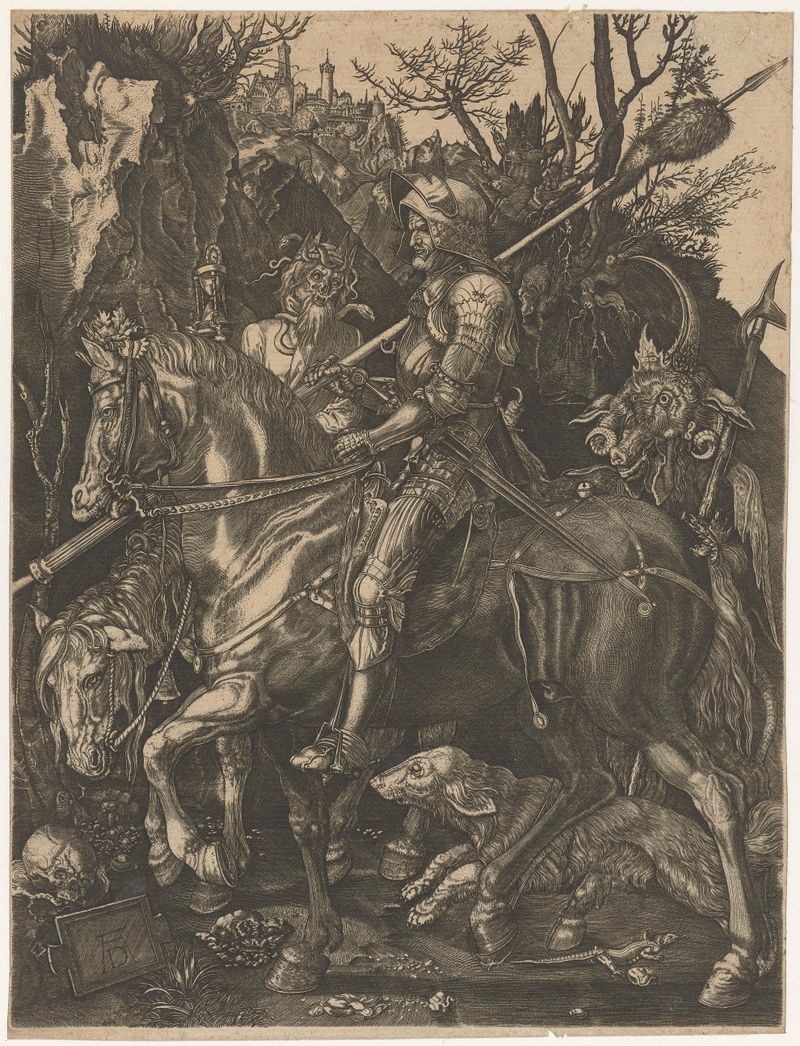
Ridder, Dood en Duivel
Unknown Artist
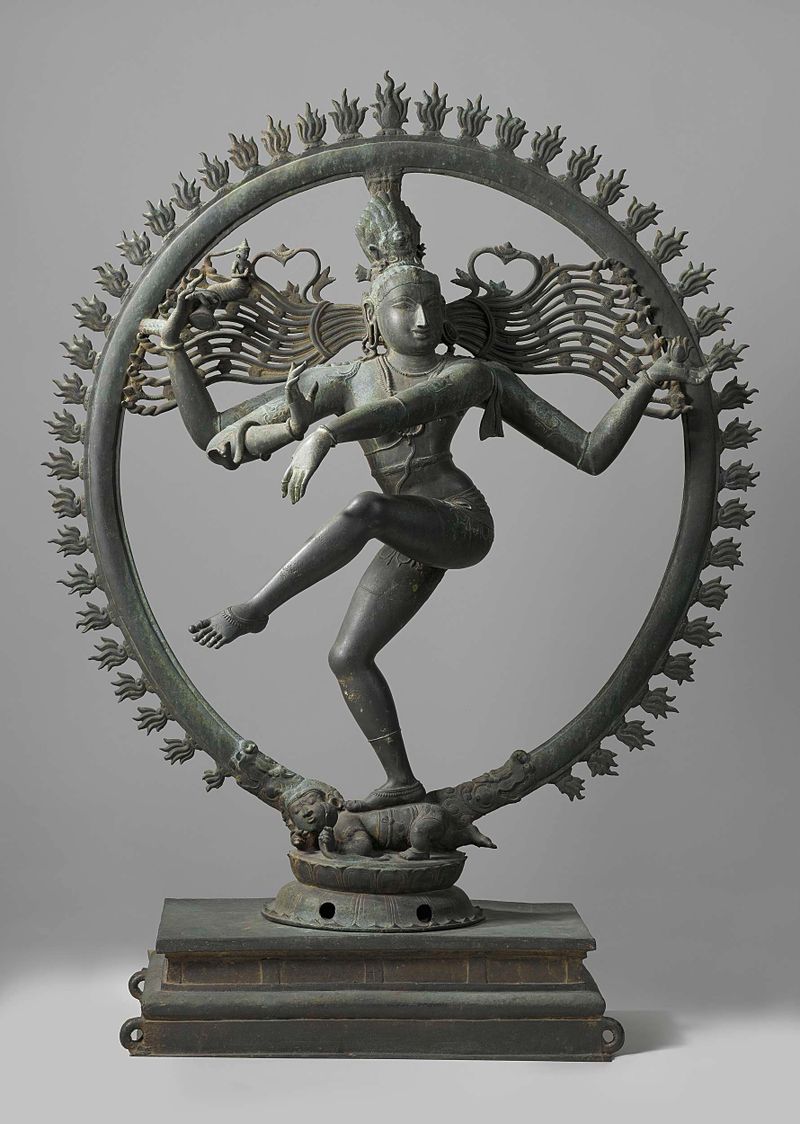
Shiva Nataraja
Unknown Artist
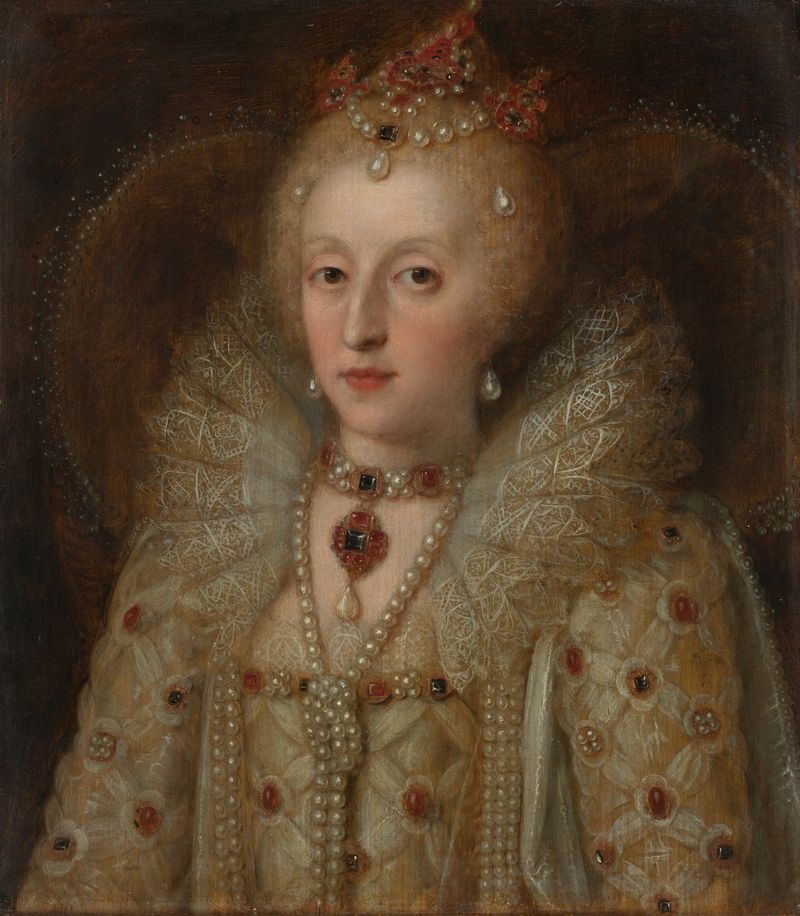
Portrait of Elizabeth I, Queen of England
Unknown Artist
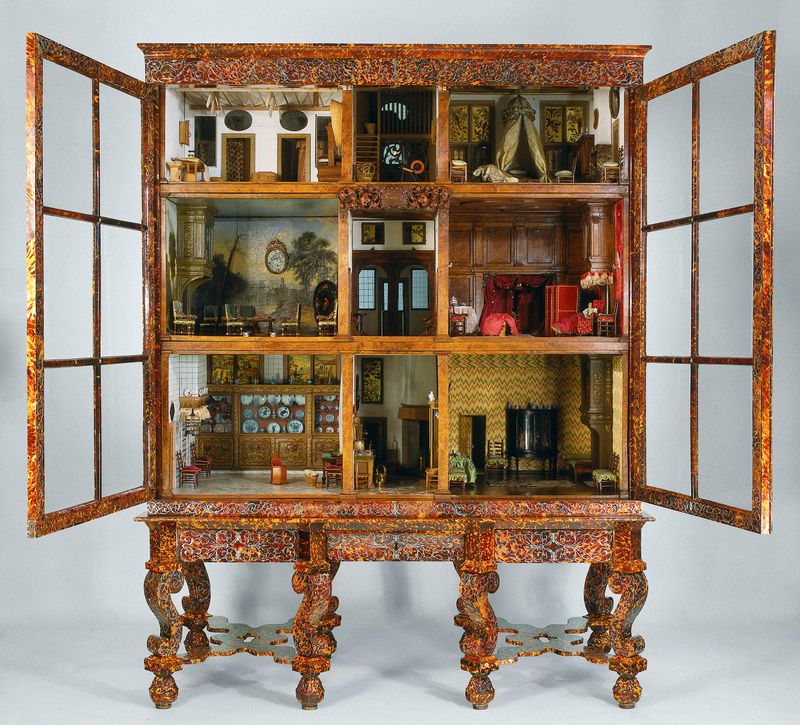
Dolls’ house of Petronella Oortman
Unknown Artist
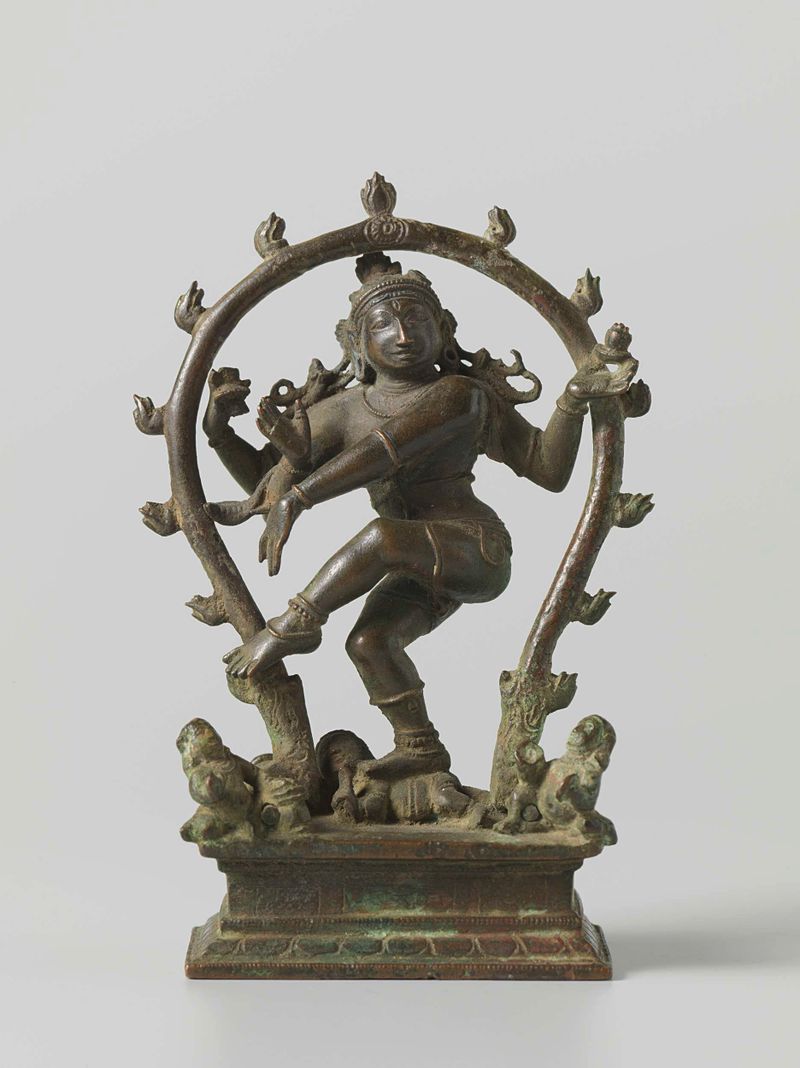
Shiva Nataraja
Unknown Artist

The Tale of Genji
Unknown Artist

The Tale of Genji
Unknown Artist
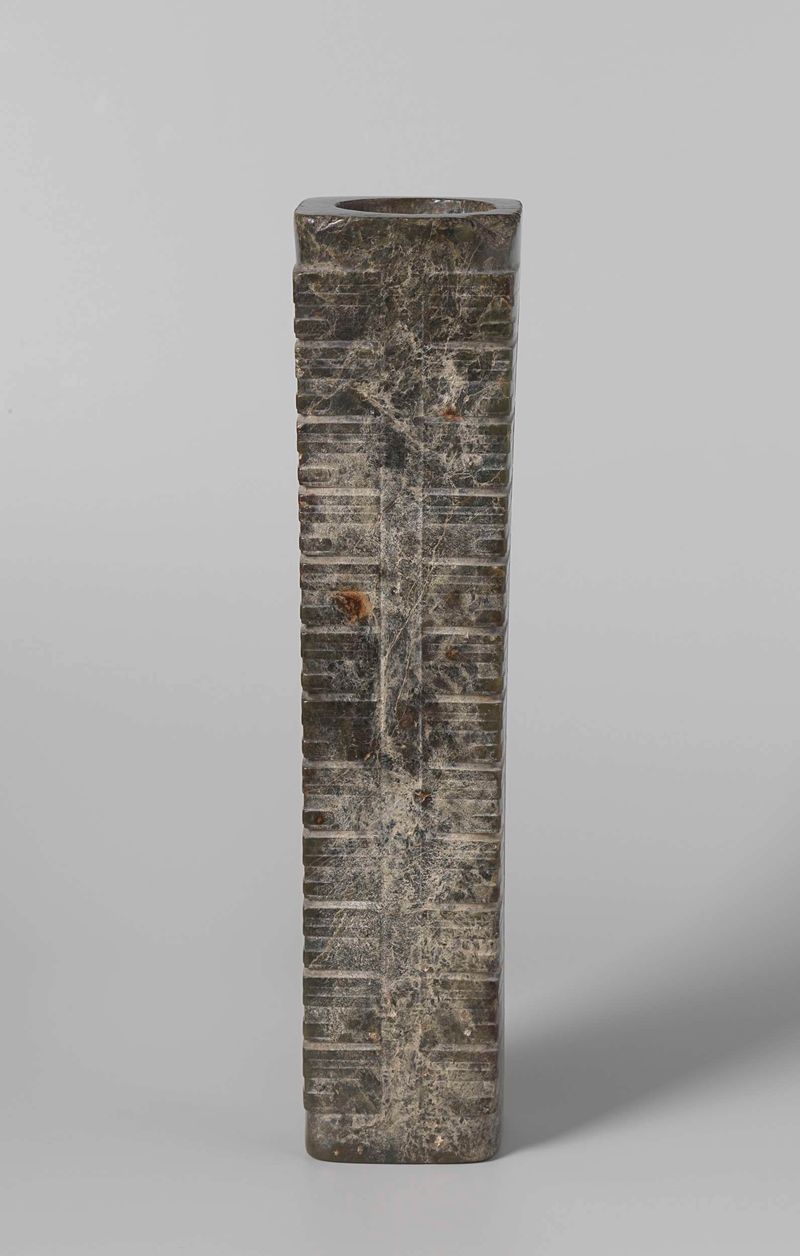
Cong
Unknown Artist
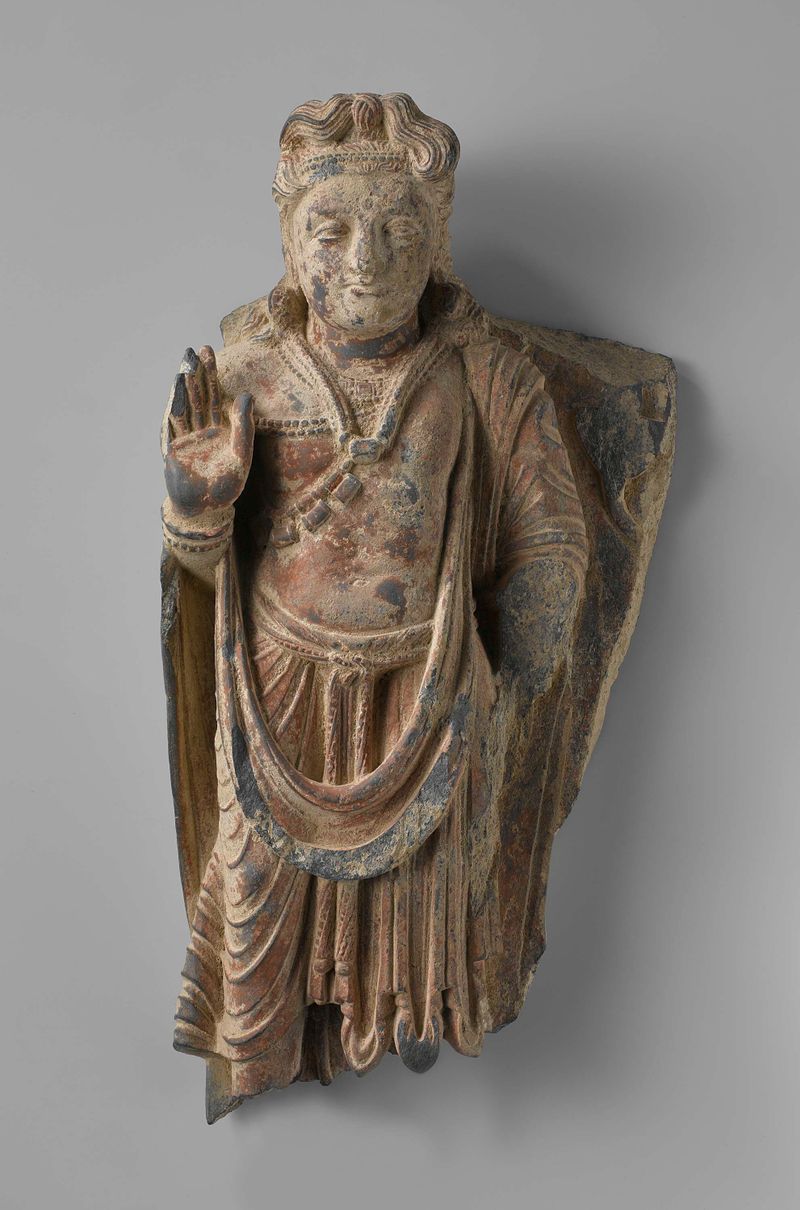
The bodhisattva Maitreya
Unknown Artist
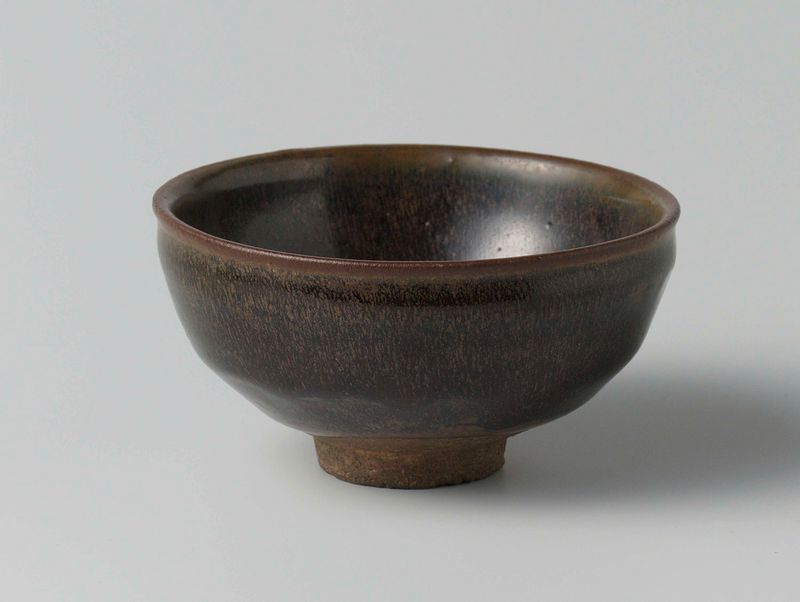
Teabowl with a 'hare's fur' glaze
Unknown Artist