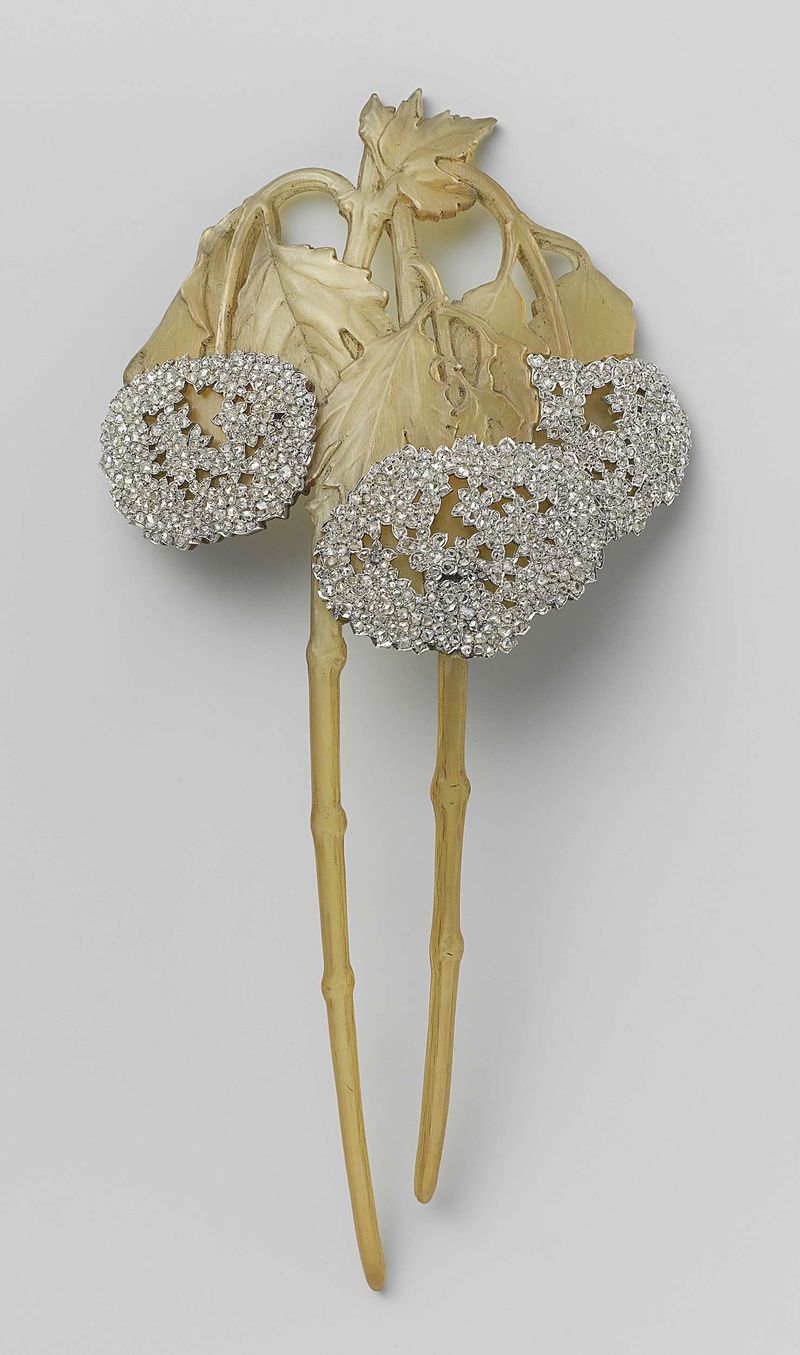
Strook kloskant met een golf van een waaiervormige bloem en gevederd blad — History & Facts
Could beauty survive in a century of chaos? In the delicate intricacies of the work before us lies an answer whispered through the ages. Look closely at the exquisite lacework, where each loop and stitch creates a rhythmic dance that draws the eye along its sinuous paths. Notice how the floral motifs entwine with the feathered leaves, their forms elegantly contrasting the rigid structure of the lace. The soft, muted tones suggest a certain tenderness, while the intricate craftsmanship reveals the artist's desire to immortalize ephemeral beauty in a tangible form. Beneath the surface, this piece embodies a longing for grace amidst the tumult of its time.
The flowing lines of the floral design reflect the fragile balance between nature and the constraints of human creation. This interplay between softness and structure speaks to a universal yearning for connection and harmony, inviting the viewer to ponder the nature of desire itself, and how it weaves through life’s chaos. Created in the early 18th century, this work reflects the Baroque period's fascination with ornamentation and natural forms, a time when craftsmanship was at its pinnacle. The artist, whose name remains unknown, likely navigated a world marked by social and political upheaval, yet found solace in the creation of art that celebrated beauty.
This delicate piece encapsulates the era's spirit and serves as a reminder of the human desire to seek elegance in a world often overshadowed by turmoil.
More Artworks by Unknown Artist
Browse all →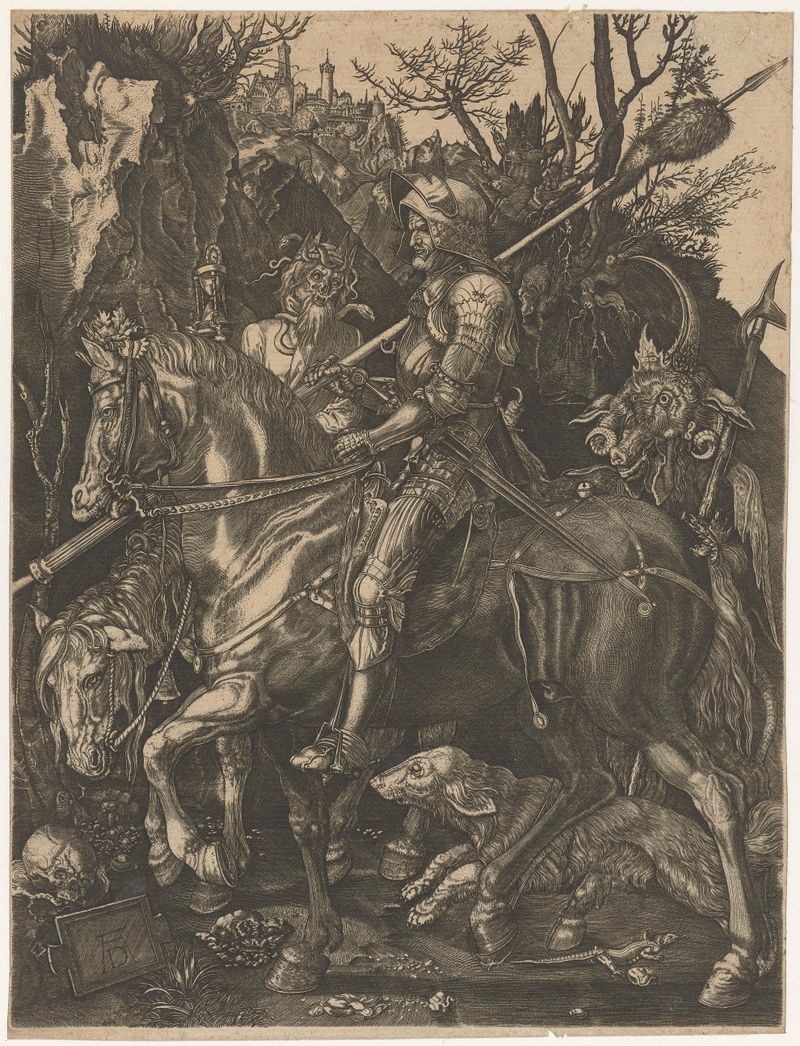
Ridder, Dood en Duivel
Unknown Artist
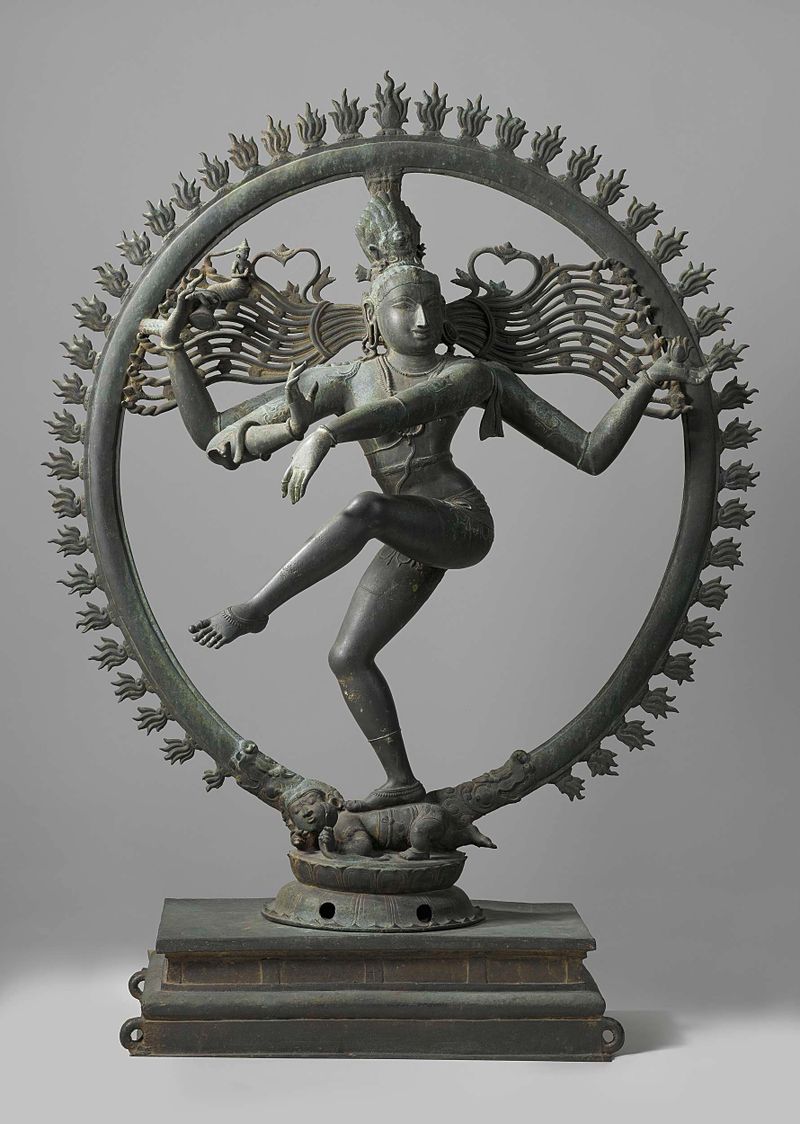
Shiva Nataraja
Unknown Artist
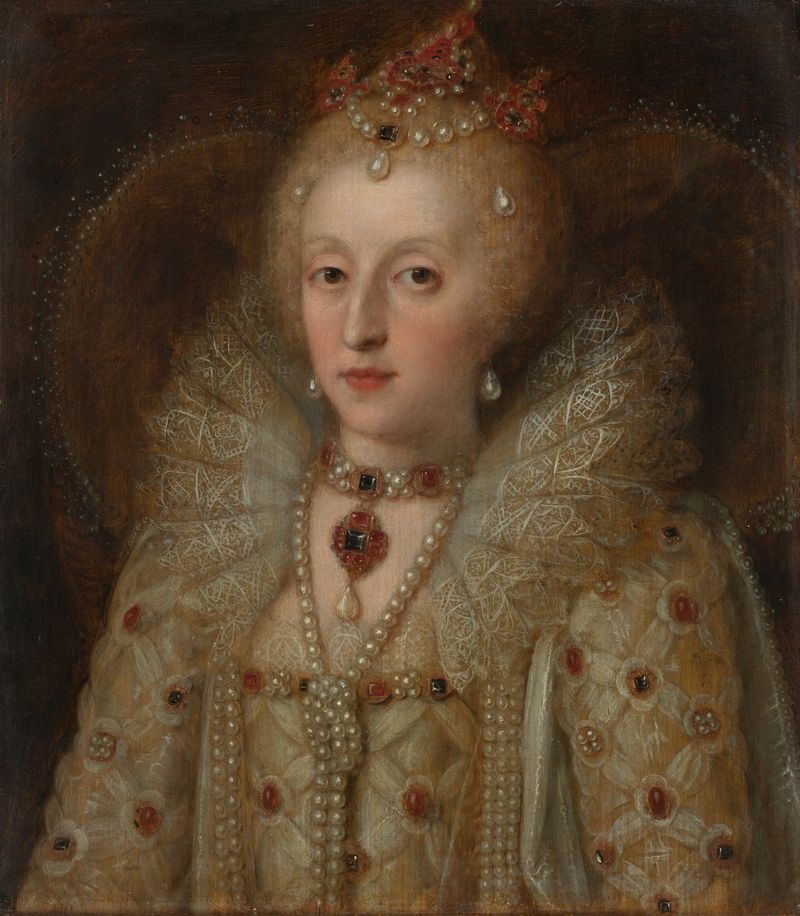
Portrait of Elizabeth I, Queen of England
Unknown Artist
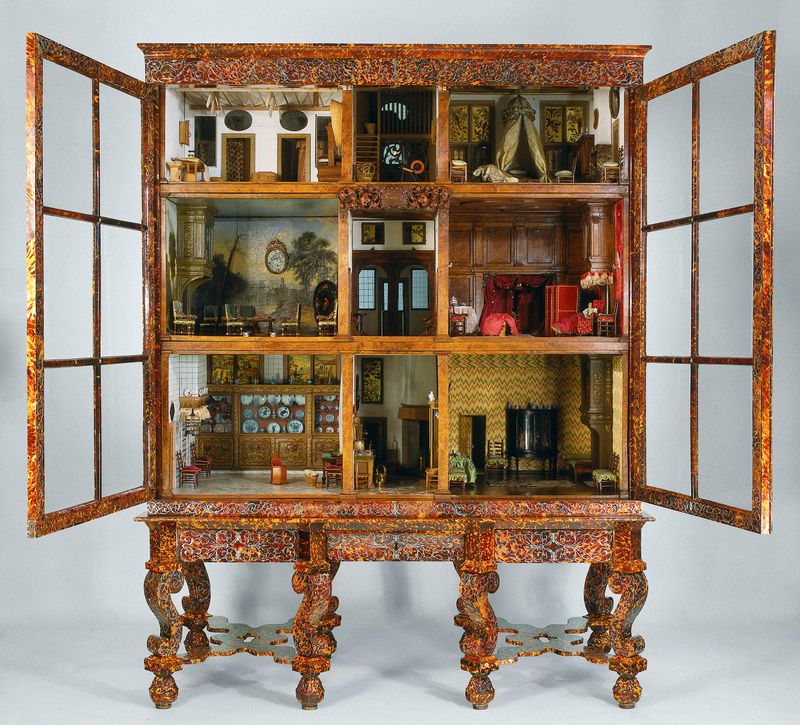
Dolls’ house of Petronella Oortman
Unknown Artist
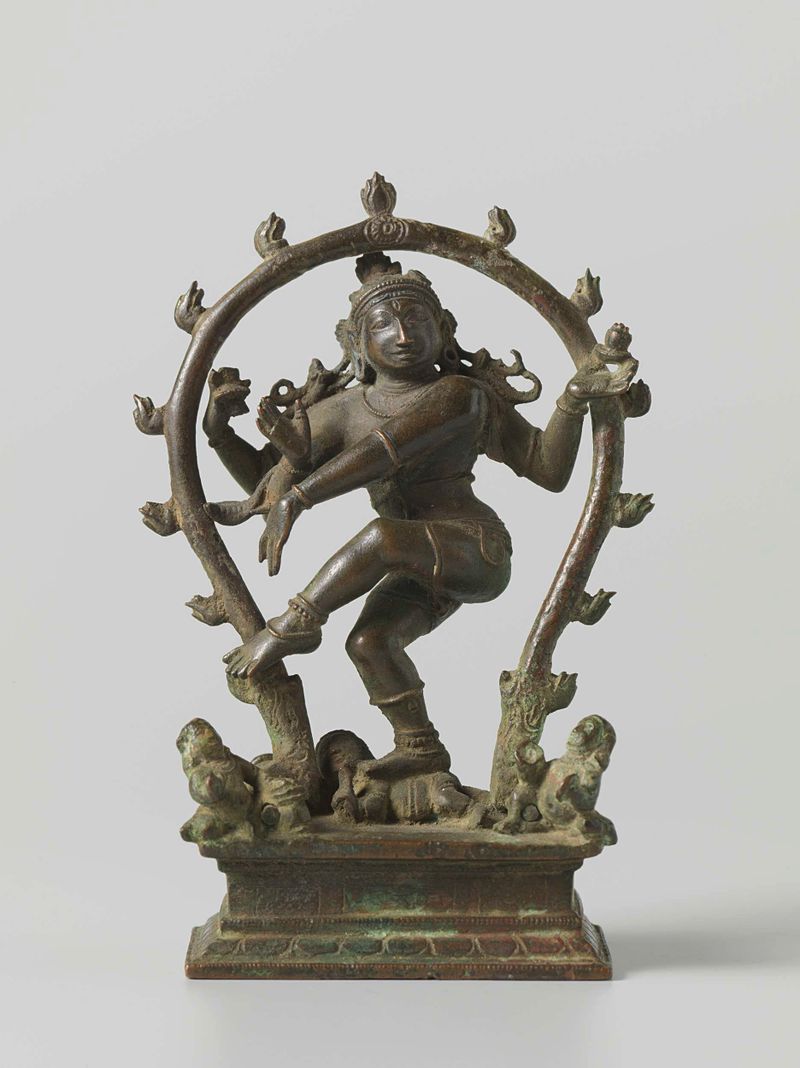
Shiva Nataraja
Unknown Artist

The Tale of Genji
Unknown Artist

The Tale of Genji
Unknown Artist

Cong
Unknown Artist
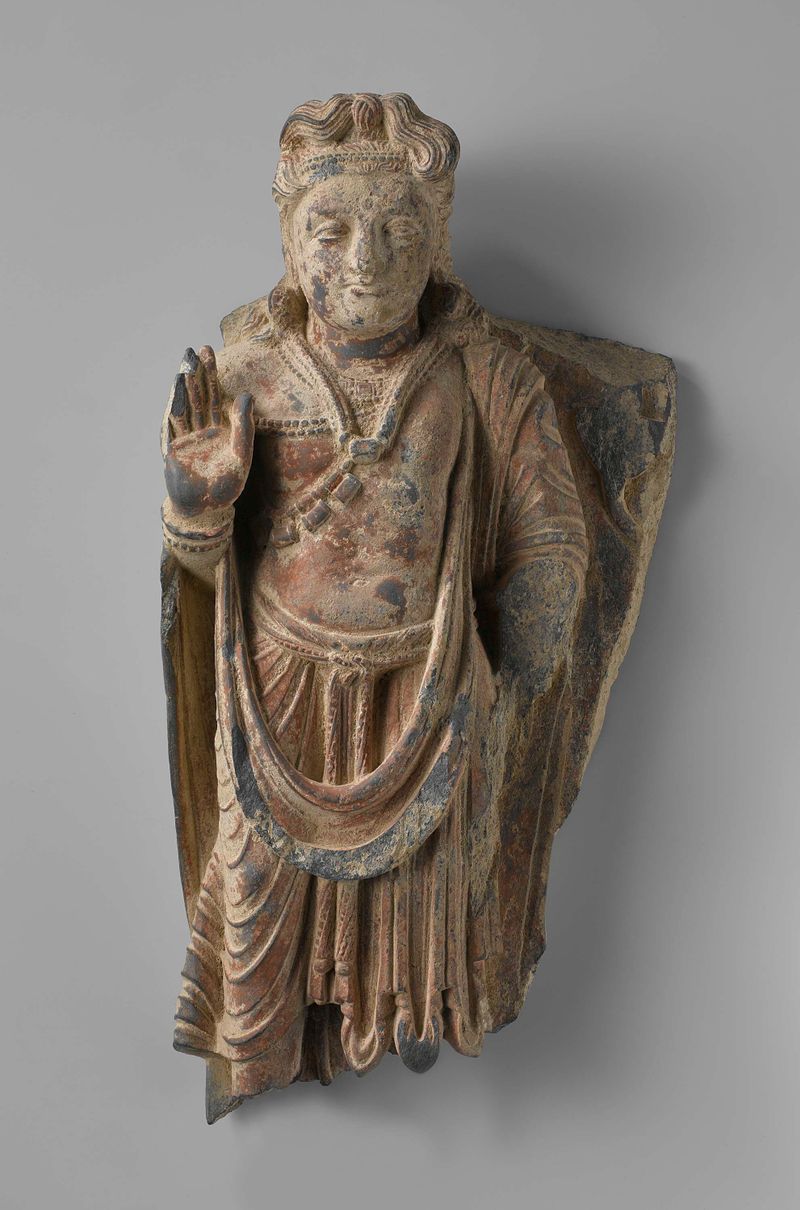
The bodhisattva Maitreya
Unknown Artist

Teabowl with a 'hare's fur' glaze
Unknown Artist