Strook kloskant met hangend driehoekig cartouche met peervormige bloem — History & Facts
What secret hides in the quiet of the canvas? Each thread whispers stories of craftsmanship and beauty, inviting the viewer to linger and reflect on its delicate nuances. Look to the intricate lacework at the center, where fine threads twist and turn, creating an exquisite triangular cartouche. The pear-shaped flower, hanging gracefully, draws your eye with its gentle curves and soft, muted colors that evoke a sense of tranquility. Notice how the interplay of light and shadow accentuates the texture of the fabric, giving it almost a three-dimensional quality—each fold and contour seems alive, breathing history into the surface. Delve deeper into the work, and you'll uncover contrasts that lie beneath its serene façade.
The bold geometric shapes juxtaposed with the softness of the floral elements speak to the tension between order and nature. This delicate balance invites contemplation of the role of femininity and domesticity in an era defined by intricate artistry yet confined by societal expectations. The lace becomes a metaphor for the unseen layers of life, where beauty often masks complexity. Created between 1740 and 1760, this piece reflects a time when textile arts flourished in Europe, particularly within domestic circles.
The unknown artist was likely part of a movement that celebrated craftsmanship at home, as the world began shifting towards more industrial production. In this context, such works became treasured symbols of personal artistry and cultural heritage, embodying both skill and the quiet dignity of women's work in the art world.
More Artworks by Unknown Artist
Browse all →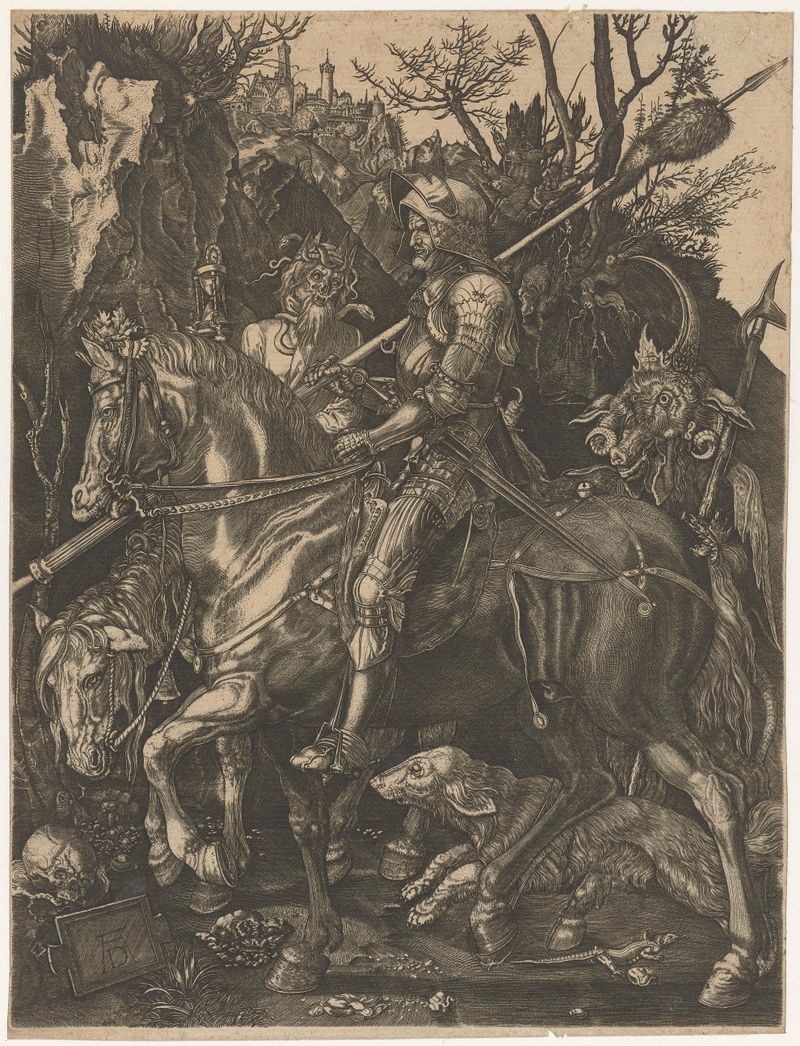
Ridder, Dood en Duivel
Unknown Artist
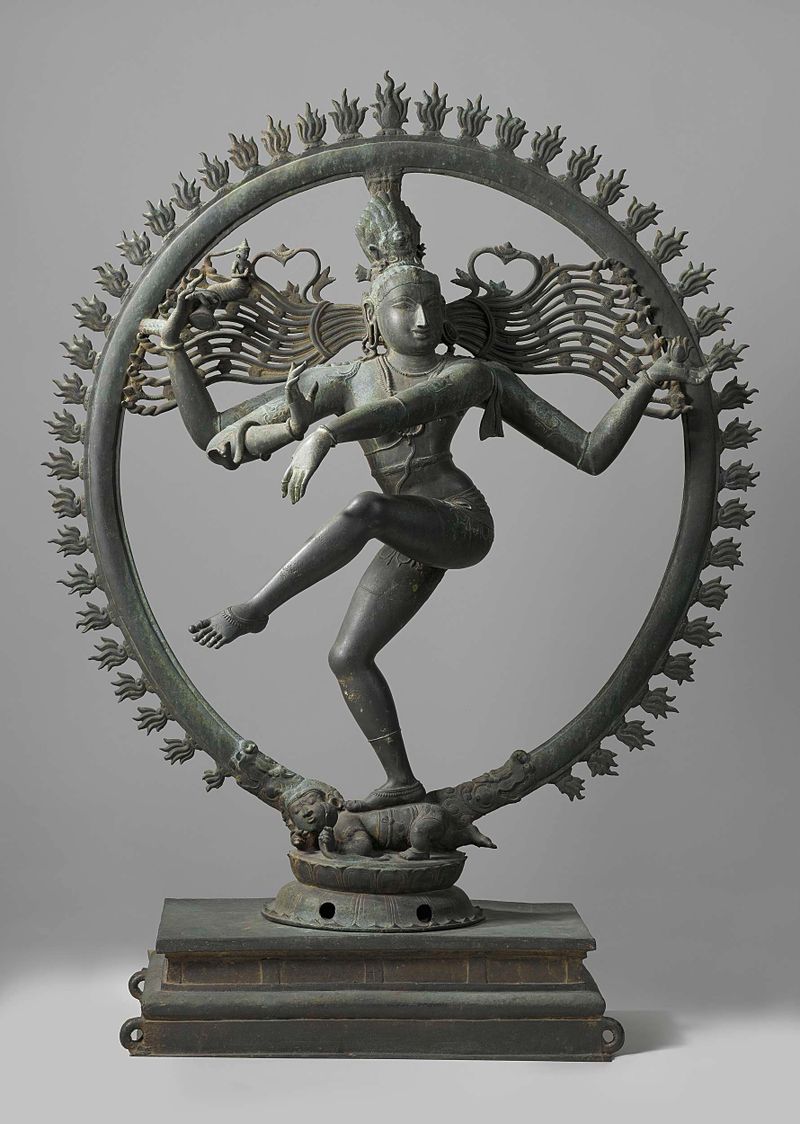
Shiva Nataraja
Unknown Artist
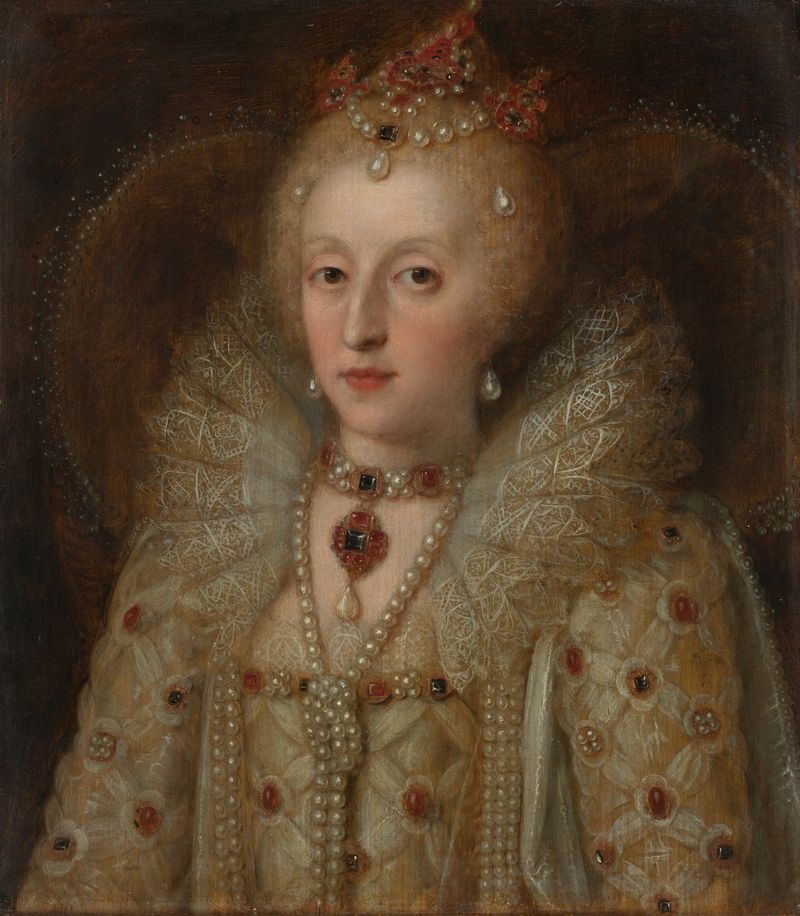
Portrait of Elizabeth I, Queen of England
Unknown Artist
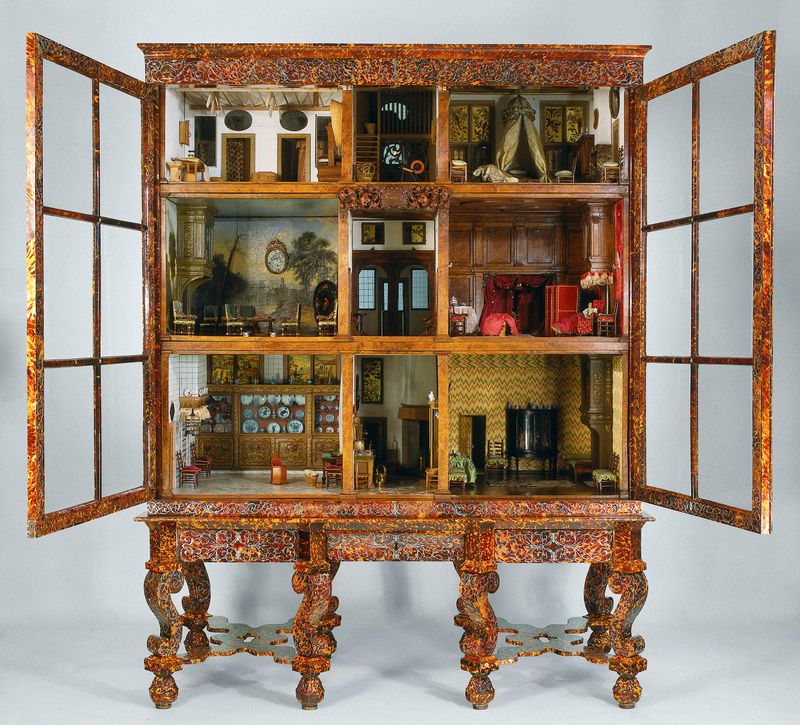
Dolls’ house of Petronella Oortman
Unknown Artist
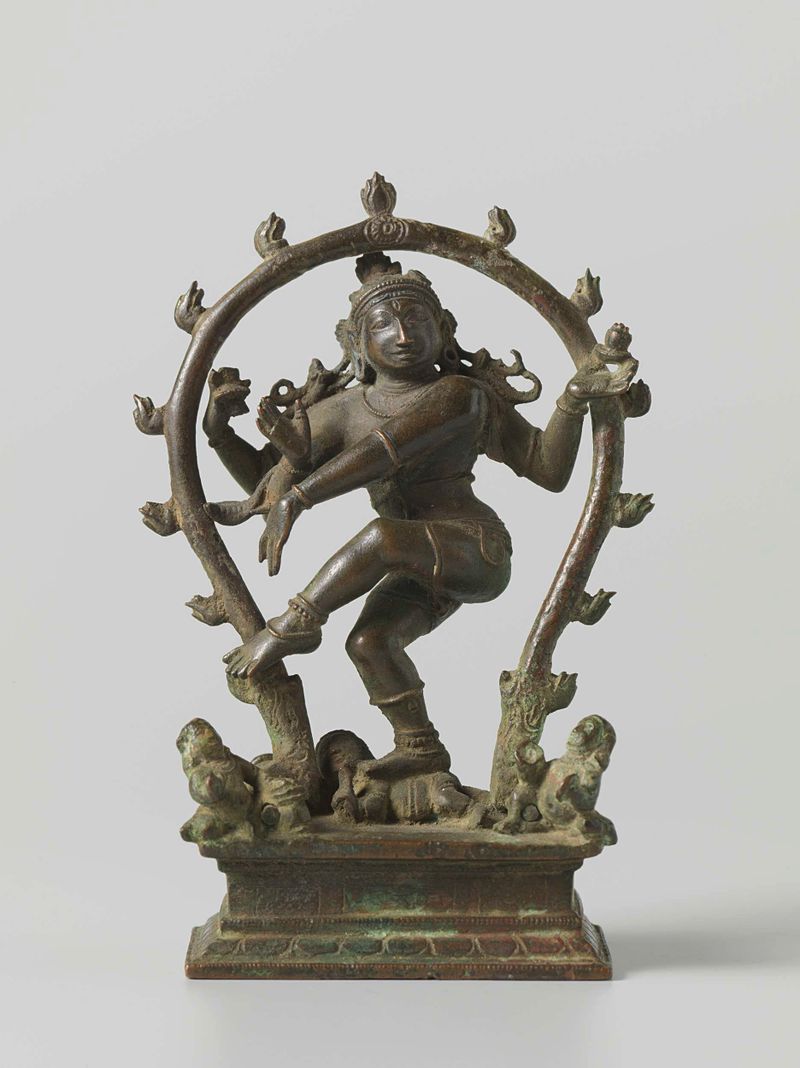
Shiva Nataraja
Unknown Artist

The Tale of Genji
Unknown Artist

The Tale of Genji
Unknown Artist

Cong
Unknown Artist
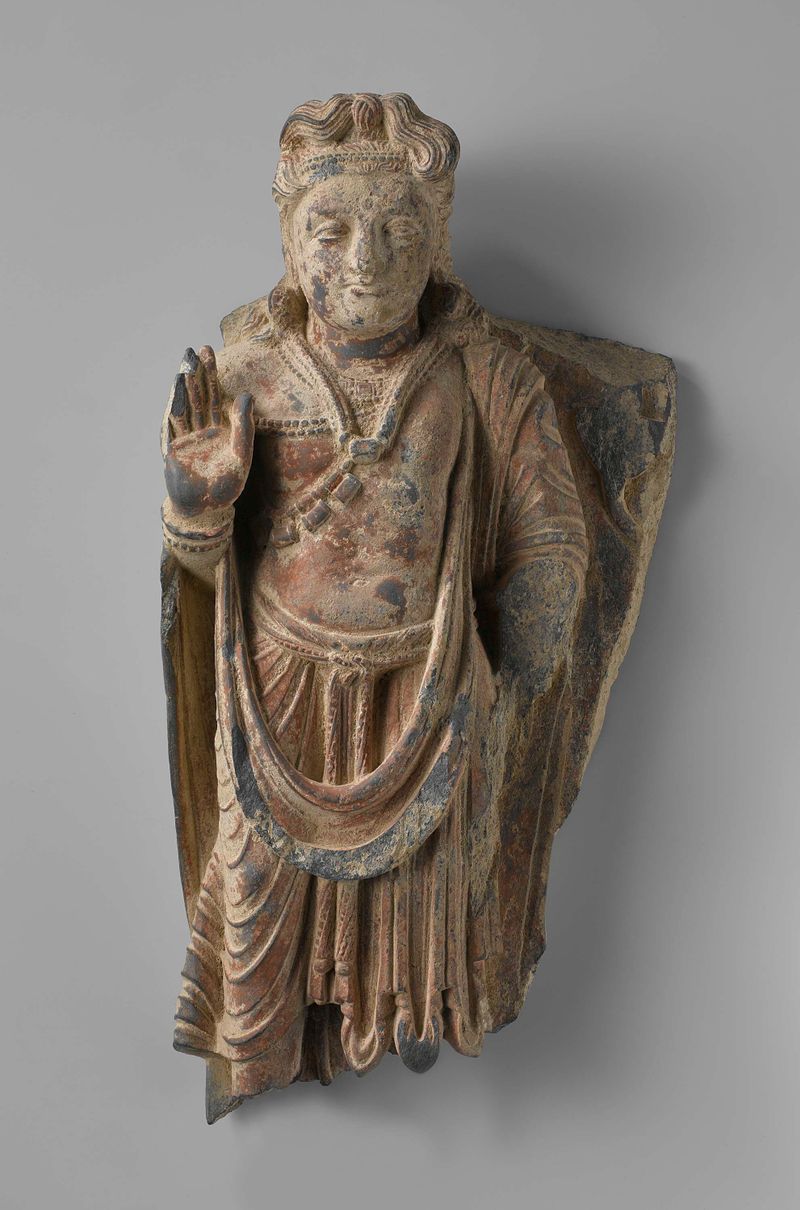
The bodhisattva Maitreya
Unknown Artist

Teabowl with a 'hare's fur' glaze
Unknown Artist