Strook kloskant met hangende tulp — History & Facts
In this silent witness of time, one might find the unvarnished truth of beauty and decay intertwined. A fleeting moment captured on a surface, inviting reflection on the nature of transience and permanence. Look to the center of the composition, where a striking hanging tulip sways gracefully, its vibrant petals rendered in lush hues of red and yellow. Surrounding it, delicate lacework intricately unfurls, contrasting the organic form of the flower with its precise, man-made pattern.
Soft brushstrokes give the tulip a lively texture, while the lace appears almost ethereal, as if it might dissolve into air at any moment. The background is a muted wash of color, allowing the focal elements to leap forth, invoking a sense of reverence for this small but magnificent tableau. Delve deeper, and you’ll discover an interplay of fragility and strength. The tulip, with its bold color, embodies life and vitality; yet, its hanging posture suggests a looming surrender to the passage of time.
The lace serves not only as a decorative element but as a reminder of human handiwork, juxtaposed against nature’s ephemeral bloom. Here lies a subtle tension, as one contemplates the transient beauty of the flower captured within the eternal frame of the artwork. Crafted around the turn of the 20th century, this piece emerged during a period marked by artistic experimentation and a growing appreciation for still life. The artist, whose identity remains a mystery, likely sought to explore the intersection of nature and craft within a world rapidly embracing modernity.
Amid the changes in social and artistic landscapes, the work stands as a testament to an era that revered detail and beauty, capturing a moment that resonates through time.
More Artworks by Unknown Artist
Browse all →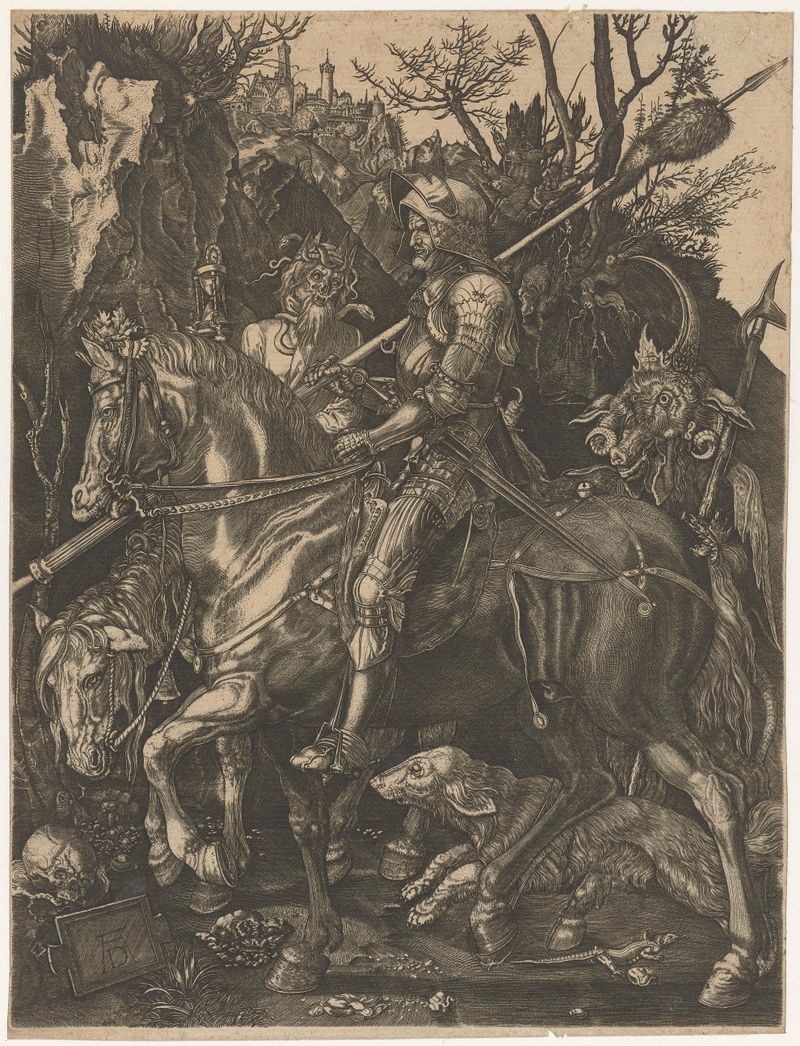
Ridder, Dood en Duivel
Unknown Artist
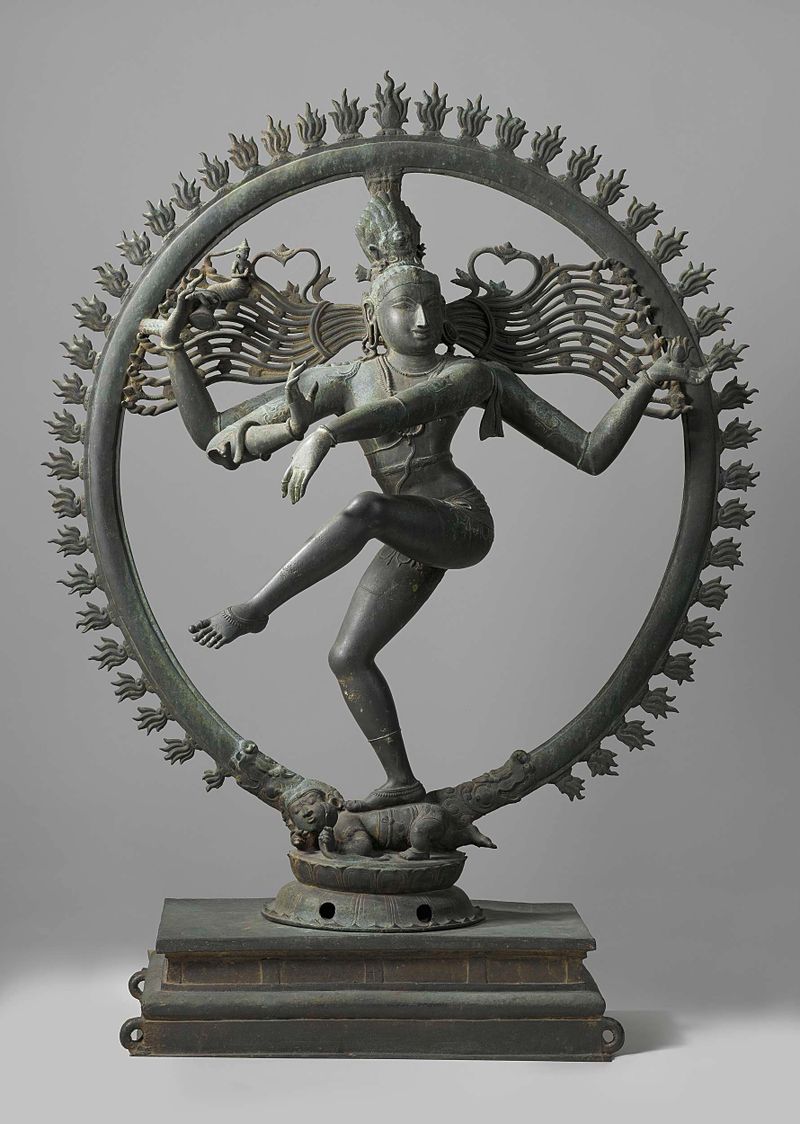
Shiva Nataraja
Unknown Artist
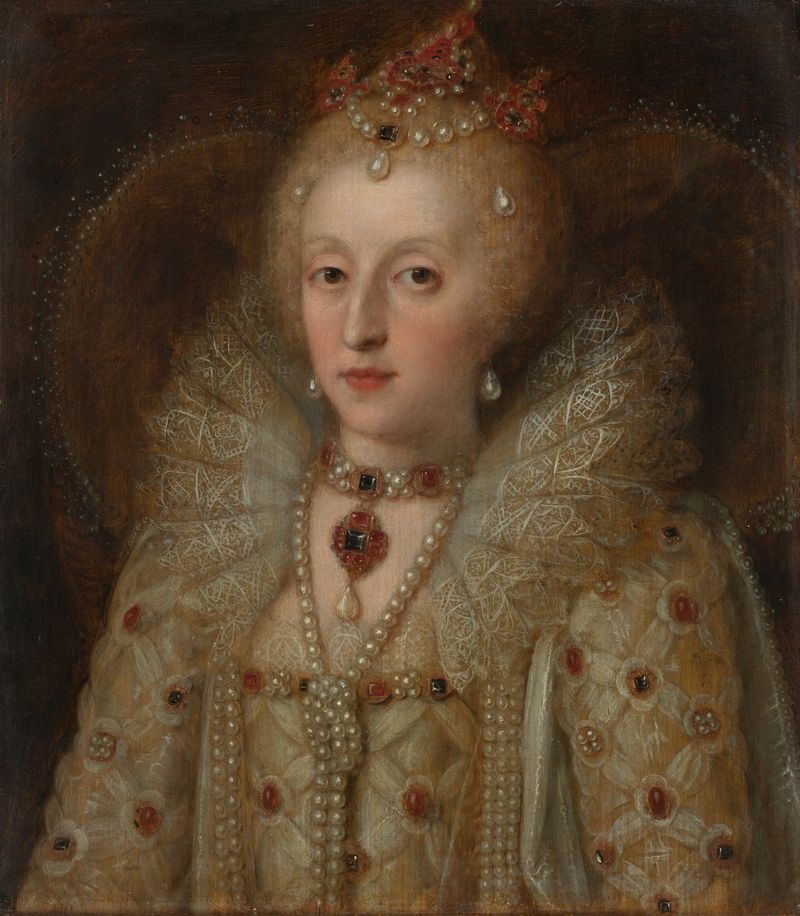
Portrait of Elizabeth I, Queen of England
Unknown Artist
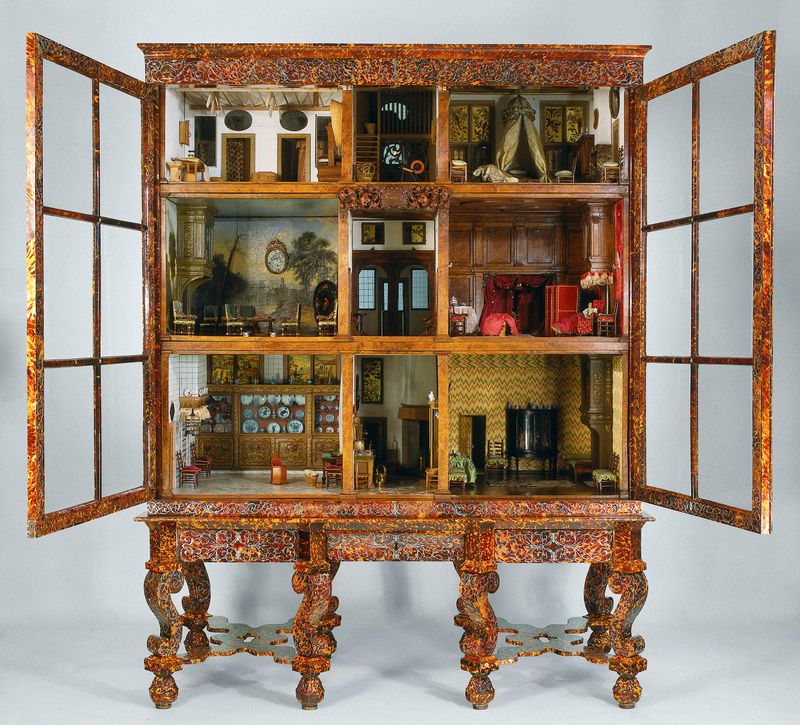
Dolls’ house of Petronella Oortman
Unknown Artist
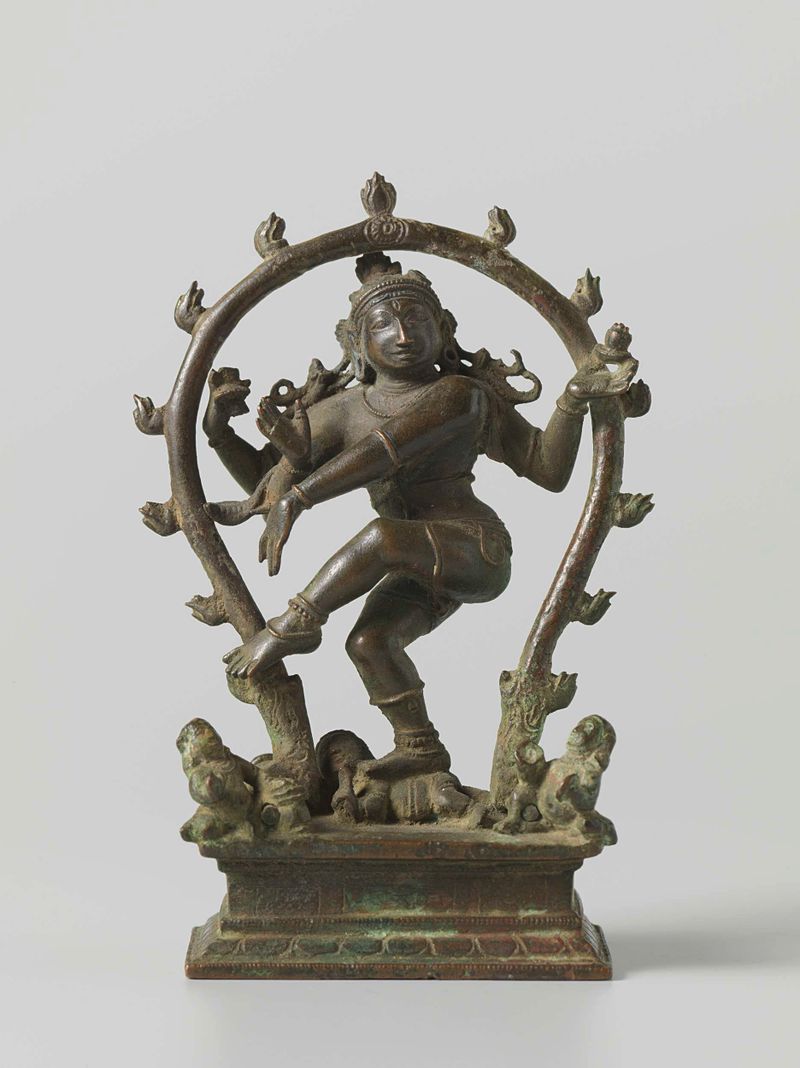
Shiva Nataraja
Unknown Artist

The Tale of Genji
Unknown Artist

The Tale of Genji
Unknown Artist
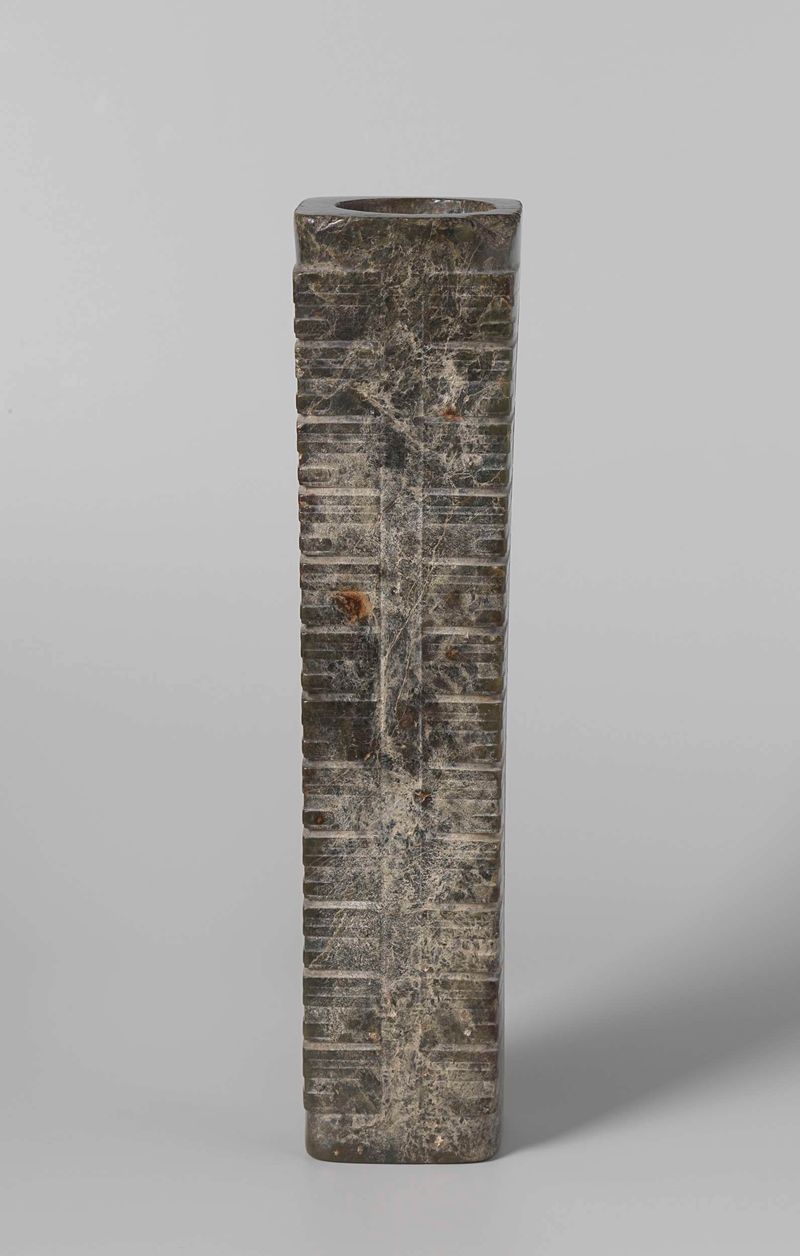
Cong
Unknown Artist
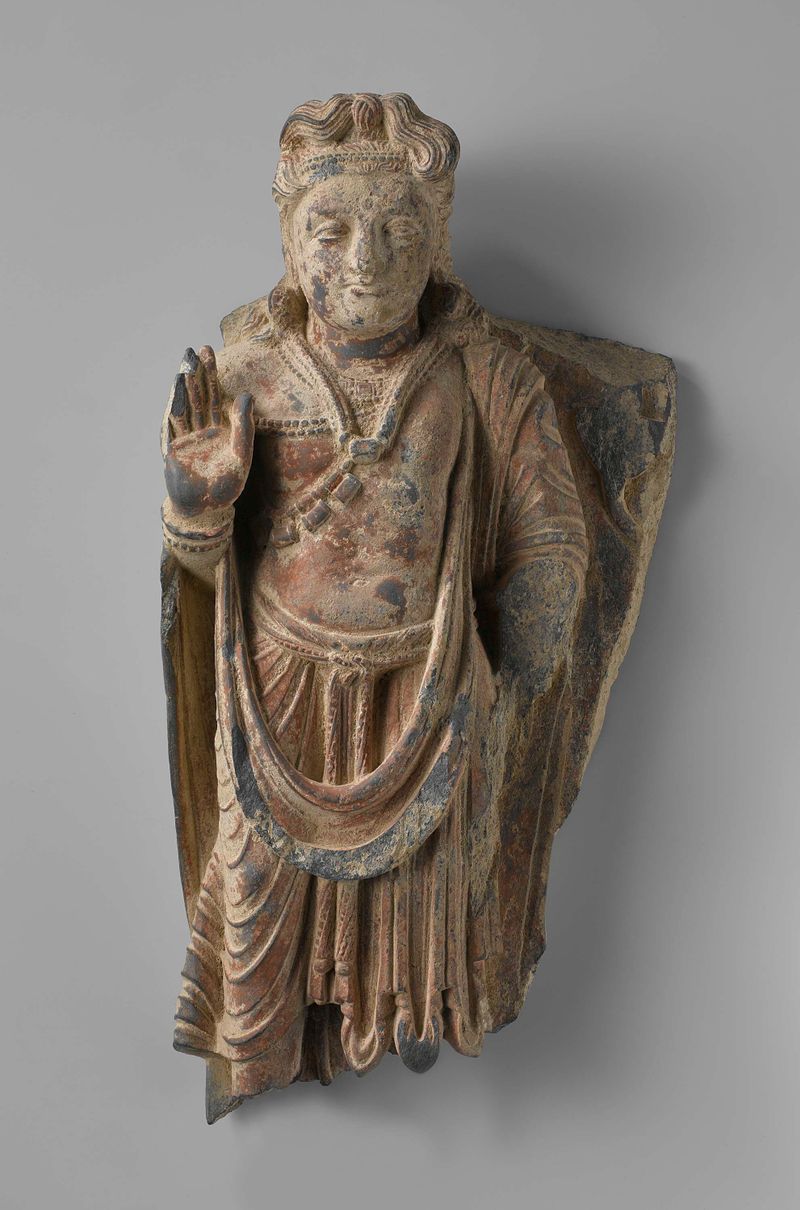
The bodhisattva Maitreya
Unknown Artist
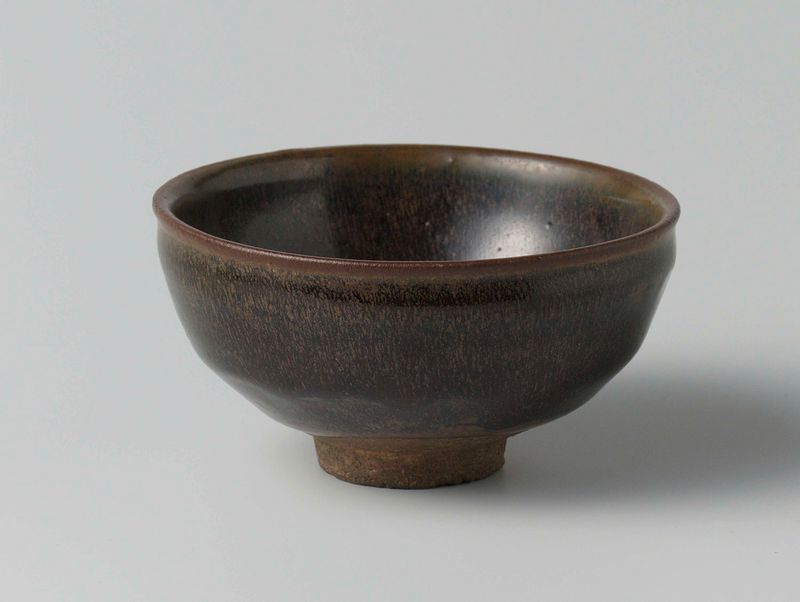
Teabowl with a 'hare's fur' glaze
Unknown Artist