Strook kloskant met hoorns van overvloed — History & Facts
In the delicate tapestry of life, fragility weaves its way into our existence, reminding us of the beauty found in impermanence. Look closely at the textured surface of the piece; the intricate patterns draw the eye into a world of muted colors and gentle contrasts. Notice how the subtle play of light highlights the delicate threads, creating an ethereal glow that seems to pulsate with emotion. The artist's deft hand captures not only the material but also the spirit of the moment, enveloping the viewer in an intimate embrace of vulnerability and beauty. Delve deeper into the significance of this creation.
The horns symbolize abundance, yet they are carefully balanced against the fragility of the lace, suggesting a tension between prosperity and the fleeting nature of beauty. Each element speaks to the duality of existence—richness coexisting with delicacy—urging us to reflect on what we cherish most. The juxtaposition of strength and frailty invites contemplation, reminding us that all things are transient. This work emerged in a period where the world was undergoing profound transformation, with shifts in societal values and artistic movements.
Created between 1850 and 1860, it reflects a time when craft was revered, and artisans sought to encapsulate the ephemeral in their work. In an age looking back at tradition while also facing modernity, the artist engaged with themes of mortality and beauty, creating a timeless piece that resonates even today.
More Artworks by Unknown Artist
Browse all →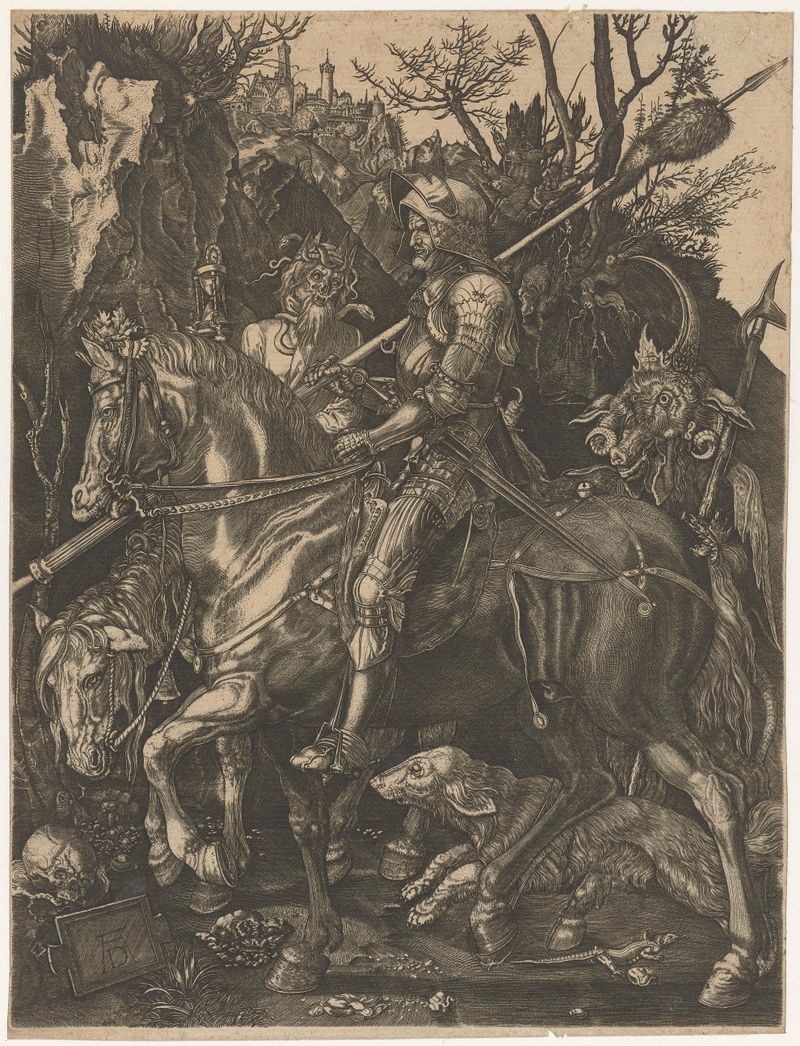
Ridder, Dood en Duivel
Unknown Artist
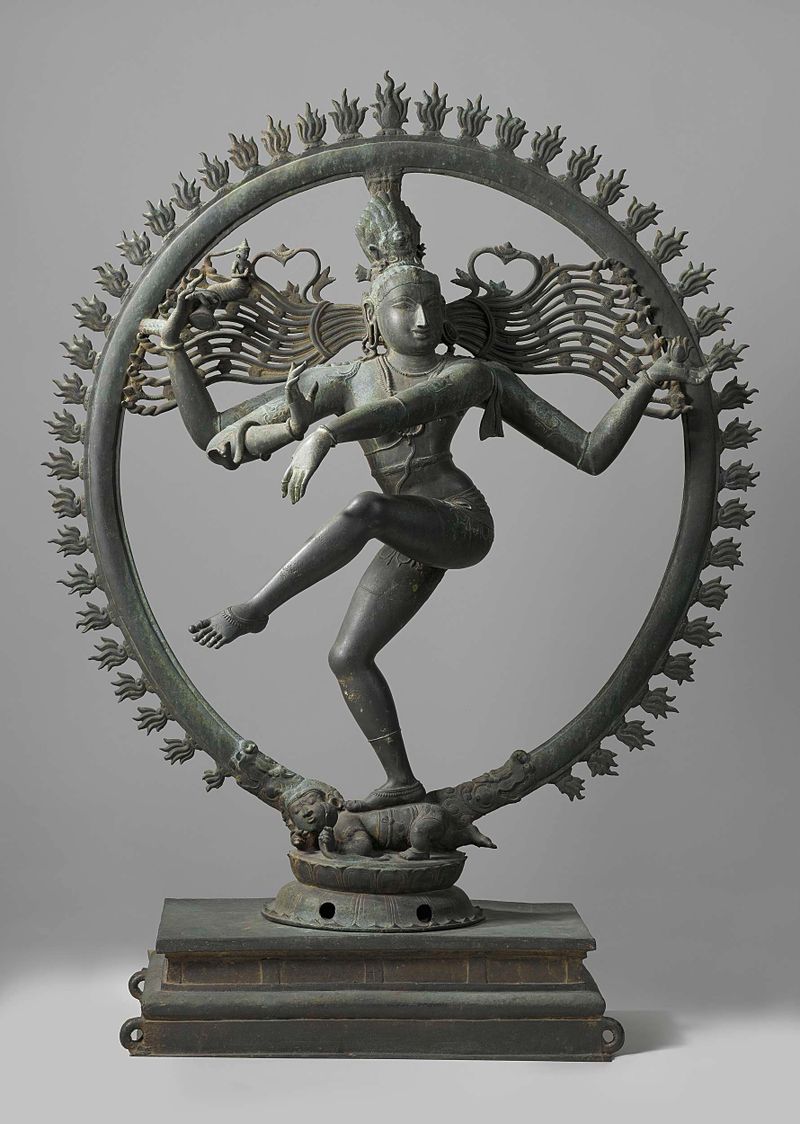
Shiva Nataraja
Unknown Artist
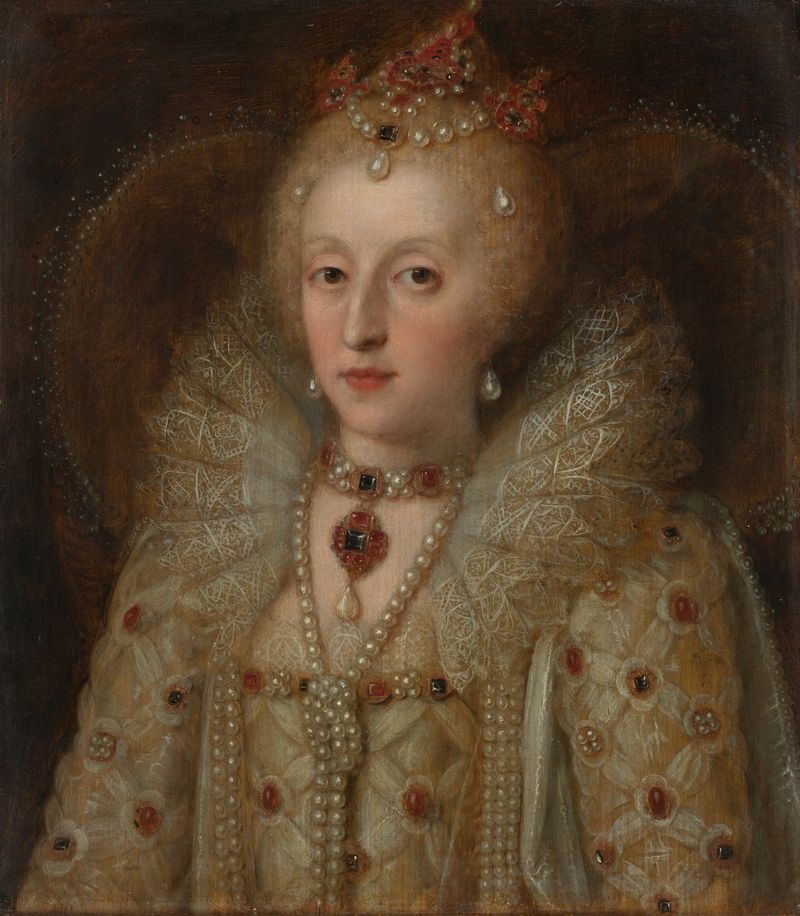
Portrait of Elizabeth I, Queen of England
Unknown Artist
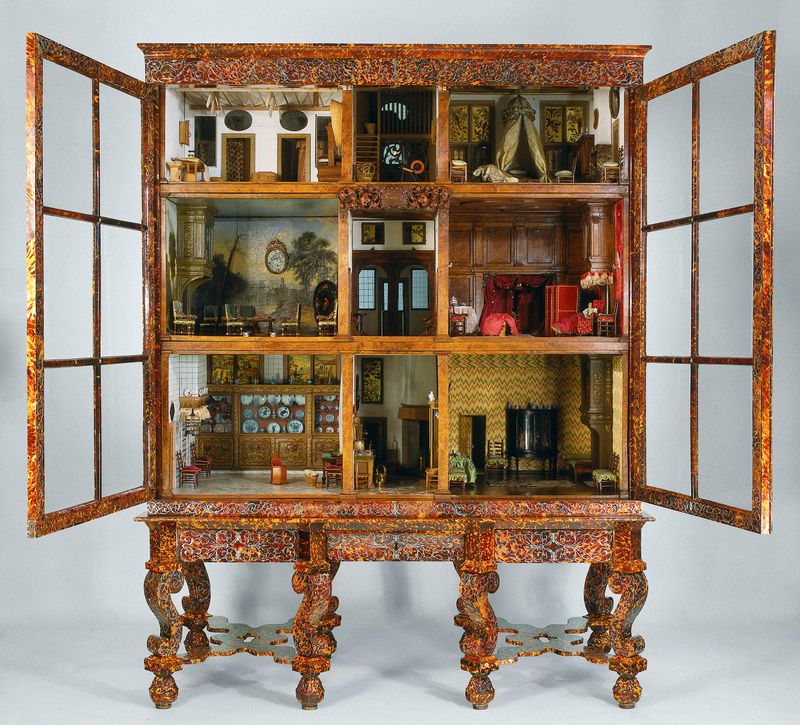
Dolls’ house of Petronella Oortman
Unknown Artist
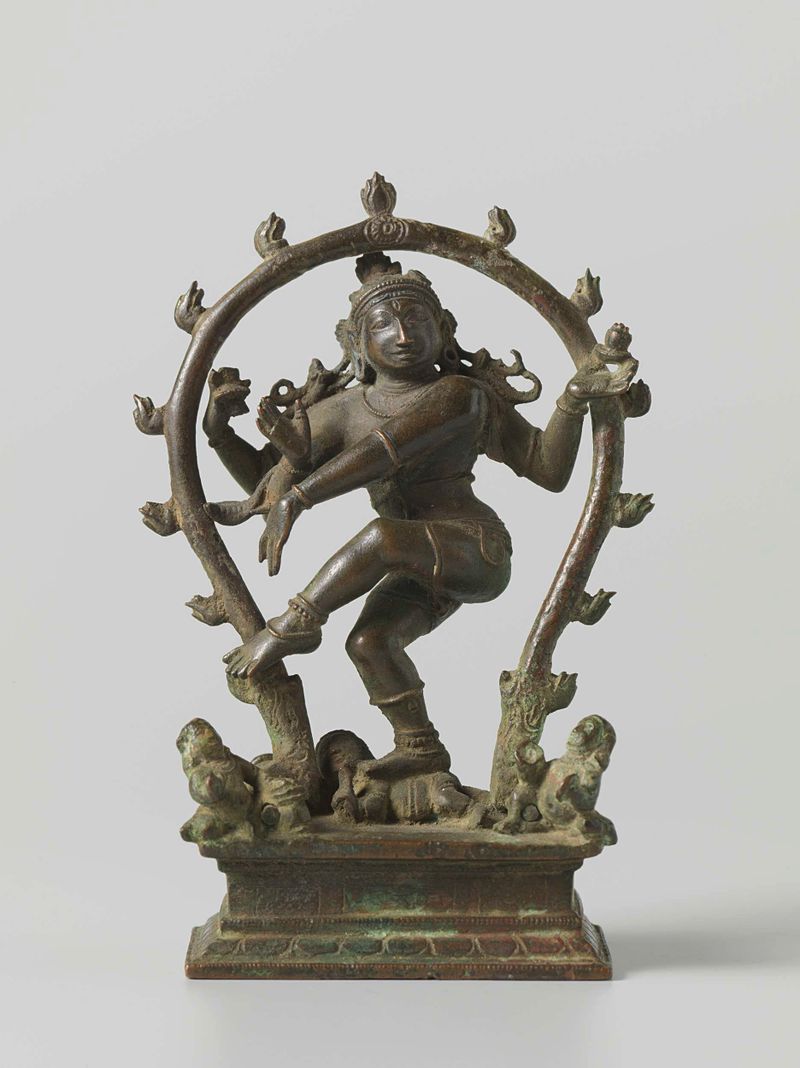
Shiva Nataraja
Unknown Artist

The Tale of Genji
Unknown Artist

The Tale of Genji
Unknown Artist

Cong
Unknown Artist
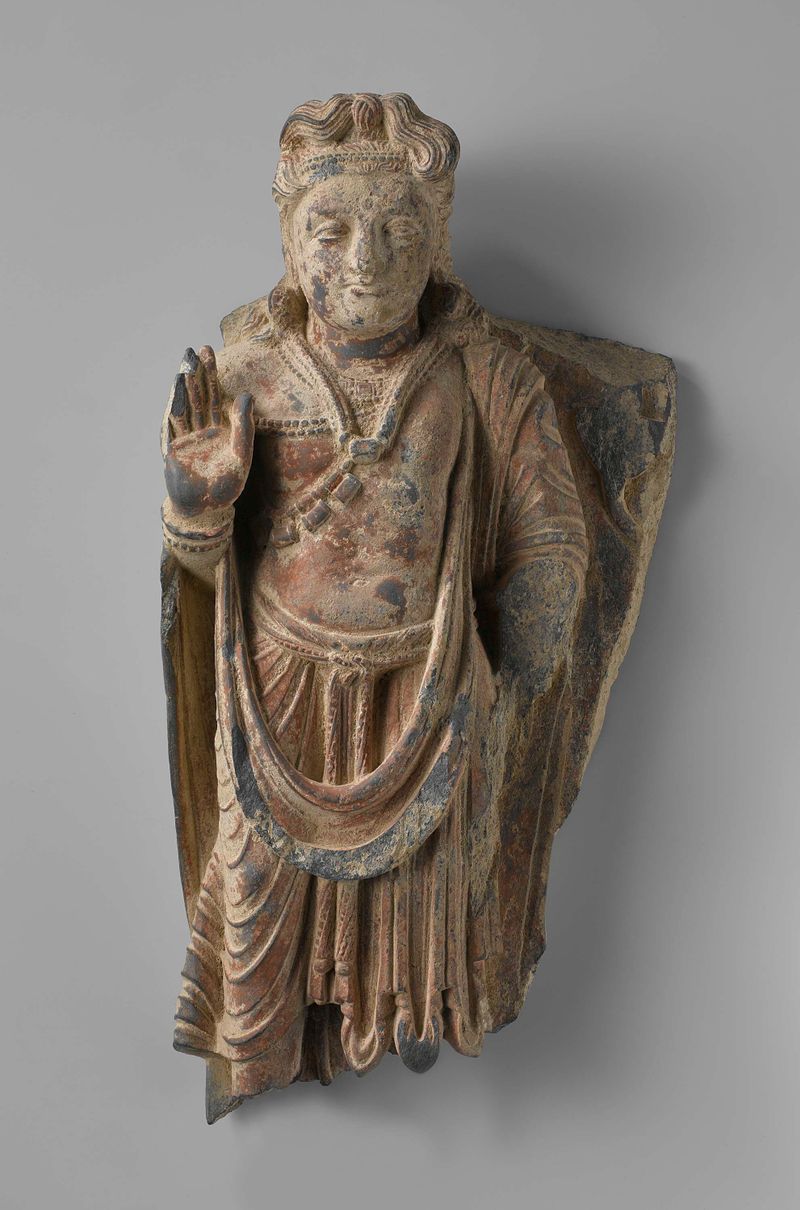
The bodhisattva Maitreya
Unknown Artist

Teabowl with a 'hare's fur' glaze
Unknown Artist