Strook kloskant met klimopblad — History & Facts
The delicate balance of rebirth is woven into the fibers of this work, inviting us to contemplate its intricate details and emotional resonance. Look to the lower left, where the ivy leaf unfurls gently, a symbol of resilience and reawakening. Notice how the muted yet rich colors of the kloskant contrast with the vibrant green of the leaf, each stitch and shadow meticulously crafted to evoke a sense of life amidst stillness. The interplay of textures—delicate lace against the robust foliage—invites your fingertips to graze over the surface, suggesting a tactile intimacy that draws you deeper into the piece. As you explore further, the zigzag patterns of the lace may remind one of a heartbeat, pulsating with the promise of growth and renewal.
The soft curves of the fabric echo the organic shapes of nature, blurring the line between crafted art and the living world. This dance of contrasts—fragility against strength, silence against the whisper of life—evokes profound feelings of transformation and hope. Created around the 1910s, this artwork emerged during a period of significant change in art and society, as traditional forms began to intermingle with new ideas. The artist, whose identity remains unknown, was likely influenced by the aftermath of World War I, a time when themes of rebirth and resilience were particularly poignant.
This piece stands as a testament to the era's evolving aesthetic, where the intricacies of craftsmanship served not only to embellish but also to speak to the essence of survival and renewal.
More Artworks by Unknown Artist
Browse all →
Ridder, Dood en Duivel
Unknown Artist
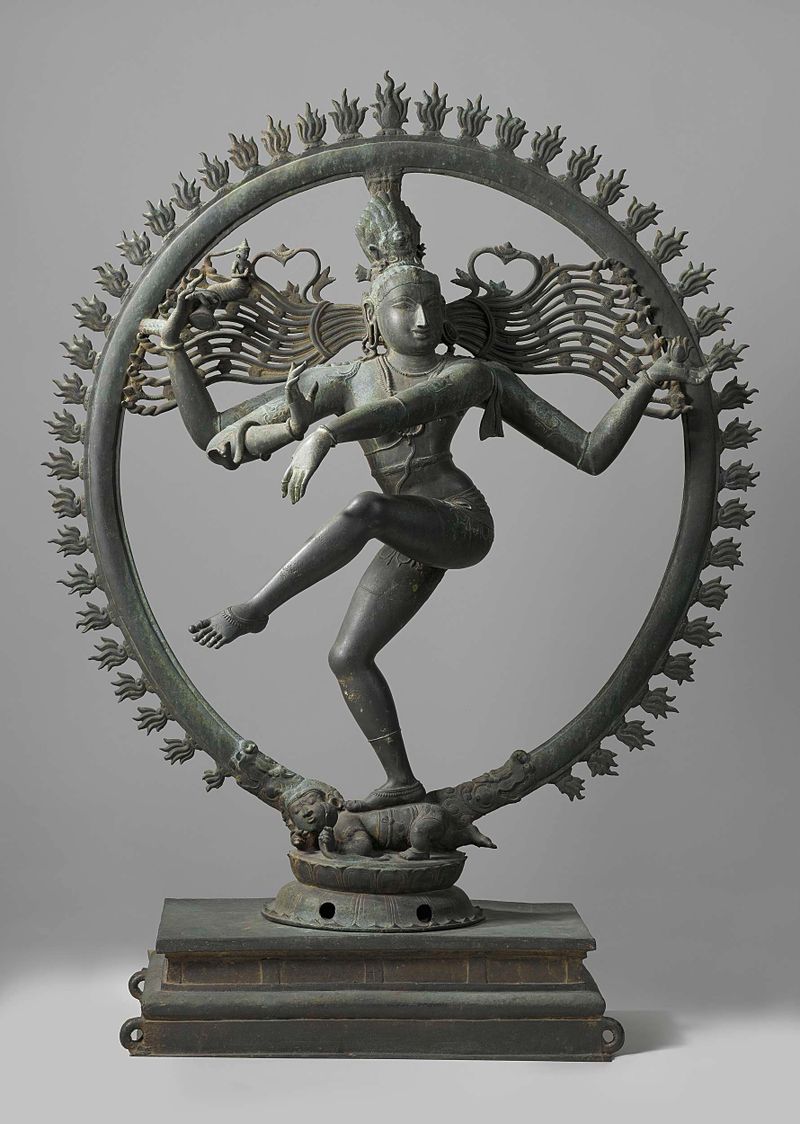
Shiva Nataraja
Unknown Artist
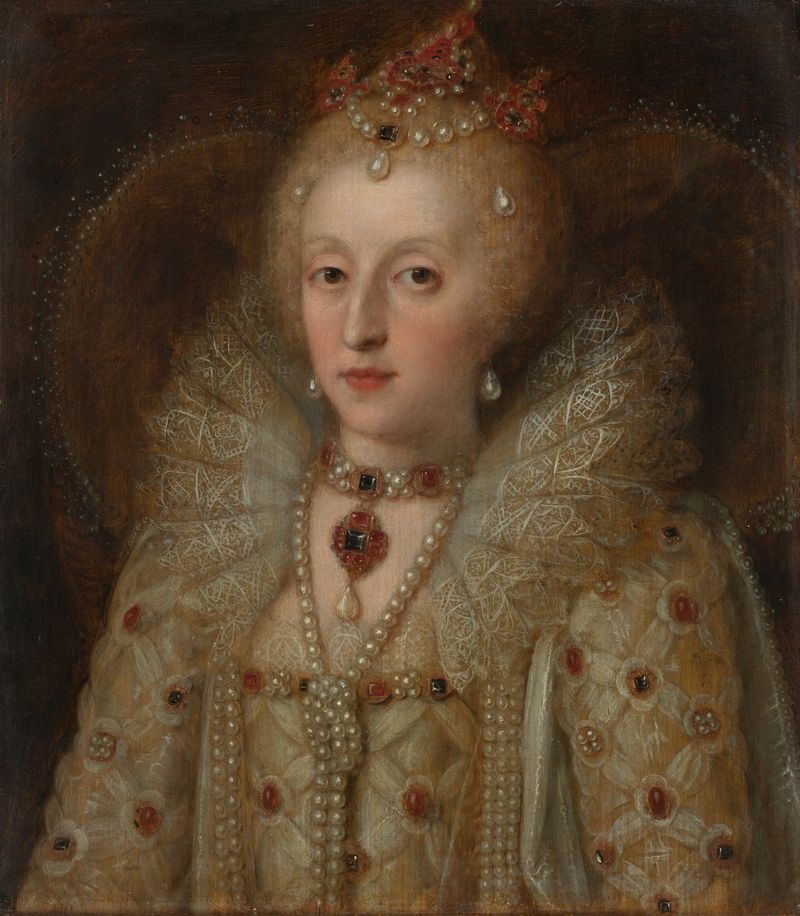
Portrait of Elizabeth I, Queen of England
Unknown Artist
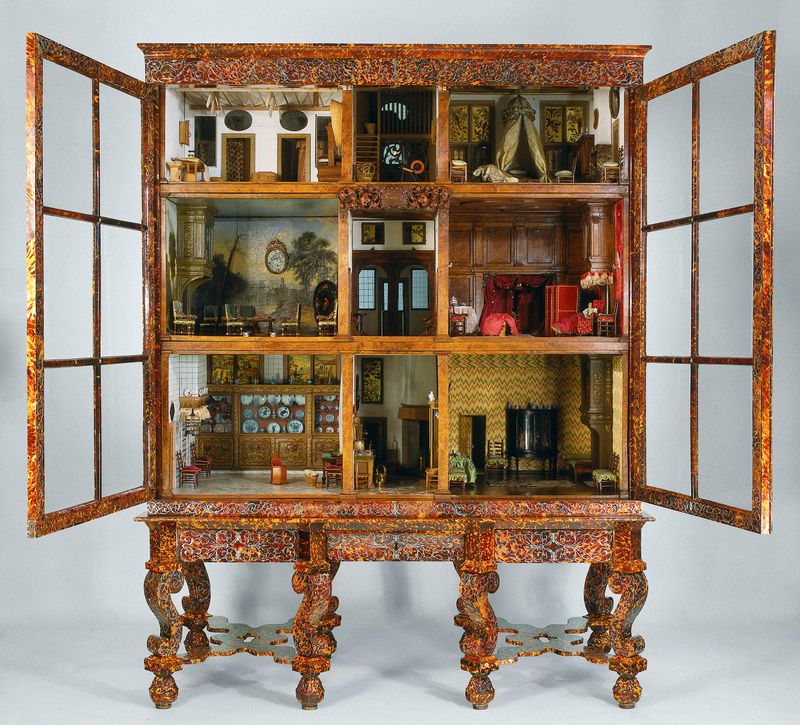
Dolls’ house of Petronella Oortman
Unknown Artist
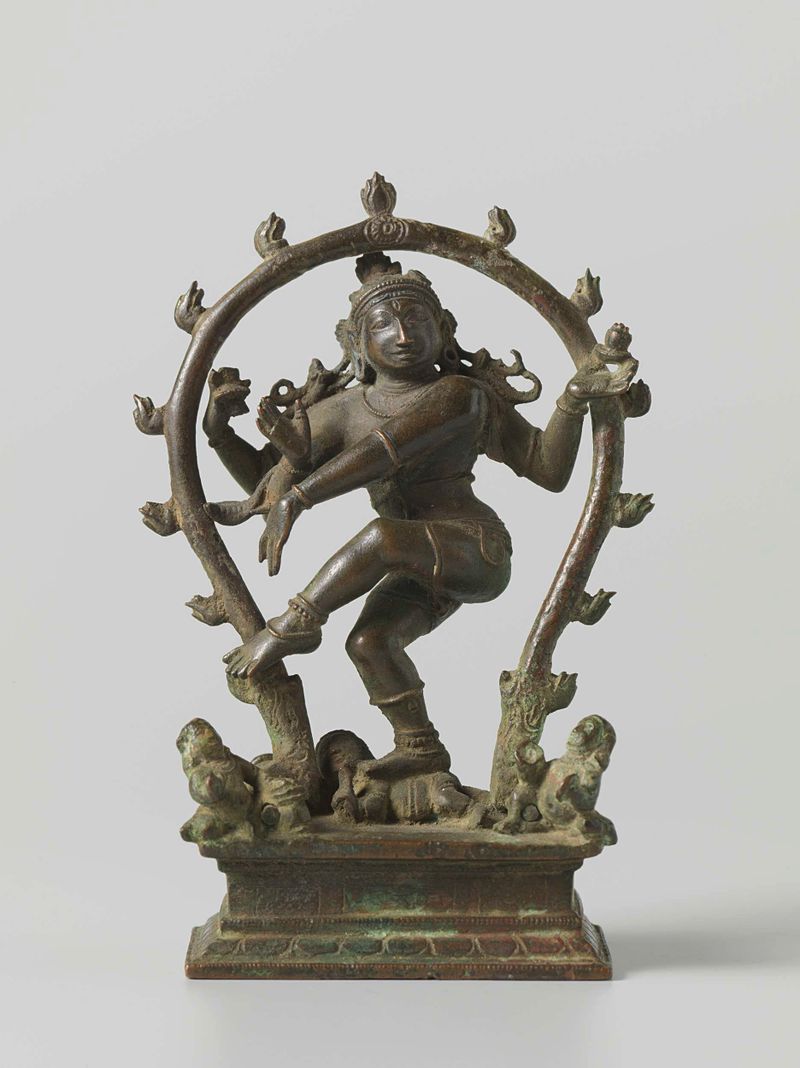
Shiva Nataraja
Unknown Artist

The Tale of Genji
Unknown Artist

The Tale of Genji
Unknown Artist

Cong
Unknown Artist
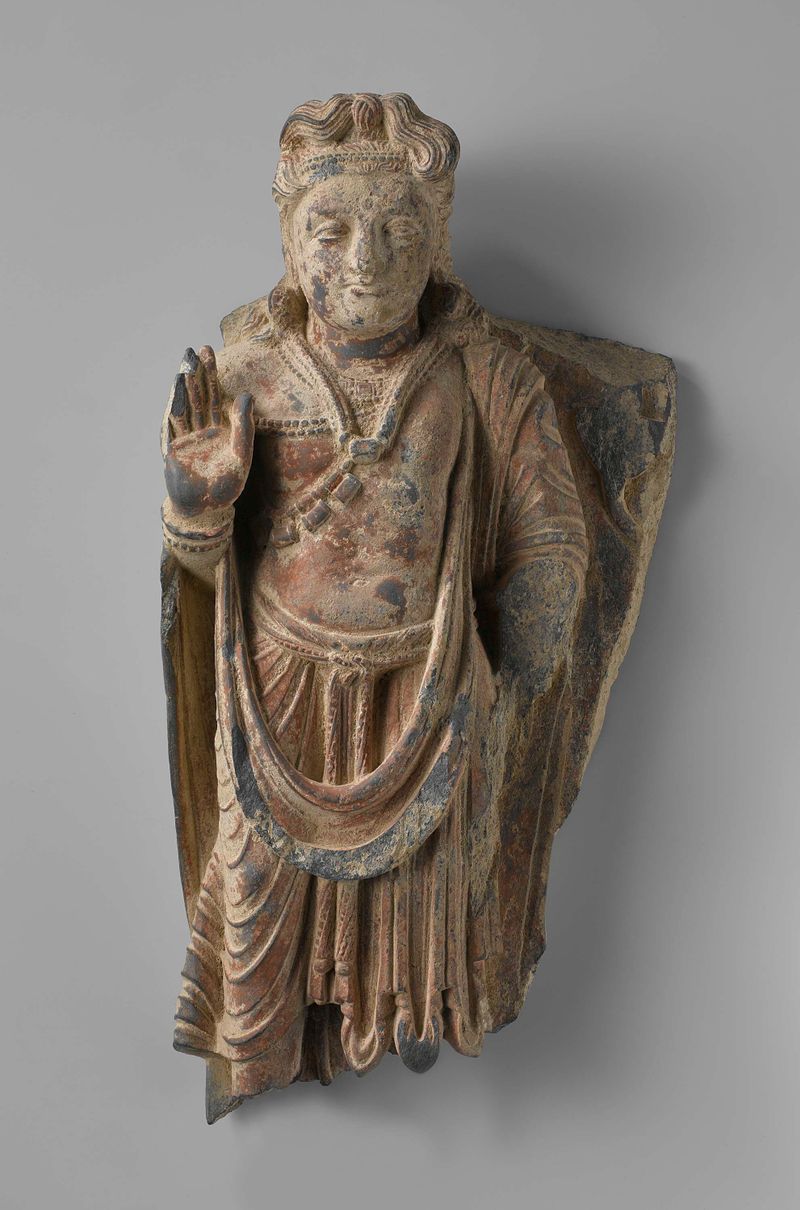
The bodhisattva Maitreya
Unknown Artist

Teabowl with a 'hare's fur' glaze
Unknown Artist