
Strook kloskant met klimopblad en gelobde schulpen — History & Facts
In the intricate dance of textures and forms, the viewer is invited to find deeper truths hidden beneath the surface. Look closely at the delicate interplay of the ivy leaves and waves of lace. The intricate patterns draw your gaze across the canvas, creating a rhythmic movement that echoes the organic forms. Notice how the light caresses the edges, illuminating the delicate threads, while shadows hint at the stories woven within.
The subtle use of color enhances the composition, each hue a whisper, guiding the eye through this tactile oasis. Beneath the surface beauty, the work speaks to contrasts of nature and craftsmanship, revealing a dialogue between the organic and the artificial. The ivy, a symbol of resilience and growth, intertwines with the delicate lace, representing fragility and human touch. This juxtaposition invokes a sense of longing—an exploration of our connection to nature and the imprints we leave behind.
Each tiny detail resonates with emotional depth, allowing viewers to reflect on their own entanglement with these themes. Created between 1910 and 1920, this piece reflects a period of significant transition in the art world, where traditional techniques met emerging modernist ideas. The artist remains unknown, adding an air of mystery to the work, yet it aligns with broader movements favoring intricate craftsmanship and nature-inspired motifs. As the world navigated the complexities of progress, this artwork stands as a testament to the enduring beauty found in the delicate balance of life.
More Artworks by Unknown Artist
Browse all →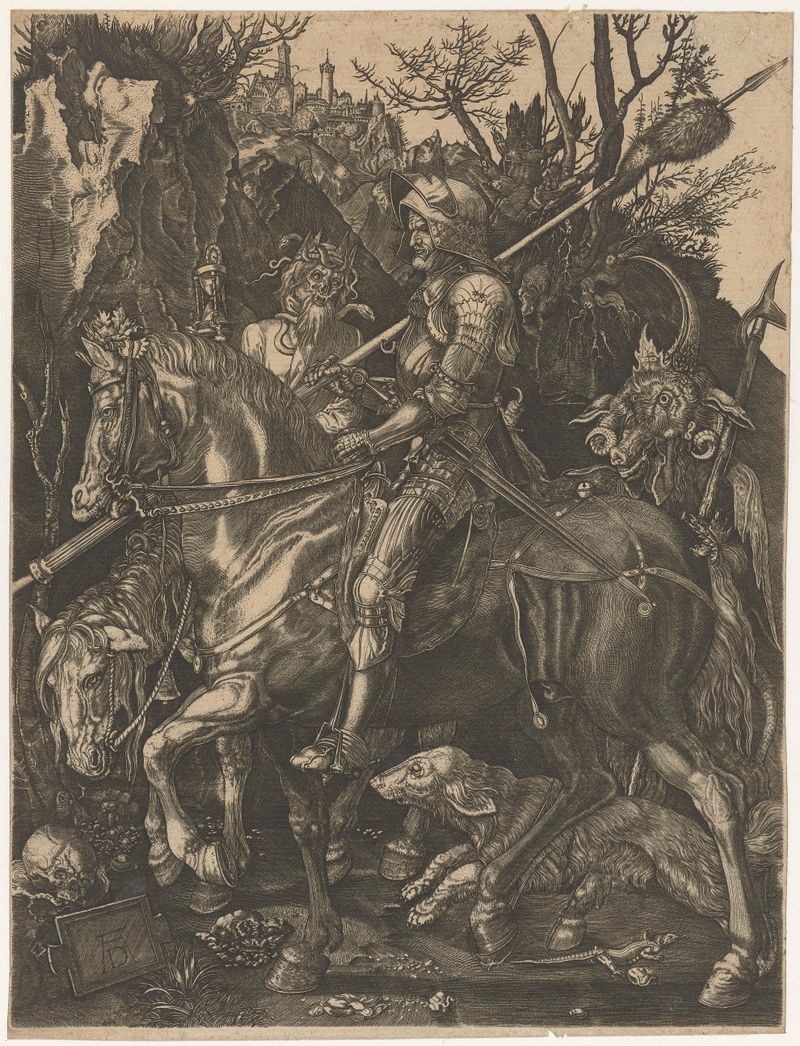
Ridder, Dood en Duivel
Unknown Artist
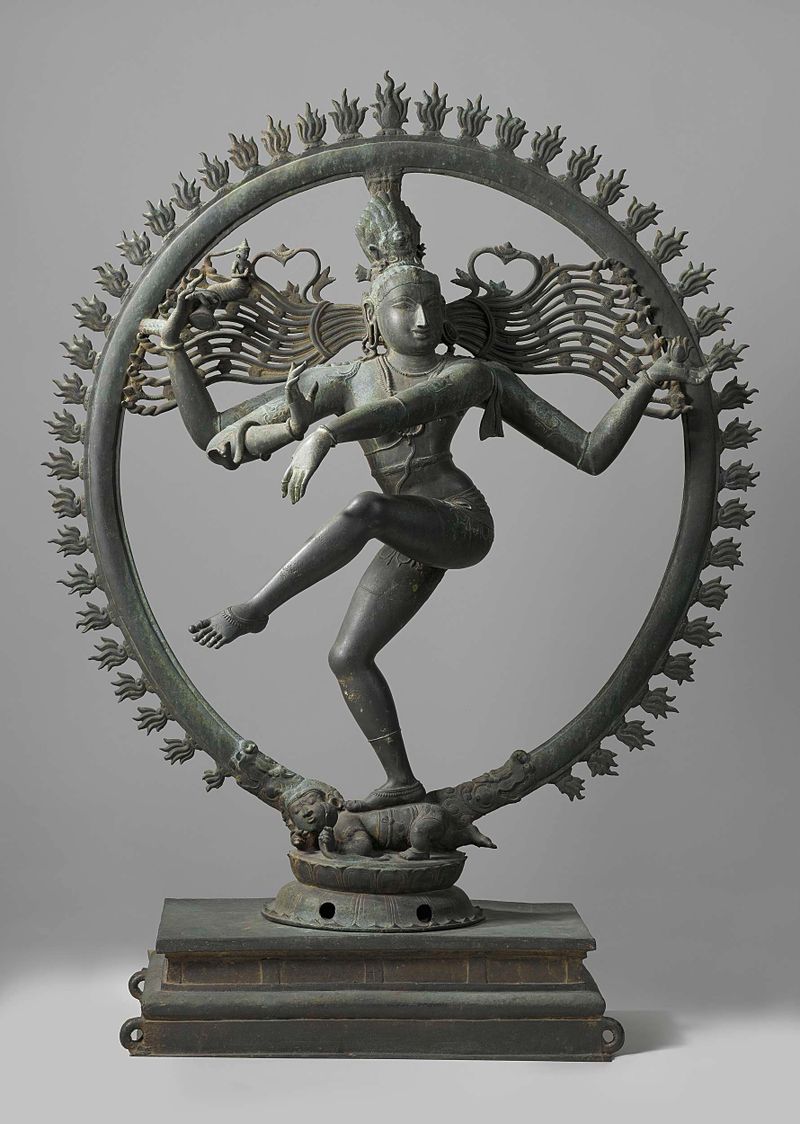
Shiva Nataraja
Unknown Artist
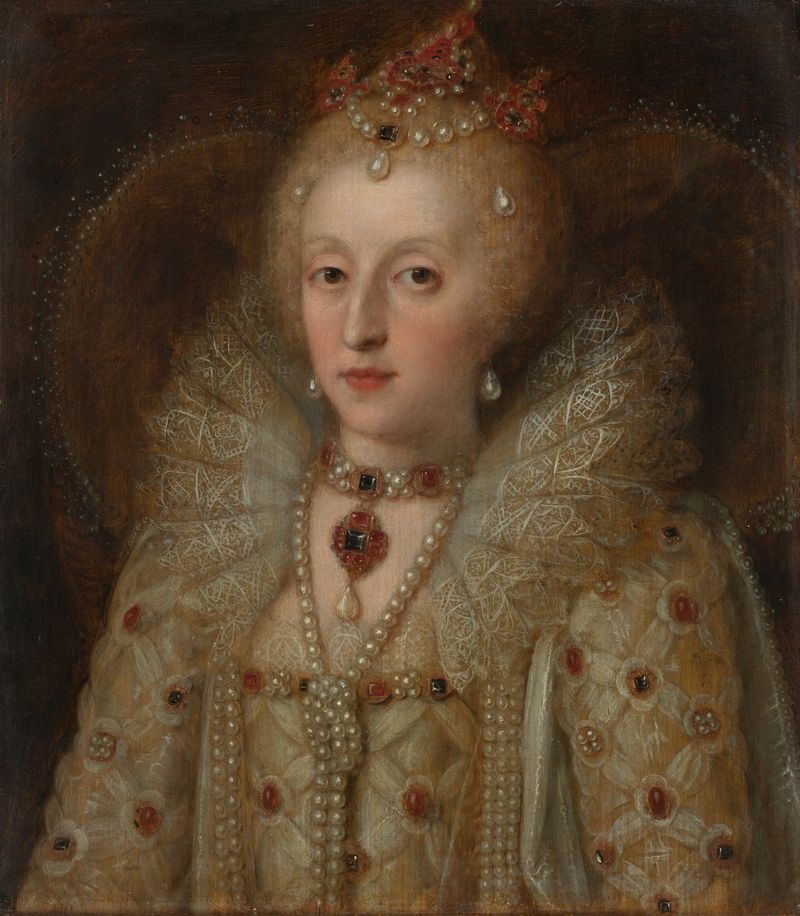
Portrait of Elizabeth I, Queen of England
Unknown Artist
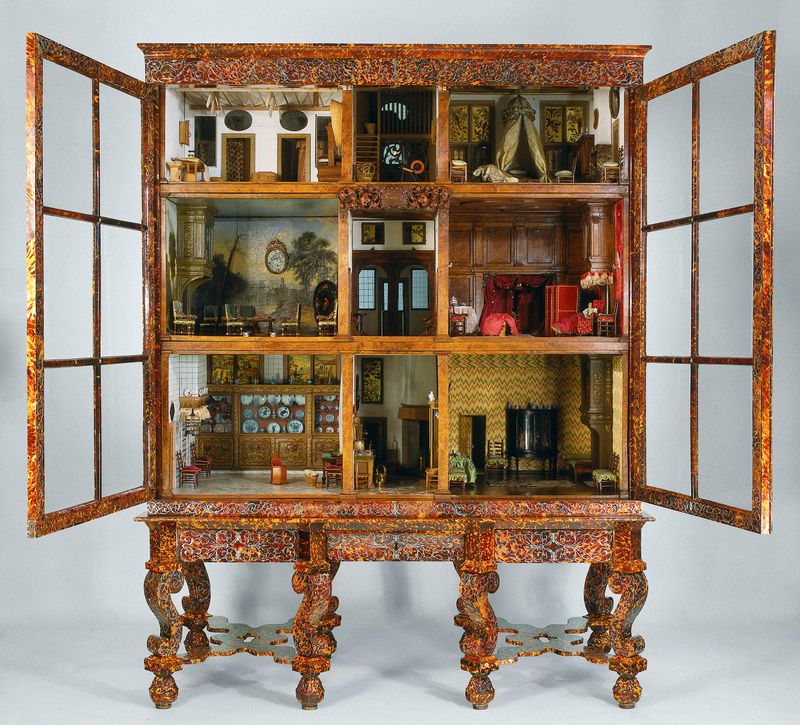
Dolls’ house of Petronella Oortman
Unknown Artist
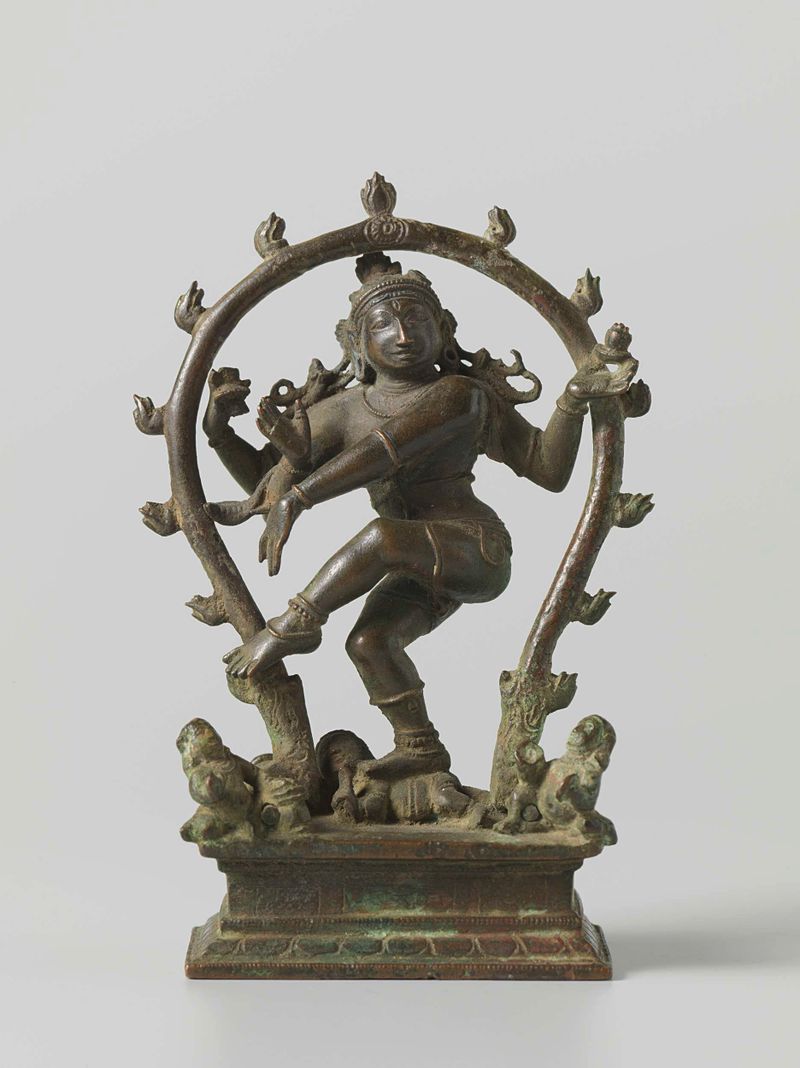
Shiva Nataraja
Unknown Artist

The Tale of Genji
Unknown Artist

The Tale of Genji
Unknown Artist

Cong
Unknown Artist
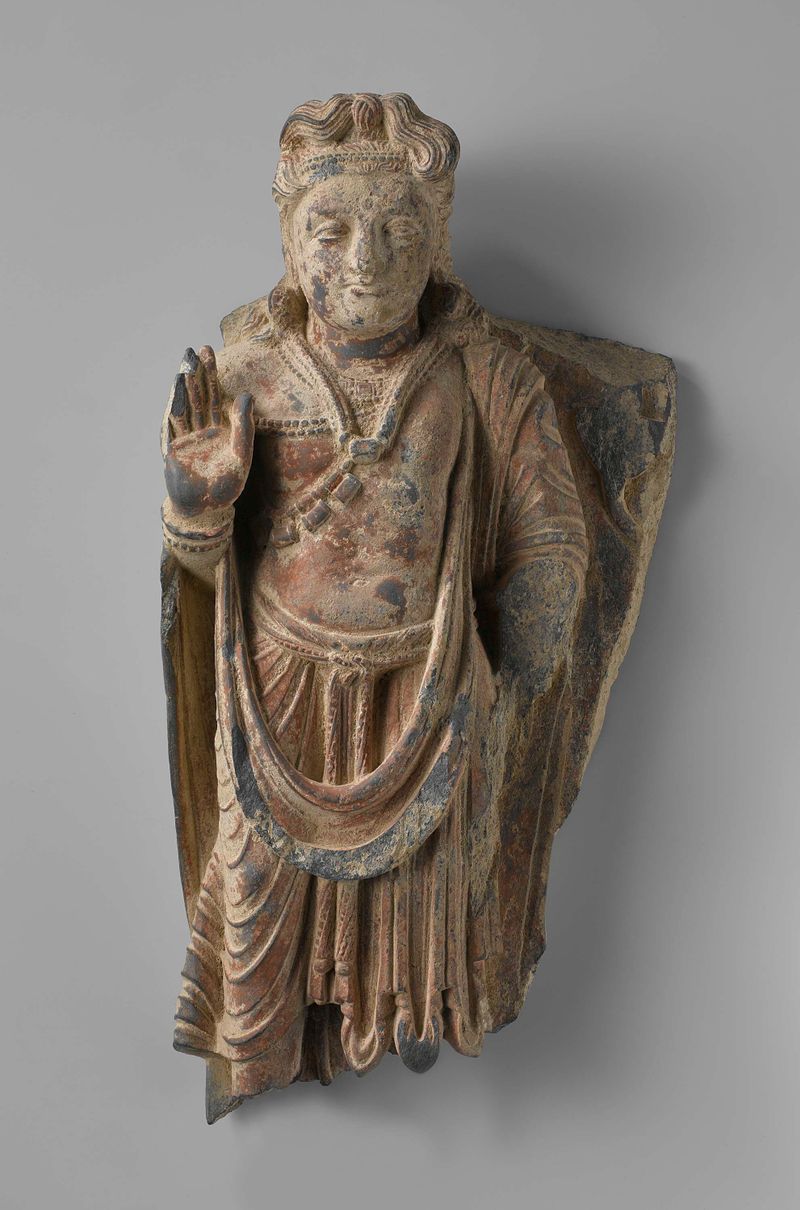
The bodhisattva Maitreya
Unknown Artist

Teabowl with a 'hare's fur' glaze
Unknown Artist



