Strook kloskant met oneindig kronkelend lint — History & Facts
In the quiet depths of an era marked by transformation, artworks whispered the stories of revolution, rebellion, and change. Look to the intricate patterns of Strook kloskant met oneindig kronkelend lint; the delicate lace unfurls across the space like a dancer caught mid-twirl. Notice how the soft, muted hues blend seamlessly, each thread intricately woven, imbuing life into an otherwise still form. The artist's choice of light—softly refracted through the lace—creates an ethereal quality, evoking a sense of wonder and reverence. The tension between fragility and strength is palpable; this lace, while delicate, symbolizes the resilience of craftsmanship amidst socio-political upheaval.
Each swirling line hints at the unseen forces of revolution, embodying the struggle for identity and expression. The play of light and shadow within the intricate design suggests a narrative of hidden truths, a reminder that beauty often masks deeper turmoil. This piece was likely created between 1700 and 1724, during a time in Europe when art began to shift away from the baroque influence, seeking new forms of expression. The artist remains unknown, yet their work reflects the changing tides of the artistic community, where individual voices sought to define their own paths amidst the chaos of societal transformation.
More Artworks by Unknown Artist
Browse all →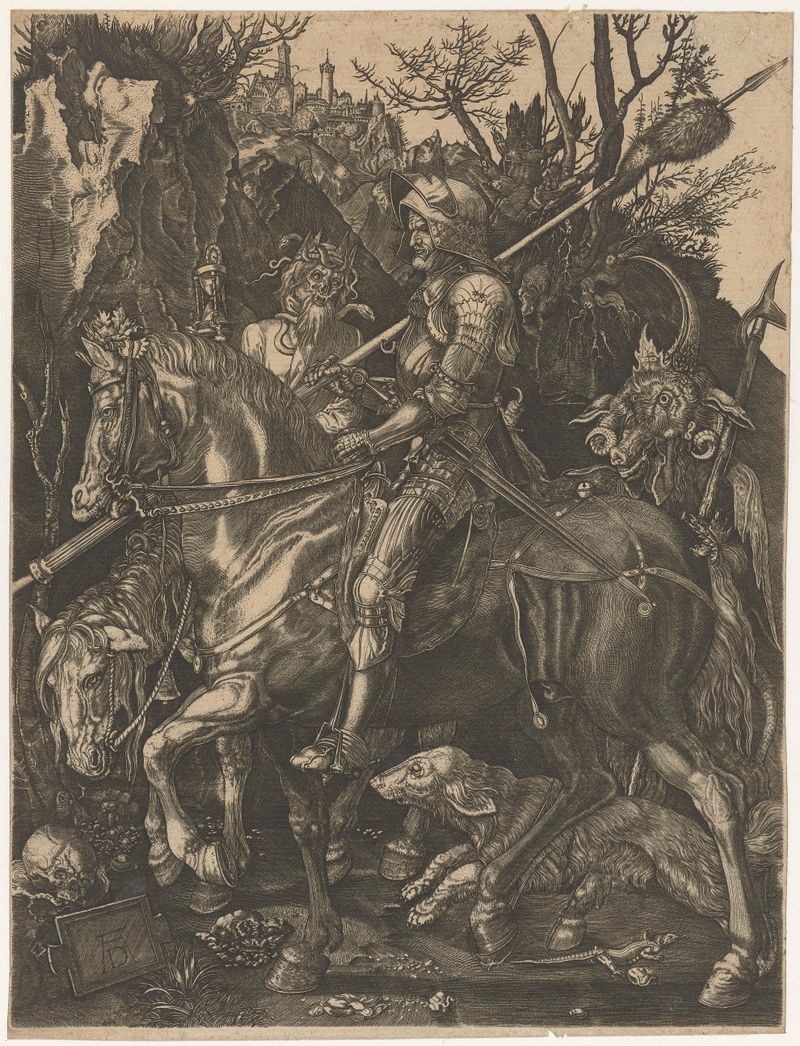
Ridder, Dood en Duivel
Unknown Artist
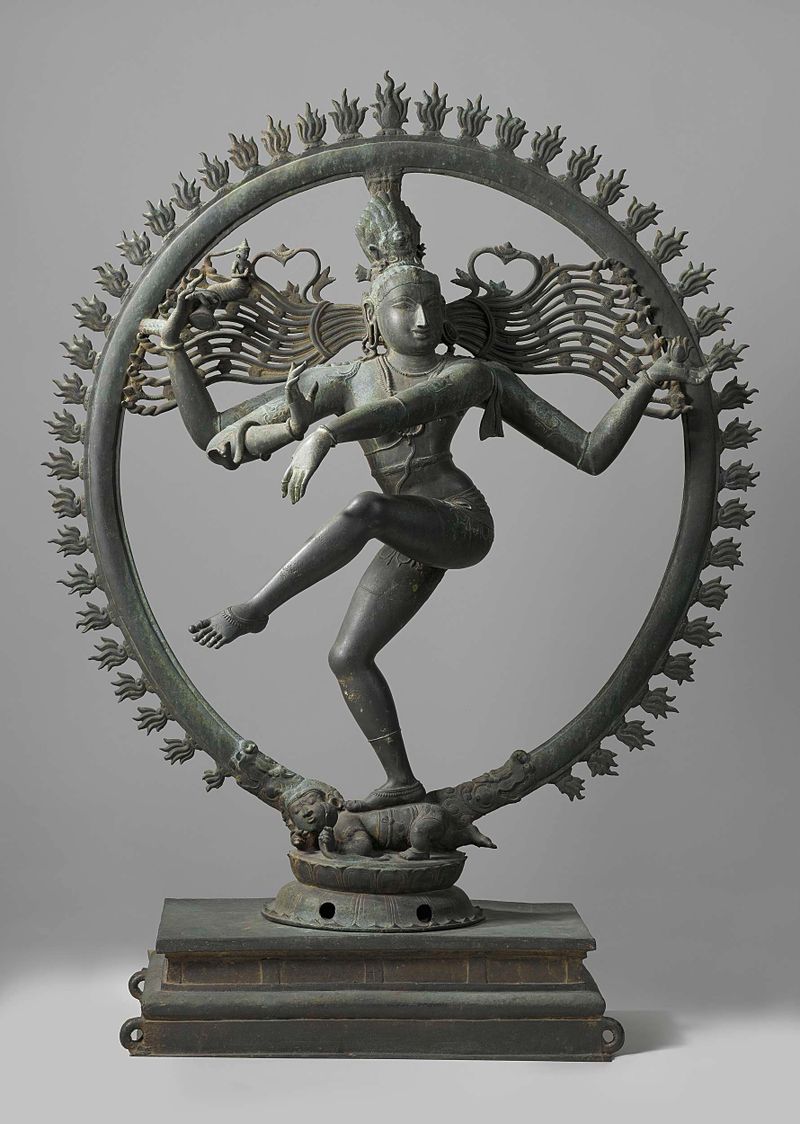
Shiva Nataraja
Unknown Artist
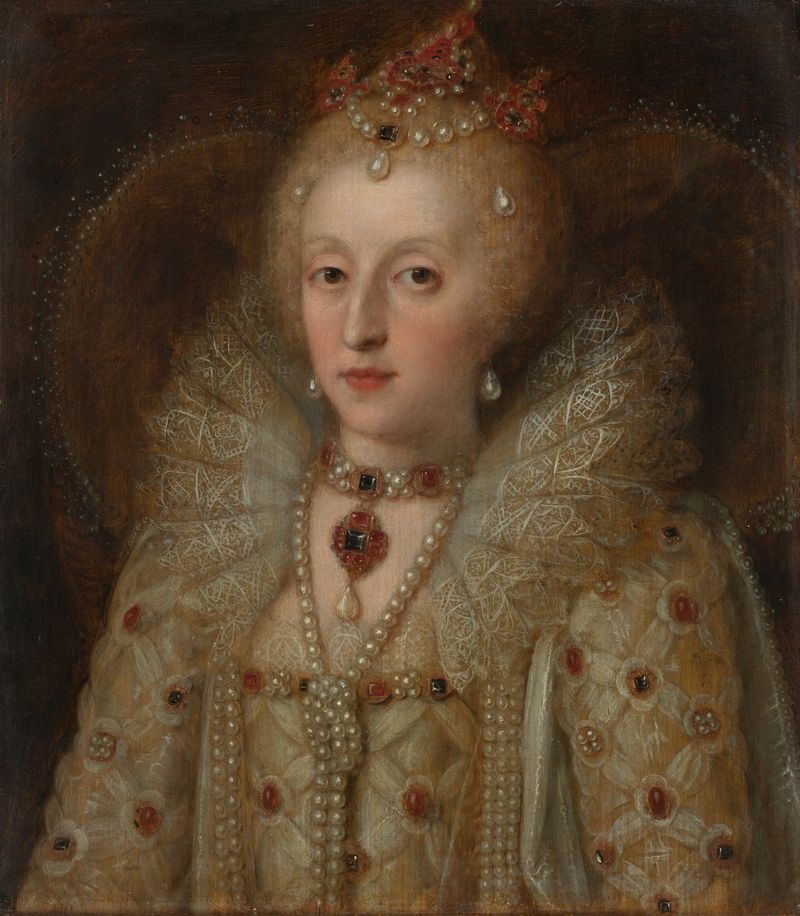
Portrait of Elizabeth I, Queen of England
Unknown Artist
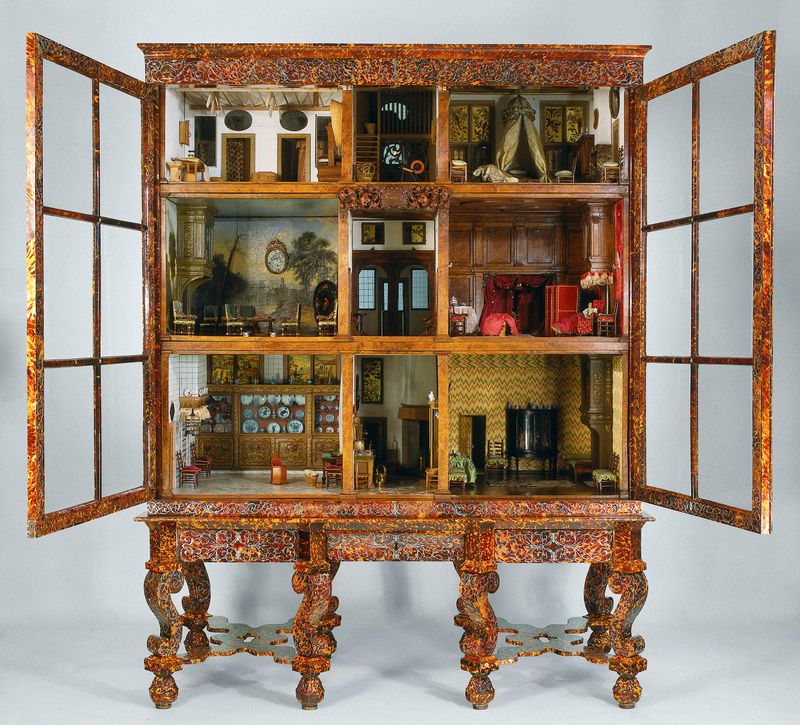
Dolls’ house of Petronella Oortman
Unknown Artist
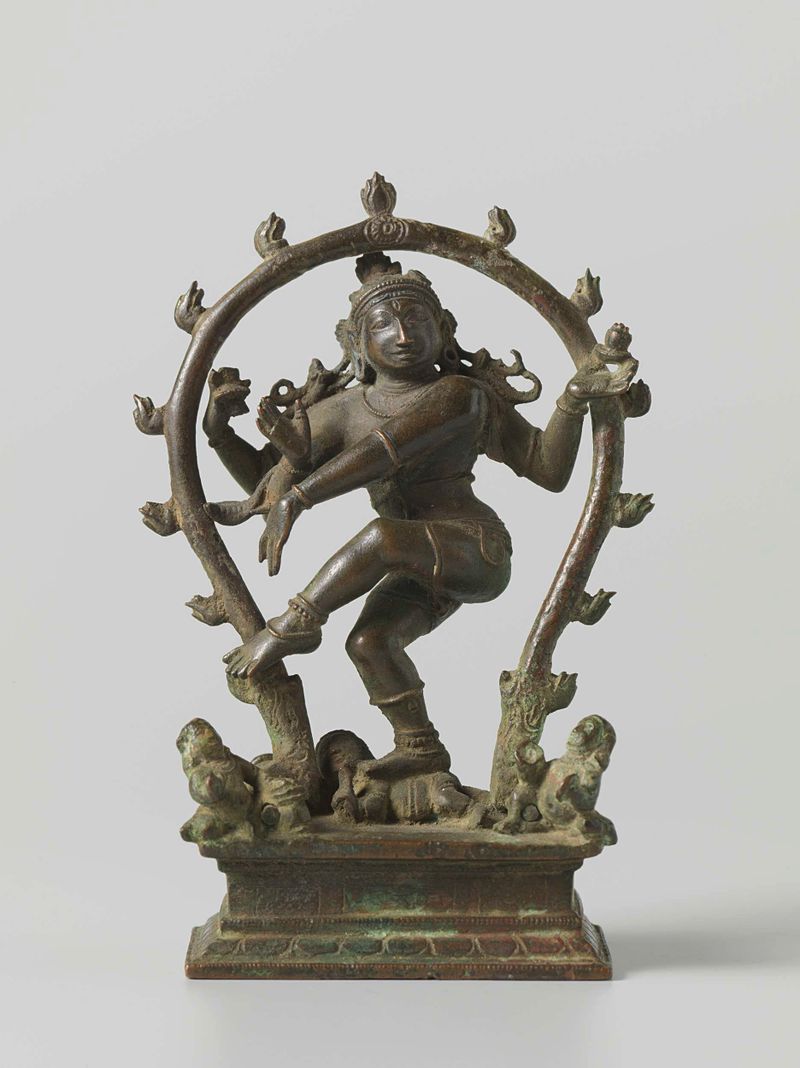
Shiva Nataraja
Unknown Artist

The Tale of Genji
Unknown Artist

The Tale of Genji
Unknown Artist

Cong
Unknown Artist
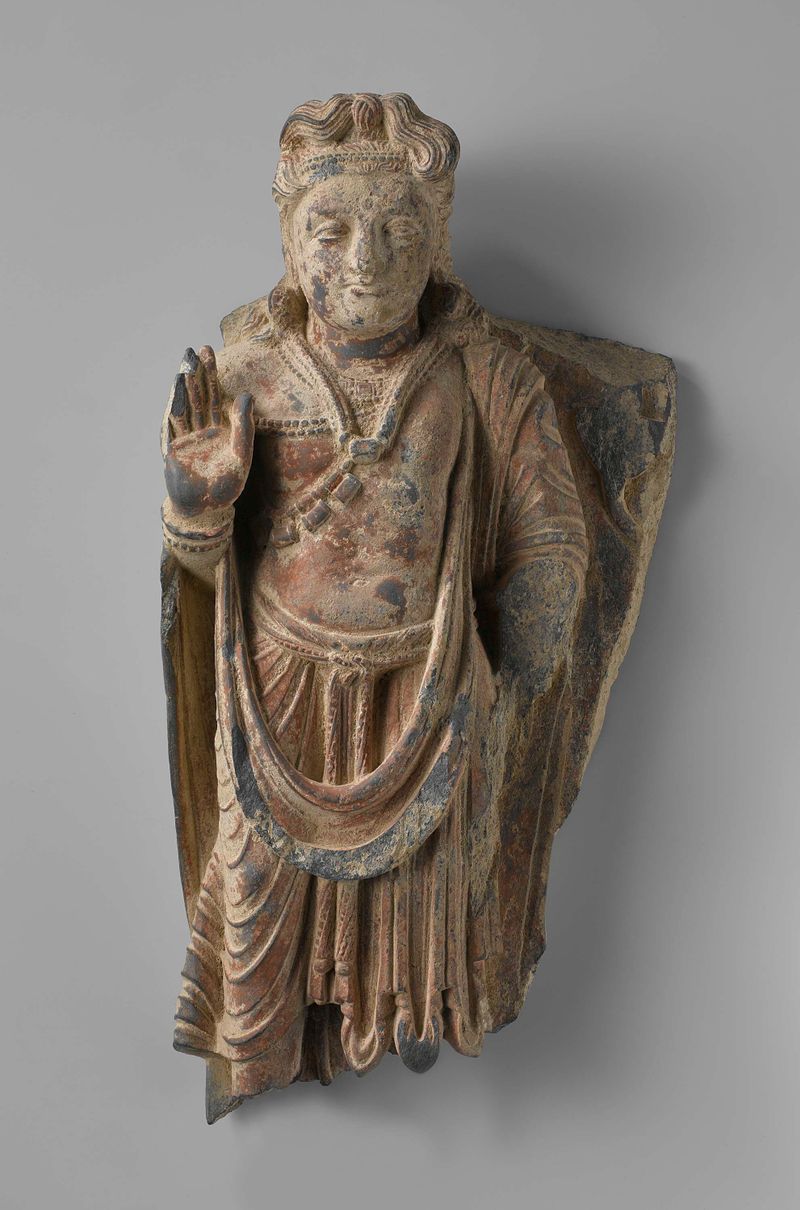
The bodhisattva Maitreya
Unknown Artist

Teabowl with a 'hare's fur' glaze
Unknown Artist