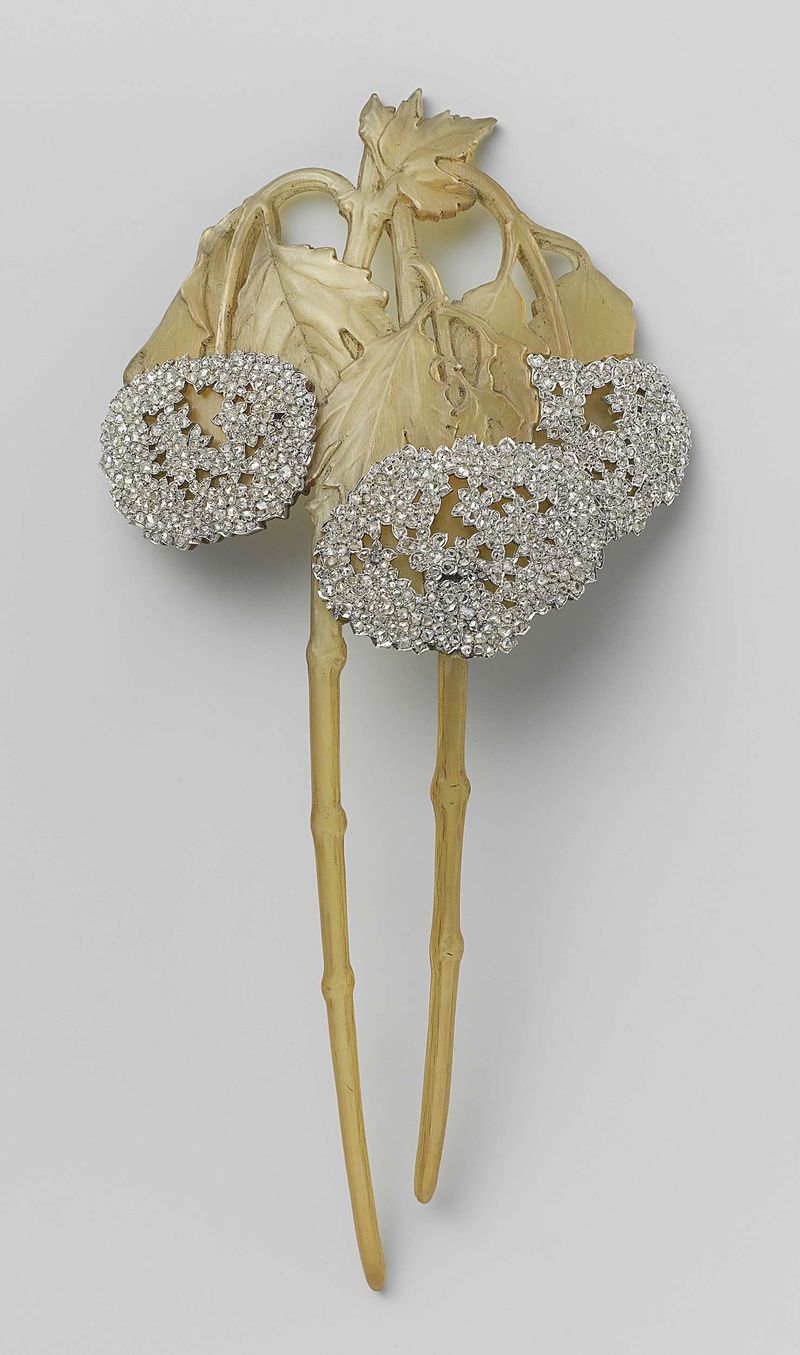
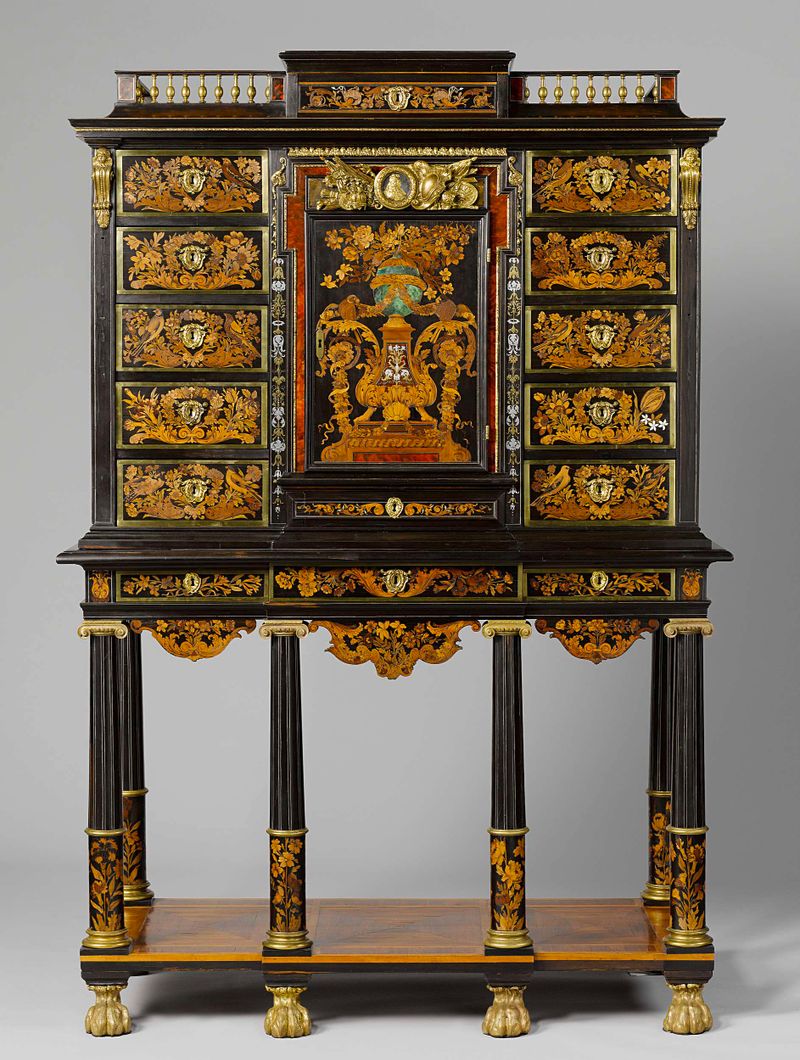
Strook kloskant met schuin geplaatste bladeren en zevenpuntige cartouches — History & Facts
In a world where emptiness often speaks louder than presence, the delicate symmetry of an intricate design stands testament to human creativity and fragility. Focus your gaze on the swirling patterns that dance across the canvas, leading you toward the meticulously placed seven-pointed cartouches. The vibrant colors of the leaves, rendered with an almost ethereal quality, invite you deeper into their labyrinthine paths. Notice how the light subtly reflects off the textures, enhancing the allure of each detail, while the careful placement of shapes creates a rhythmic harmony that both captivates and comforts the eye. Yet, amid the beauty lies a profound contrast.
The vibrant foliage is interspersed with blank spaces that evoke a sense of longing and absence. Each empty space is a reminder of the silence that surrounds vitality, forcing the viewer to confront the emotional weight of what remains unexpressed. The juxtaposition of liveliness and void invites contemplation, compelling you to explore the narratives hidden within the intricate details. Created between 1715 and 1725, this work emerged during a time when decorative arts flourished, reflecting the baroque influence on everyday objects.
The artist, whose identity remains unknown, contributed to a culture that valued ornate beauty, often in direct contrast to the stark realities of life. The artwork epitomizes an era captivated by elegance yet deeply aware of the ephemeral nature of existence.
More Artworks by Unknown Artist
Browse all →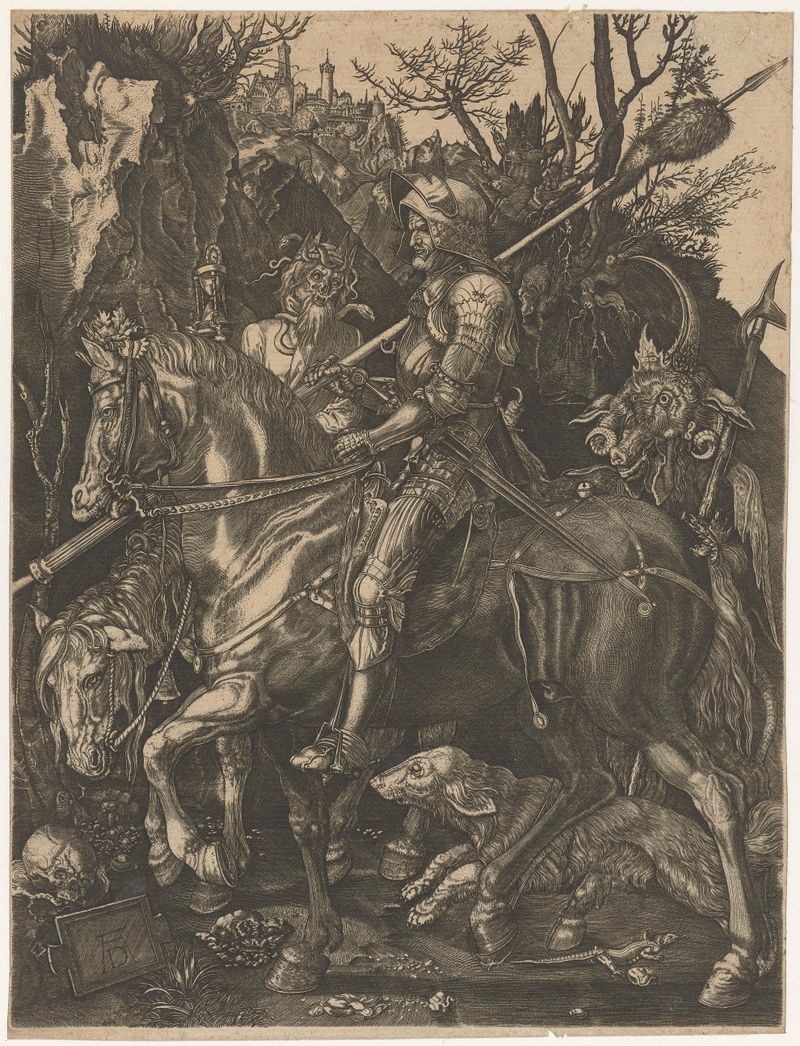
Ridder, Dood en Duivel
Unknown Artist
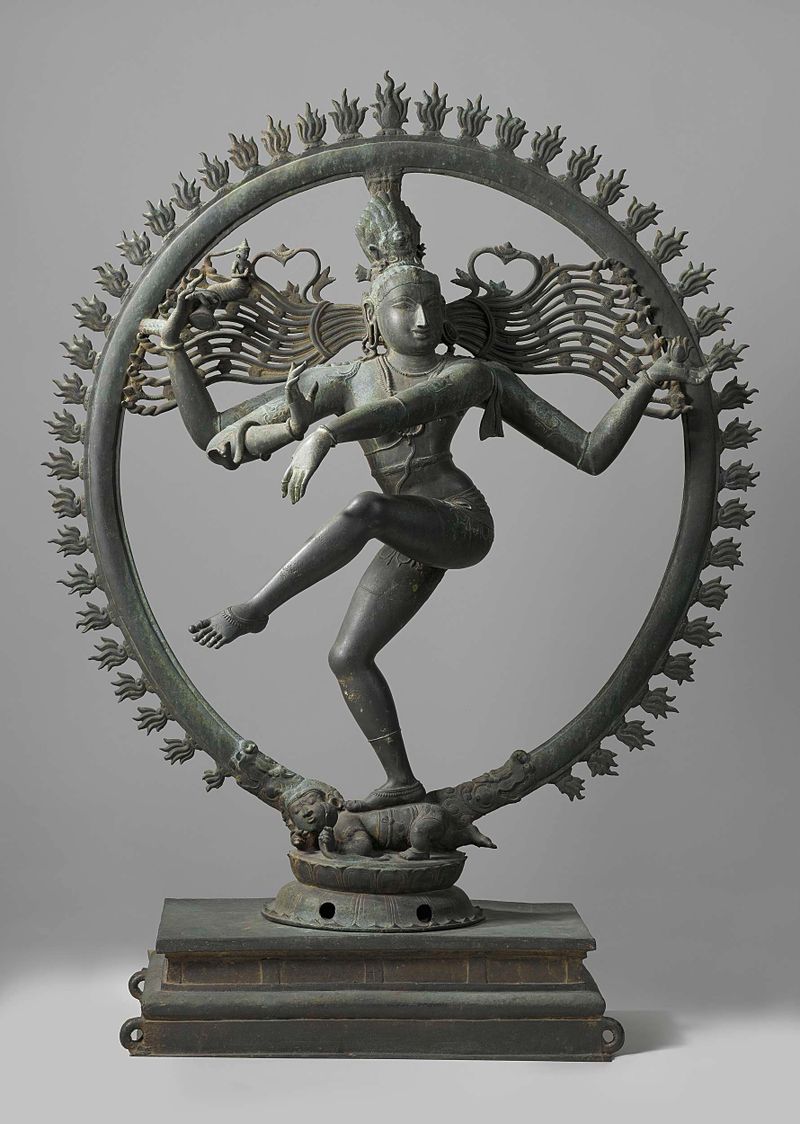
Shiva Nataraja
Unknown Artist
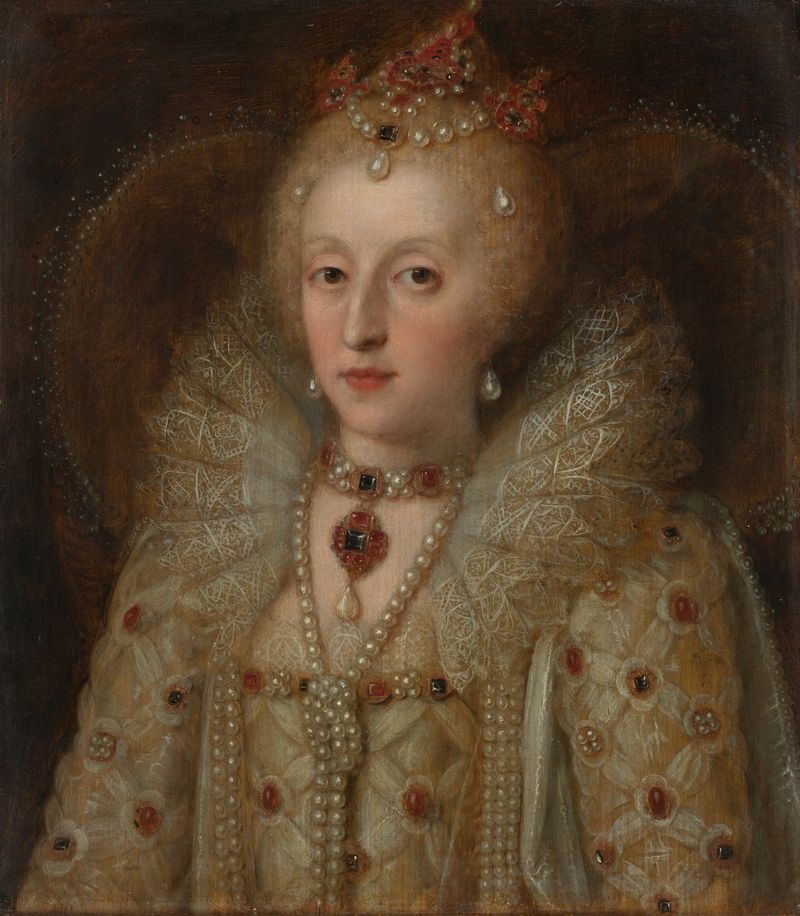
Portrait of Elizabeth I, Queen of England
Unknown Artist
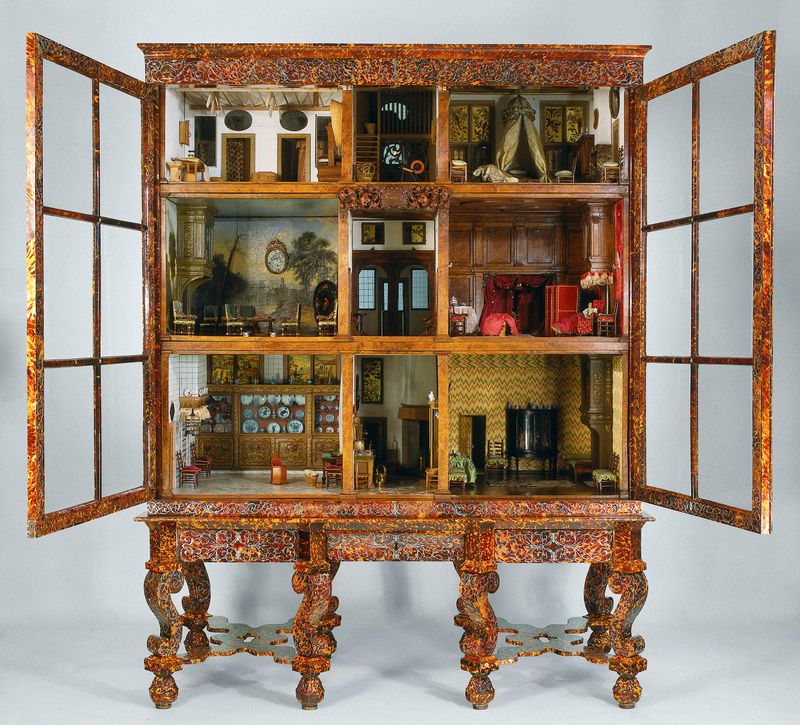
Dolls’ house of Petronella Oortman
Unknown Artist
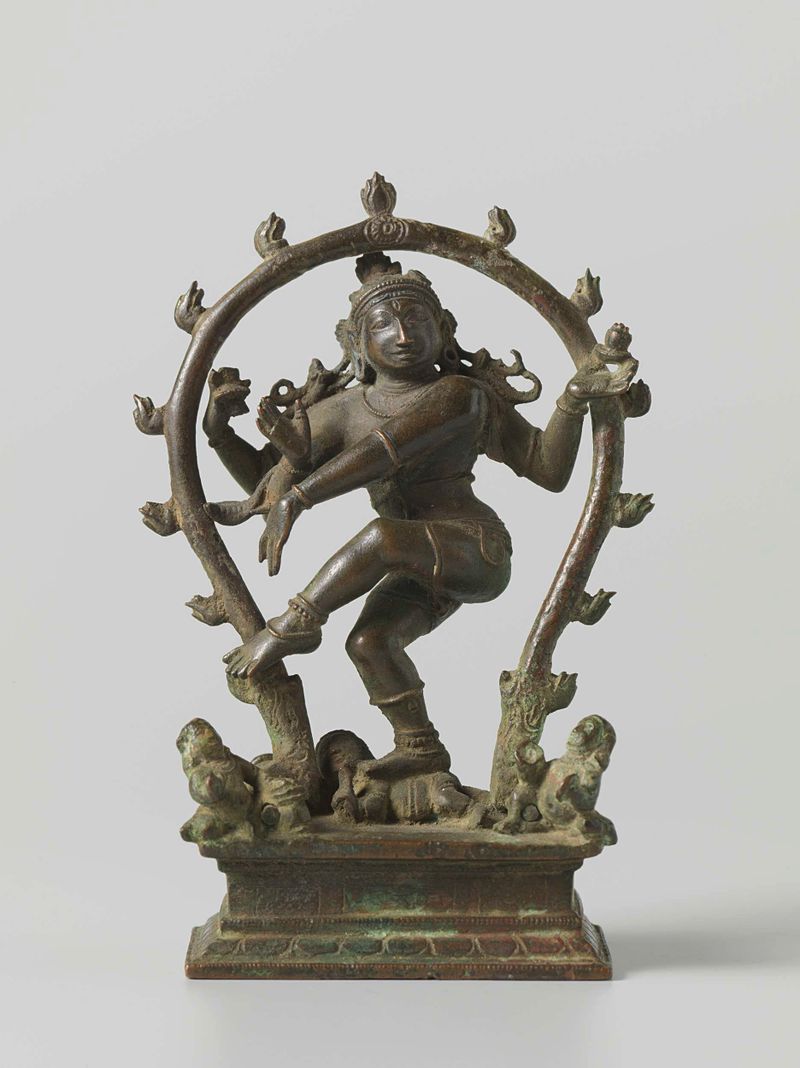
Shiva Nataraja
Unknown Artist

The Tale of Genji
Unknown Artist

The Tale of Genji
Unknown Artist

Cong
Unknown Artist
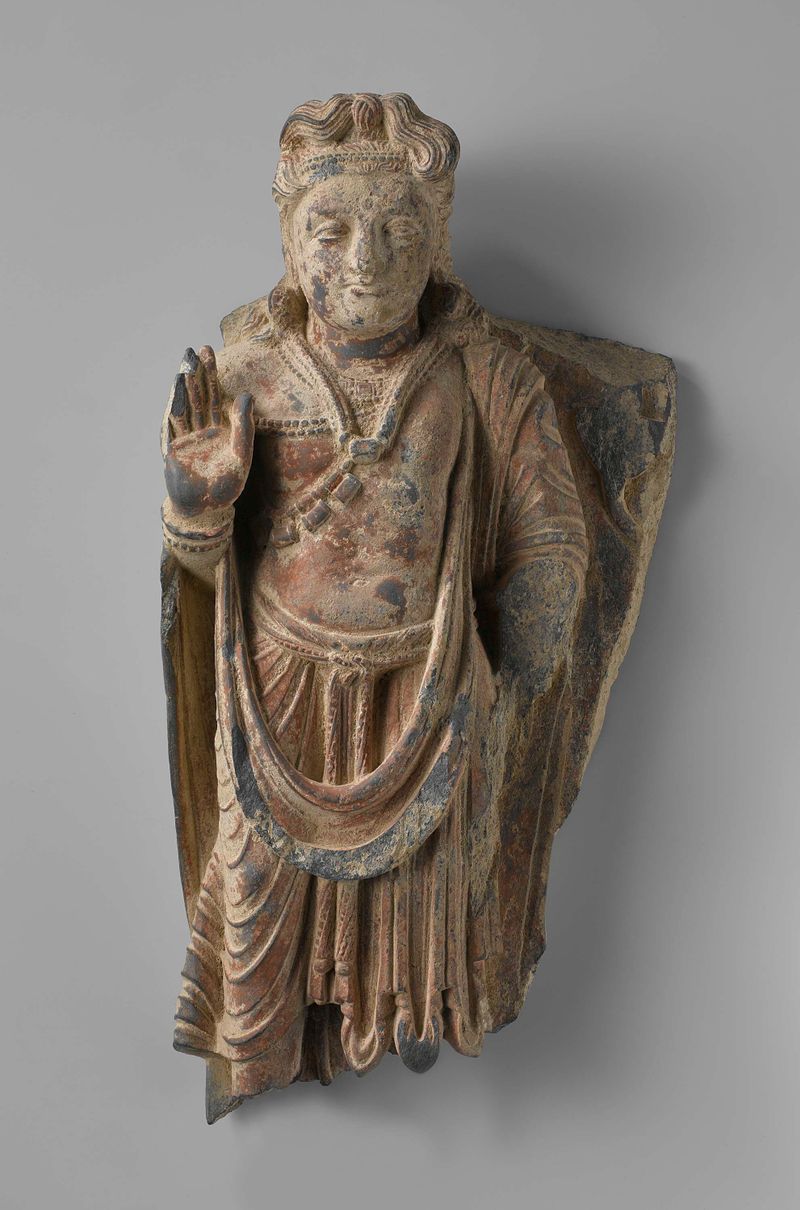
The bodhisattva Maitreya
Unknown Artist

Teabowl with a 'hare's fur' glaze
Unknown Artist