Strook kloskant met vallend blaadje — History & Facts
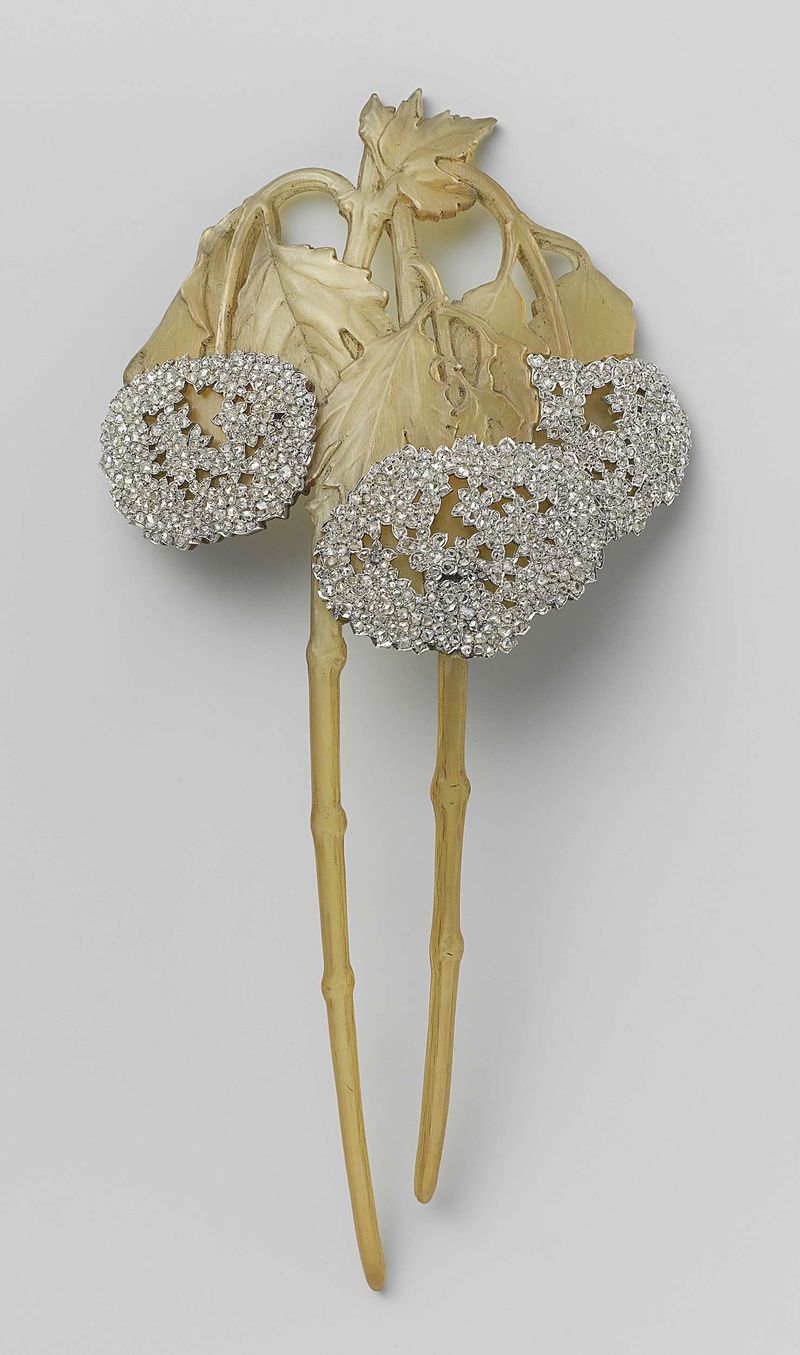
In the stillness of a moment, beauty finds its voice in unexpected places, inviting a deeper exploration beyond the surface. Look to the delicate lacework that fills the canvas with intricate patterns, each stroke a testament to the artist’s meticulous craftsmanship. Just beyond the lace, a single falling leaf is captured mid-descent, its vibrant hue contrasting with the soft, muted tones of the background. The play of light upon both textures creates a dance of shadows and highlights, guiding the viewer’s eye and evoking a sense of transience. Within this piece lies a profound dialogue between fragility and permanence.
The lace, a symbol of human artistry and care, stands resilient against the inevitability of change represented by the leaf. This juxtaposition invites contemplation on time and beauty—how moments can be exquisite yet ephemeral, reminding us of life’s delicate balance. The subtle variations in color and texture underscore the tension between creation and decay, mastery and nature’s unpredictable course. Created around 1910, this artwork emerges from a period when many artists were exploring the intricacies of everyday life and nature through emerging styles.
At this time, the world was undergoing significant transformations, both socially and artistically, with movements that began to celebrate individuality and craftsmanship. The artist, though unknown, captures a fleeting moment that resonates with the ideals of beauty and introspection that defined this rich era in art history.
More Artworks by Unknown Artist
Browse all →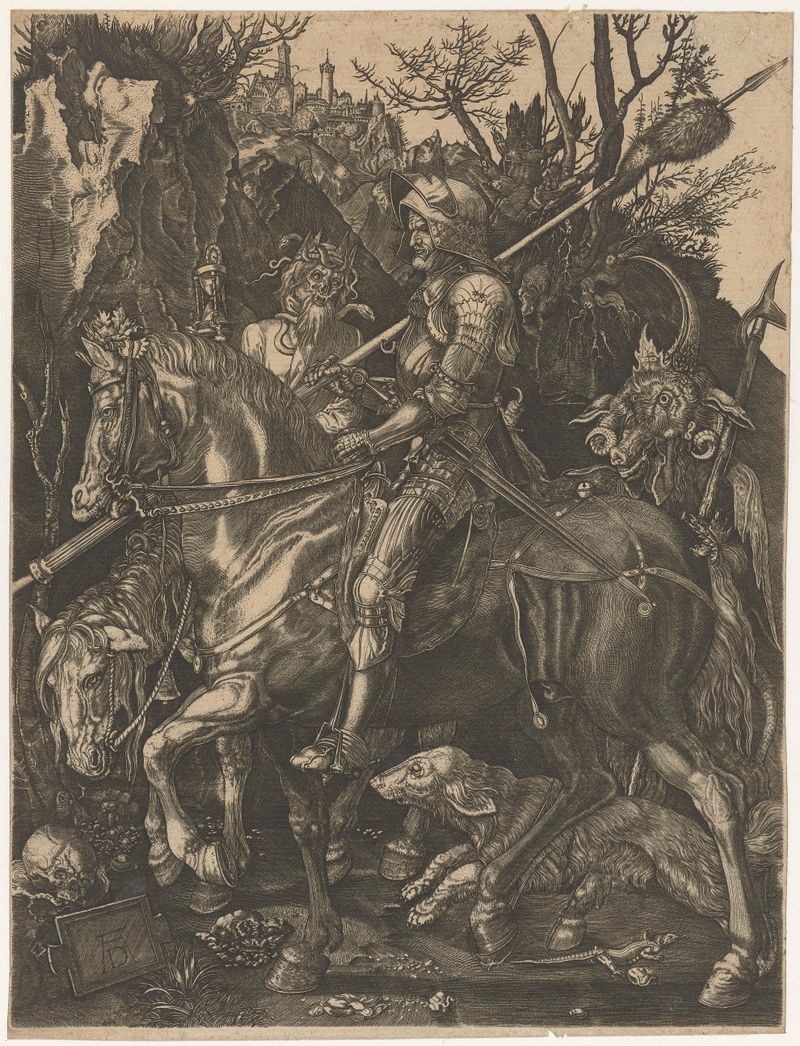
Ridder, Dood en Duivel
Unknown Artist
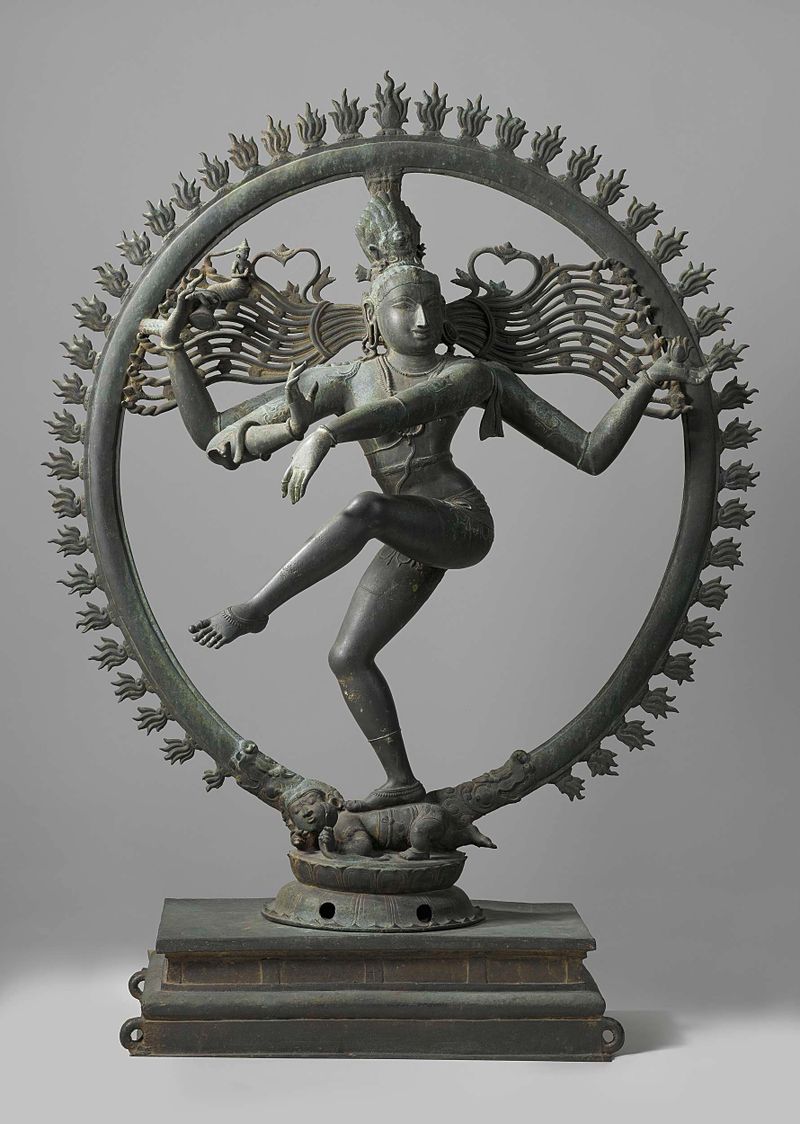
Shiva Nataraja
Unknown Artist
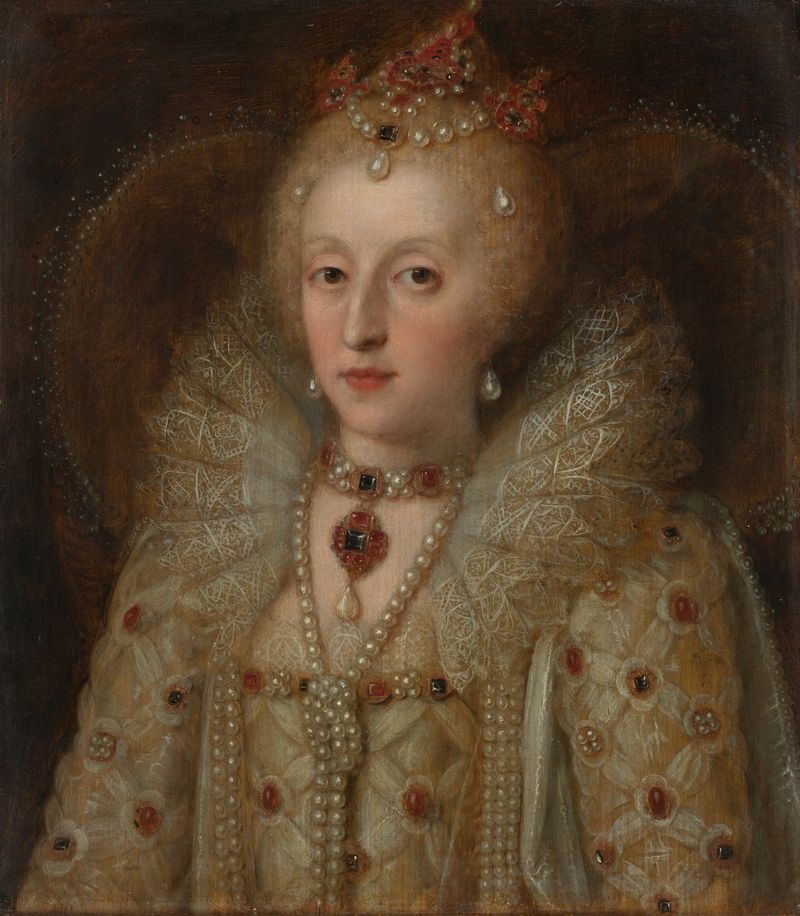
Portrait of Elizabeth I, Queen of England
Unknown Artist
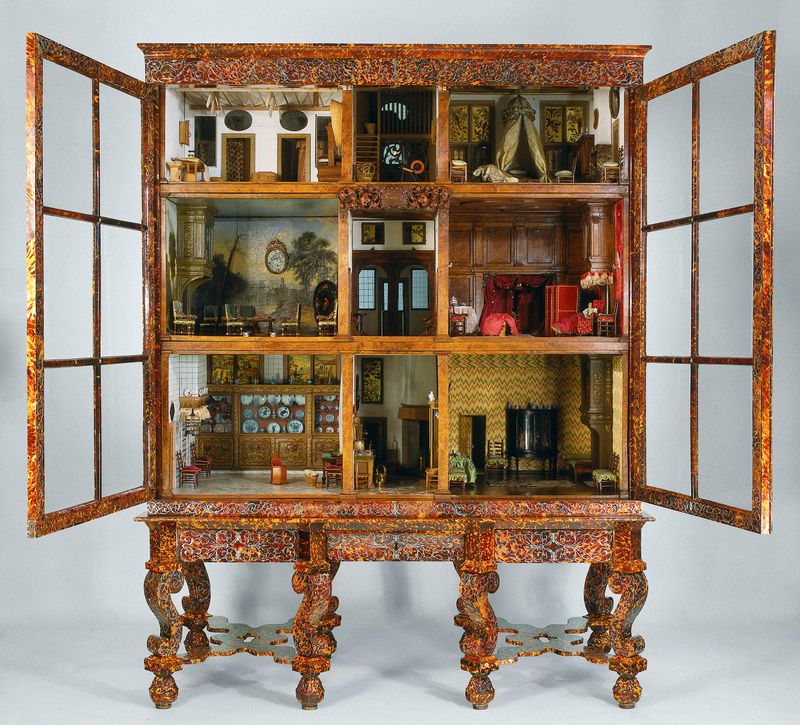
Dolls’ house of Petronella Oortman
Unknown Artist
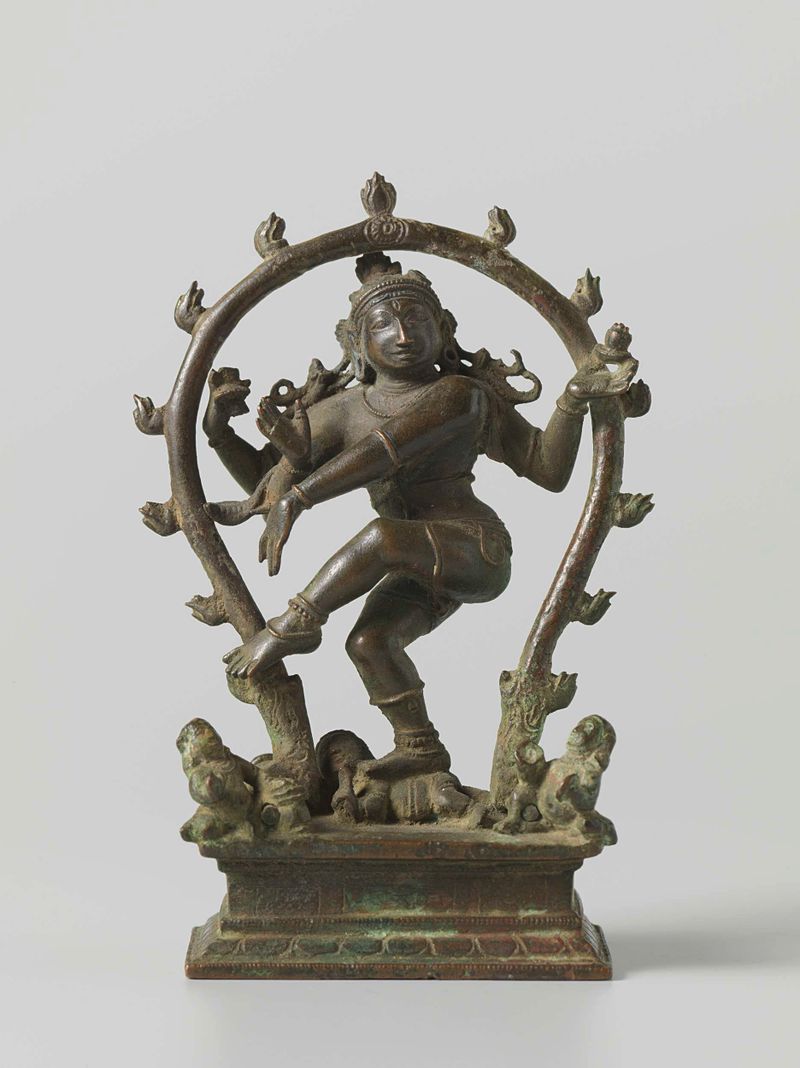
Shiva Nataraja
Unknown Artist

The Tale of Genji
Unknown Artist

The Tale of Genji
Unknown Artist
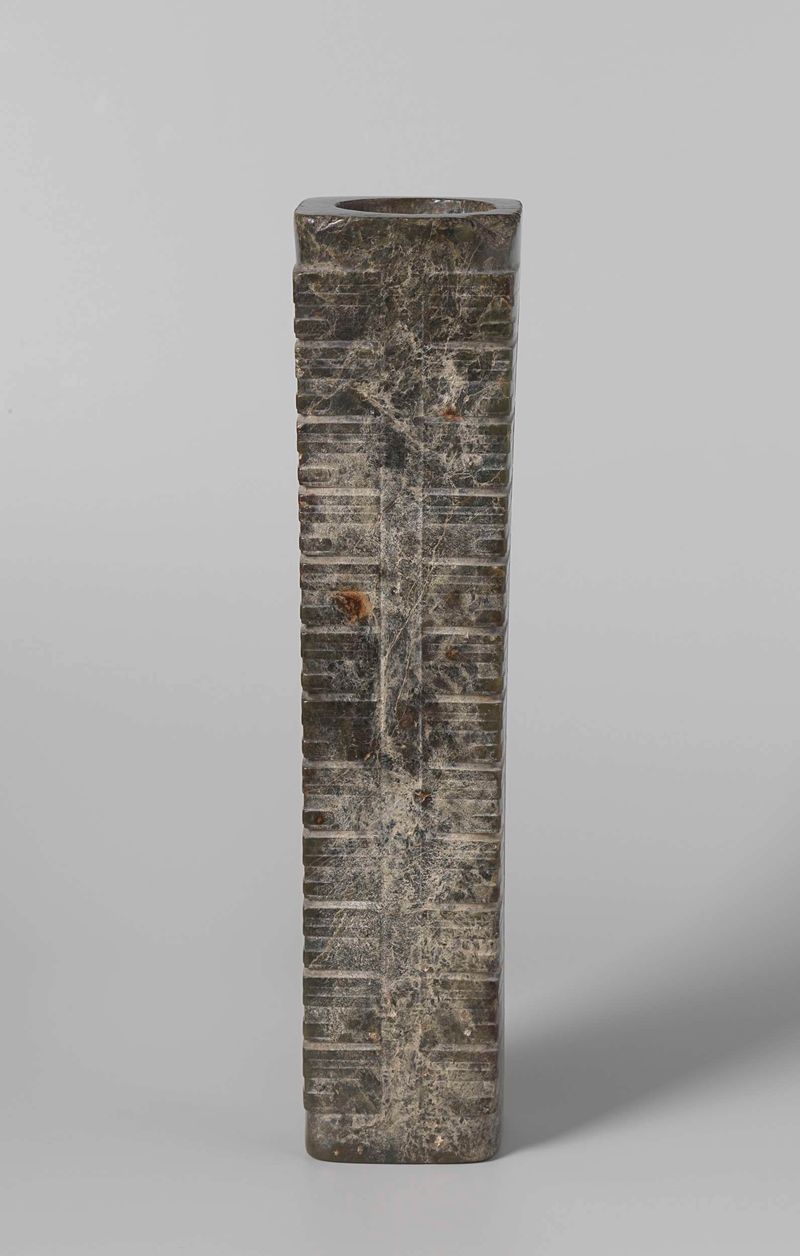
Cong
Unknown Artist
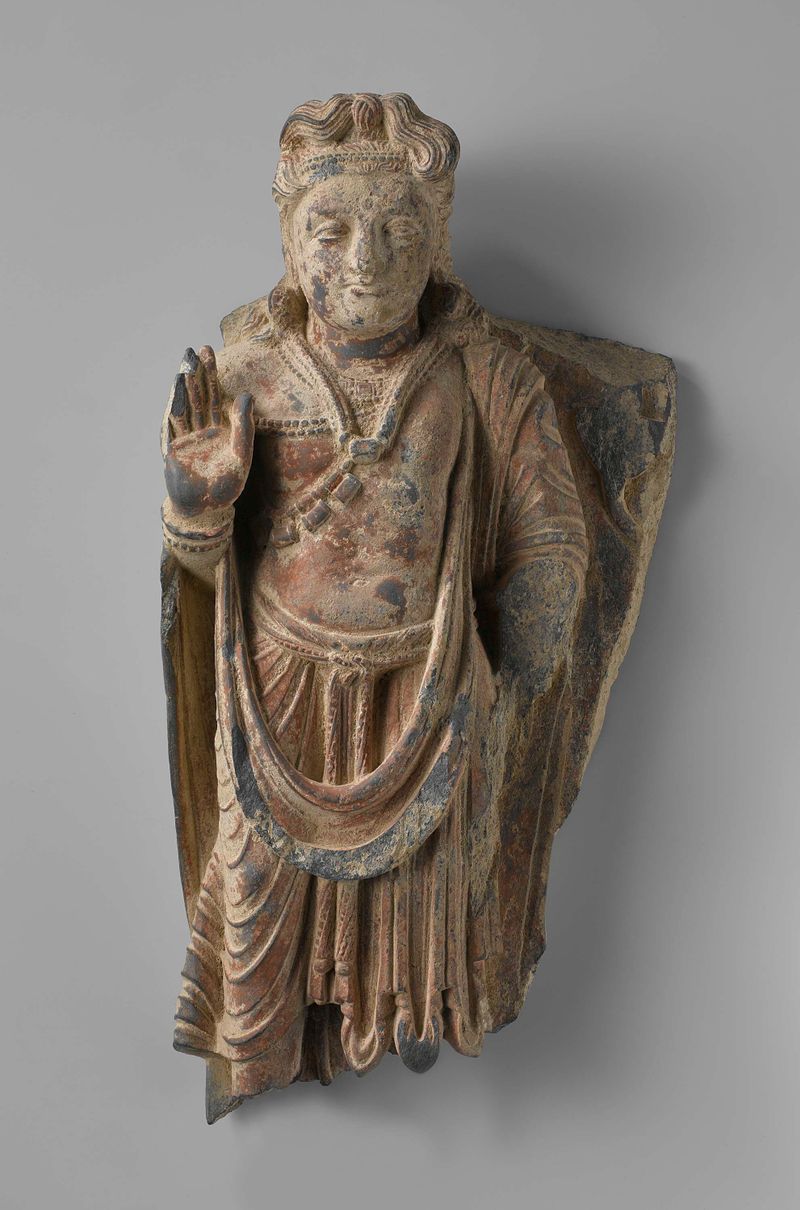
The bodhisattva Maitreya
Unknown Artist
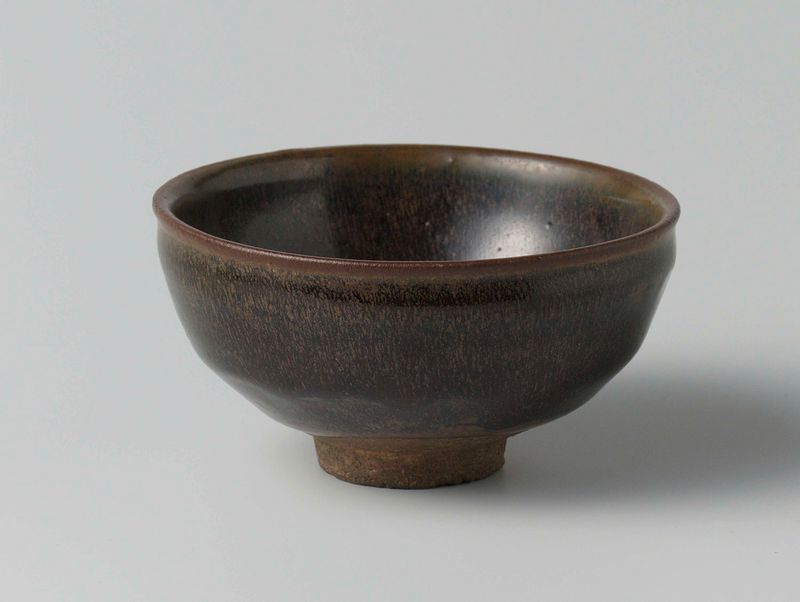
Teabowl with a 'hare's fur' glaze
Unknown Artist