Strook kloskant met vierlobbig rozet boven en onder een zigzag-band — History & Facts
When did color learn to lie? The delicate intricacies of beauty often veil deeper truths, blurring the lines between reality and perception. Look closely at the zigzag band that runs across the textile. Notice how the subtle hues of blue and cream weave together in dynamic rhythm, creating a visual pulse. The four-lobed rosettes, perfectly situated above and below, draw your gaze with their symmetrical elegance, while the intricate stitching reveals the artist's mastery over textile techniques.
Each thread captures light differently, producing a softness that invites touch, yet remains an untouchable marvel. Within this piece, contrasts emerge between structure and fluidity. The straight lines of the zigzag band exude a sense of order, while the organic shapes of the rosettes introduce a playful spontaneity. This interplay may reflect the dual nature of beauty—both disciplined and free, stable yet ephemeral.
The choice of colors and patterns hints at cultural influences, possibly drawing on traditions that blend aesthetics with function. Created between 1840 and 1860, this artwork stands as a testament to the unknown artist's skill during a period marked by the Industrial Revolution and changing societal norms. The era fostered new approaches to decoration and craftsmanship, as artisans sought to balance traditional methods with evolving tastes. In this context, the work transcends mere ornamentation, inviting contemplation on the nature of beauty amid rapid transformation.
More Artworks by Unknown Artist
Browse all →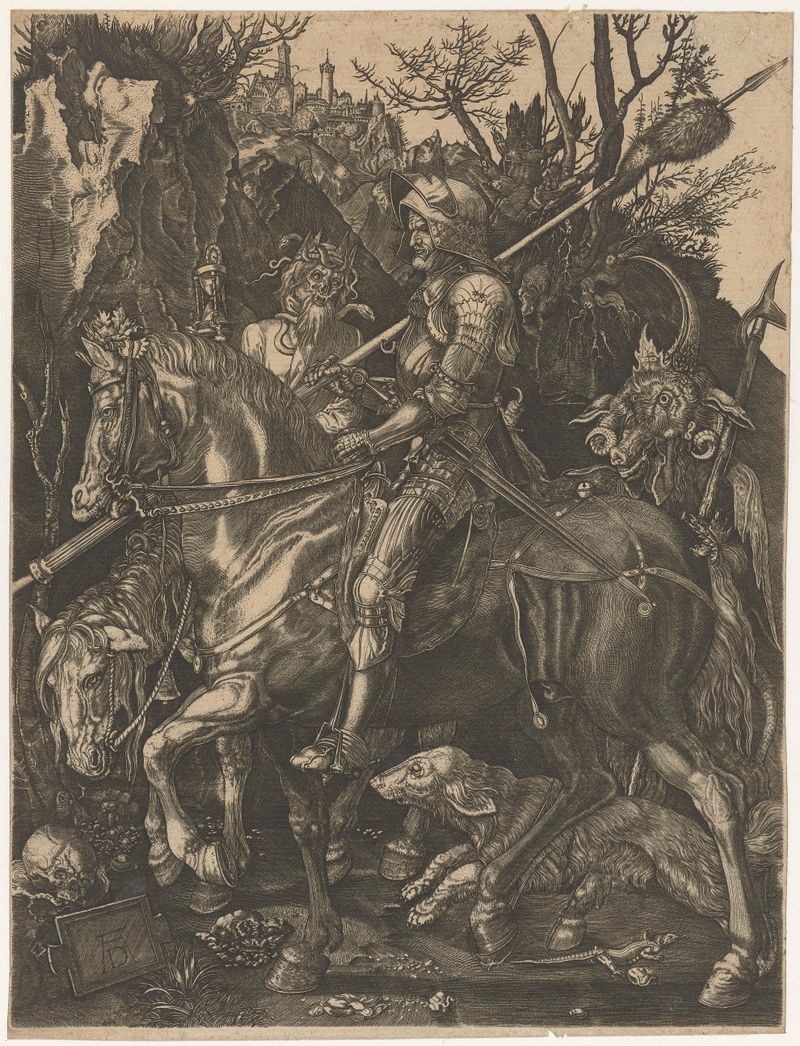
Ridder, Dood en Duivel
Unknown Artist
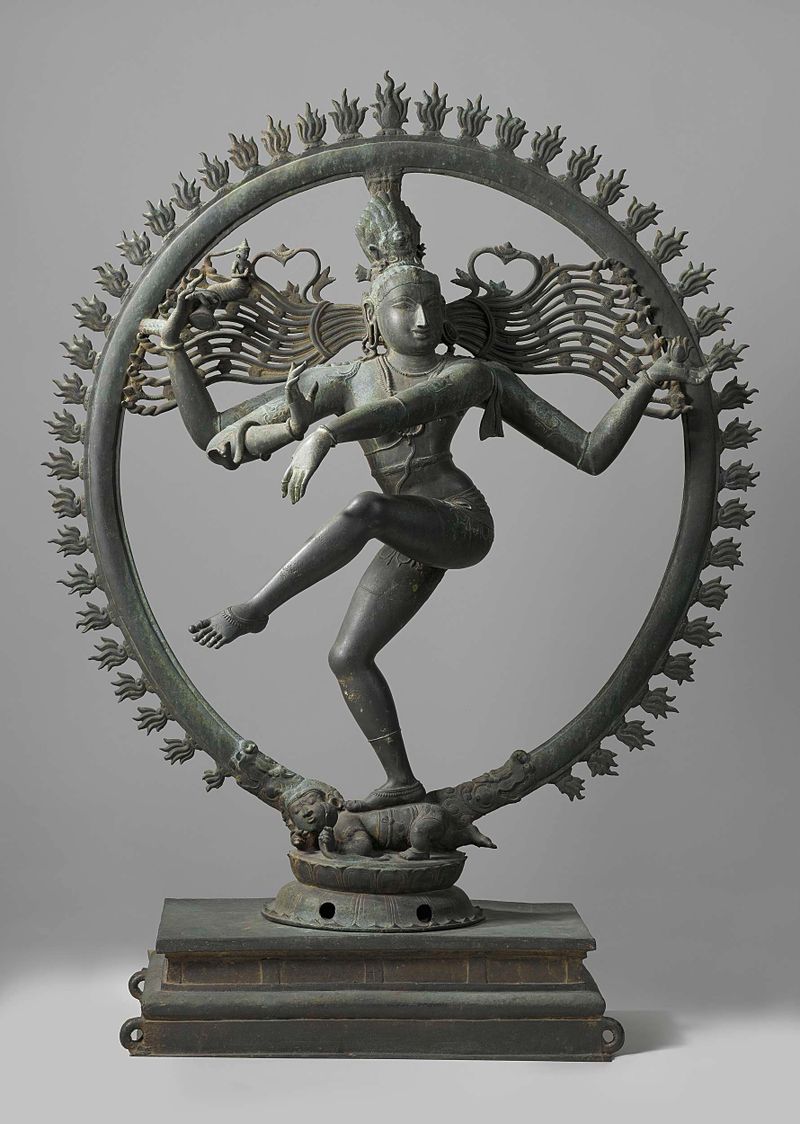
Shiva Nataraja
Unknown Artist
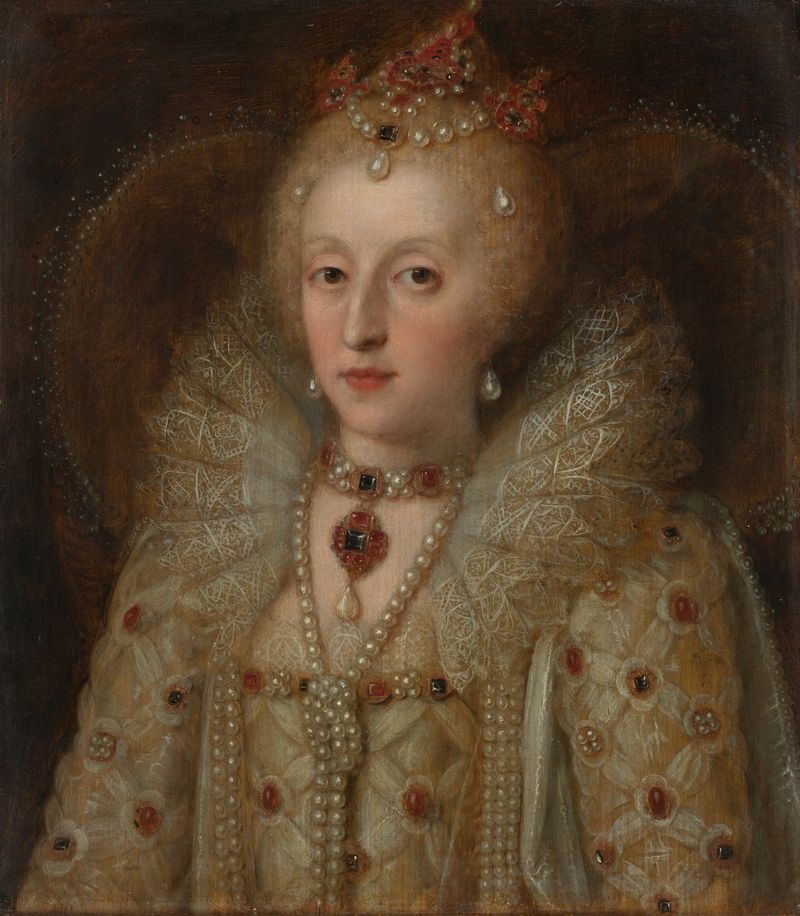
Portrait of Elizabeth I, Queen of England
Unknown Artist
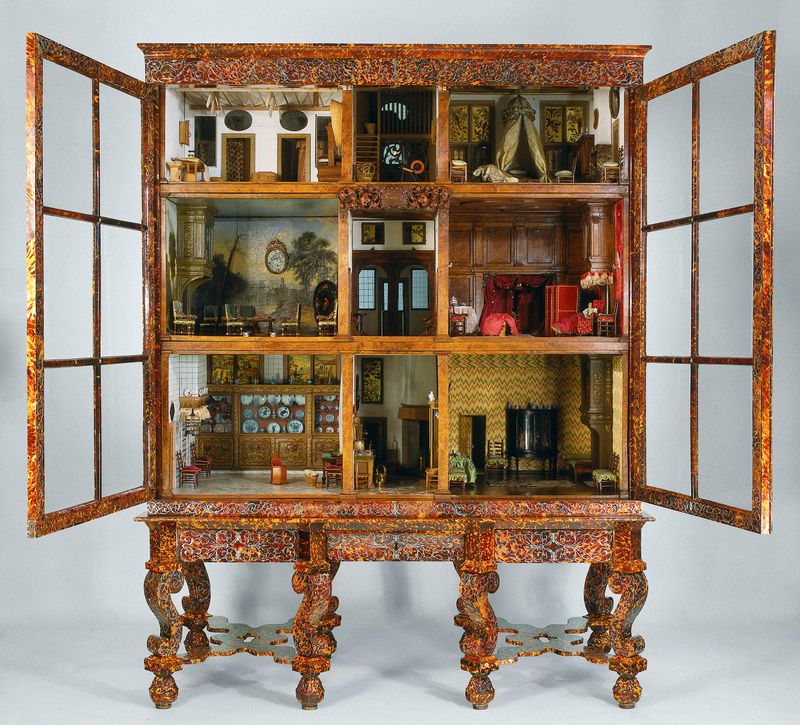
Dolls’ house of Petronella Oortman
Unknown Artist
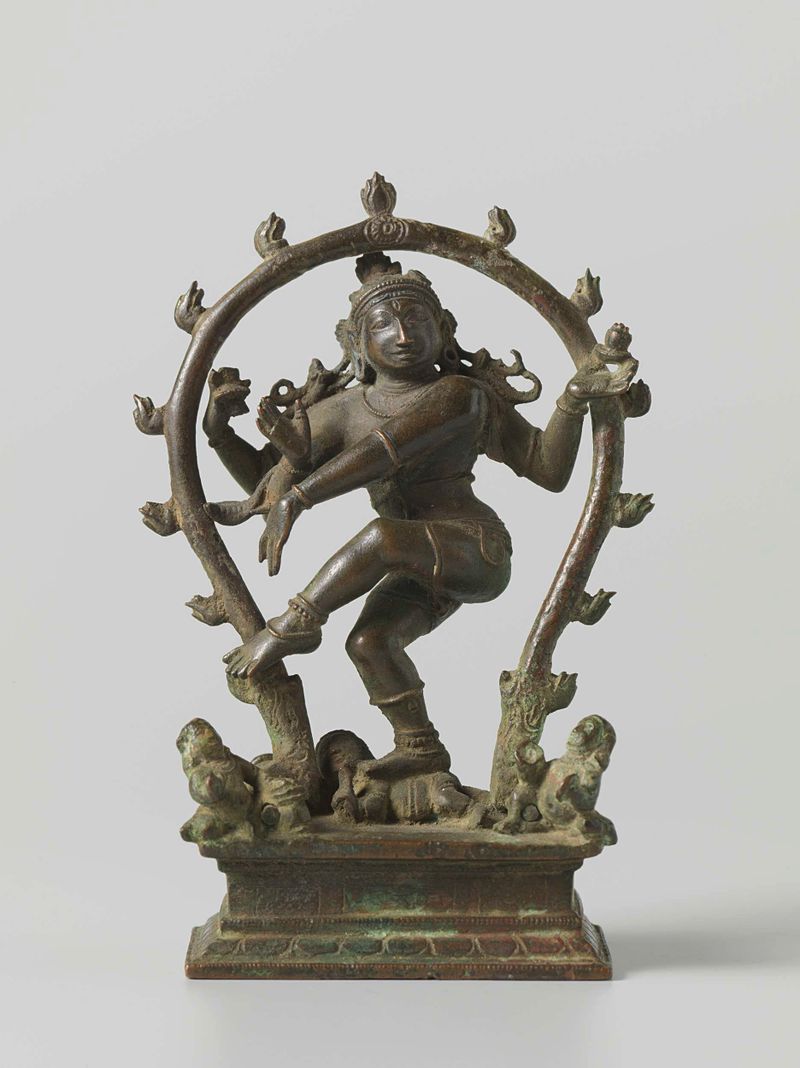
Shiva Nataraja
Unknown Artist

The Tale of Genji
Unknown Artist

The Tale of Genji
Unknown Artist
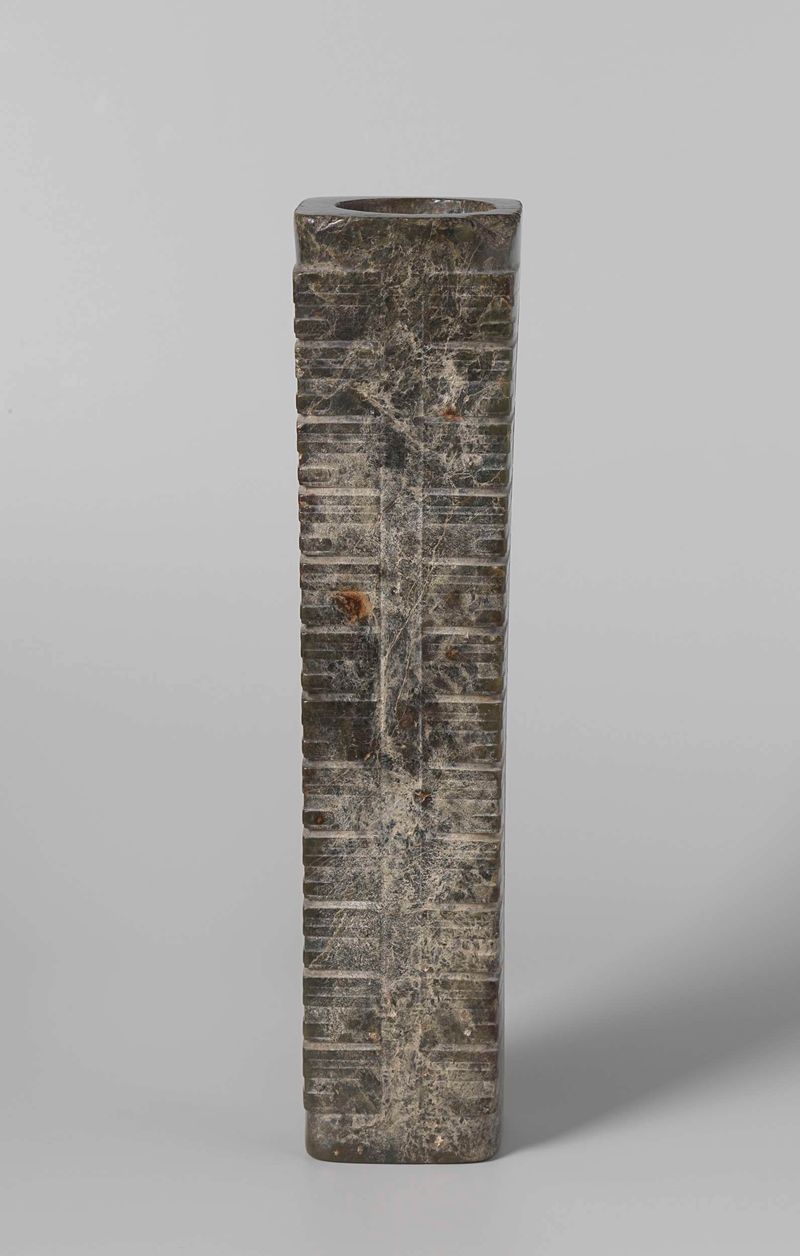
Cong
Unknown Artist
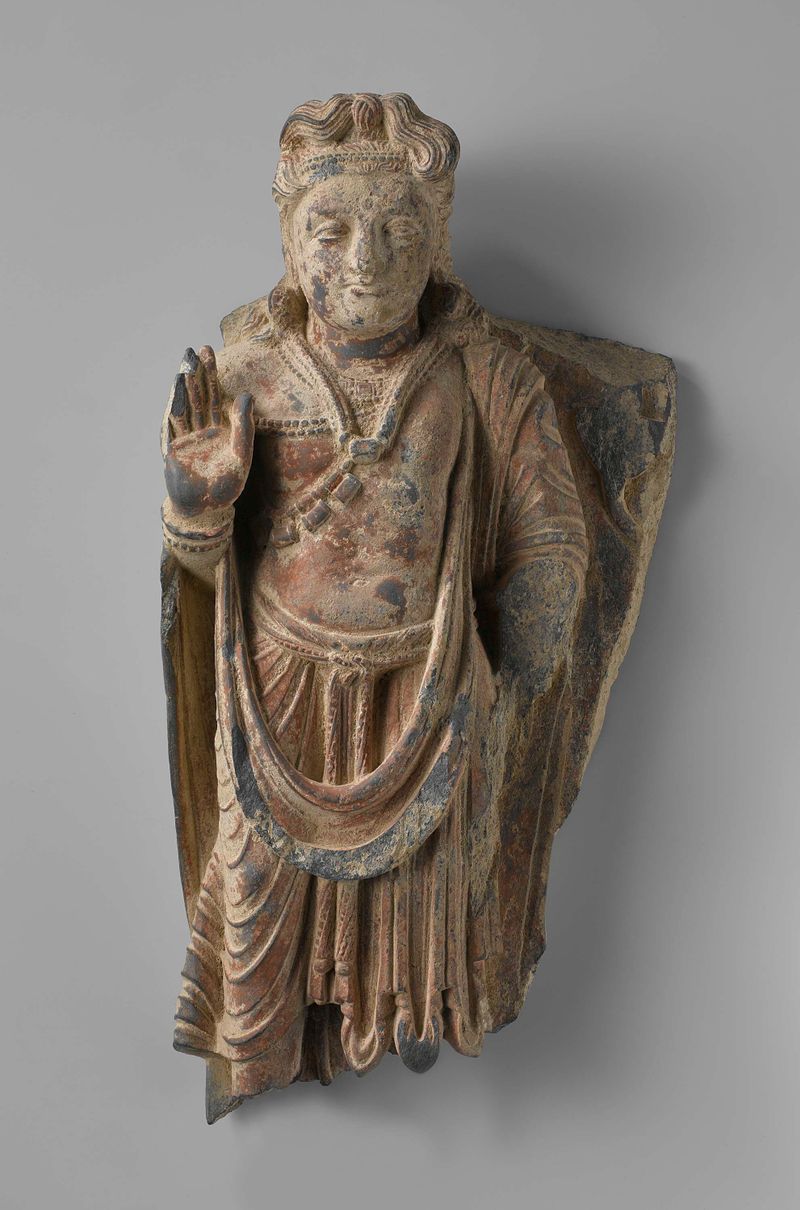
The bodhisattva Maitreya
Unknown Artist
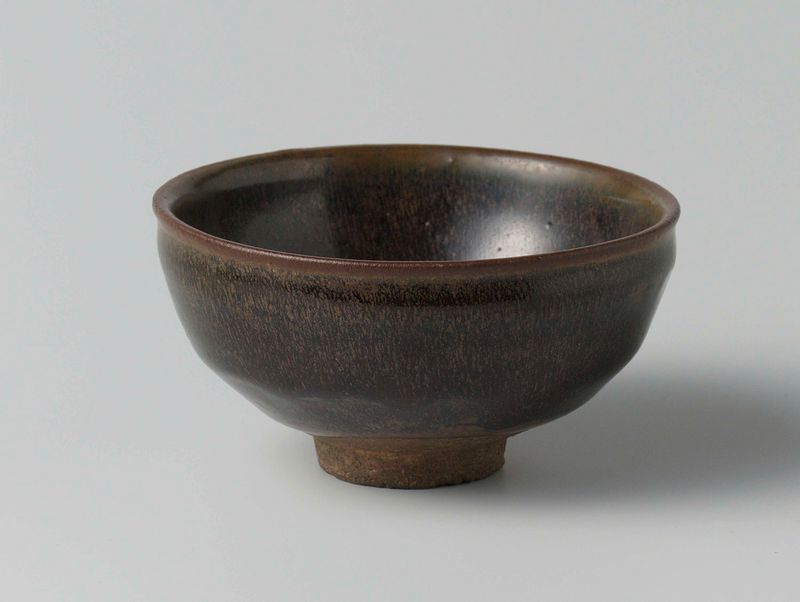
Teabowl with a 'hare's fur' glaze
Unknown Artist