Strook kloskant met vijfblad — History & Facts
Could a single brushstroke hold eternity? In the delicate intricacy of Strook kloskant met vijfblad, we find ourselves contemplating the power of simplicity, where emptiness and essence converge through an evocative interplay of form and texture. Look to the center of the composition, where the subtle white lace pattern emerges, meticulously crafted with fine, winding lines. Notice how the gentle curves and delicate flourishes create a rhythmic dance across the canvas, inviting the eye to trace each meticulous detail. The artist's choice of soft, muted tones evokes a sense of tranquility, while the contrasting dark background enhances the lace’s ethereal presence, making it almost float in the viewer’s perception.
This ingenious use of light and shadow breathes life into the simplicity of the lace, turning it into a palpable presence. Upon closer inspection, the interplay between presence and absence unfolds. The smooth, unblemished areas surrounding the lace evoke a sense of emptiness, which speaks to the tension between creation and desolation. The lace itself, an emblem of femininity and domesticity, juxtaposes the void around it, perhaps reflecting the forgotten narratives of women’s lives and their artistry.
This intricate relationship between the ornate and the bare opens a dialogue about value in craftsmanship and the often-overlooked beauty of quiet moments. Created around 1890, this work is attributed to an unknown artist, likely reflecting the shifting dynamics of the period as decorative arts gained prominence in Europe. The late 19th century was marked by an eclectic interest in craftsmanship, where traditional skills merged with new artistic movements. This piece encapsulates that moment, embodying the dialogue between the past and the burgeoning modernity that would soon take center stage in the art world.
More Artworks by Unknown Artist
Browse all →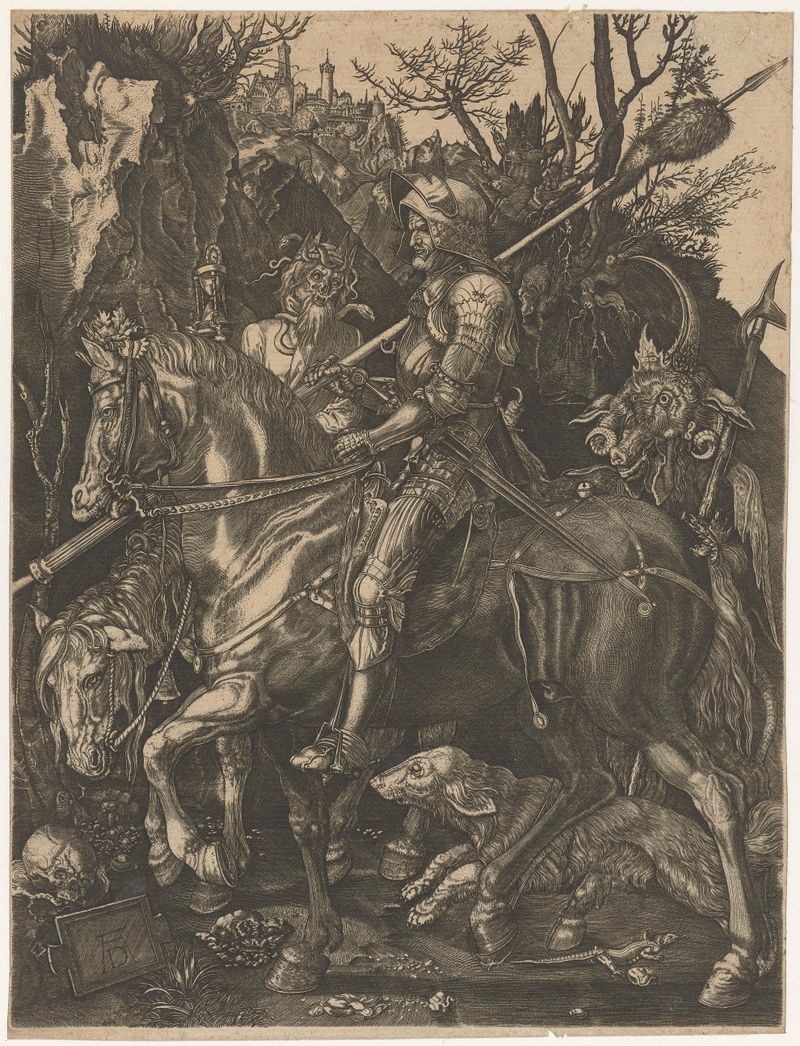
Ridder, Dood en Duivel
Unknown Artist
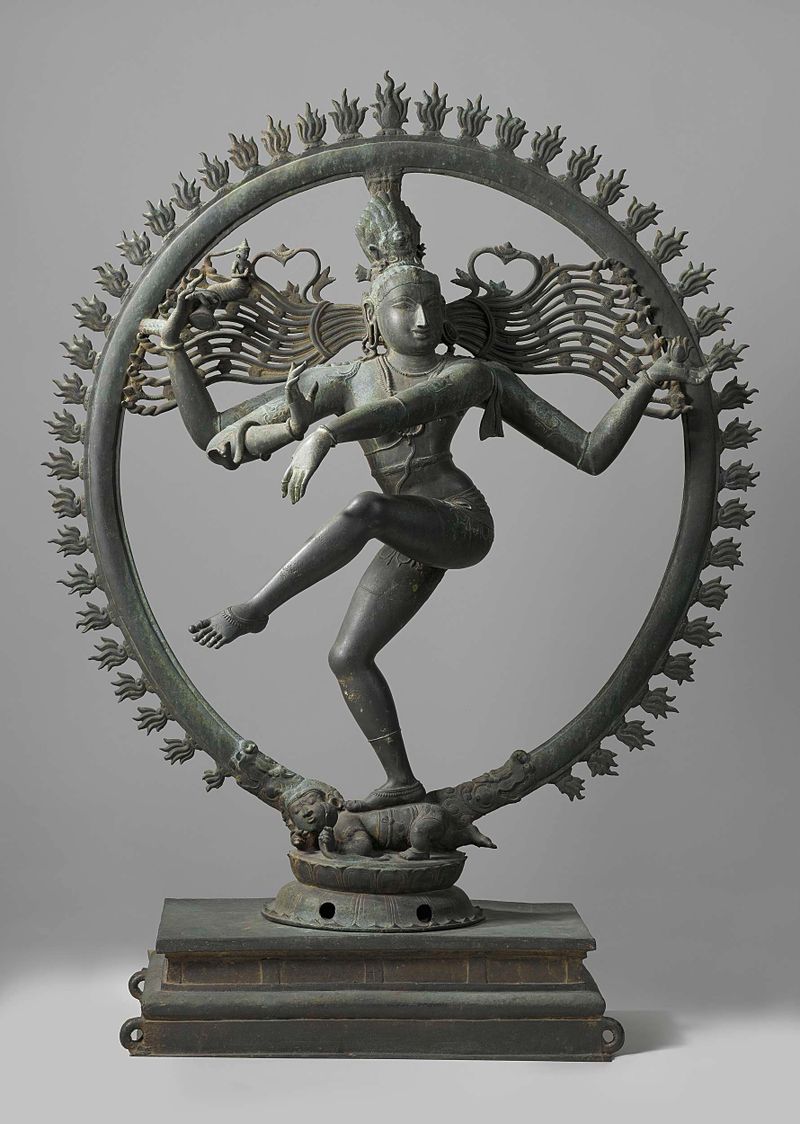
Shiva Nataraja
Unknown Artist
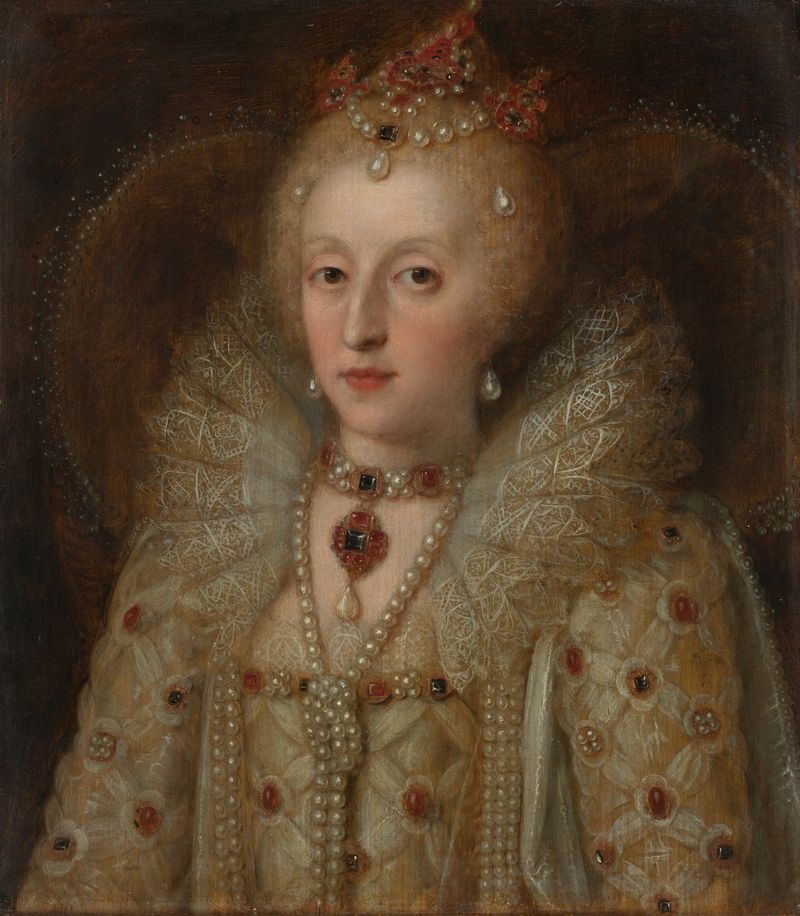
Portrait of Elizabeth I, Queen of England
Unknown Artist
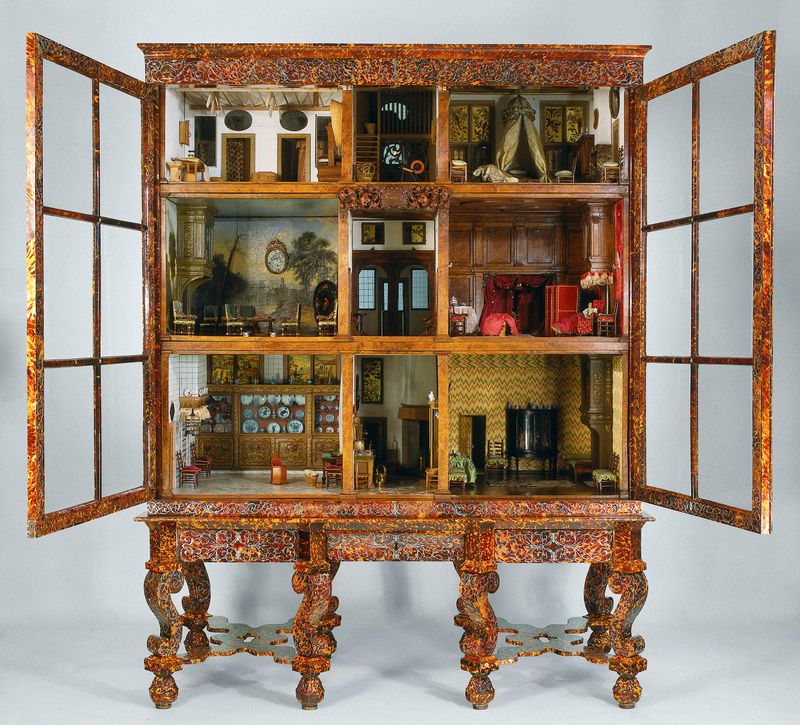
Dolls’ house of Petronella Oortman
Unknown Artist
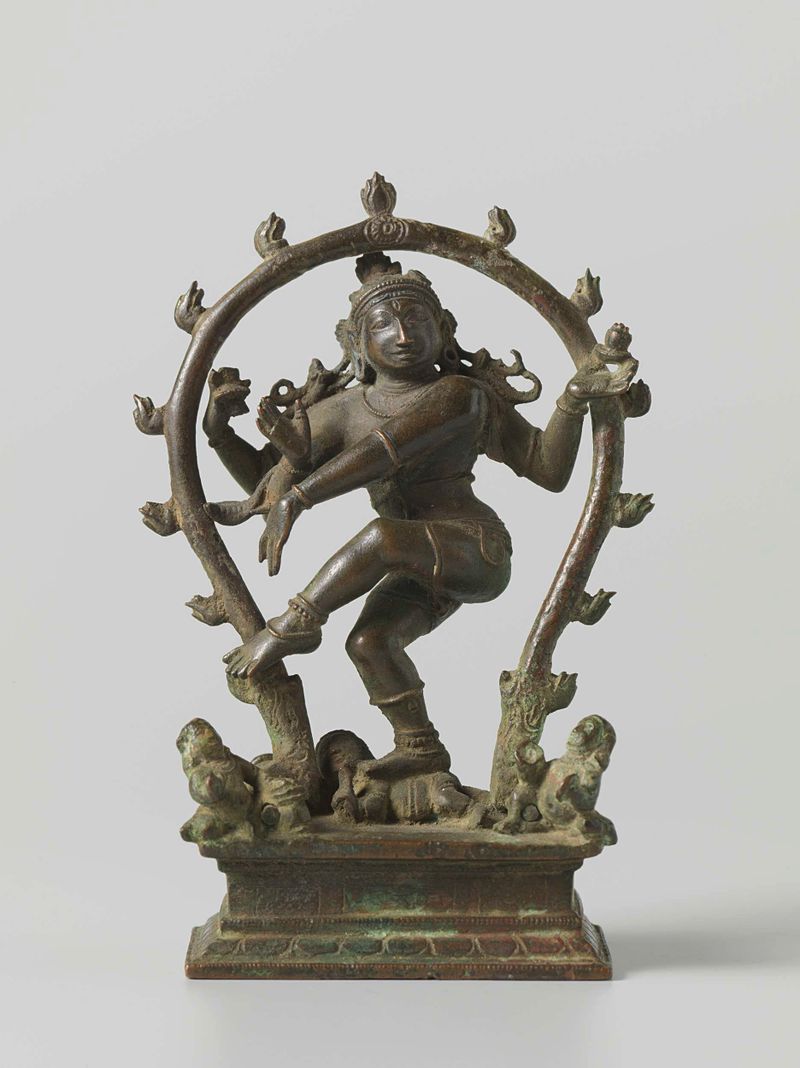
Shiva Nataraja
Unknown Artist

The Tale of Genji
Unknown Artist

The Tale of Genji
Unknown Artist
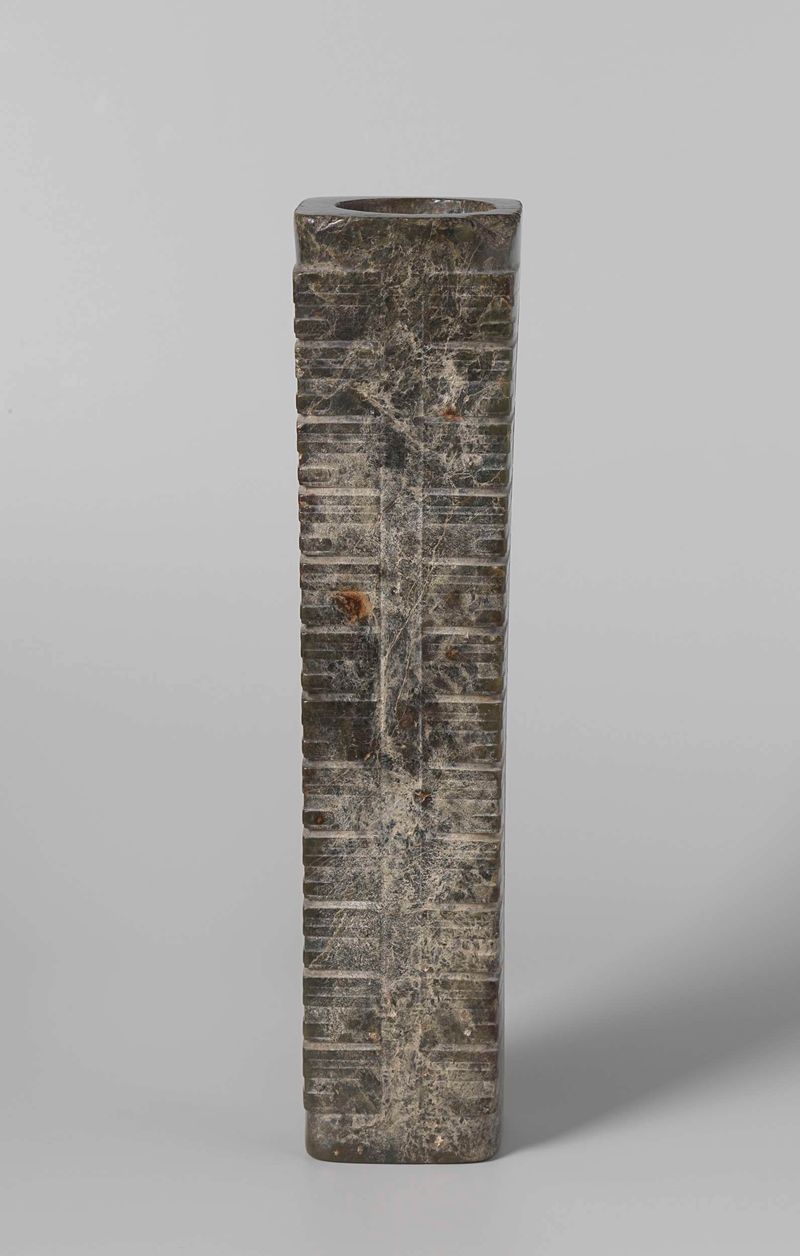
Cong
Unknown Artist
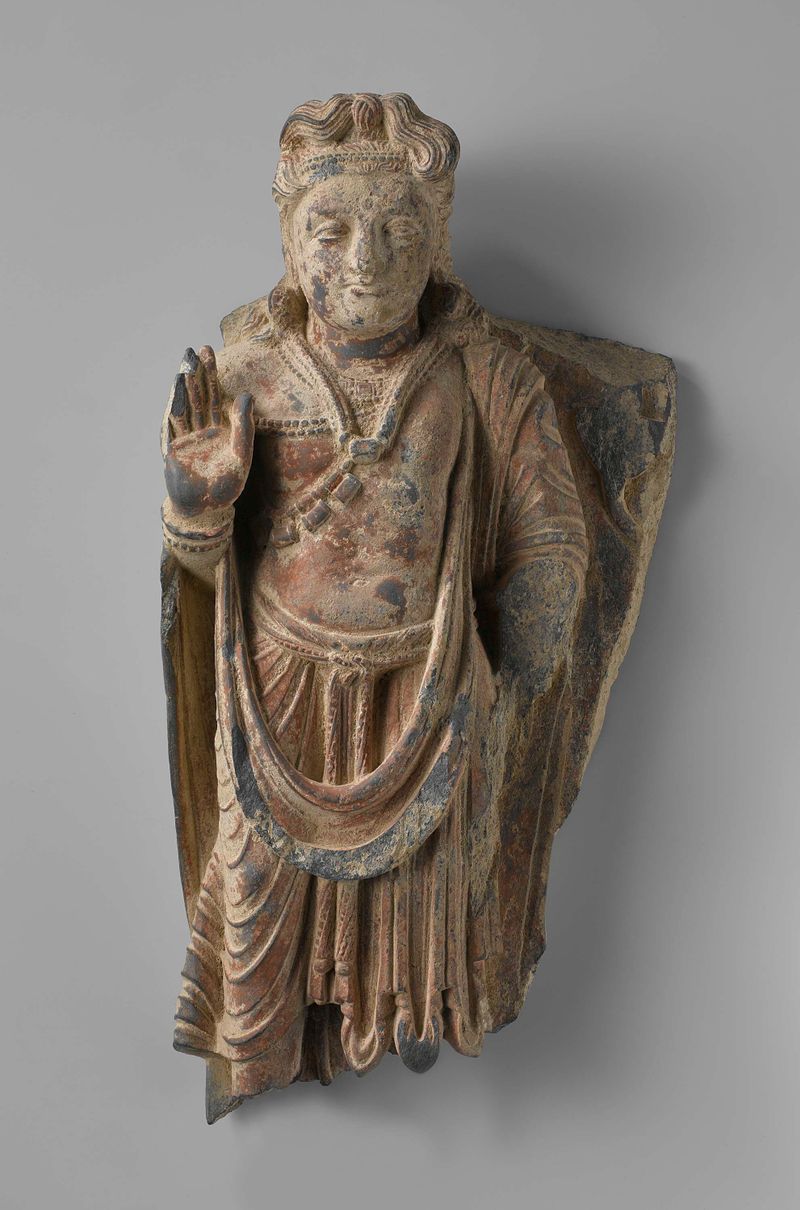
The bodhisattva Maitreya
Unknown Artist
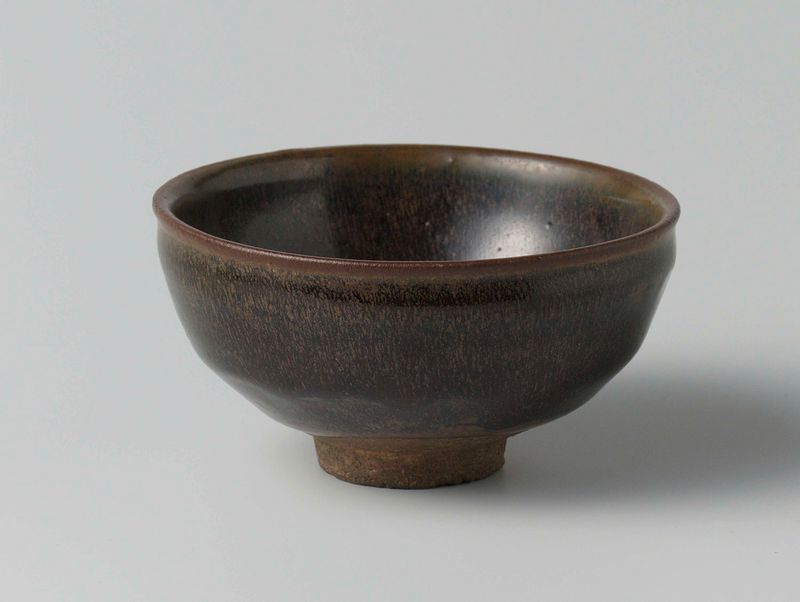
Teabowl with a 'hare's fur' glaze
Unknown Artist