Strook kloskant met vliegende insecten tussen bloemtakken — History & Facts
Can beauty exist without sorrow? This piece, attributed to an unknown artist, invites viewers to ponder this very question through its intricate detail and serene composition. Focus your gaze on the delicate lacework in the foreground, where every thread is lovingly rendered, and notice how the sunlight accentuates its fragile beauty. The flying insects, captured in joyful movement amidst the floral branches, draw your eye upward, creating a harmonious dialogue between nature and craftsmanship. The palette is soft yet vivid, with muted greens and gentle pastels conveying both the liveliness of spring and an underlying sense of transience. Yet beneath this vibrant surface lies a tension that whispers of emptiness.
The insects, seemingly suspended in time, may symbolize the fleeting nature of life, flitting from bloom to bloom yet never remaining. The lace itself, though meticulously crafted, hints at fragility—its beauty could easily unravel, reminding us that even the most exquisite things are often ephemeral. This duality evokes a bittersweet sense of longing, suggesting that beauty and sorrow are inextricably linked. Created between 1740 and 1760, this artwork emerges from a time when intricate lacework was not only a mark of skill but also a reflection of societal status in Europe.
The artist worked amidst a flourishing culture of decorative arts, where the beauty of everyday objects was celebrated, yet the anonymity of the creator speaks to the transitory nature of fame and recognition in art. This piece serves as a testament to the intersection of beauty and impermanence, a theme that resonates across time.
More Artworks by Unknown Artist
Browse all →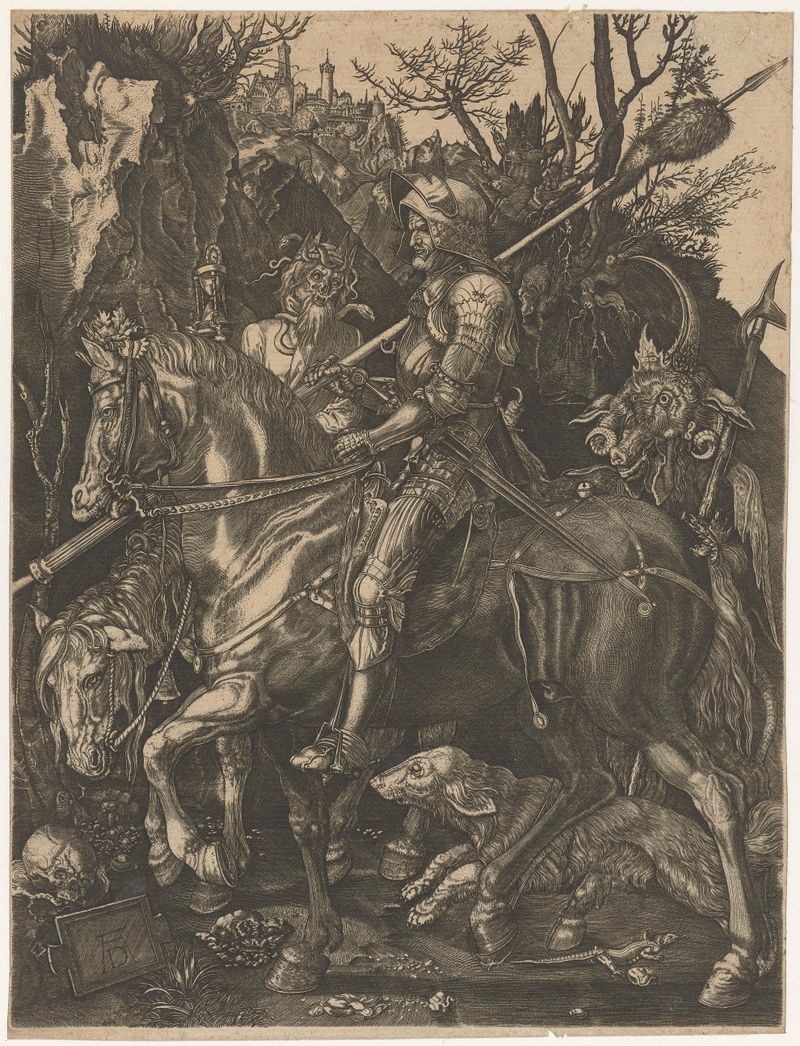
Ridder, Dood en Duivel
Unknown Artist
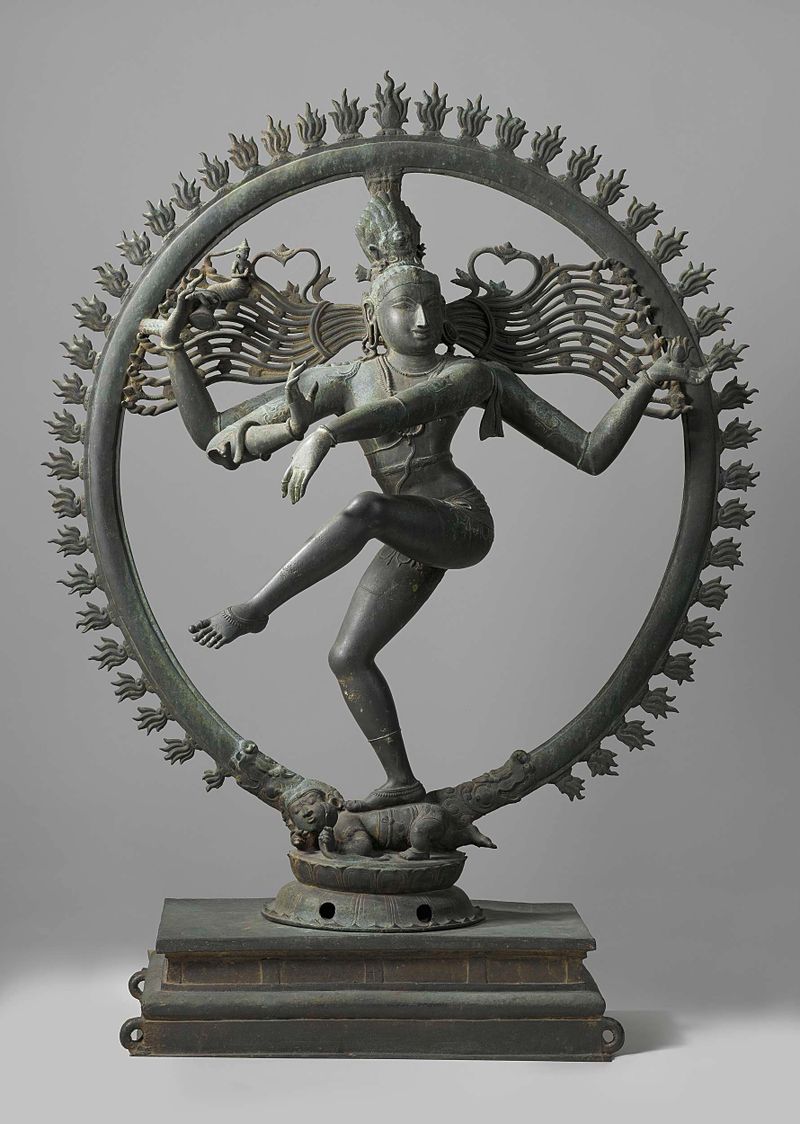
Shiva Nataraja
Unknown Artist
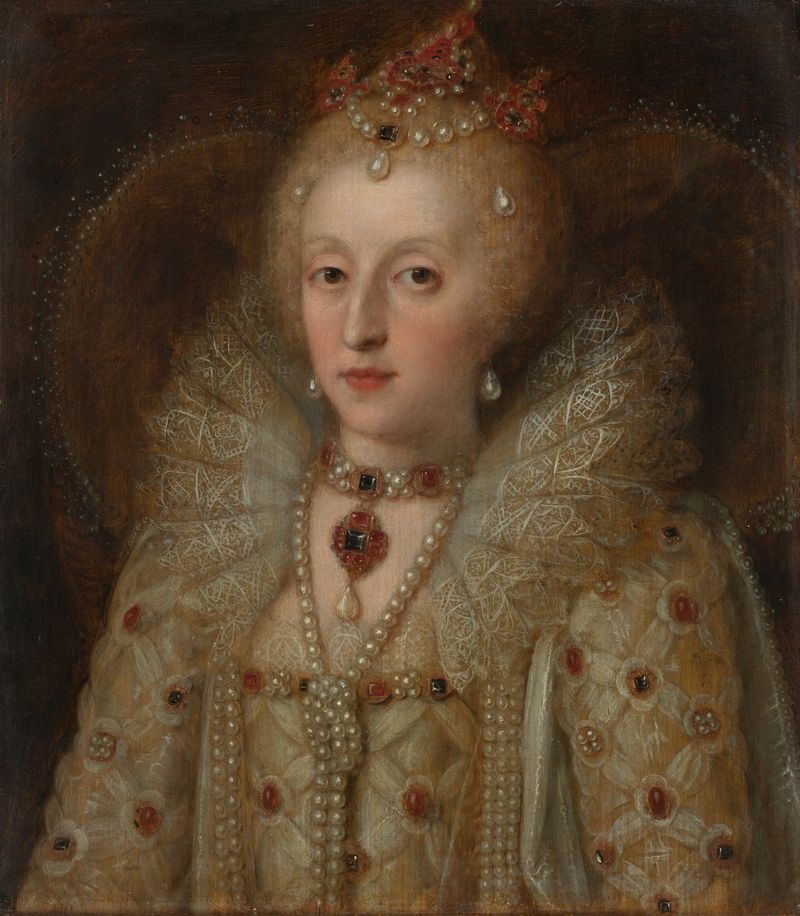
Portrait of Elizabeth I, Queen of England
Unknown Artist
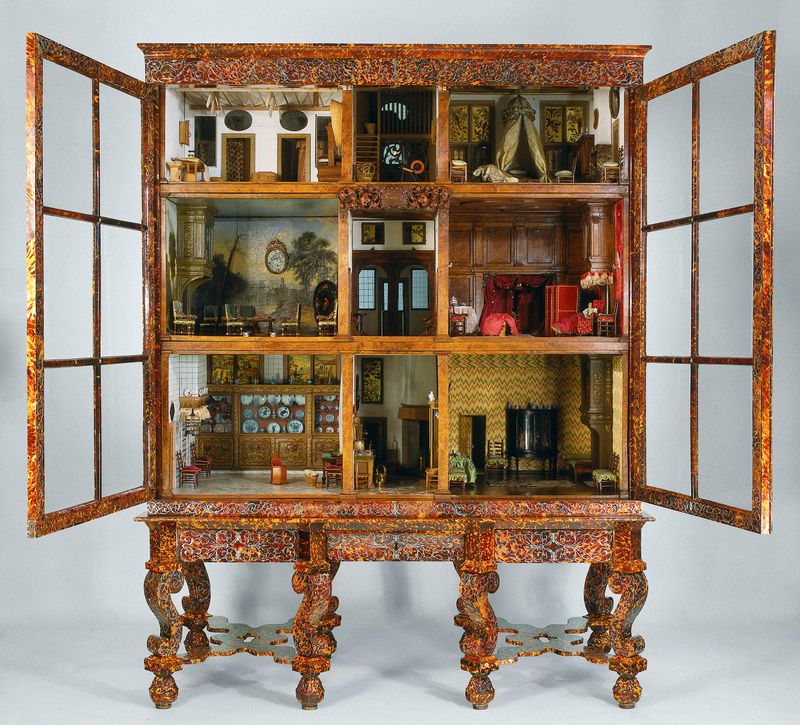
Dolls’ house of Petronella Oortman
Unknown Artist
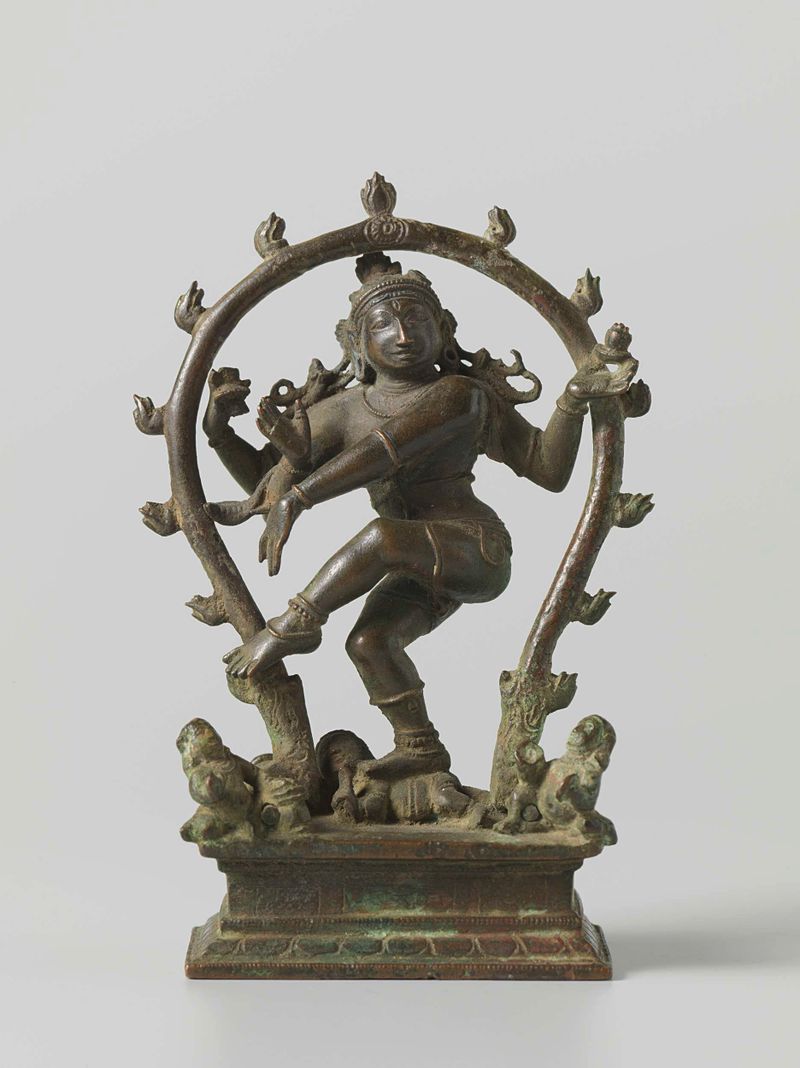
Shiva Nataraja
Unknown Artist

The Tale of Genji
Unknown Artist

The Tale of Genji
Unknown Artist

Cong
Unknown Artist
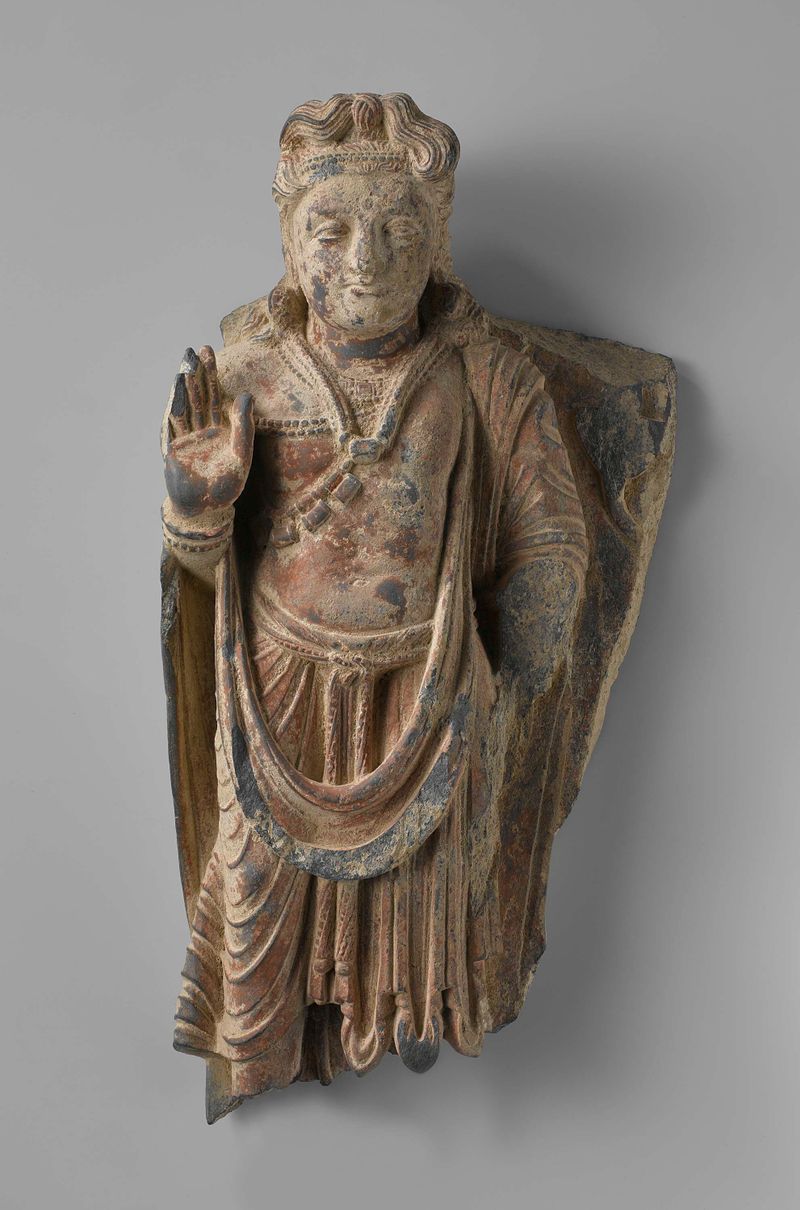
The bodhisattva Maitreya
Unknown Artist

Teabowl with a 'hare's fur' glaze
Unknown Artist