Strook kloskant met waaiervormige schulpjes — History & Facts
In a world where transformation and artistry intersect, the delicate intricacies of lacework reveal the intimate relationship between creation and emotion. The soft embrace of fabric invites us to explore the layers of history woven into the very threads. Look closely at the delicate patterns in Strook kloskant met waaiervormige schulpjes. Your gaze is immediately drawn to the fine, swirling forms that mimic the elegance of nature, capturing both the fluidity of movement and the meticulous craftsmanship of the unknown artist.
The interplay of light and shadow reveals a palette that speaks to both warmth and fragility, where ivory and soft whites convey a sense of purity and nostalgia. Beneath the surface lies a profound commentary on the passage of time and the transience of beauty. The intricate designs tell stories of hands that have shaped them, suggesting a dialogue between creator and creation. Each curl and fold embodies transformation—echoing the cycle of life and the delicate balance between permanence and impermanence that characterizes artistry itself. Created around the mid-17th century, this piece emerged during a time of significant artistic evolution in Europe.
The rise of lace-making as a highly regarded craft coincided with the Baroque period, when ornamentation flourished in art and fashion. While the artist remains unknown, their work reflects the cultural appreciation for intricate detail and luxurious materials that defined this era, hinting at the rich tapestry of human experience that art seeks to capture.
More Artworks by Unknown Artist
Browse all →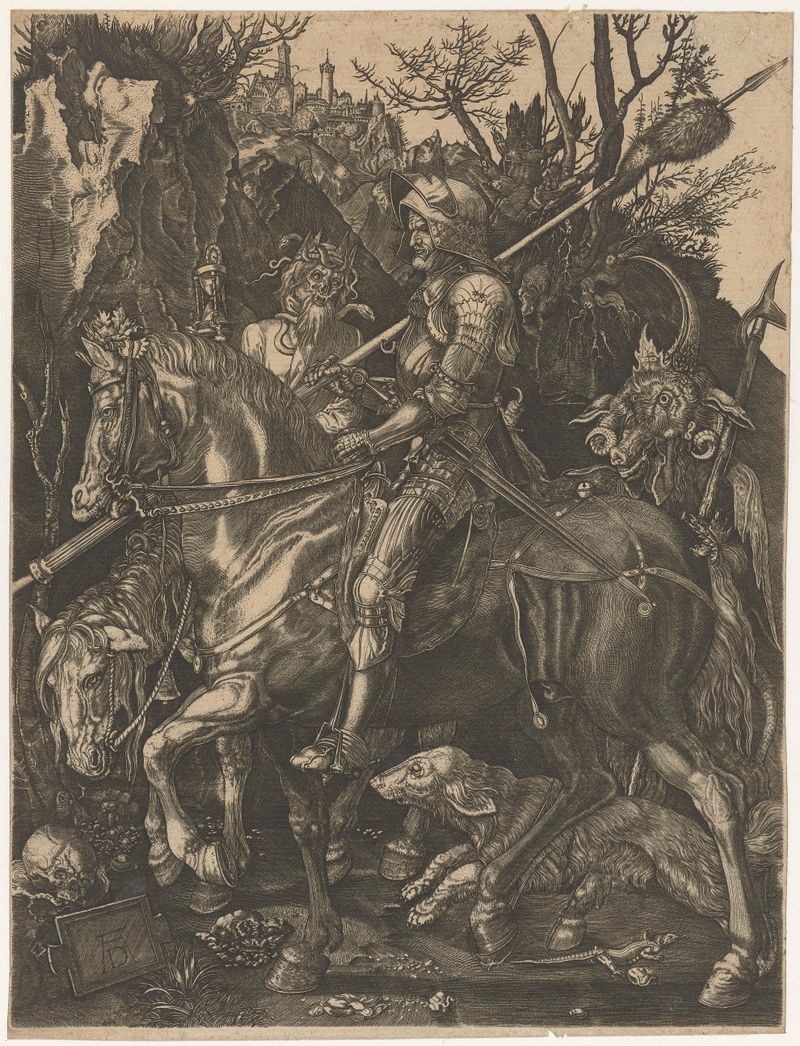
Ridder, Dood en Duivel
Unknown Artist
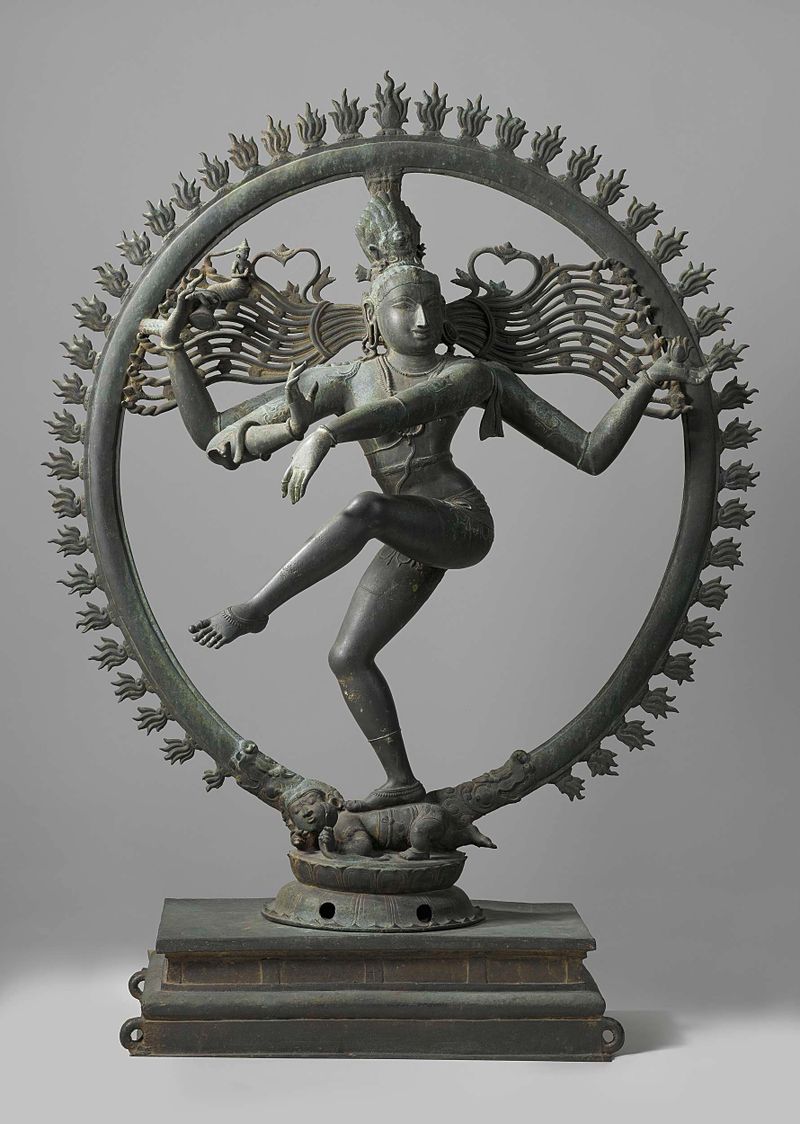
Shiva Nataraja
Unknown Artist
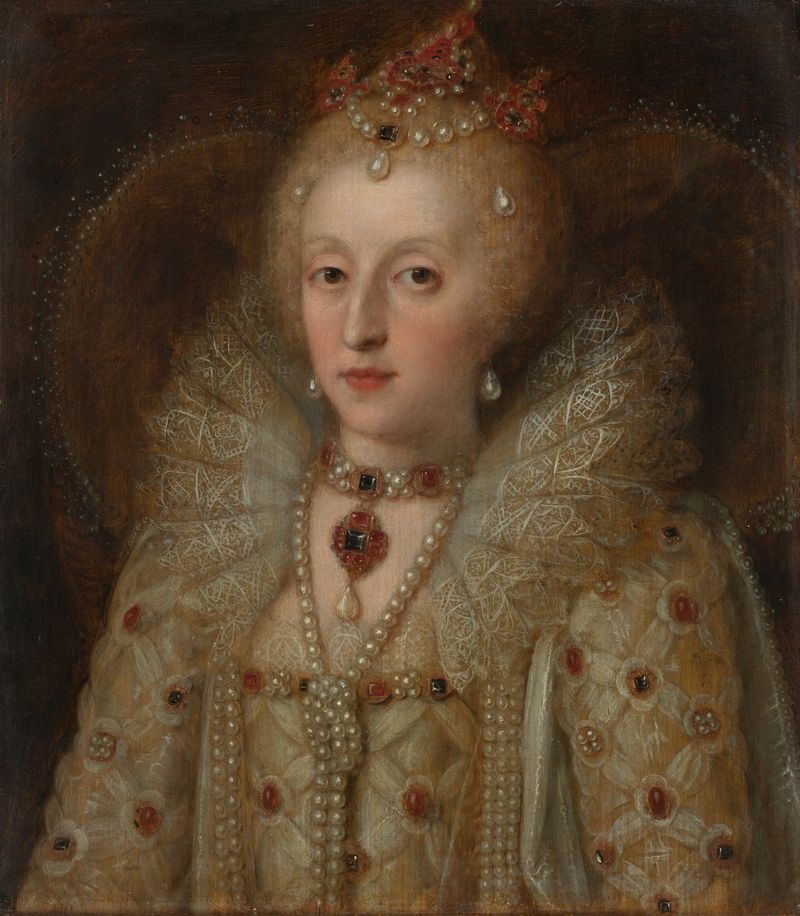
Portrait of Elizabeth I, Queen of England
Unknown Artist
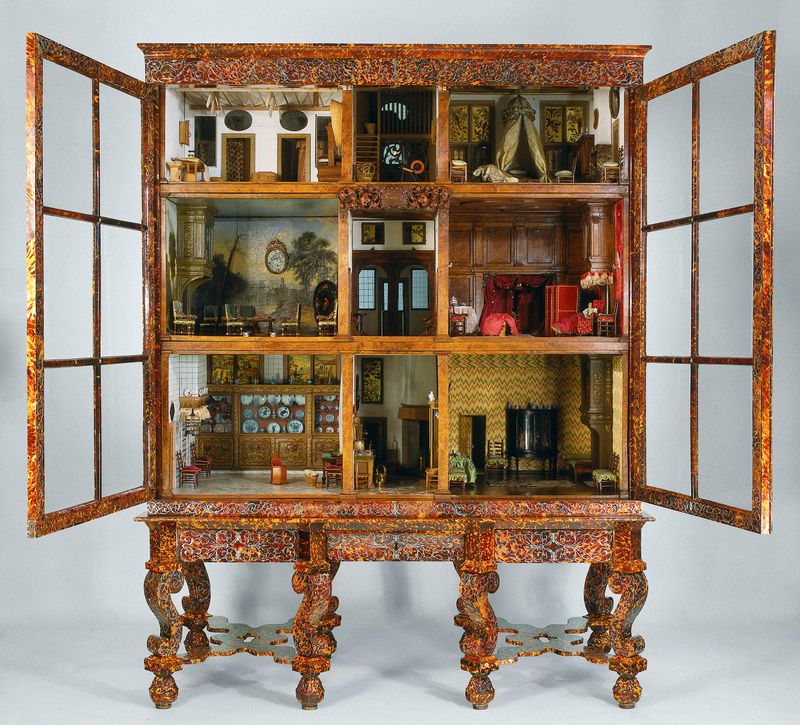
Dolls’ house of Petronella Oortman
Unknown Artist
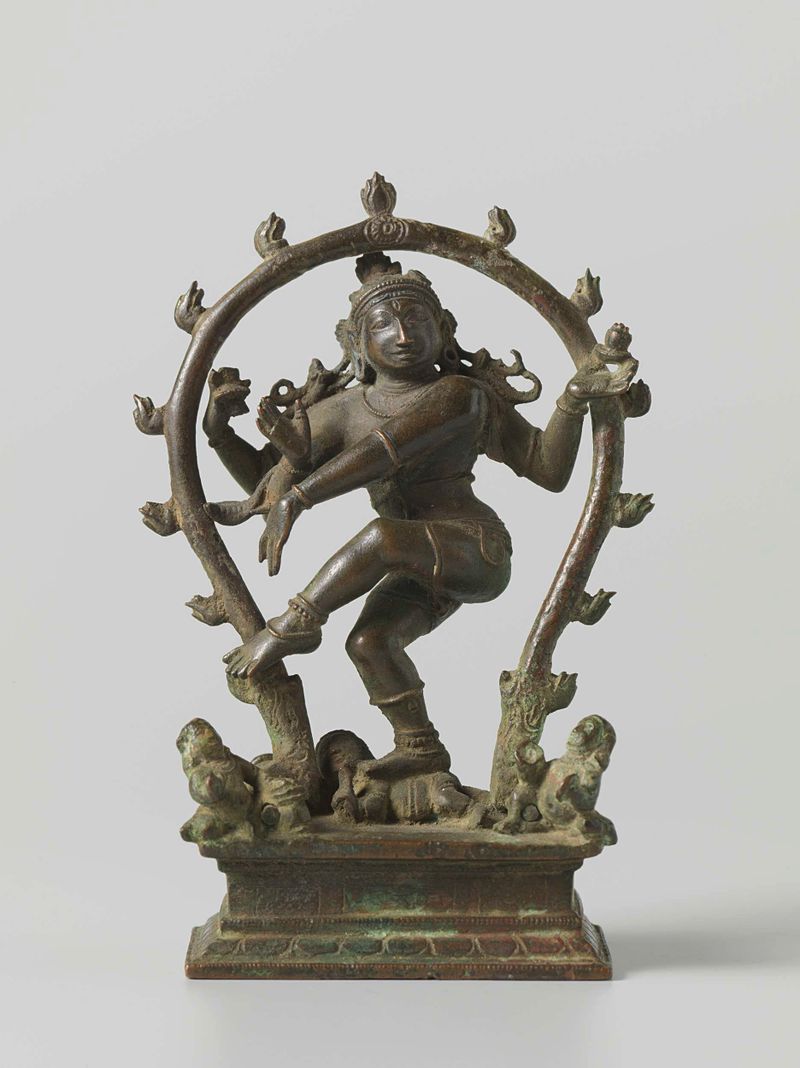
Shiva Nataraja
Unknown Artist

The Tale of Genji
Unknown Artist

The Tale of Genji
Unknown Artist

Cong
Unknown Artist
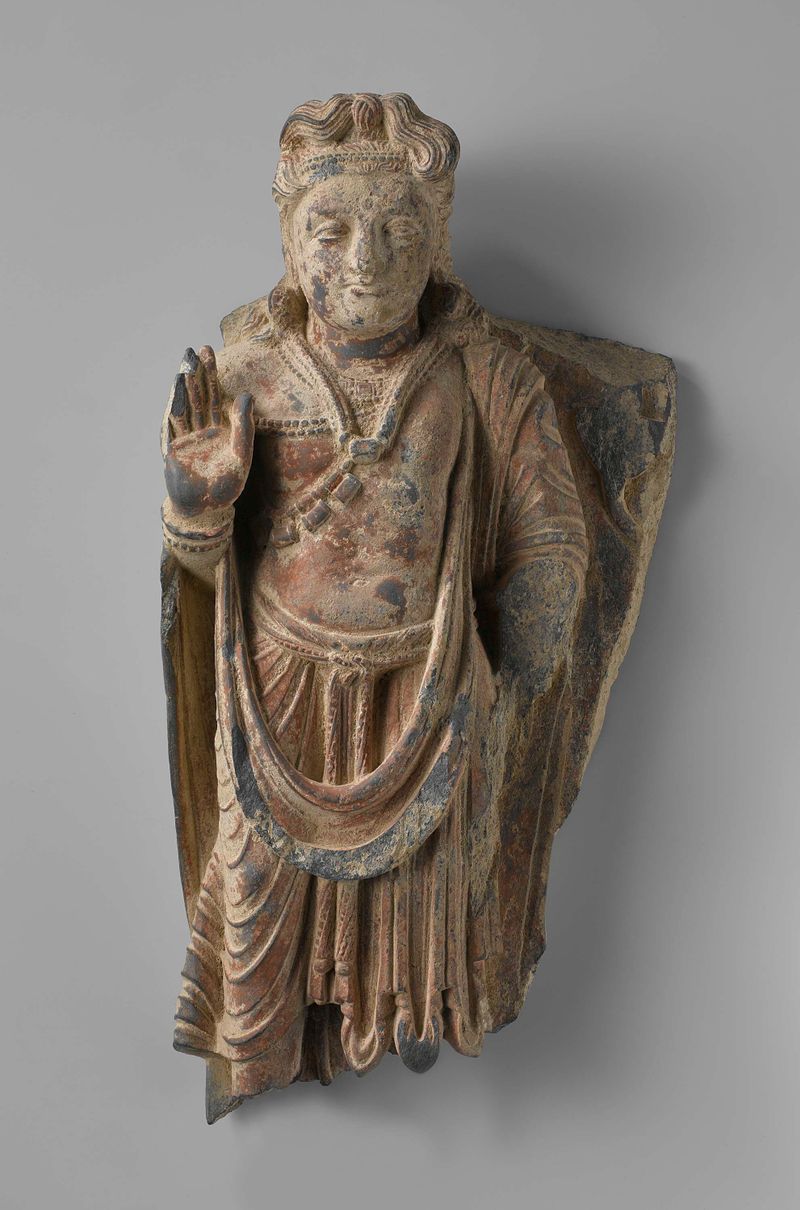
The bodhisattva Maitreya
Unknown Artist

Teabowl with a 'hare's fur' glaze
Unknown Artist