Strook kloskant met wingerdblad aan gebogen stengel — History & Facts
When did color learn to lie? In the delicate embrace of nature, fragility intertwines with beauty, whispering secrets of life and decay. Focus first on the intricate details of the vine leaves, their veins meticulously rendered and seemingly alive. Notice how the artist uses soft greens and gentle browns to create a harmonious tapestry against the pale backdrop. The curled edges and subtle shadows invite the viewer to touch the surface, revealing the depth of the textures that mimic the very essence of growth and decline. Yet, beneath this surface, a tension simmers.
The vibrant hues evoke a sense of vitality, while the graceful bending of the stem suggests a precarious balance between life and exhaustion. Each leaf, though full of color, hints at a moment of fading; it is both a celebration of beauty and a reminder of its transience. Here lies an exploration of the duality of existence — the fragility of life captured in a moment that is both vibrant and melancholic. Created around 1900, this piece emerges from a time when artists sought to intertwine the natural world with abstraction.
While the creator remains unknown, the work likely reflects the late 19th-century fascination with botanical studies and the rise of Impressionism, where light and color became essential in depicting the ephemeral nature of life. This context enriches our understanding of the fragility and beauty encapsulated within the artwork.
More Artworks by Unknown Artist
Browse all →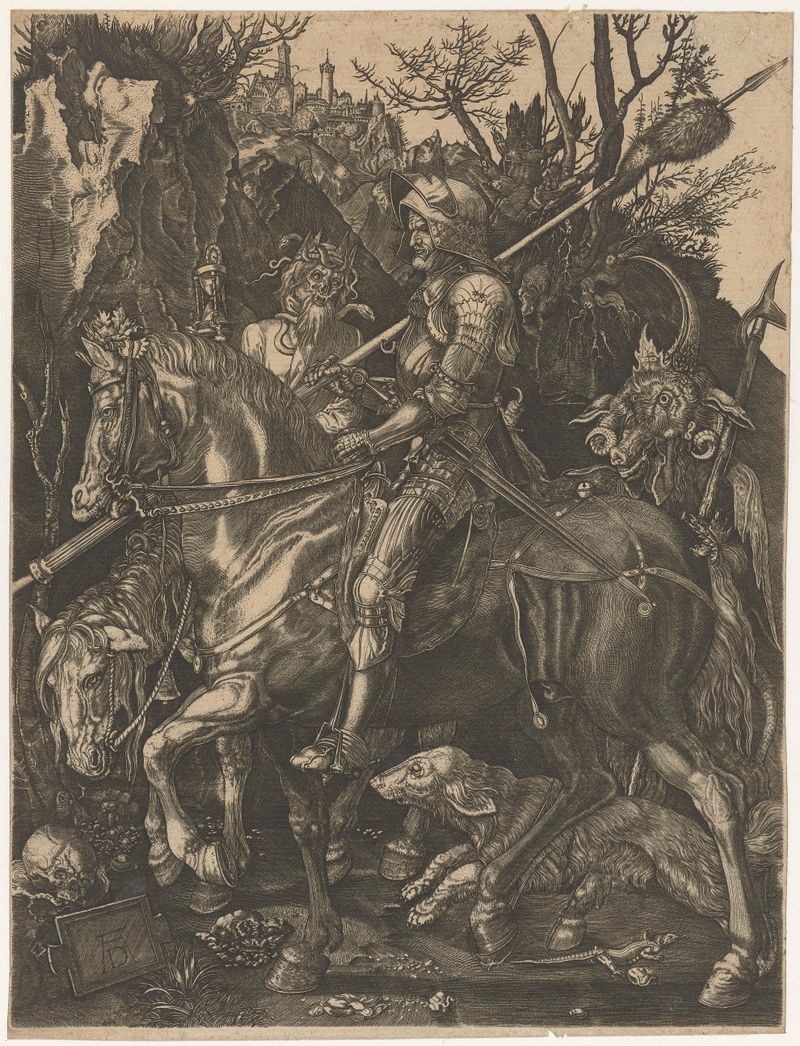
Ridder, Dood en Duivel
Unknown Artist
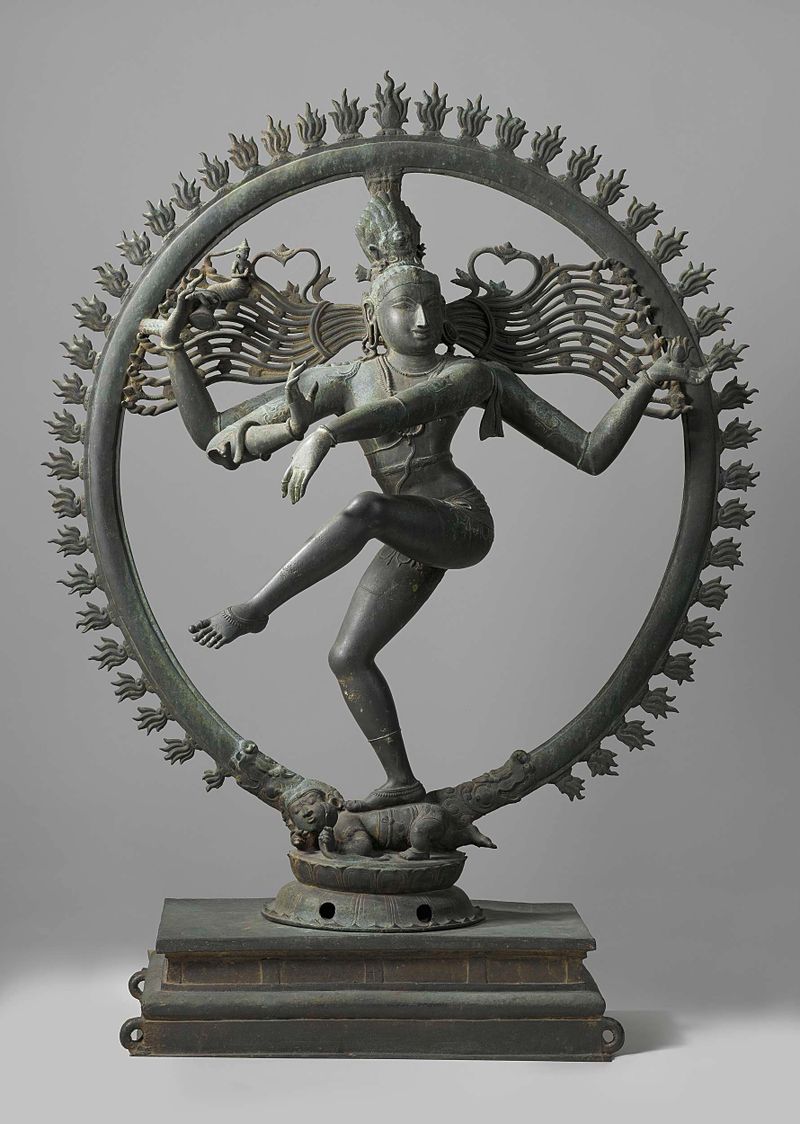
Shiva Nataraja
Unknown Artist
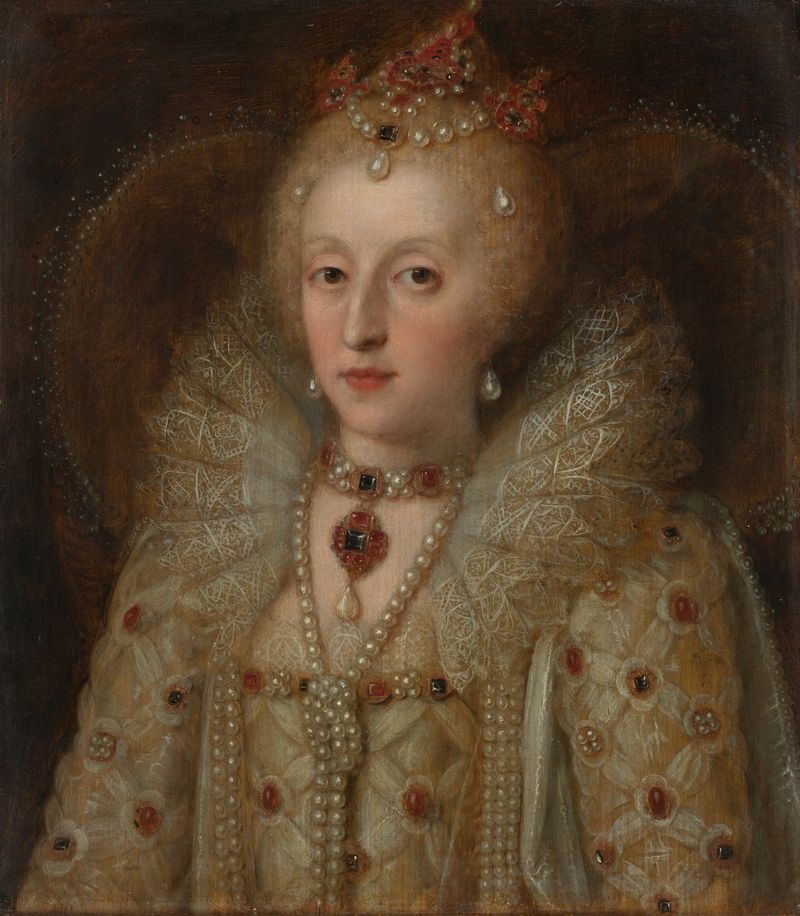
Portrait of Elizabeth I, Queen of England
Unknown Artist

Dolls’ house of Petronella Oortman
Unknown Artist
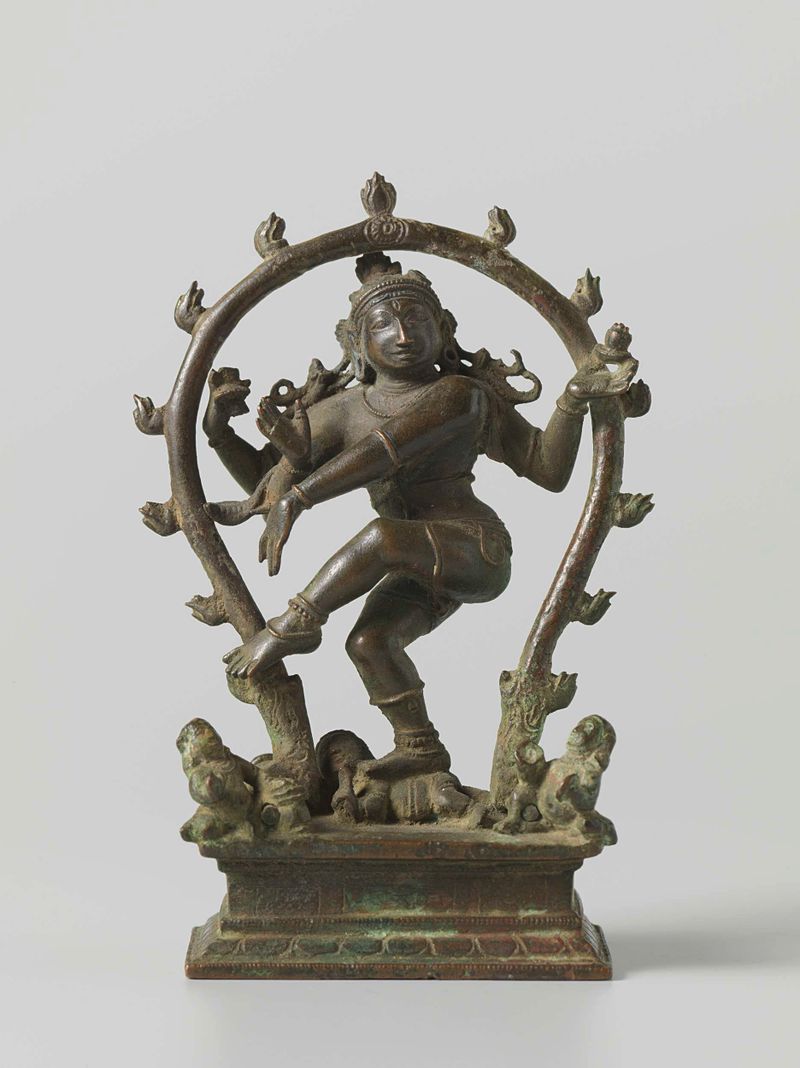
Shiva Nataraja
Unknown Artist

The Tale of Genji
Unknown Artist

The Tale of Genji
Unknown Artist
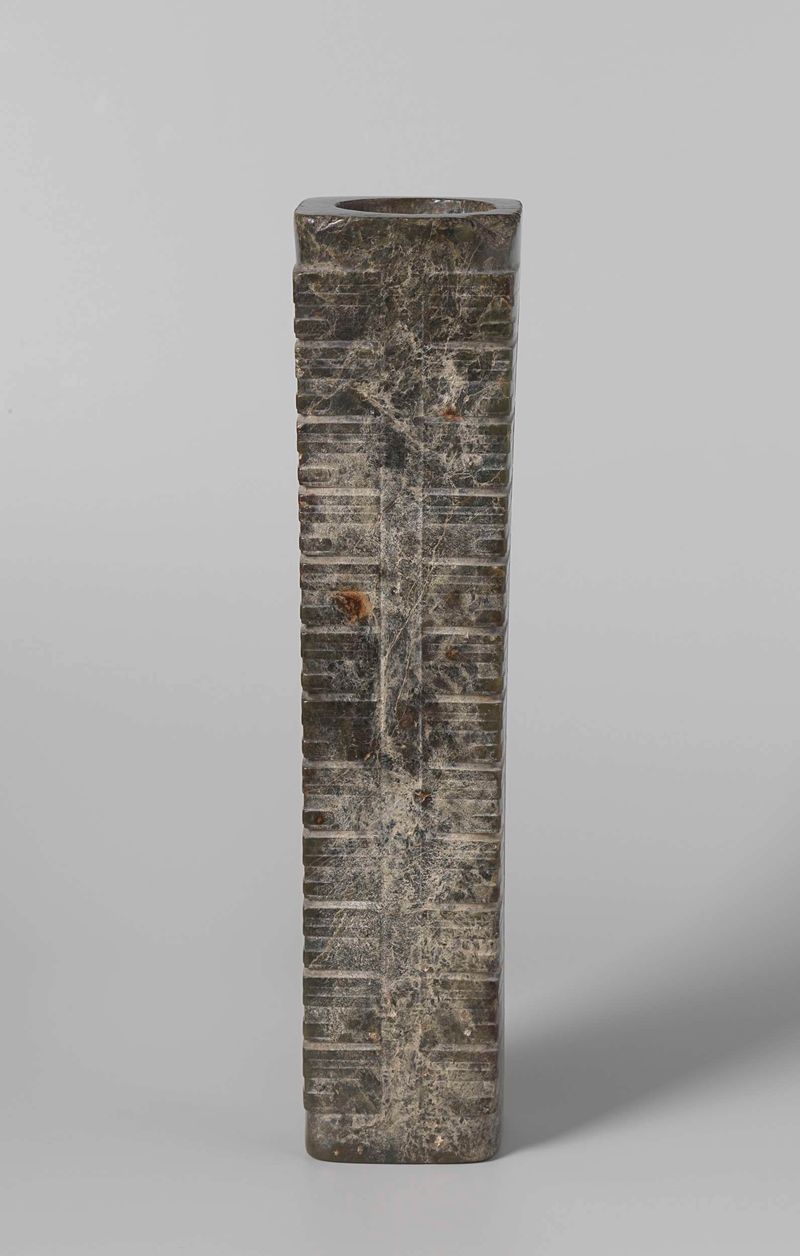
Cong
Unknown Artist
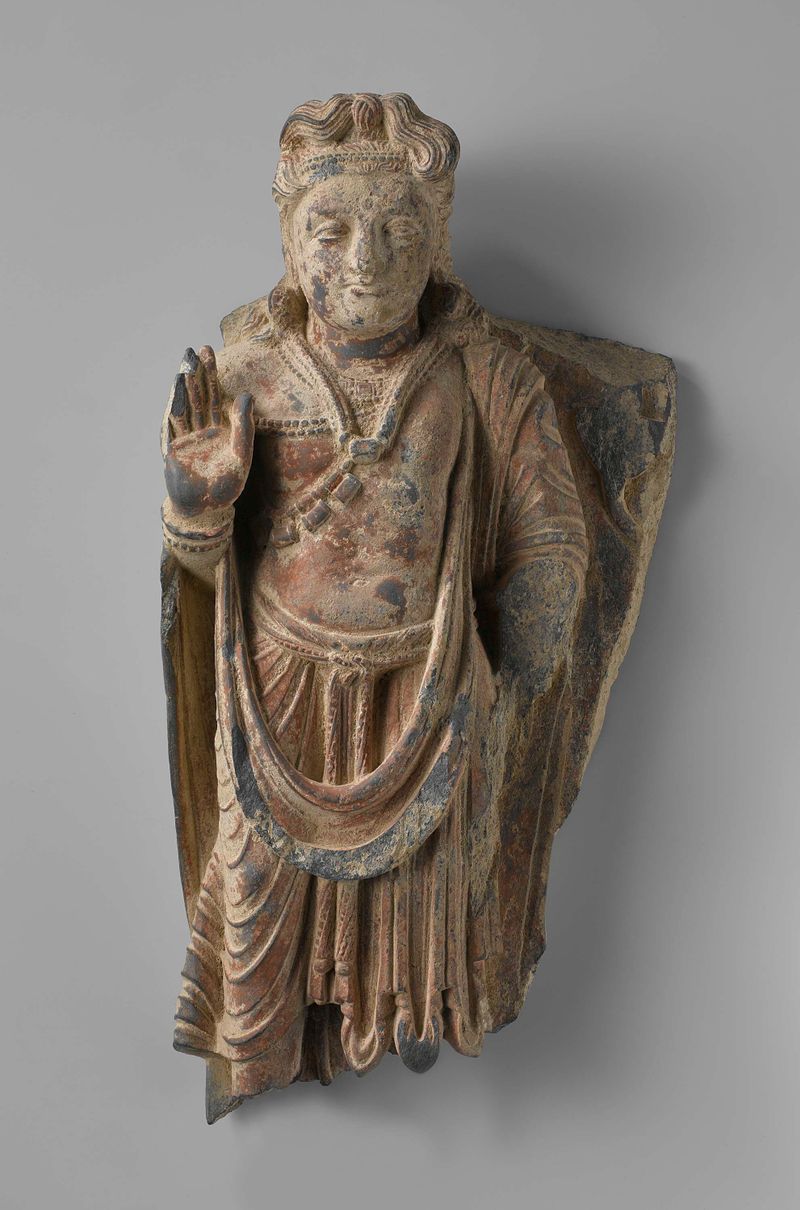
The bodhisattva Maitreya
Unknown Artist
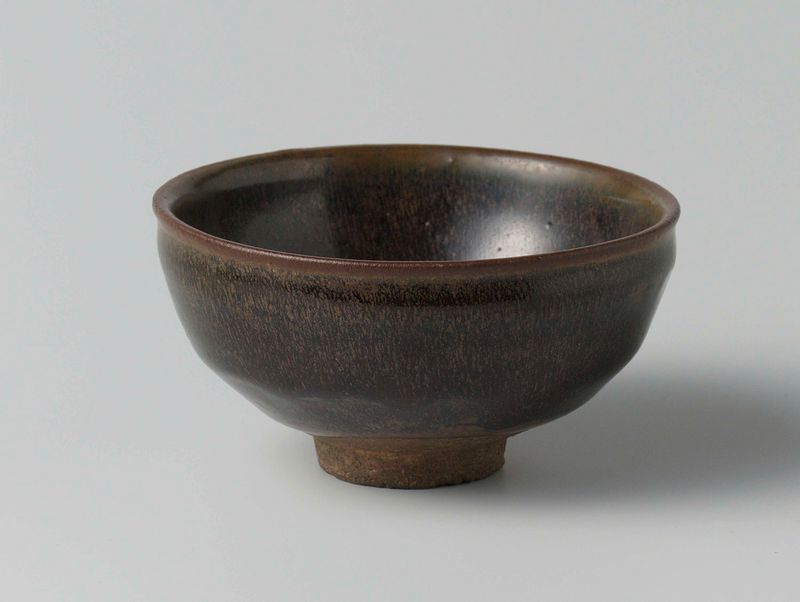
Teabowl with a 'hare's fur' glaze
Unknown Artist