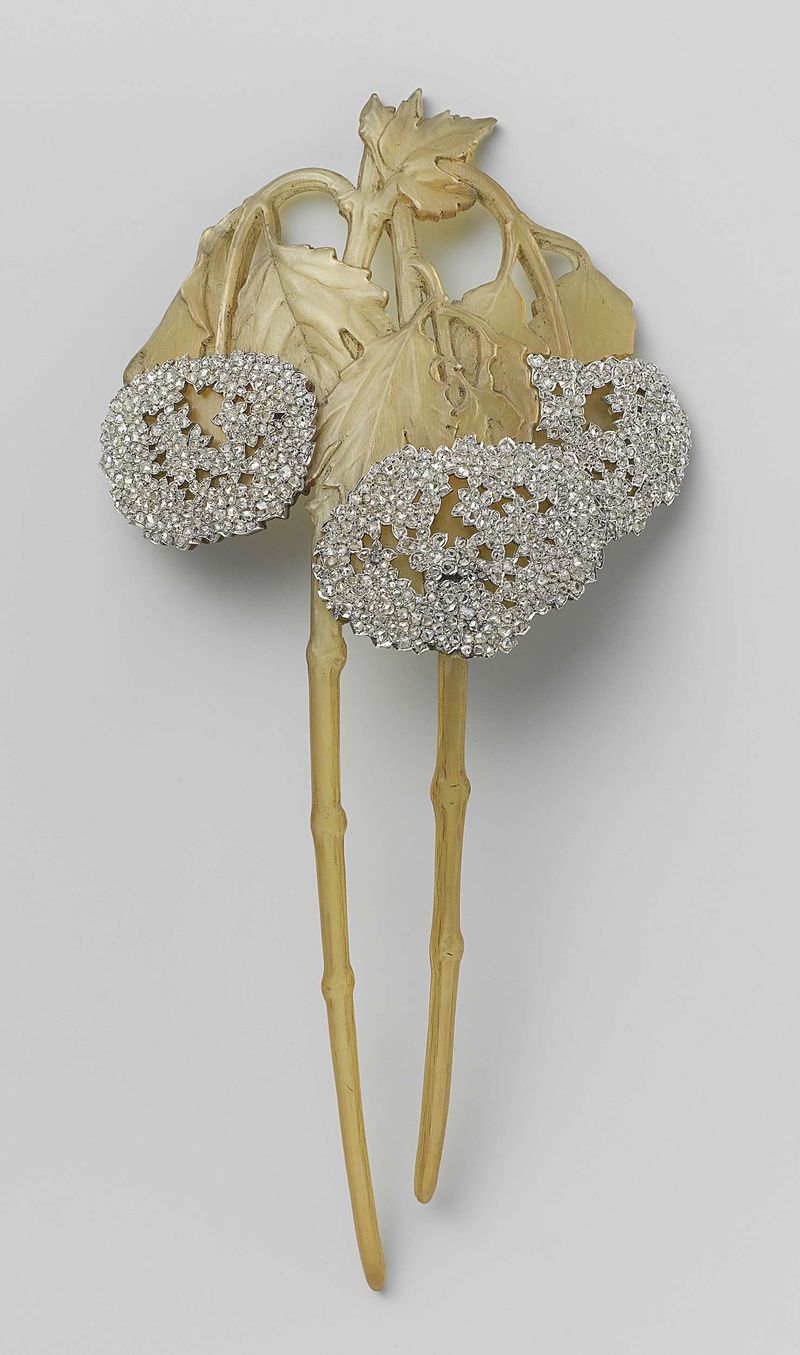
Strook tweezijdig geschulpte zwarte kant met motief van bladeren, c-vormige voluten en wielen, op zachtboard — History & Facts
What if beauty was never meant to be finished? In the realm of art, permanence remains an elusive concept, forever intertwined with the passage of time, a theme masterfully embodied in Strook tweezijdig geschulpte zwarte kant met motief van bladeren, c-vormige voluten en wielen, op zachtboard. Focus first on the intricate loops and curves that dance across the surface, drawing your gaze toward the delicate interplay of light and shadow. The black lace-like structure, meticulously crafted, invites admiration for its meticulous craftsmanship. The subtle sheen against the matte background highlights the care taken in its creation, transforming the softboard into a canvas that breathes life into its organic motifs.
Notice how each scroll and leaf seems to whisper stories of nature, celebrating both fragility and resilience. Upon closer inspection, the juxtaposition of the lace's ethereal quality with its dark tone evokes a profound emotional tension. It embodies the fleeting nature of beauty, suggesting that while perfection is unattainable, there is grace in the impermanent. The artist’s choice of motifs speaks to cycles of life and decay, each curve a reminder of the inevitable passage of time and the beauty found within it.
This work challenges viewers to reflect on their own relationship with beauty, encouraging a deeper appreciation for the transitory moments that shape existence. Created around 1925, the work reflects Gustav Schnitzler's engagement with the contemporary art movements of his time, where abstraction and the appreciation of craftsmanship began to intertwine. As Europe navigated the aftermath of World War I, artists sought new forms of expression that bridged past traditions with modern sensibilities. Schnitzler’s intricate designs echo the era’s experiments with materiality and form, marking a significant moment in the evolution of decorative arts in the 20th century.
More Artworks by Gustav Schnitzler
Browse all →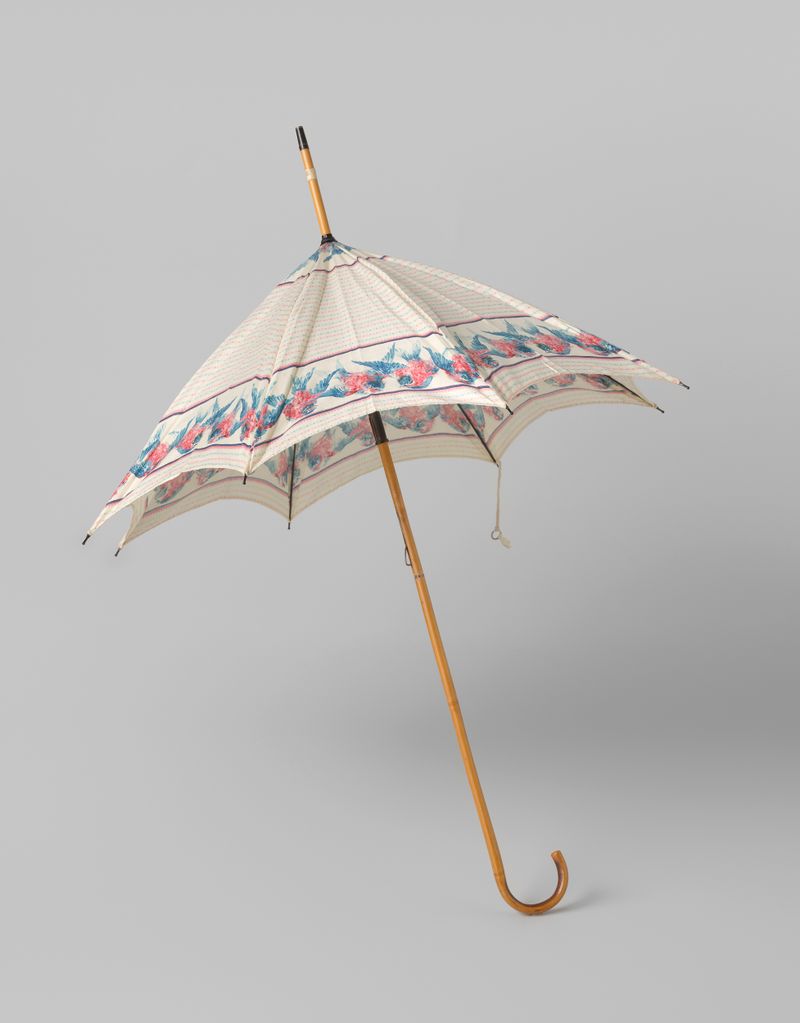
Parasol met dek witte katoen bedrukt met roze en blauwe vogeltjes, op een bamboe stok met gebogen handvat
Gustav Schnitzler
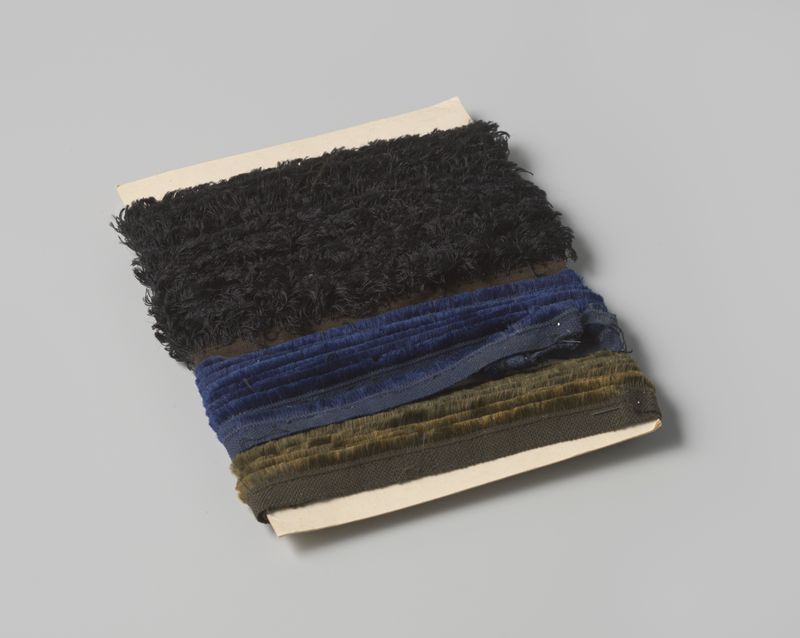
Strook zwarte franje aan bezemband, op karton
Gustav Schnitzler
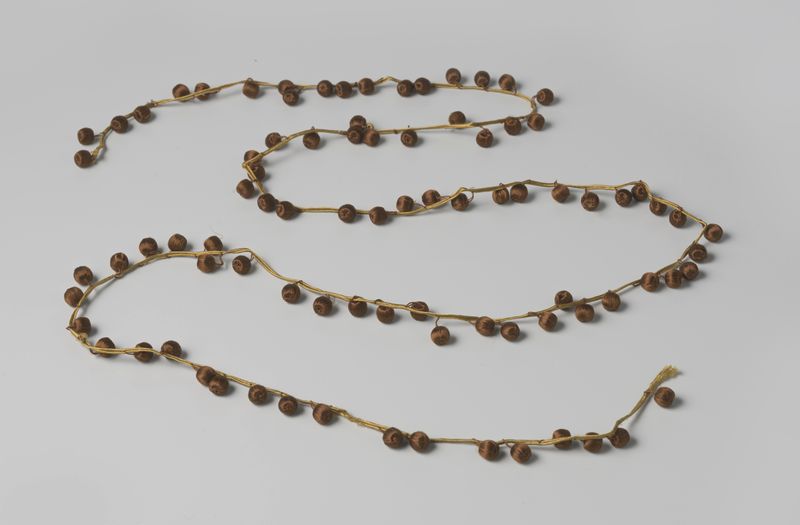
Galon, goudkleurig, waaraan pompons van bruin (zijde)draad hangen
Gustav Schnitzler
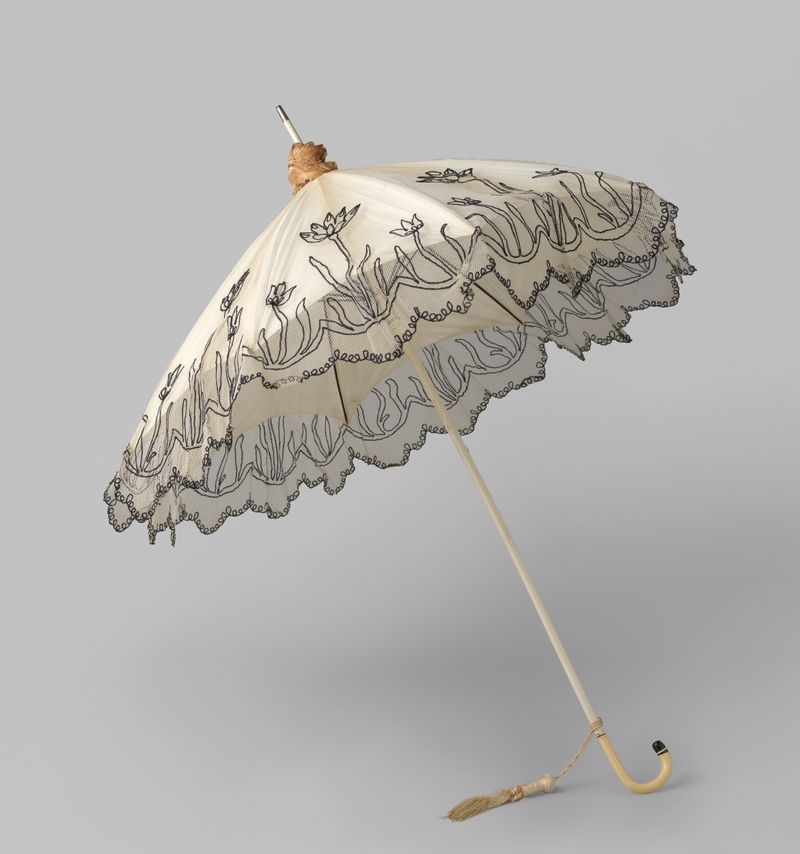
Parasol met dek van witte tule waarop zwart borduurwerk van telkens drie bloemen, op een witgeverfde houten stok, waaraan een gebogen ivoorkleurig handvat
Gustav Schnitzler

Parasol met dek van witte katoen, waartussen een strook van witte kant, op een lichte, houten stok met een ronde haak
Gustav Schnitzler

Strook franje, getand, wit en écru, gewikkeld rond een met gouden randen afgezet plankje
Gustav Schnitzler
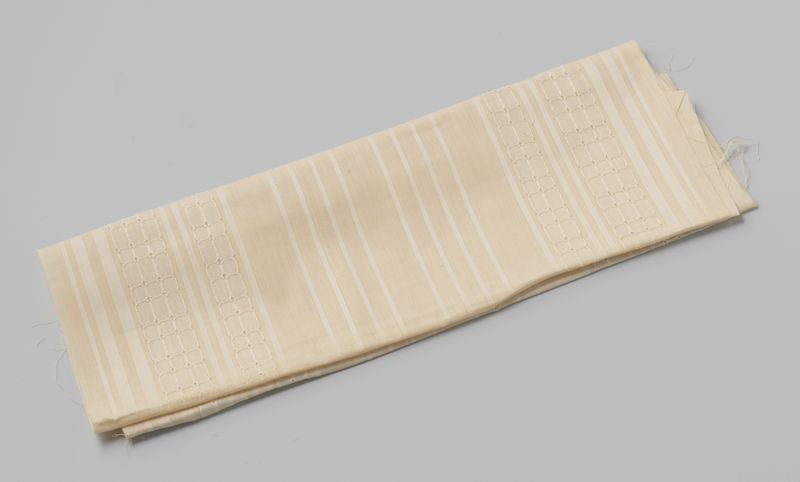
Coupon wit parasolkatoen met beige strepen aan weerszijden
Gustav Schnitzler
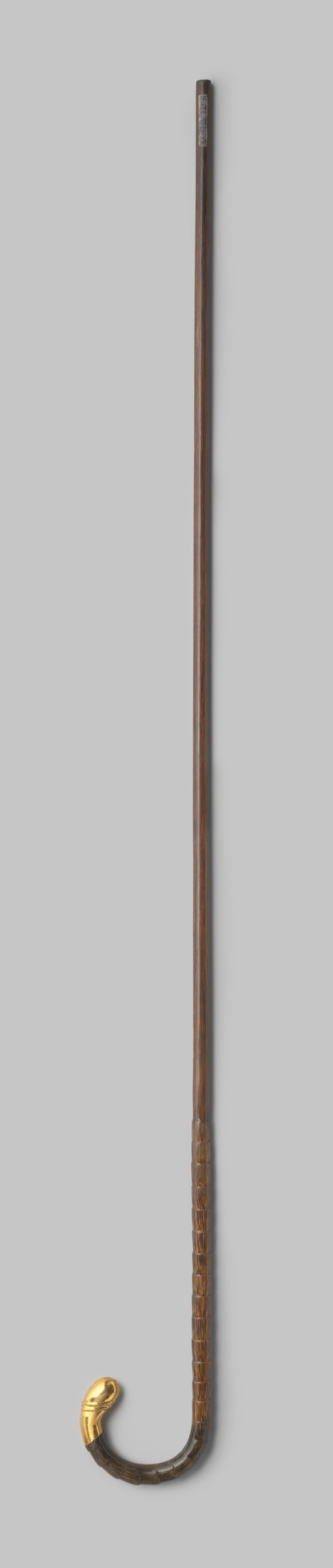
Onderstok van een parapluie of parasol van kokospalm met ronde haak en goudkleurig (verguld?) metalen uiteinde
Gustav Schnitzler

Parasol met dek van effen witte katoen met een smal meerkleurig draad langs de rand geregen, op lichte houten stok, met gebogen, ivoorkleurig handvat
Gustav Schnitzler
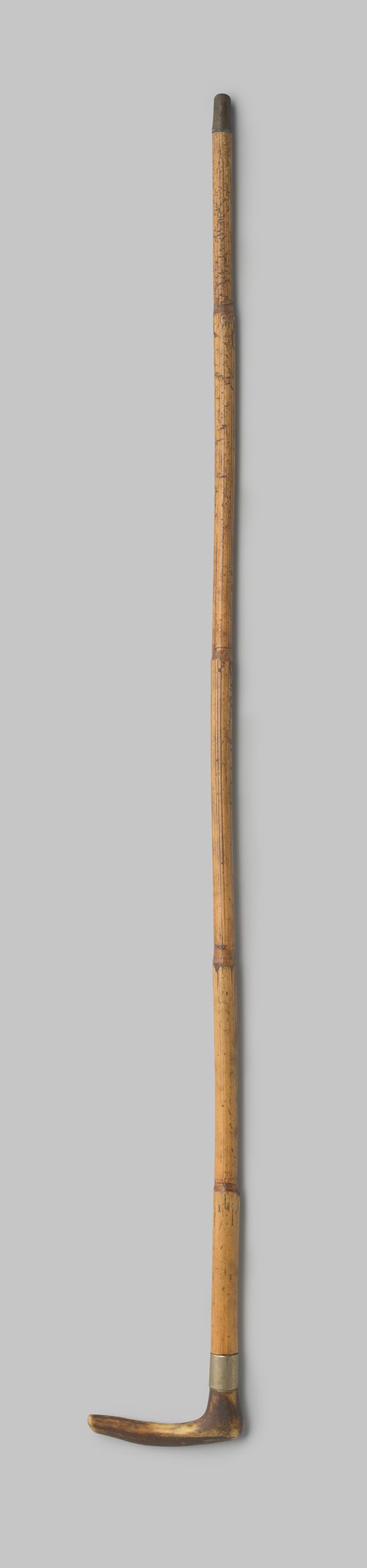
Onderstok van parasol of parapluie van bamboe met rechte haak van hertshoorn, met ring en punt van koper
Gustav Schnitzler