Strook witte etskant, getand en voorzien van picots, op karton — History & Facts
Can beauty exist without sorrow? In Strook witte etskant, getand en voorzien van picots, op karton, transformation becomes an embodiment of this poignant question, inviting us to explore the delicate interplay between joy and pain. Focus first on the intricate white etching that dances across the surface of the cardboard. The meticulous details of the picots draw your eye, leading you along the rhythmic edges that contrast with the raw texture of the underlying material. The craftsmanship reveals a delicate strength as light cascades over the piece, illuminating the subtle shadows that echo its complexity.
Each groove and contour tells a story, inviting intimacy through its tactile quality. As you delve deeper, consider the way the sharpness of the etching contrasts with the softness of the cardboard, representing the dualities present in life—fragility versus resilience, creation versus destruction. The white-on-white palette evokes both purity and loneliness, encapsulating a moment of stillness that resonates with the viewer's own experiences of change and longing. This quiet tension between the materials speaks to the artist's intent, hinting at the continuous cycle of renewal that defines existence. Created around 1925, Schnitzler’s work emerged during a time of significant upheaval in Europe, following the devastation of World War I.
His artistic practice was influenced by the modernist movements of the era, which sought to redefine the boundaries of art. This piece reflects not only his personal exploration of materiality but also the collective yearning for transformation amidst the scars of a turbulent past.
More Artworks by Gustav Schnitzler
Browse all →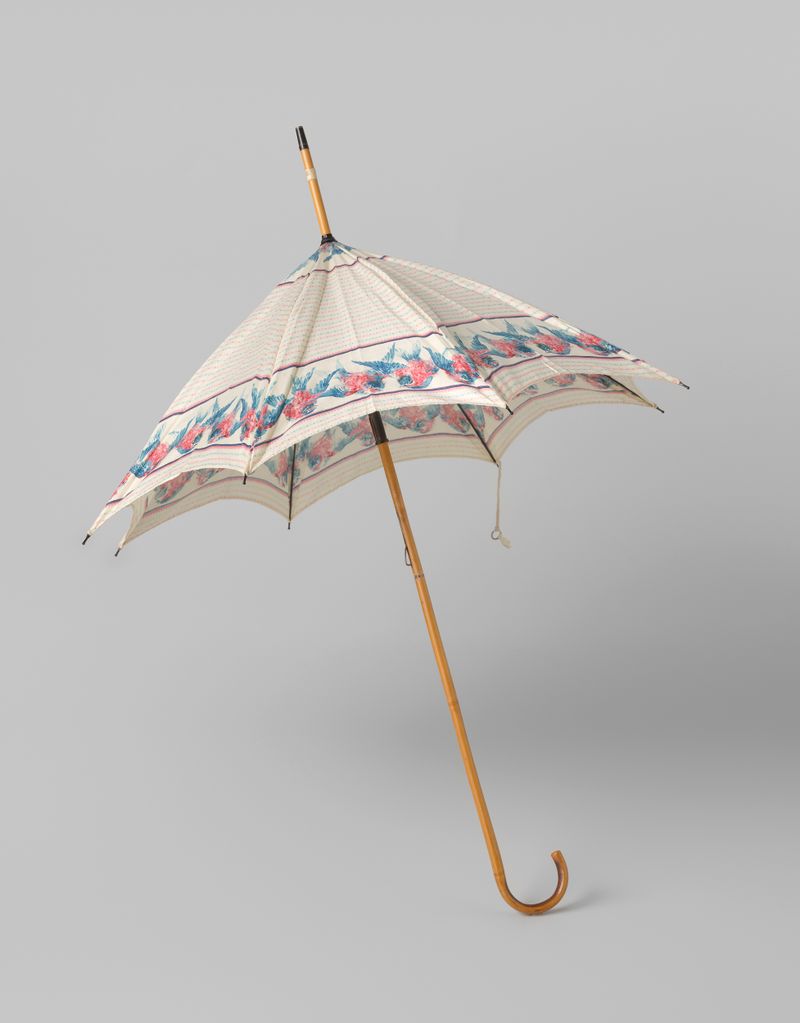
Parasol met dek witte katoen bedrukt met roze en blauwe vogeltjes, op een bamboe stok met gebogen handvat
Gustav Schnitzler
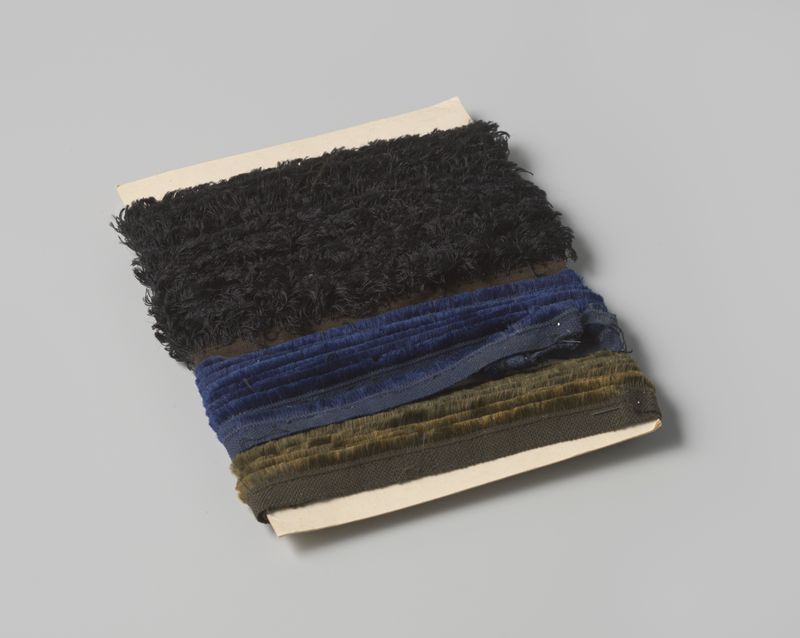
Strook zwarte franje aan bezemband, op karton
Gustav Schnitzler
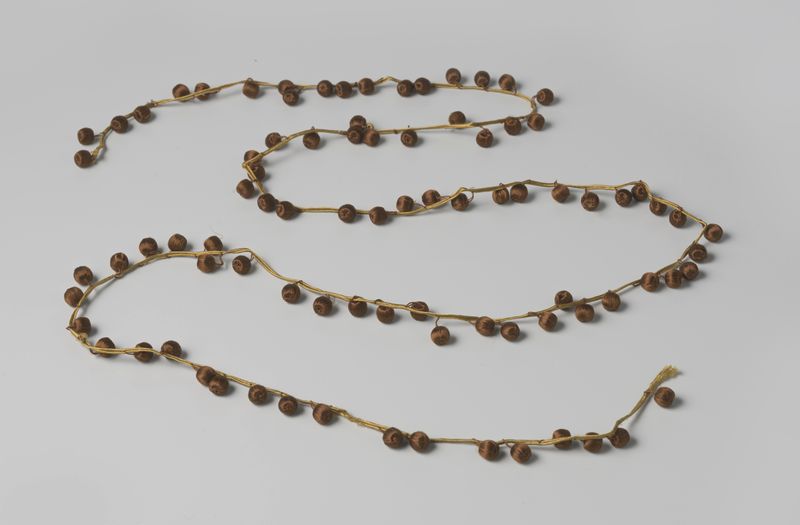
Galon, goudkleurig, waaraan pompons van bruin (zijde)draad hangen
Gustav Schnitzler
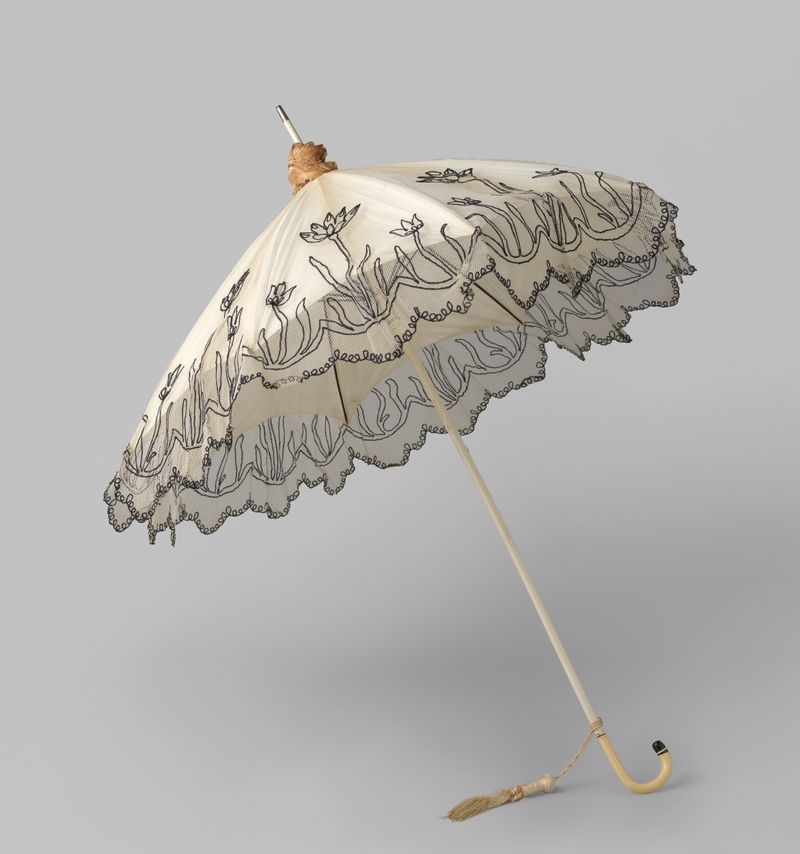
Parasol met dek van witte tule waarop zwart borduurwerk van telkens drie bloemen, op een witgeverfde houten stok, waaraan een gebogen ivoorkleurig handvat
Gustav Schnitzler

Parasol met dek van witte katoen, waartussen een strook van witte kant, op een lichte, houten stok met een ronde haak
Gustav Schnitzler

Strook franje, getand, wit en écru, gewikkeld rond een met gouden randen afgezet plankje
Gustav Schnitzler
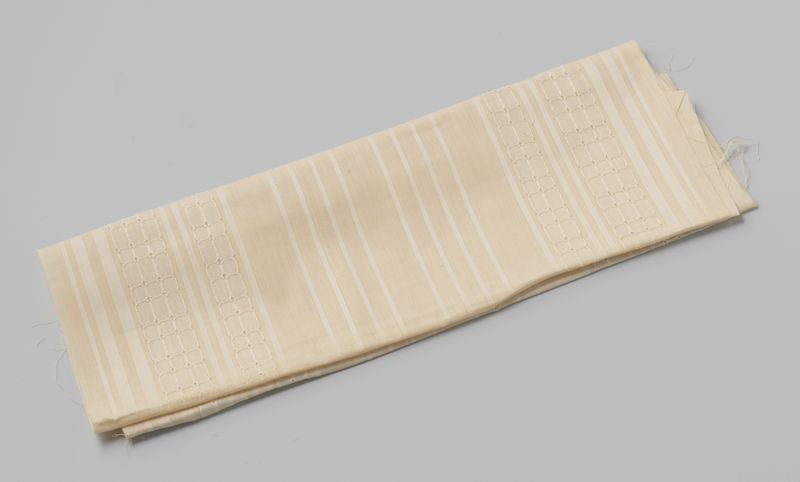
Coupon wit parasolkatoen met beige strepen aan weerszijden
Gustav Schnitzler
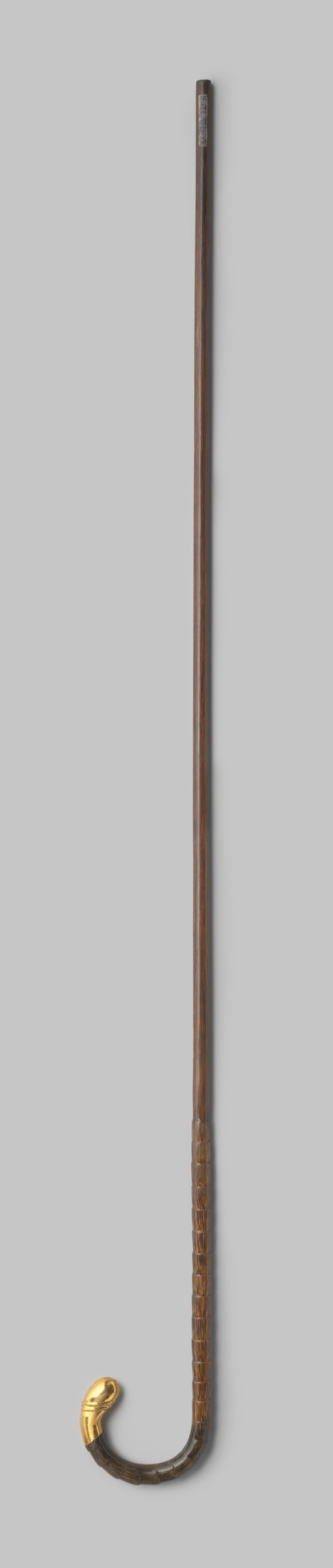
Onderstok van een parapluie of parasol van kokospalm met ronde haak en goudkleurig (verguld?) metalen uiteinde
Gustav Schnitzler

Parasol met dek van effen witte katoen met een smal meerkleurig draad langs de rand geregen, op lichte houten stok, met gebogen, ivoorkleurig handvat
Gustav Schnitzler
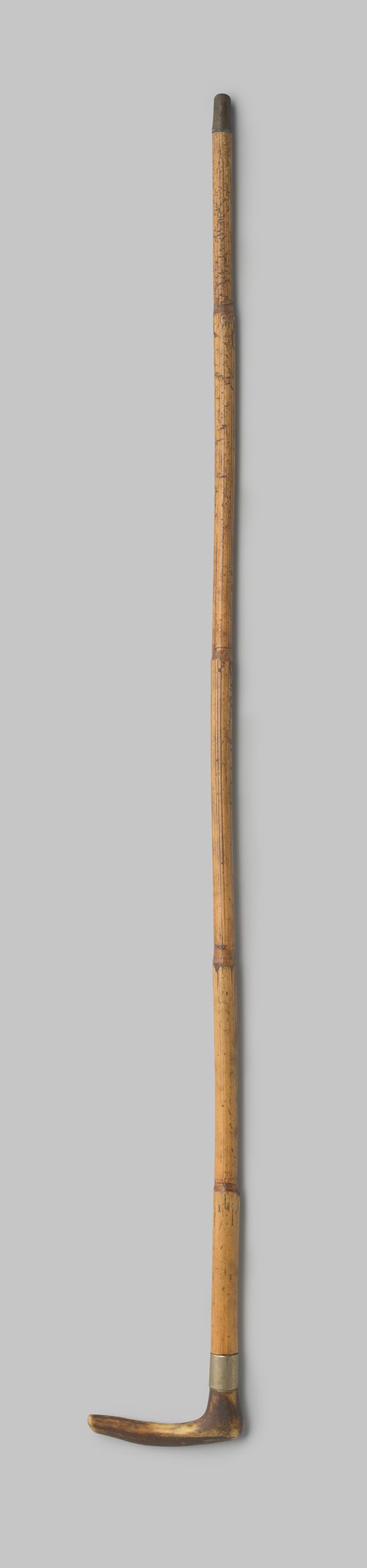
Onderstok van parasol of parapluie van bamboe met rechte haak van hertshoorn, met ring en punt van koper
Gustav Schnitzler