Strook witte machinale kant, geschulpt, op karton — History & Facts
In Strook witte machinale kant, geschulpt, op karton, Gustav Schnitzler captures the delicate interplay between innocence and fragility, inviting the viewer to contemplate the complexities interwoven within the seemingly simple. Look closely at the intricate lacework that dominates the piece. The white, sculpted textures dance across the surface, reflecting the light with an ethereal glow. Notice how the meticulous patterns draw your eye toward the center, creating a focal point that feels both inviting and enigmatic.
The use of stark white against the muted cardboard background highlights the tension between purity and the ordinary, revealing an exquisite balance of form and function. Delve deeper into the work and you'll find contrasts that provoke thought. The meticulous craftsmanship embodies a sense of care, yet it is juxtaposed with the roughness of the cardboard, suggesting a fleeting moment of beauty that is in constant danger of decay. This duality speaks to a broader narrative about the loss of innocence in a mechanized world, where delicate artistry is often overshadowed by mass production and commodification. Created in the mid-1920s, this artwork emerged during a time of significant transition in the art world.
Schnitzler painted while living in post-war Europe, where the rise of industrialization was reshaping the landscape of art and society. His exploration of texture and form in this piece reflects a longing for authenticity amidst the growing complexity of modern life, marking his place in the evolving discourse of contemporary craftsmanship.
More Artworks by Gustav Schnitzler
Browse all →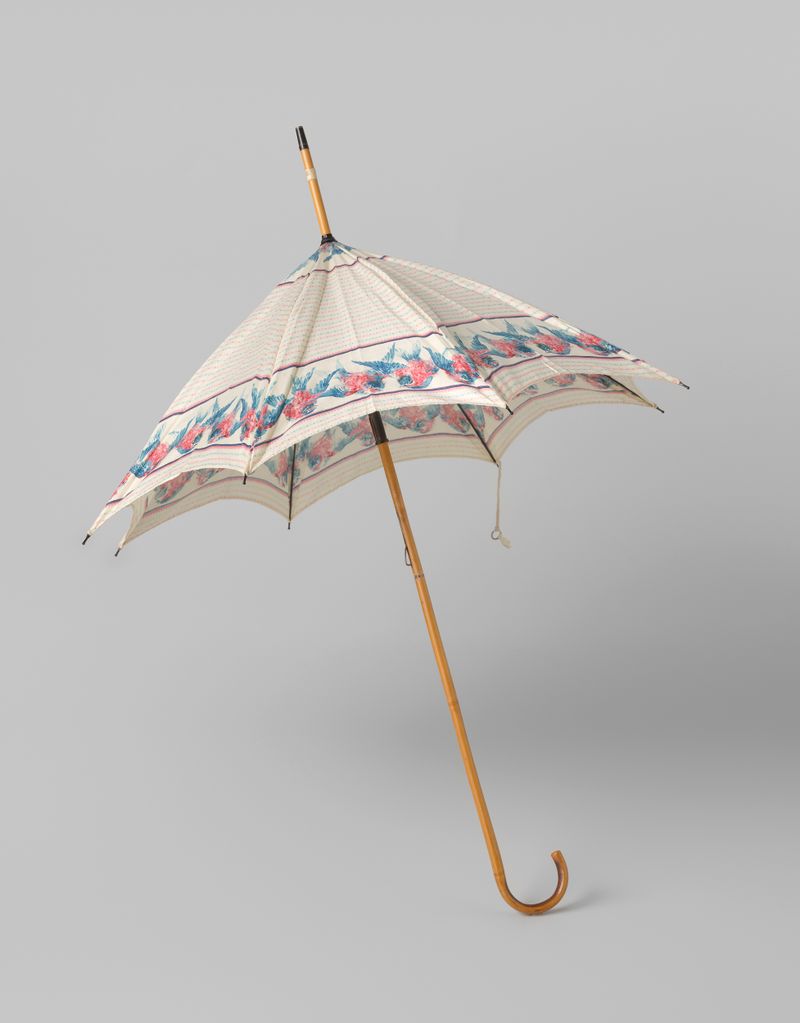
Parasol met dek witte katoen bedrukt met roze en blauwe vogeltjes, op een bamboe stok met gebogen handvat
Gustav Schnitzler
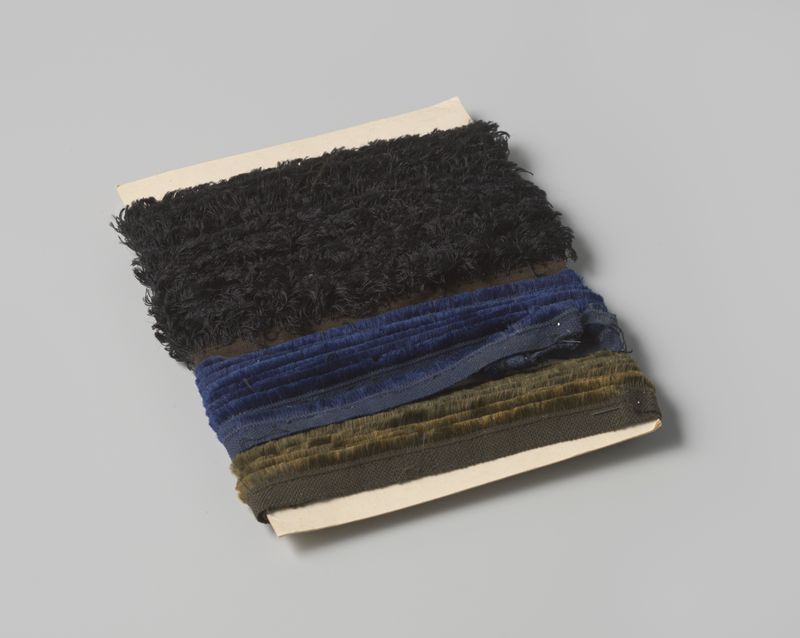
Strook zwarte franje aan bezemband, op karton
Gustav Schnitzler
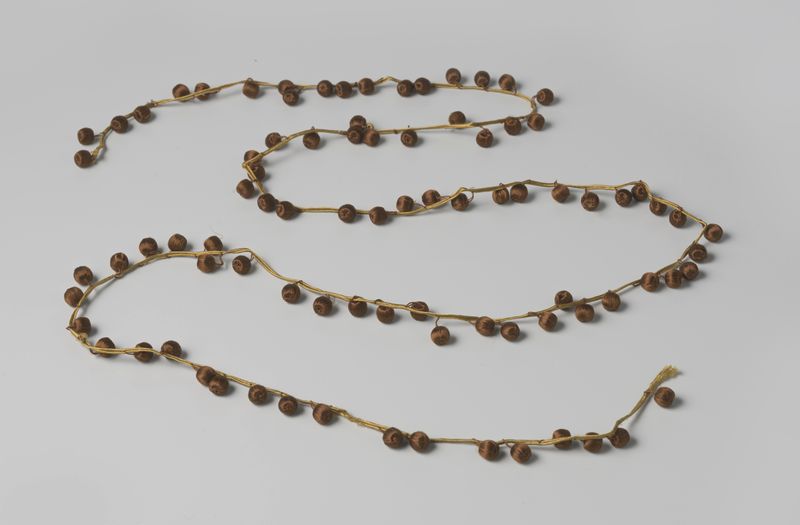
Galon, goudkleurig, waaraan pompons van bruin (zijde)draad hangen
Gustav Schnitzler
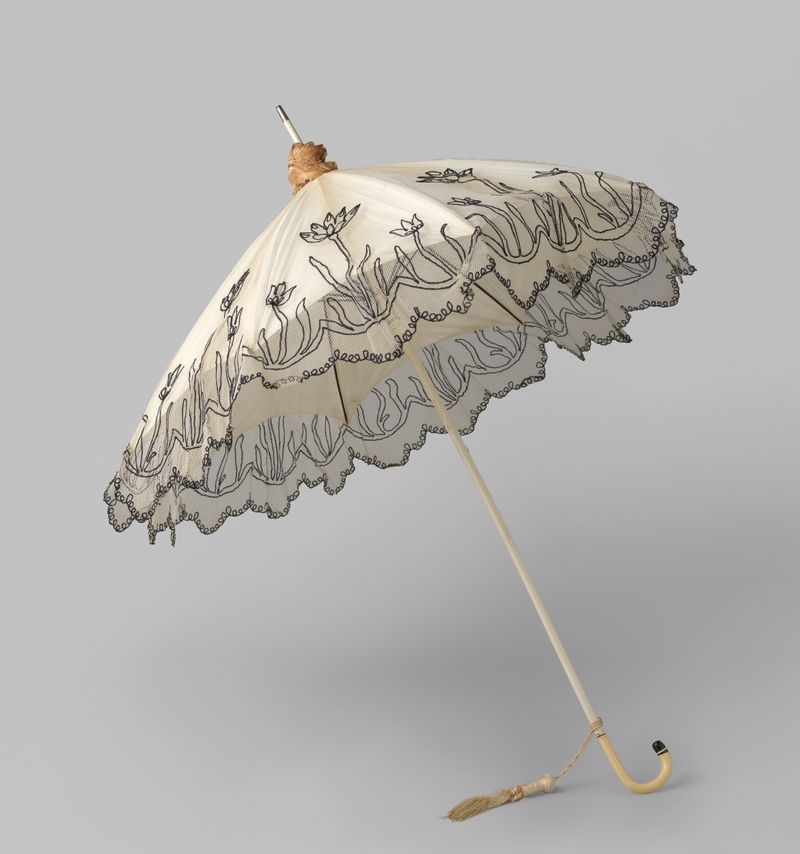
Parasol met dek van witte tule waarop zwart borduurwerk van telkens drie bloemen, op een witgeverfde houten stok, waaraan een gebogen ivoorkleurig handvat
Gustav Schnitzler

Parasol met dek van witte katoen, waartussen een strook van witte kant, op een lichte, houten stok met een ronde haak
Gustav Schnitzler

Strook franje, getand, wit en écru, gewikkeld rond een met gouden randen afgezet plankje
Gustav Schnitzler
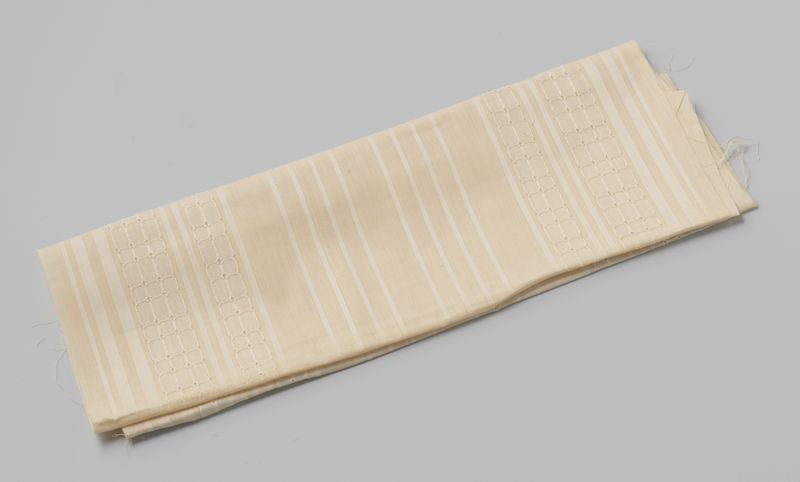
Coupon wit parasolkatoen met beige strepen aan weerszijden
Gustav Schnitzler
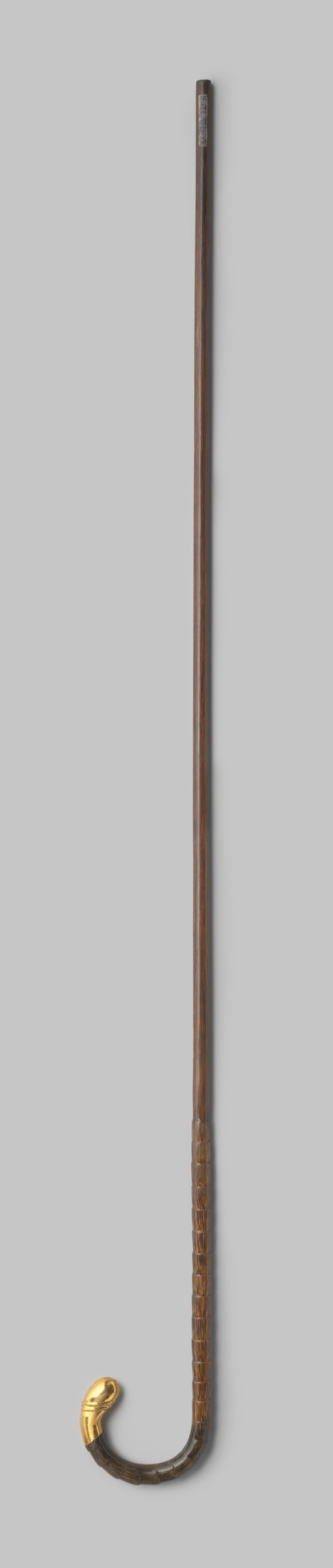
Onderstok van een parapluie of parasol van kokospalm met ronde haak en goudkleurig (verguld?) metalen uiteinde
Gustav Schnitzler

Parasol met dek van effen witte katoen met een smal meerkleurig draad langs de rand geregen, op lichte houten stok, met gebogen, ivoorkleurig handvat
Gustav Schnitzler
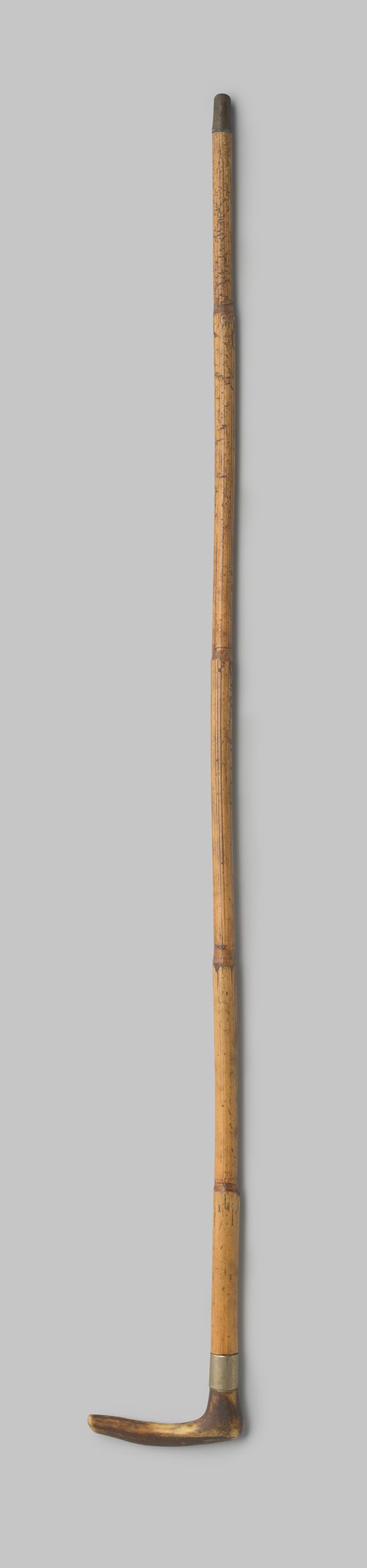
Onderstok van parasol of parapluie van bamboe met rechte haak van hertshoorn, met ring en punt van koper
Gustav Schnitzler