
Studies of Horses, Men and Carriages — History & Facts
No one knows for certain why John Linnell created Studies of Horses, Men and Carriages, or even when, but the drawing stands as a rare glimpse into the working process of a painter who moved easily between landscape, portraiture, and illustration in early nineteenth-century England. Linnell was known for his meticulous observation of nature and his collaborations with artists like William Blake, yet preparatory sketches such as this one rarely survive in such complete form. The sheet’s existence invites speculation: was it intended for a larger painting, or simply an exercise in capturing fleeting movement? Its unfinished, exploratory quality offers a privileged look at the artist’s hand in motion. On the page, horses rear and strain against harnesses, men lean forward or twist to control their teams, and carriages lurch along invisible roads.
Linnell freezes the moment of tension between animal strength and human direction, the chaos of travel distilled into a series of quick, searching lines. The horses’ muscular bodies are rendered with an energy that suggests both power and restlessness, while the drivers’ gestures—arms raised, bodies braced—speak of command and negotiation. Unlike the formal equestrian studies of George Stubbs, Linnell’s approach is looser, more concerned with the interplay of bodies in motion than with anatomical precision.
The result is a scene not of spectacle, but of everyday struggle and coordination. The precise history of Studies of Horses, Men and Carriages remains uncertain, as does its original purpose. Linnell’s career spanned decades of dramatic change in British art, from the Romanticism of his youth to the Pre-Raphaelite movement he later supported. Works like this drawing, whether kept in the artist’s studio or passed among students and collectors, served as both reference and inspiration.
Today, the sheet survives as a testament to Linnell’s restless curiosity and his skill in capturing the life of the world around him, even in the most ordinary of subjects. Its journey through time is less a record of grand exhibitions than a quiet witness to the daily labor of art.
More Artworks by John Linnell

A View Near Hampstead
John Linnell
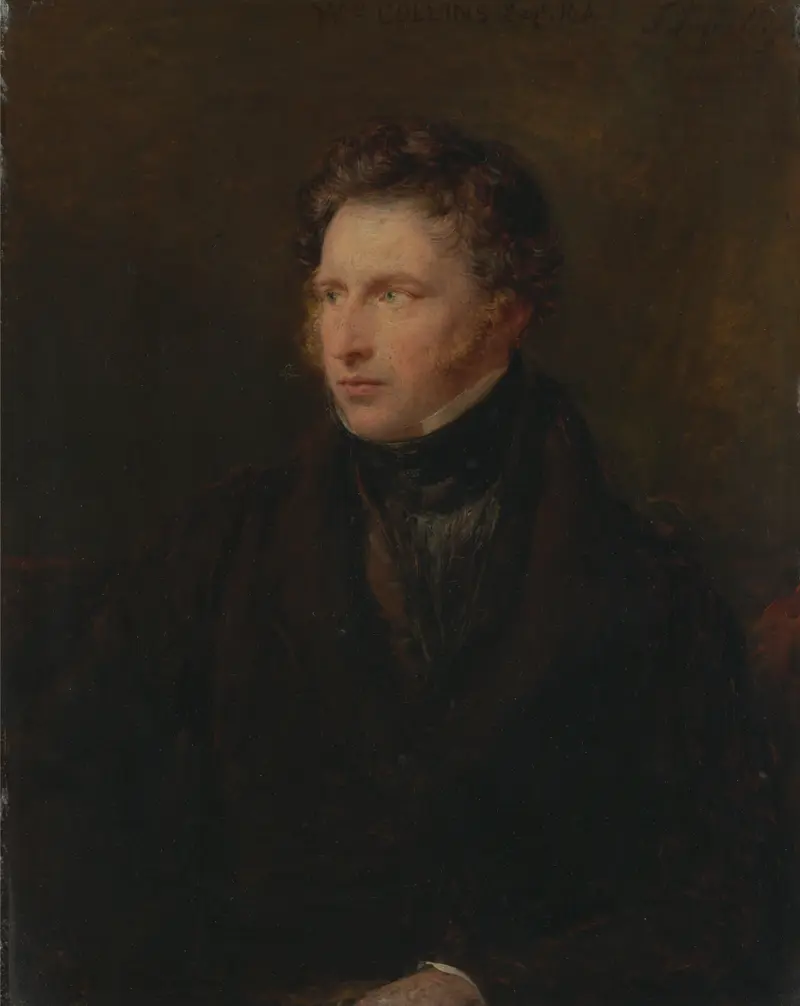
William Collins, R.A.
John Linnell
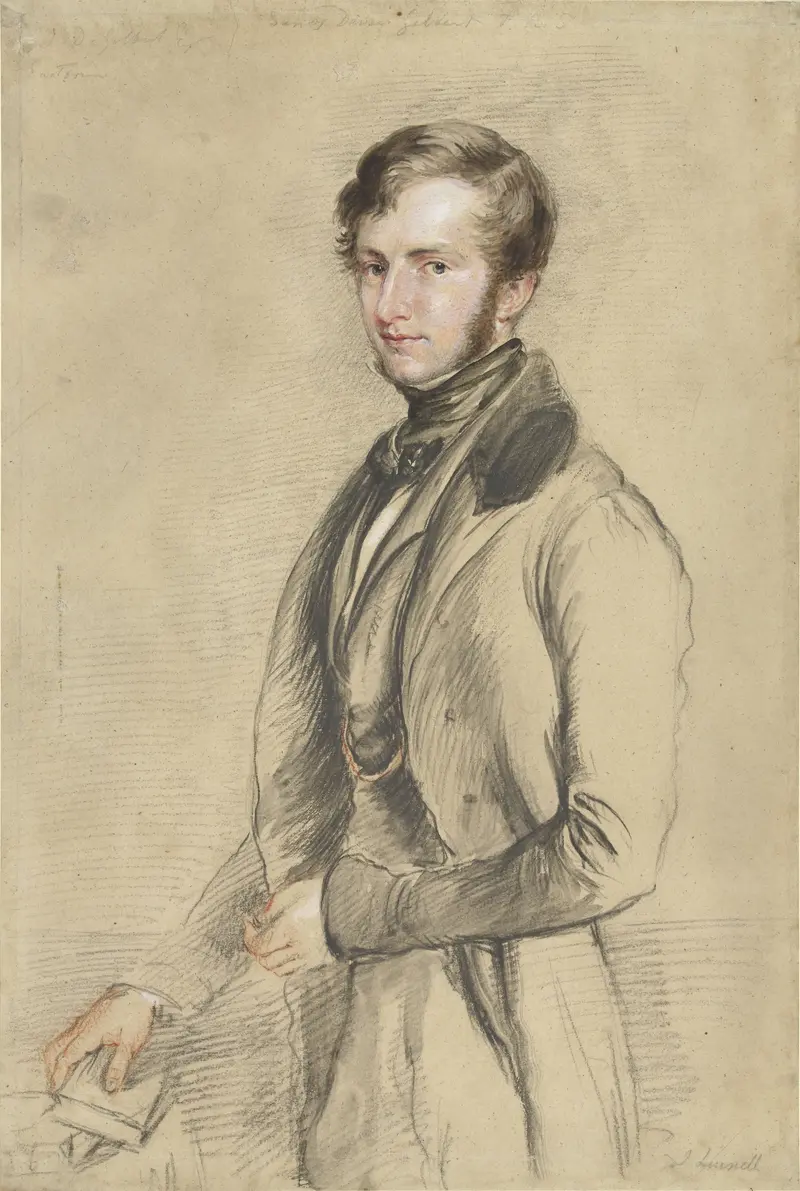
Portrait of John Davies Gilbert
John Linnell
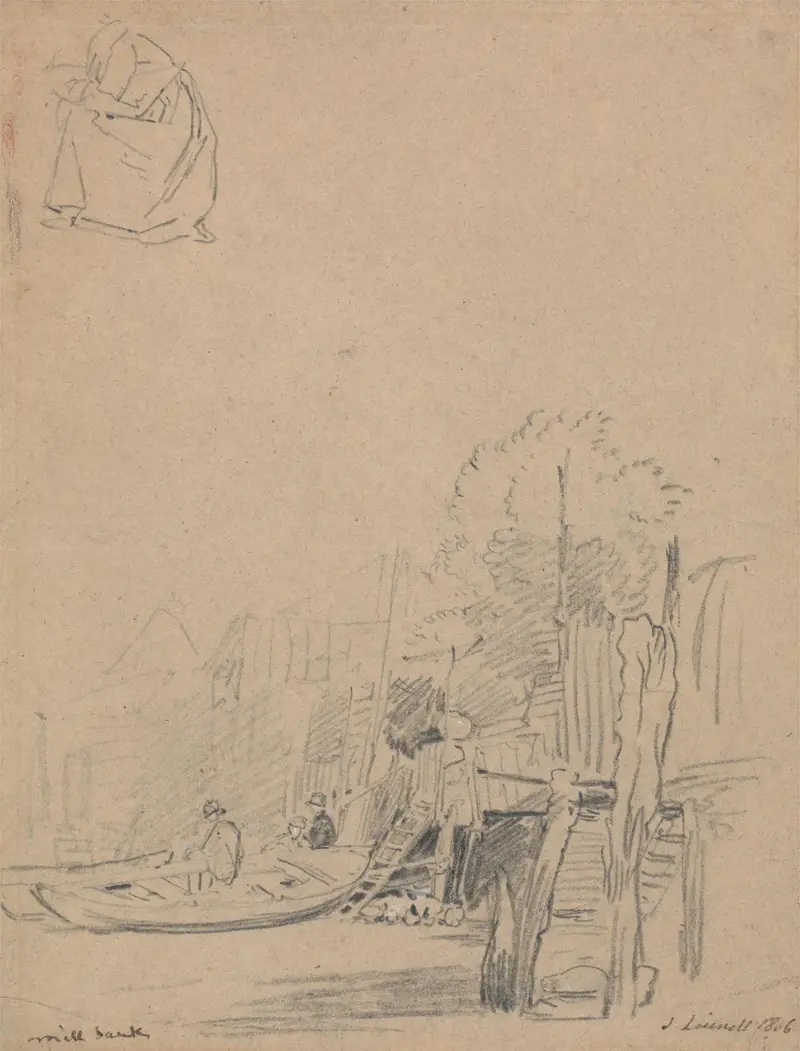
Millbank
John Linnell
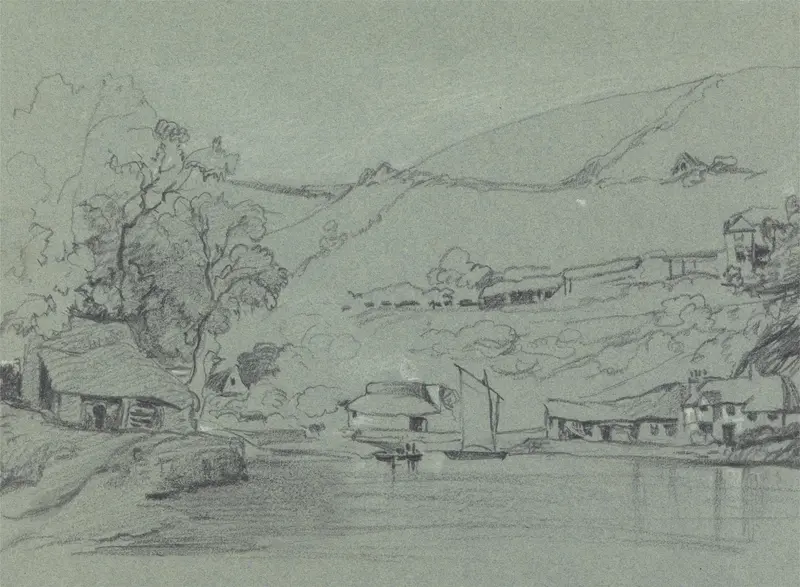
Scene in Kent
John Linnell
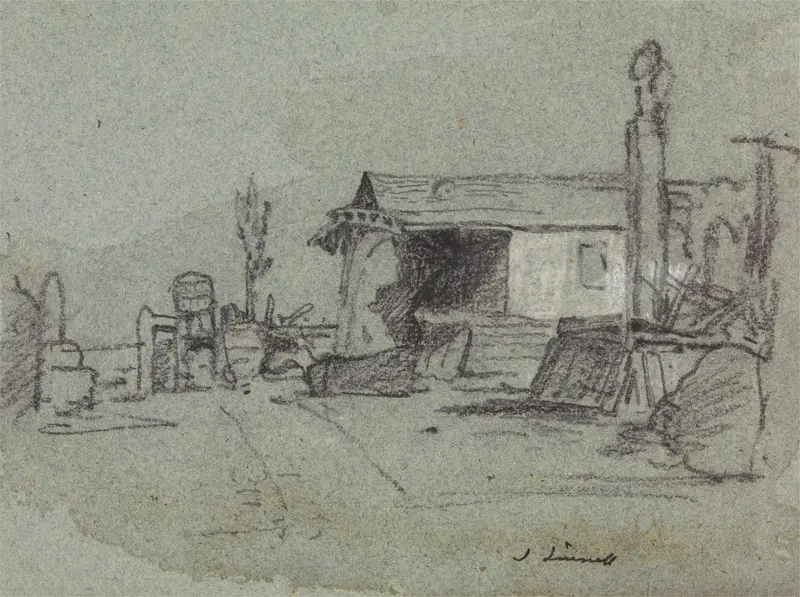
A Scene in the Edgware Road, London
John Linnell
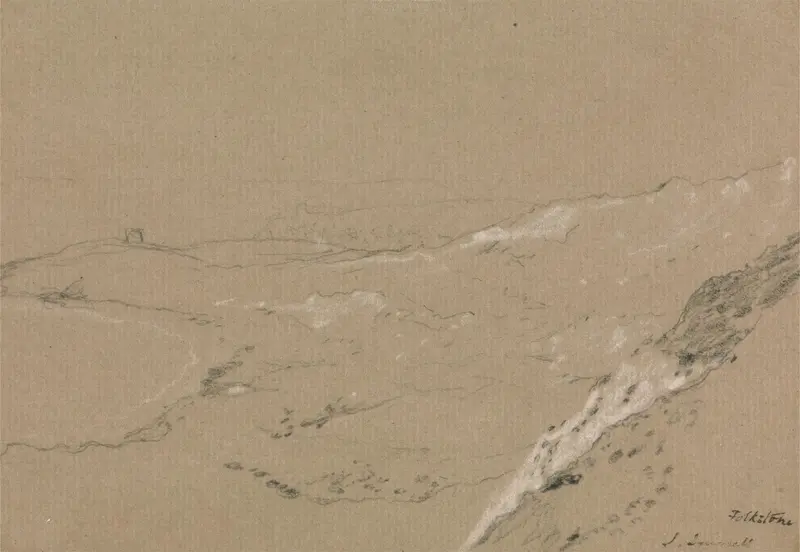
Folkestone
John Linnell
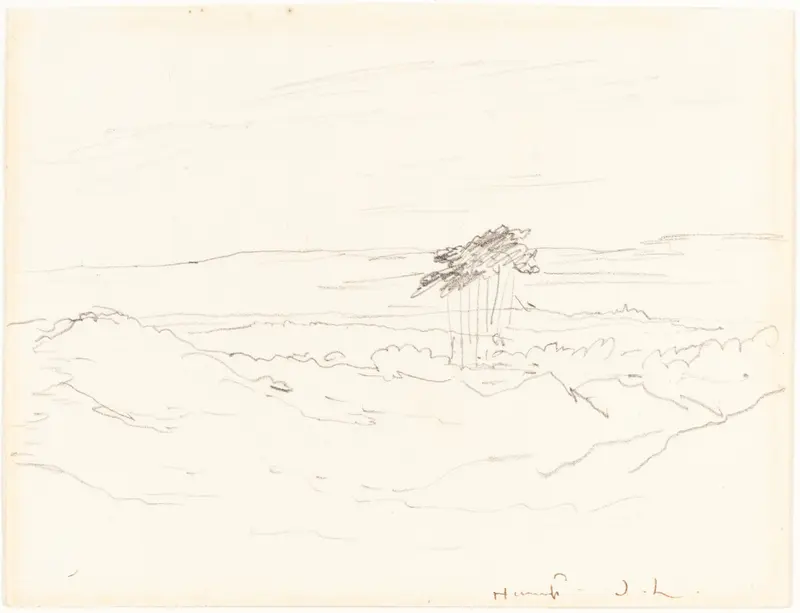
Hampstead Heath
John Linnell
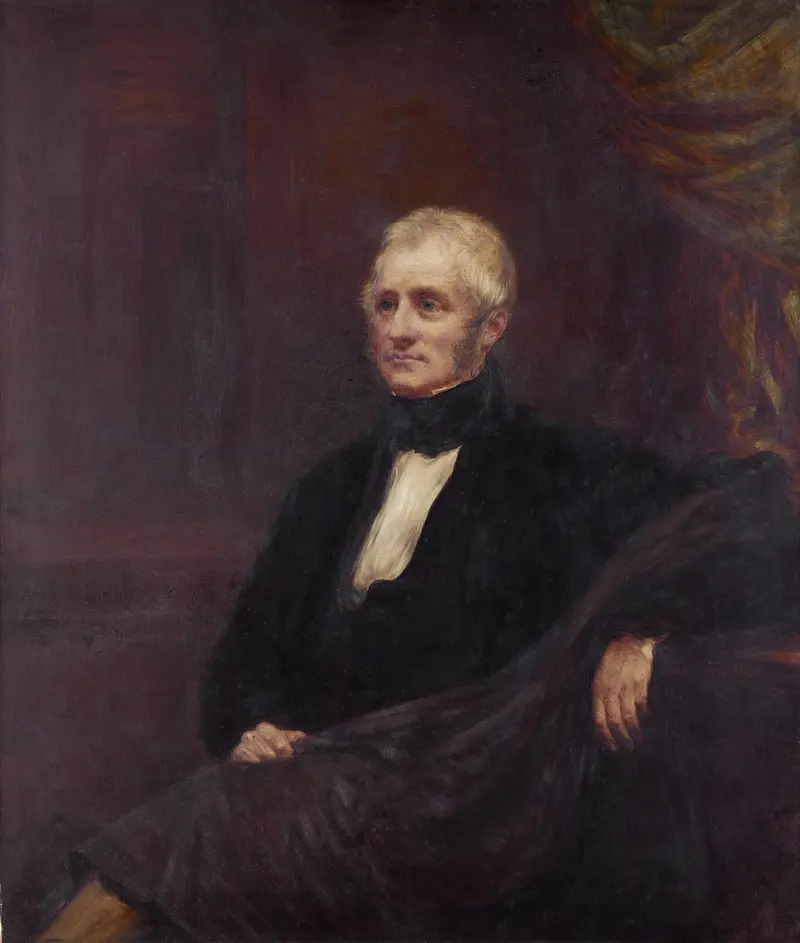
Henry Stephen Fox-Strangways, 3rd Earl Of Ilchester
John Linnell
View at Mr. Sheppard’s, The Ridge, Gloucestershire
John Linnell




