
Henry Stephen Fox-Strangways, 3rd Earl Of Ilchester — History & Facts
Few portraits of British aristocracy have sparked as much curiosity about their sitter’s world as Henry Stephen Fox-Strangways, 3rd Earl Of Ilchester by John Linnell. The painting’s subject was not only a peer but also a diplomat and Whig politician, whose family seat at Melbury House was a gathering place for reform-minded thinkers in early 19th-century England. The absence of a known commission or exhibition record has led some scholars to wonder whether this portrait was painted for private family remembrance or as a public assertion of status during a turbulent political era. In the portrait, Linnell captures the Earl at a moment of composed reflection, his gaze turned slightly away from the viewer, suggesting a mind occupied by affairs of state or personal contemplation.
The carefully rendered fabrics of his attire—subtle but rich—signal both his rank and the understated dignity favored by British portraiture of the time. The soft, naturalistic light falls across his face, highlighting the thoughtful expression and lending a sense of immediacy to the encounter. Unlike the flamboyant bravura of Thomas Lawrence’s aristocratic portraits, Linnell opts for intimacy and psychological depth, inviting the viewer to consider the man behind the title. The exact date and circumstances of this portrait remain uncertain, as does its early provenance.
What is clear is that John Linnell—better known for his landscapes and religious subjects—was also a sought-after portraitist among England’s elite. The painting’s survival, despite the lack of detailed records, speaks to the enduring interest in both artist and sitter. Today, Henry Stephen Fox-Strangways, 3rd Earl Of Ilchester stands as a testament to Linnell’s versatility and to a period in British history when portraiture was both personal memento and public statement.
More Artworks by John Linnell

A View Near Hampstead
John Linnell
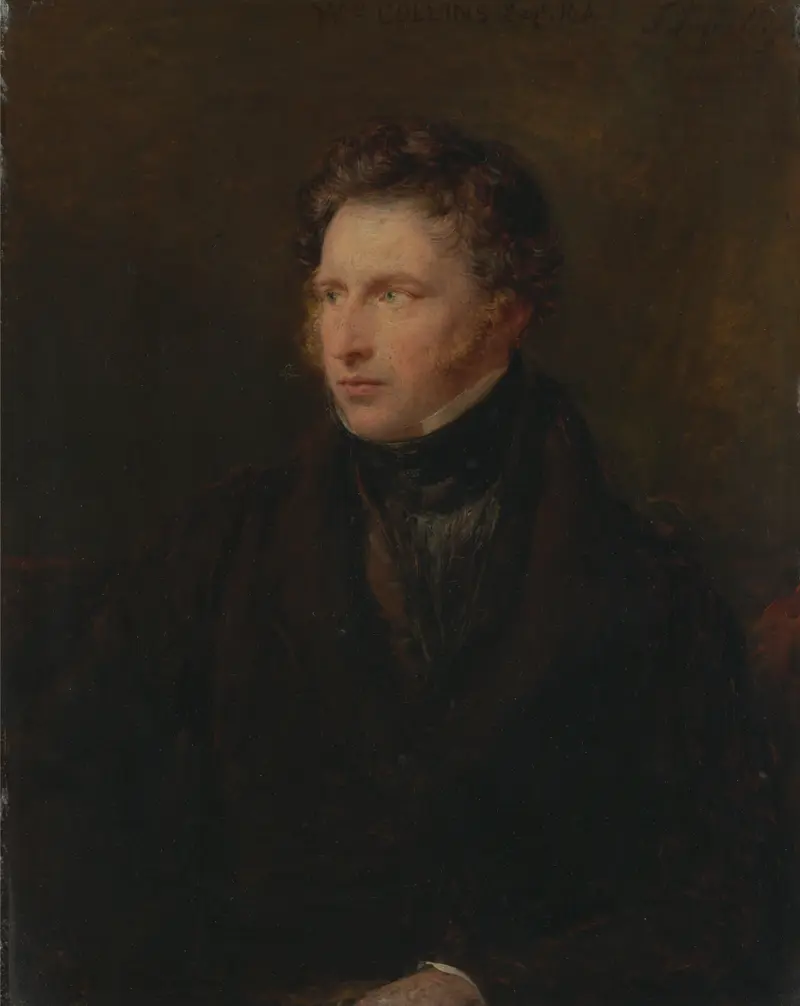
William Collins, R.A.
John Linnell
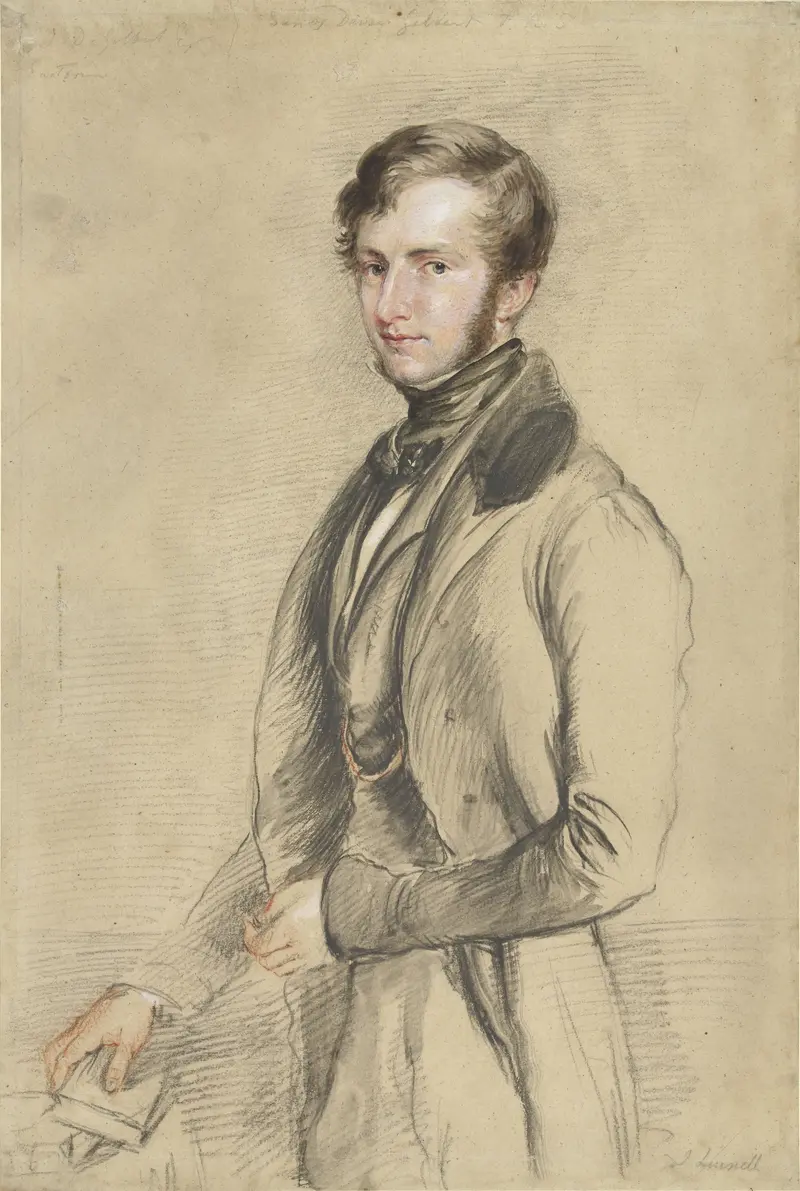
Portrait of John Davies Gilbert
John Linnell
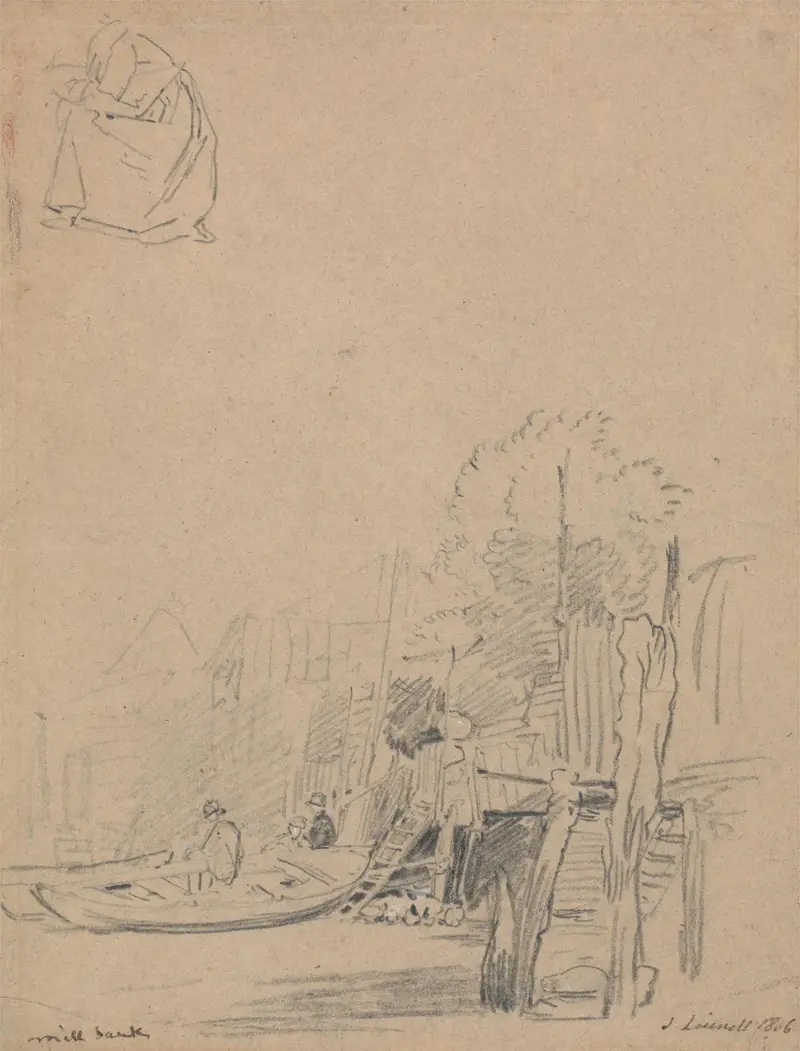
Millbank
John Linnell
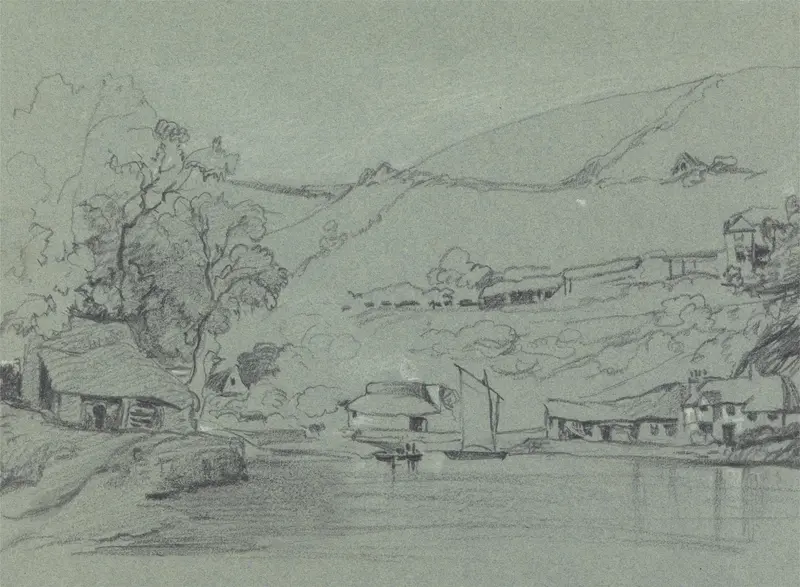
Scene in Kent
John Linnell
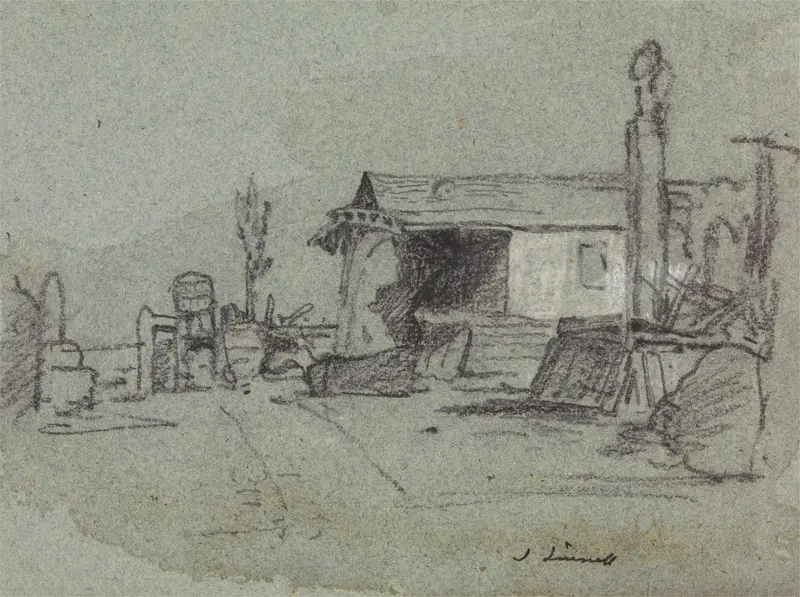
A Scene in the Edgware Road, London
John Linnell
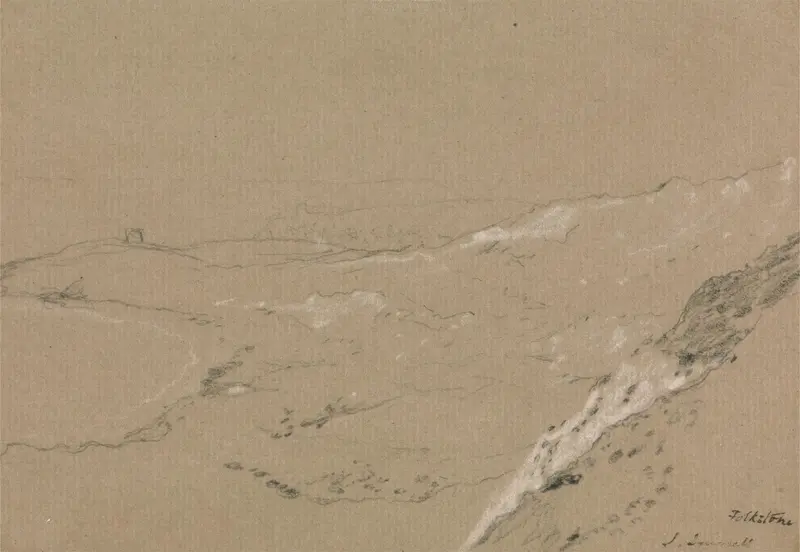
Folkestone
John Linnell
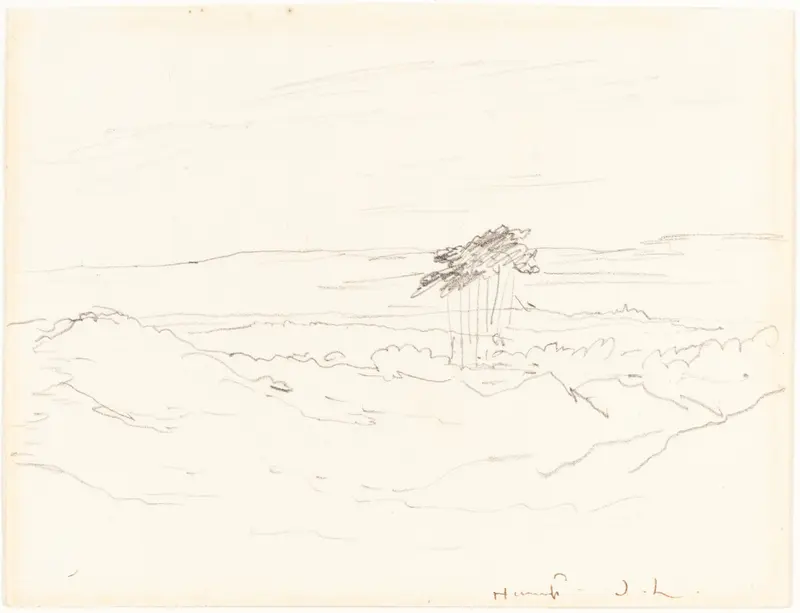
Hampstead Heath
John Linnell
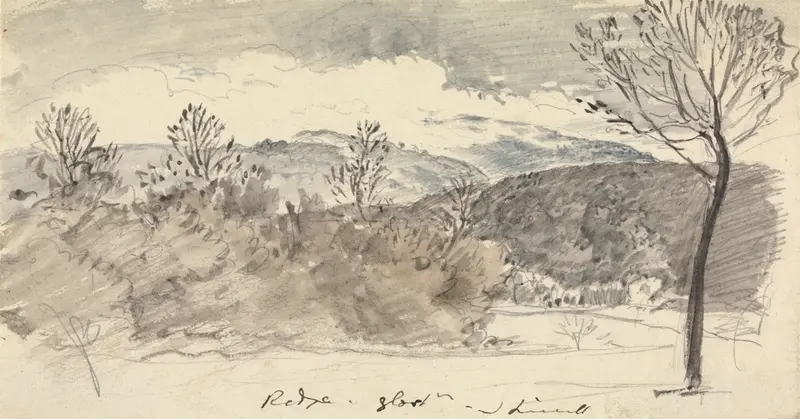
View at Mr. Sheppard’s, The Ridge, Gloucestershire
John Linnell
A Beech Wood
John Linnell





