
Millbank — History & Facts
When John Linnell painted Millbank, he captured a stretch of the Thames that was, in his day, notorious as the site of the Millbank Penitentiary—a vast, star-shaped prison whose looming presence haunted Londoners’ imaginations. Though the prison itself is not the focus of the painting, its very name would have conjured up associations of punishment, reform, and the changing city. In the early nineteenth century, Millbank was a place of transformation: marshland giving way to embankments, and old rural paths soon to be overtaken by the city’s relentless expansion.
Linnell’s choice of subject thus preserves a fleeting moment in London’s landscape, before the city’s modern face had fully emerged. The painting invites the viewer to pause on the riverbank, where low, silvery light glances off the water and a heavy sky presses down. A few figures—perhaps washerwomen, or workers returning home—move quietly along the muddy shore, dwarfed by the sweep of the river and the distant silhouettes of boats. Linnell’s eye for atmospheric detail is evident in the way he renders the moist air and the subtle gradations of dusk, a technique reminiscent of his contemporary J.M.W.
Turner, though Linnell’s realism is more grounded and less given to abstraction. The scene is not dramatic, but quietly observant, capturing the ordinary rhythms of life on the city’s margins, with the river serving as both boundary and artery. The precise date and medium of Millbank remain uncertain, as does its early provenance, but it fits within the period when John Linnell was most engaged with the landscapes of London and its environs, likely in the 1820s or 1830s. Linnell, a close friend of William Blake and mentor to Samuel Palmer, was known for his commitment to naturalism and his meticulous observation of light and weather.
While not as widely exhibited as his rural scenes, Millbank stands as a testament to his interest in the changing face of the city. The painting’s journey through collections is not fully documented; today, it survives as a rare glimpse into a vanished London, and as an example of Linnell’s sensitive, searching approach to landscape.
More Artworks by John Linnell

A View Near Hampstead
John Linnell
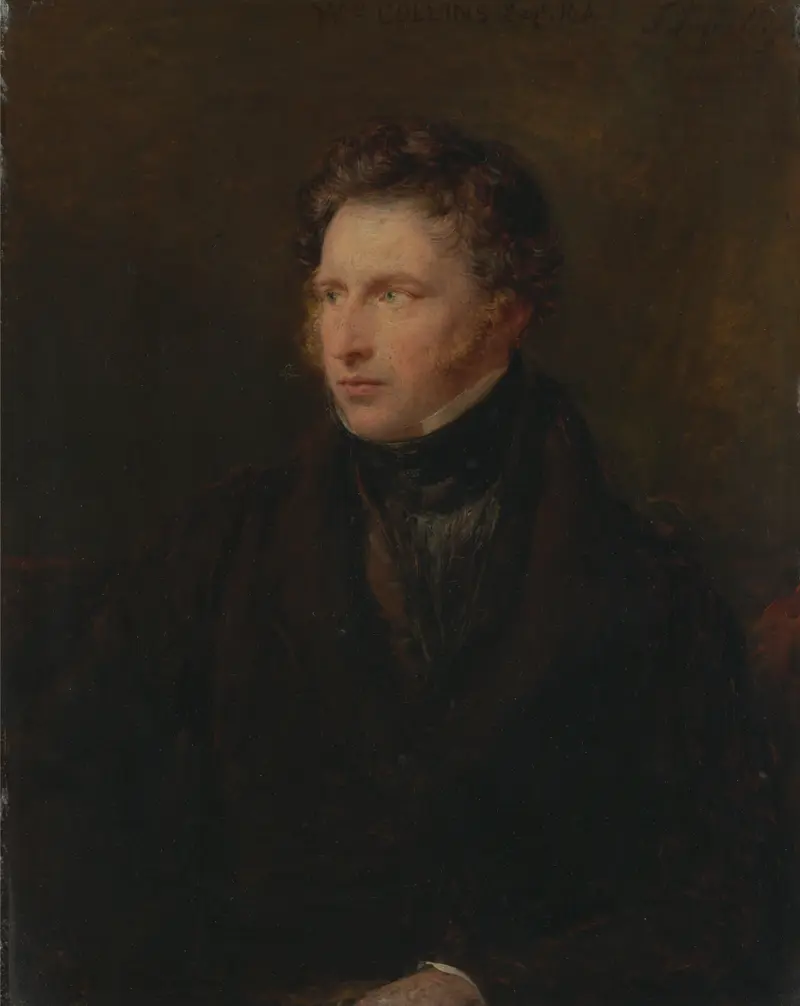
William Collins, R.A.
John Linnell
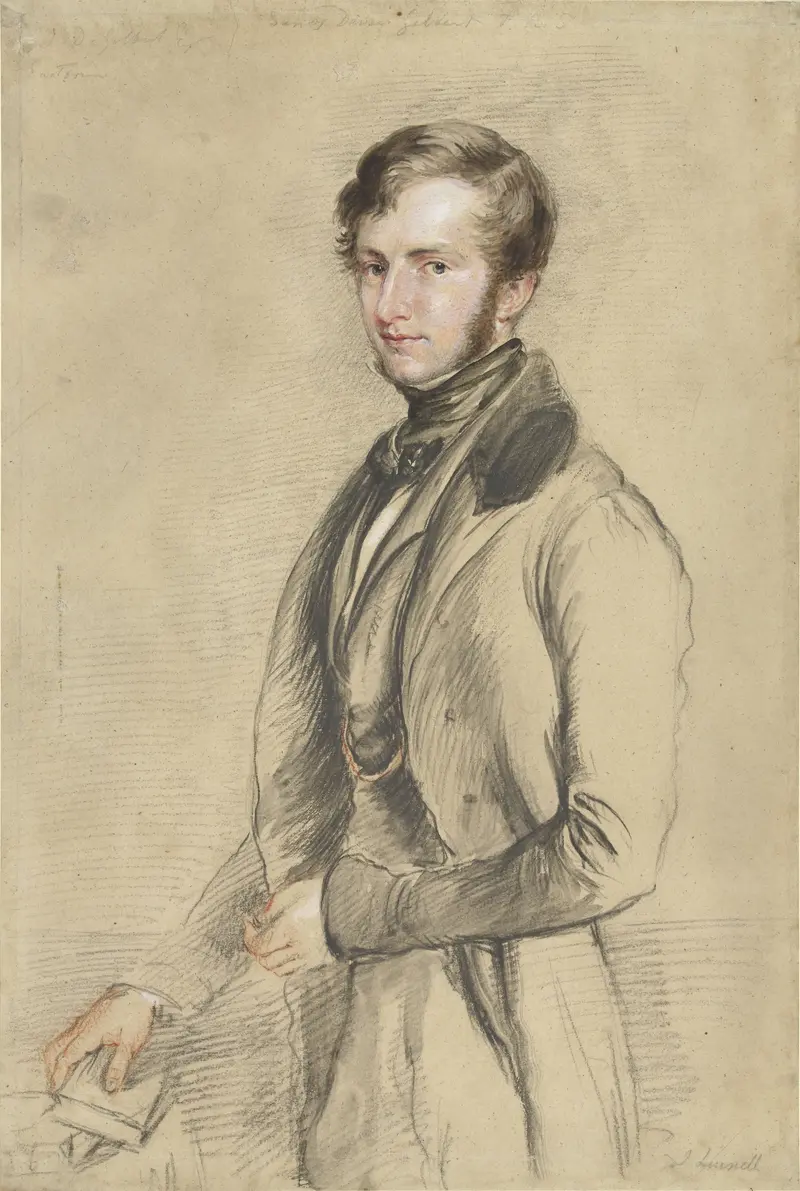
Portrait of John Davies Gilbert
John Linnell
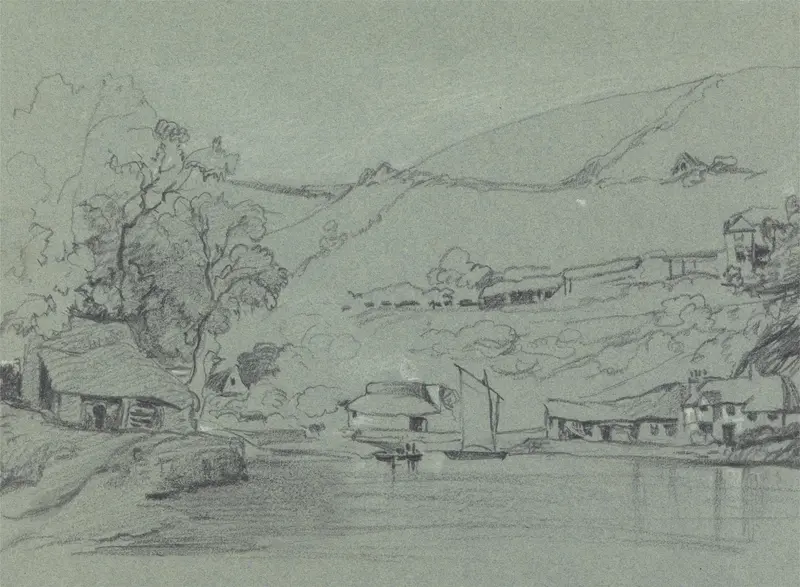
Scene in Kent
John Linnell
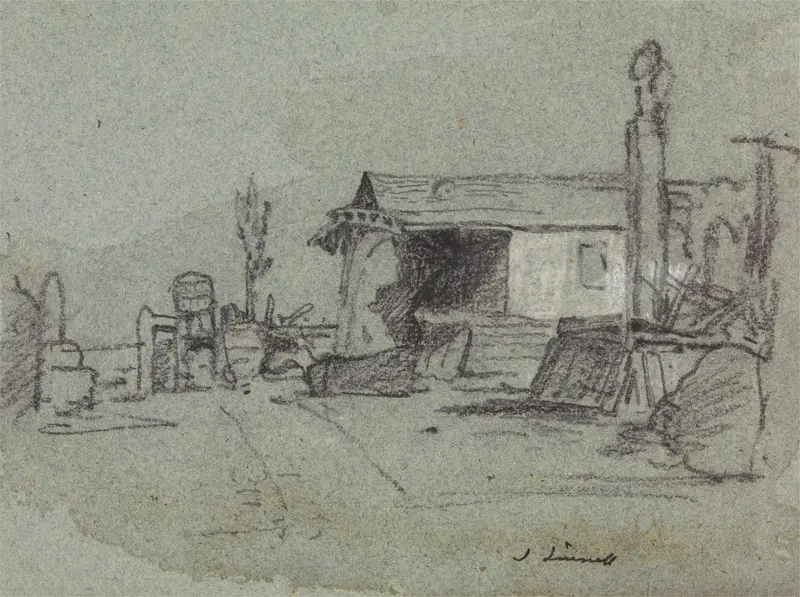
A Scene in the Edgware Road, London
John Linnell
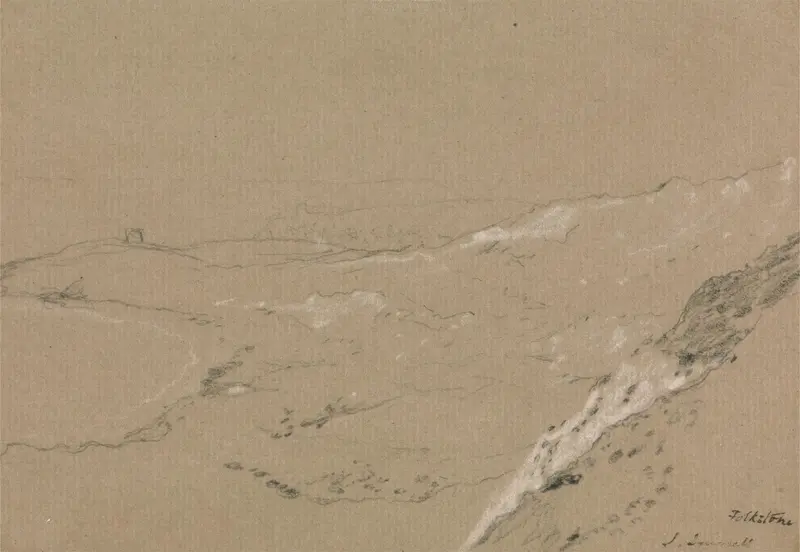
Folkestone
John Linnell
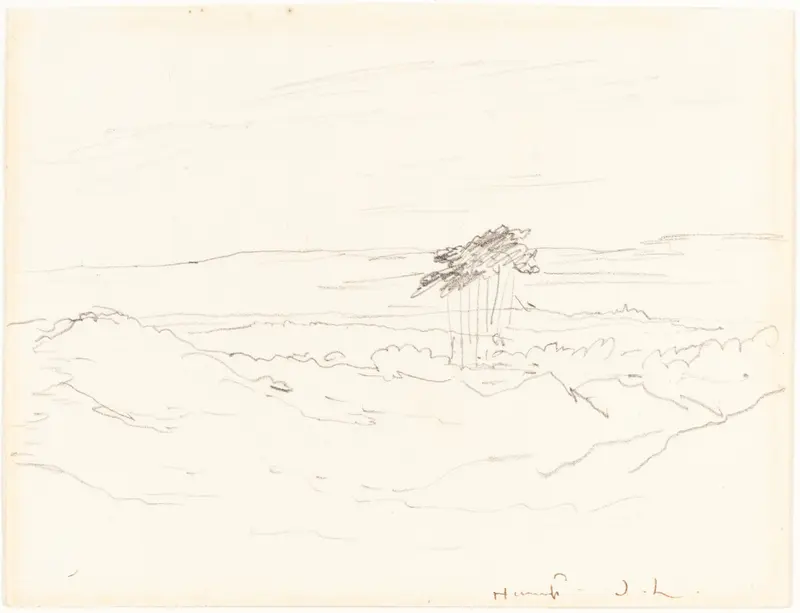
Hampstead Heath
John Linnell
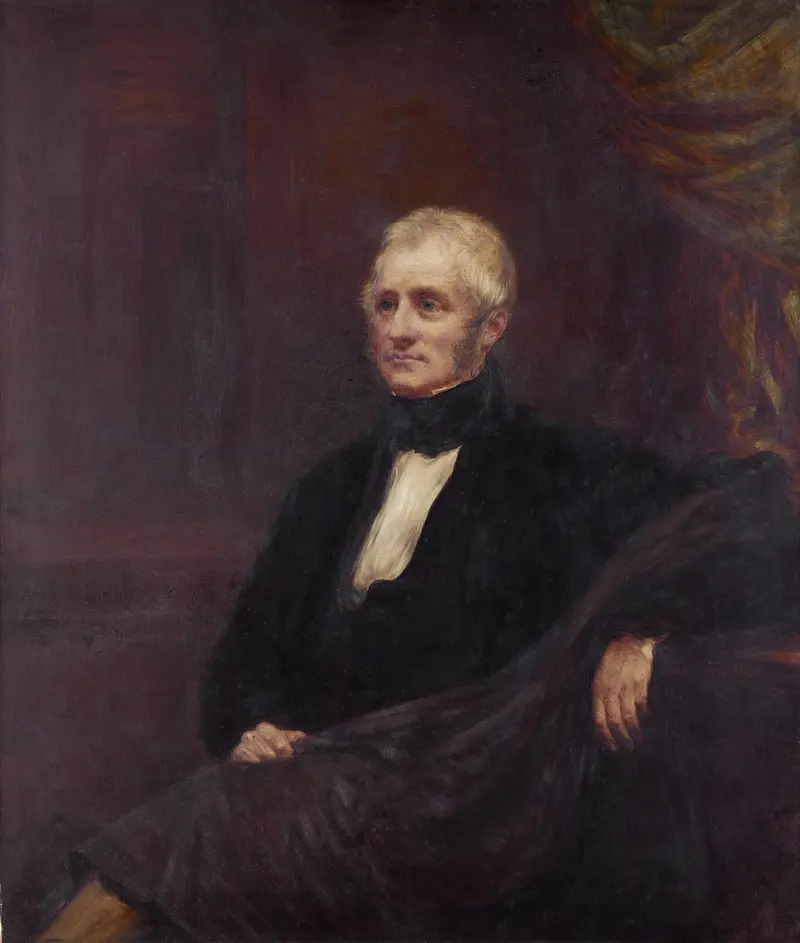
Henry Stephen Fox-Strangways, 3rd Earl Of Ilchester
John Linnell
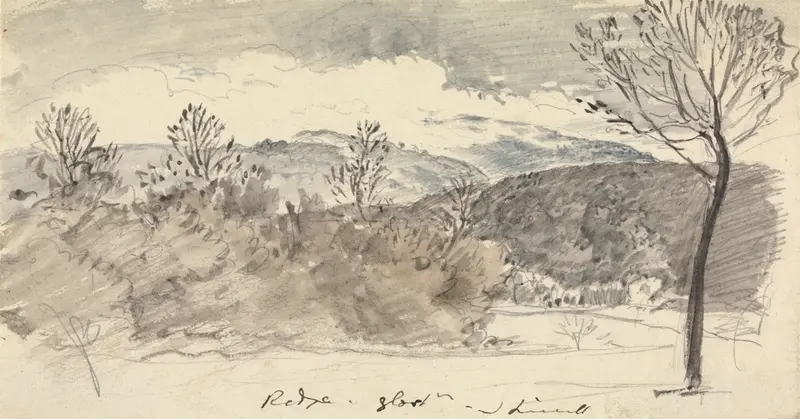
View at Mr. Sheppard’s, The Ridge, Gloucestershire
John Linnell
A Beech Wood
John Linnell
More Landscape Art

The Starry Night
Vincent van Gogh

View of Delft
Johannes Vermeer

Water Lilies
Claude Monet

The Grand Canal, Venice, looking north-west from the Ca' Corner to the Ca' Contarini degli Scrigni, with the campanile of Santa Maria della Carità
Canaletto

Windsor Castle
Canaletto

The Grand Canal looking North-East from the Palazzo Dolfin-Manin to the Rialto Bridge
Canaletto