
Folkestone — History & Facts
When Folkestone entered public collections, it was immediately recognized as a rare glimpse into the English seaside at a moment of rapid change. The town of Folkestone, once a quiet fishing village, was transformed in the early nineteenth century by the arrival of the railway and a boom in tourism. John Linnell, more often associated with rural landscapes and religious subjects, chose to capture this coastal town at a time when the boundaries between countryside and modernity were being redrawn.
The painting stands out in Linnell’s oeuvre for its focus on a bustling, transitional place rather than the pastoral calm that made his reputation. Linnell’s eye settles on the shoreline, where townsfolk, visitors, and fishermen mingle against the backdrop of chalk cliffs and a restless sea. In the foreground, figures gather around beached boats, their postures suggesting both labor and leisure—nets are being mended, while children play at the water’s edge. The light, crisp and clear, picks out the white sails in the harbor and the red-brick houses climbing the hill, signaling both the industry and the domesticity of the town.
Unlike the romanticized coastlines of J.M.W. Turner, Linnell’s Folkestone is attentive to the everyday: the tide-marked sand, the practical clothing, the sense of a real working community. The exact date and circumstances of Folkestone’s creation remain uncertain, as Linnell did not always date his works and rarely painted coastal scenes. It is likely that the painting was made during one of his excursions outside London, possibly in the 1820s or 1830s, when the artist was experimenting with new subjects and techniques.
Over the years, the painting has passed quietly through private hands before entering a public collection, where it now offers viewers a window onto a vanished England. Today, Folkestone is valued not only as a record of a changing town but as evidence of Linnell’s curiosity and range as an artist.
More Artworks by John Linnell

A View Near Hampstead
John Linnell
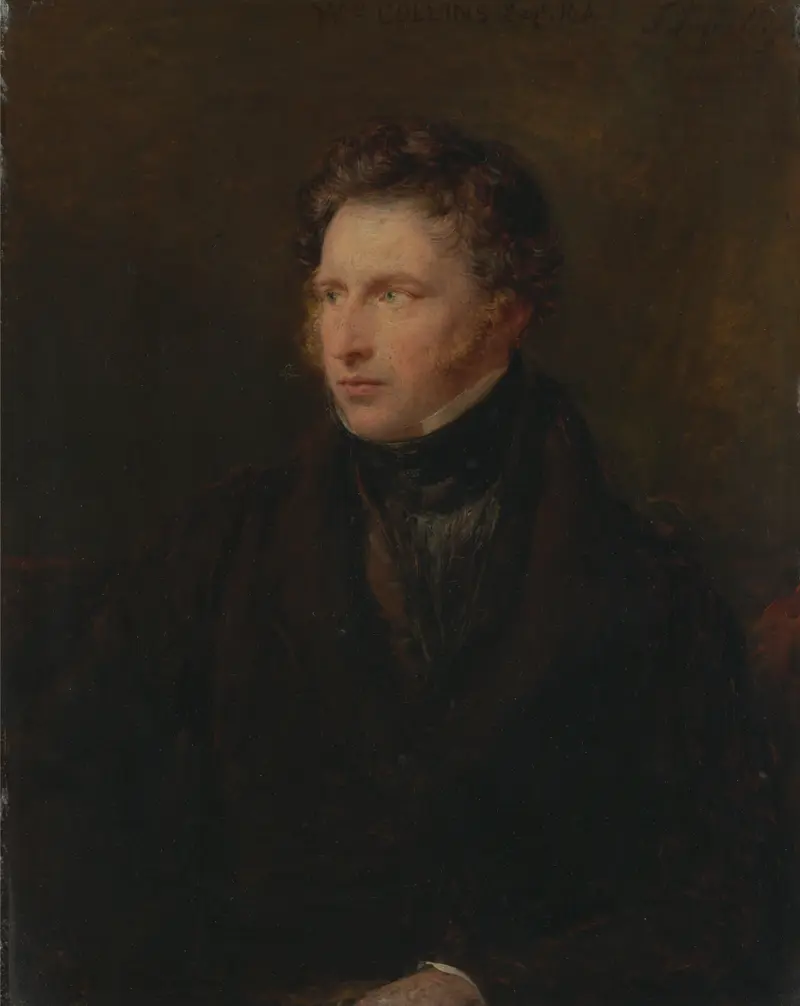
William Collins, R.A.
John Linnell
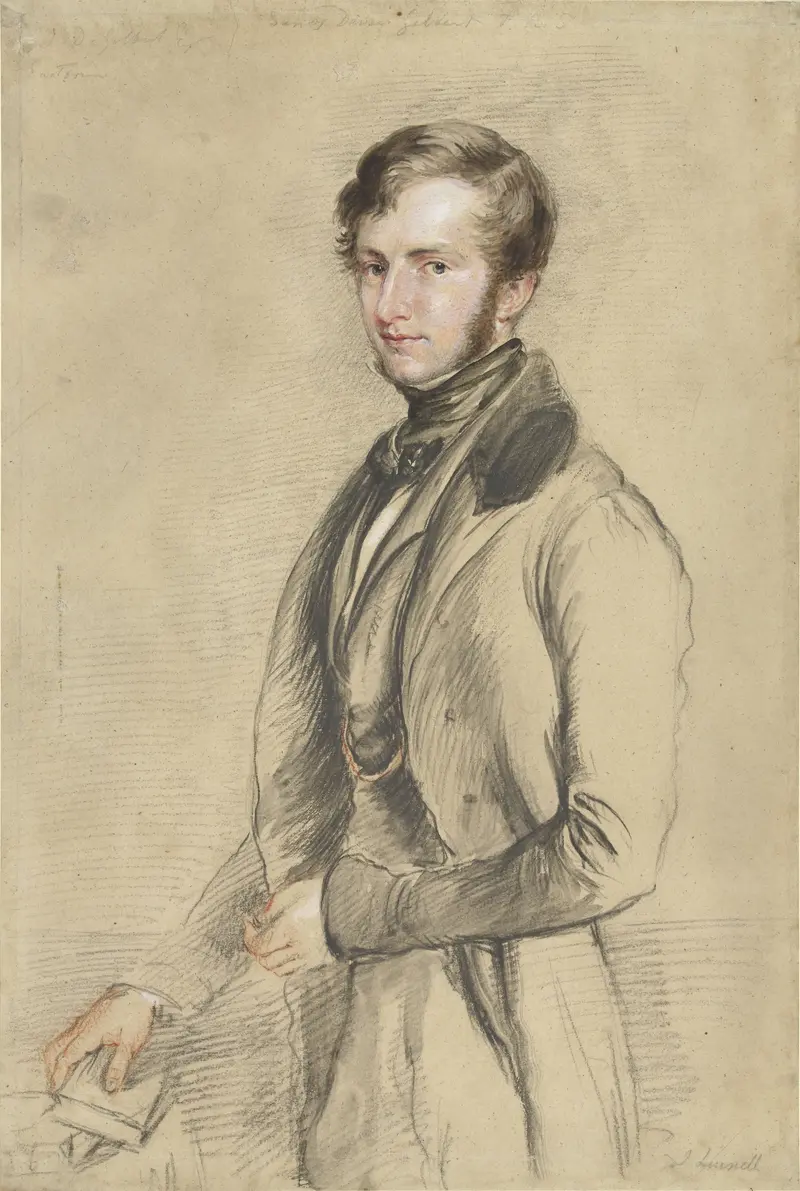
Portrait of John Davies Gilbert
John Linnell
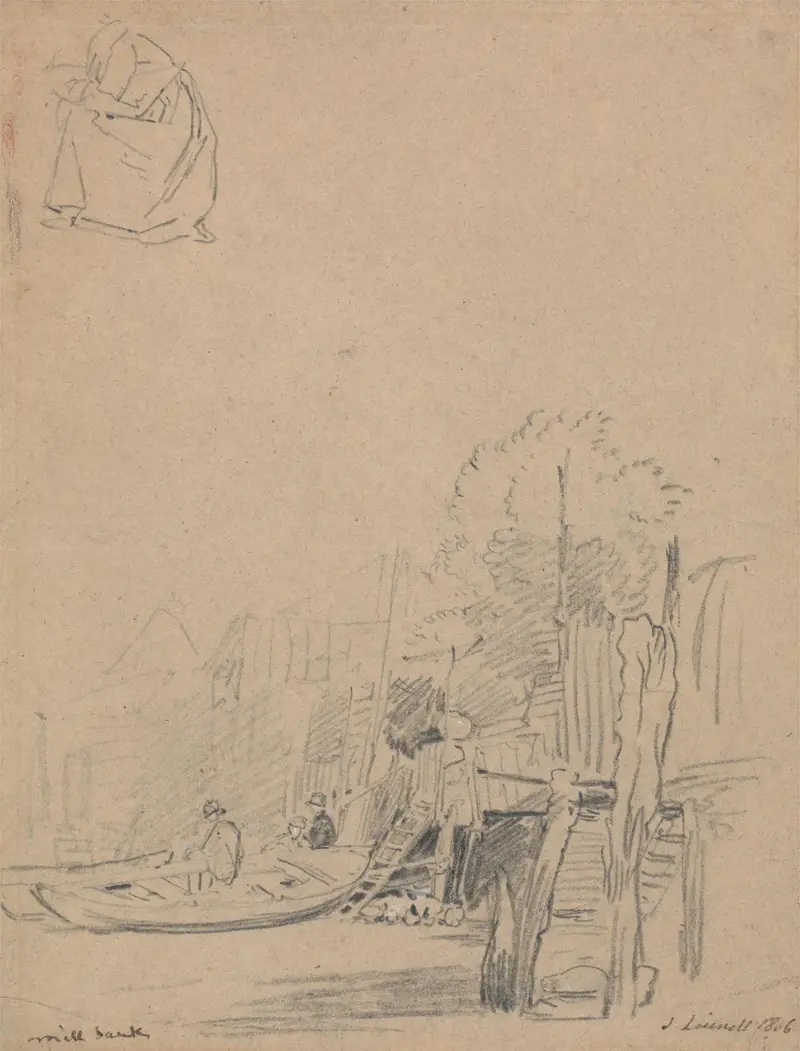
Millbank
John Linnell
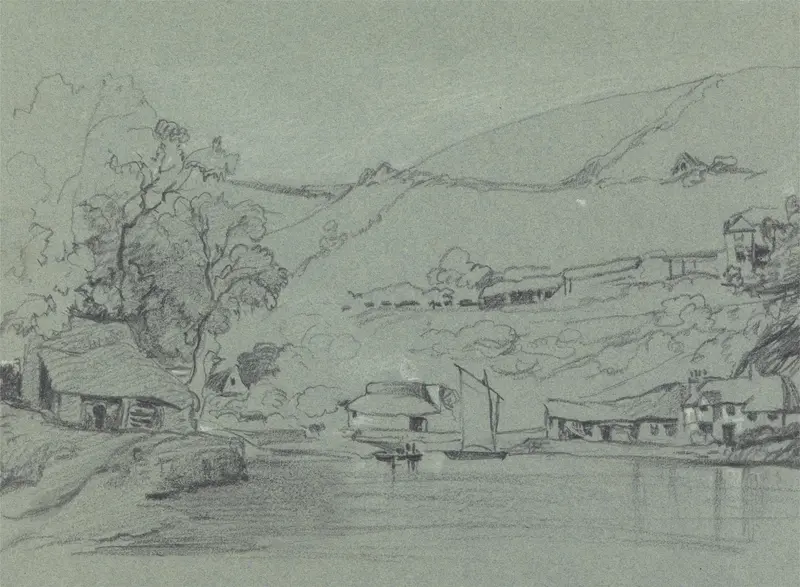
Scene in Kent
John Linnell
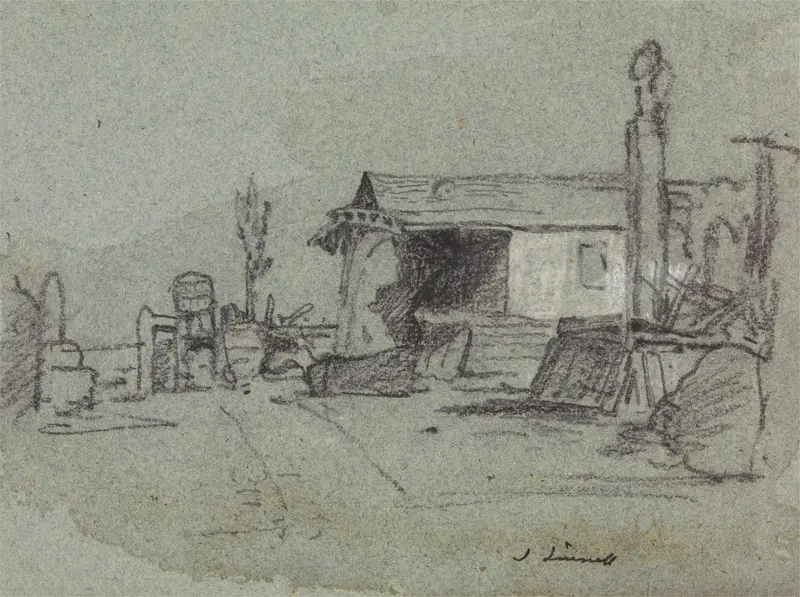
A Scene in the Edgware Road, London
John Linnell
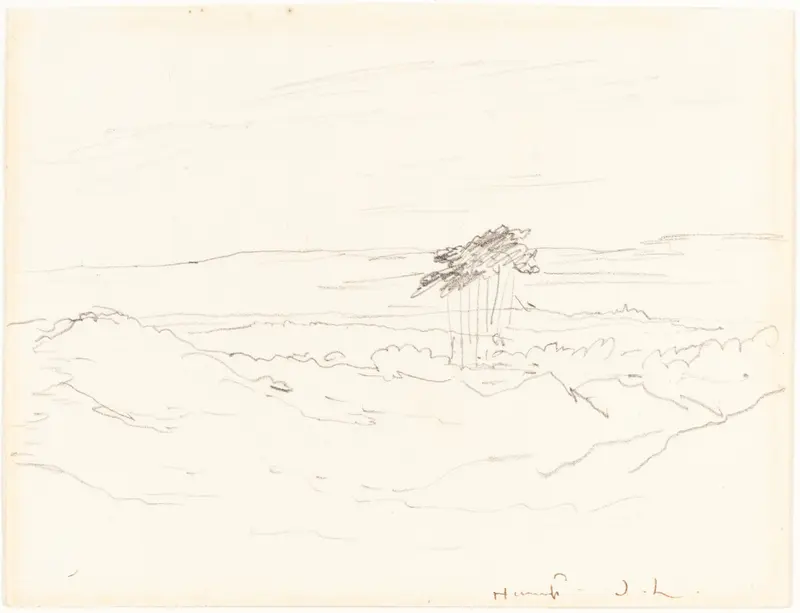
Hampstead Heath
John Linnell
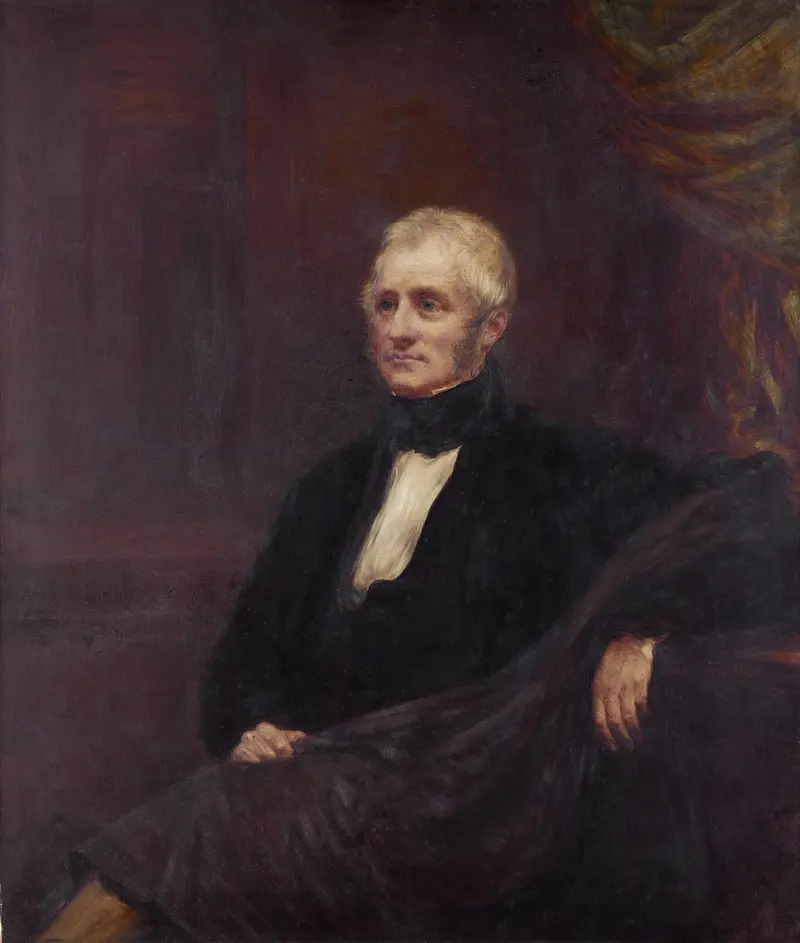
Henry Stephen Fox-Strangways, 3rd Earl Of Ilchester
John Linnell
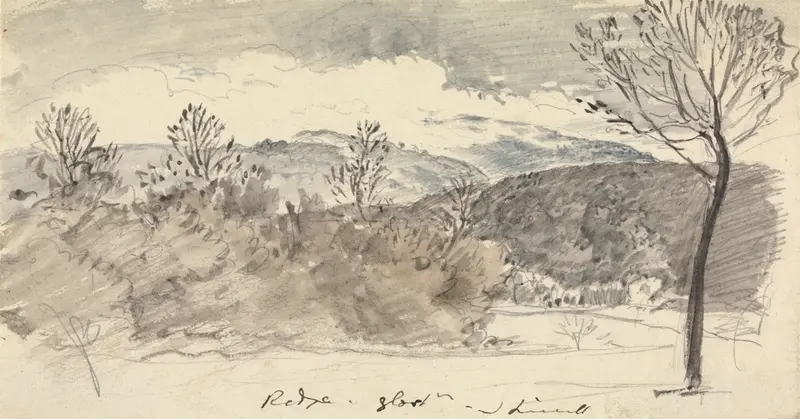
View at Mr. Sheppard’s, The Ridge, Gloucestershire
John Linnell
A Beech Wood
John Linnell





