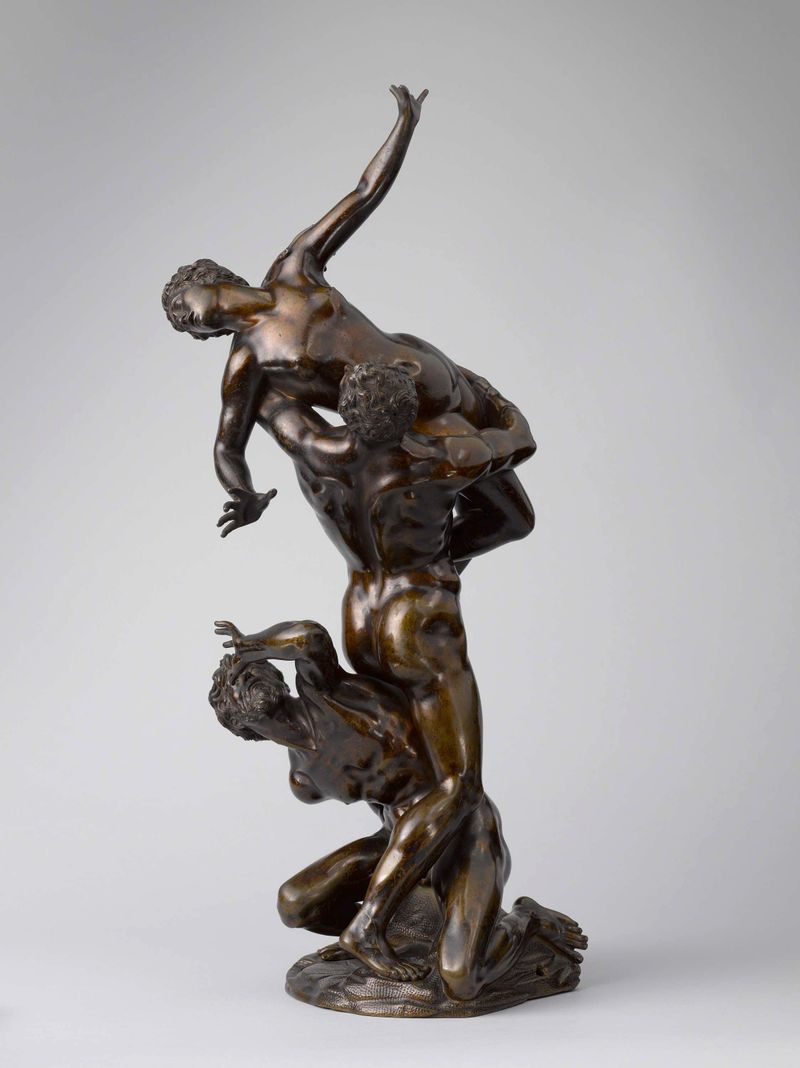
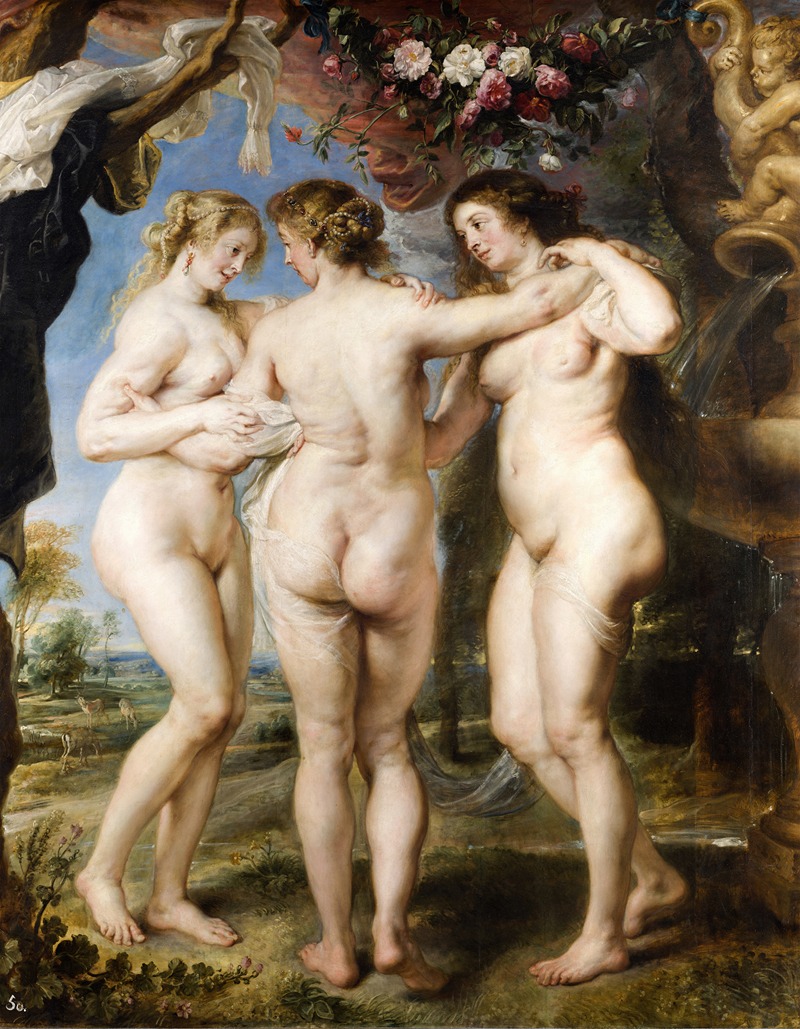
Study for "Acis and Galatea," Museum of Fine Arts, Boston — History & Facts
This truth resonates deeply when we contemplate the interplay of balance and beauty in life, captured within the delicate strokes of this work. Look to the left where soft, flowing lines suggest the movement of figures entwined in a moment of harmony. The gentle curves mimic the winding landscapes, while a muted color palette of greens and blues evokes serenity. Notice how Sargent's use of light highlights the figures, imbuing them with a lifelike presence, yet they seem suspended in time, as if balancing on the cusp of reality and myth. As you delve deeper, the subtle tension between the ethereal and the corporeal emerges.
The figures’ poses, while graceful, carry an undercurrent of longing, hinting at their struggle to find equilibrium amid external forces. The juxtaposition of the fluid water and the solid forms of the characters invites contemplation on love, nature, and the fragility of existence. In this moment, the harmony is both beautiful and bittersweet, reflecting the complexities of life and relationships. Created during a period of personal loss and reflection, the artist painted this study between 1916 and 1924.
Sargent was grappling with the aftermath of World War I and the evolving landscape of modern art. He sought not only to preserve the beauty of the human form but also to explore the deeper emotional currents that connect us all, capturing an essence that transcends time.
More Artworks by John Singer Sargent
Browse all →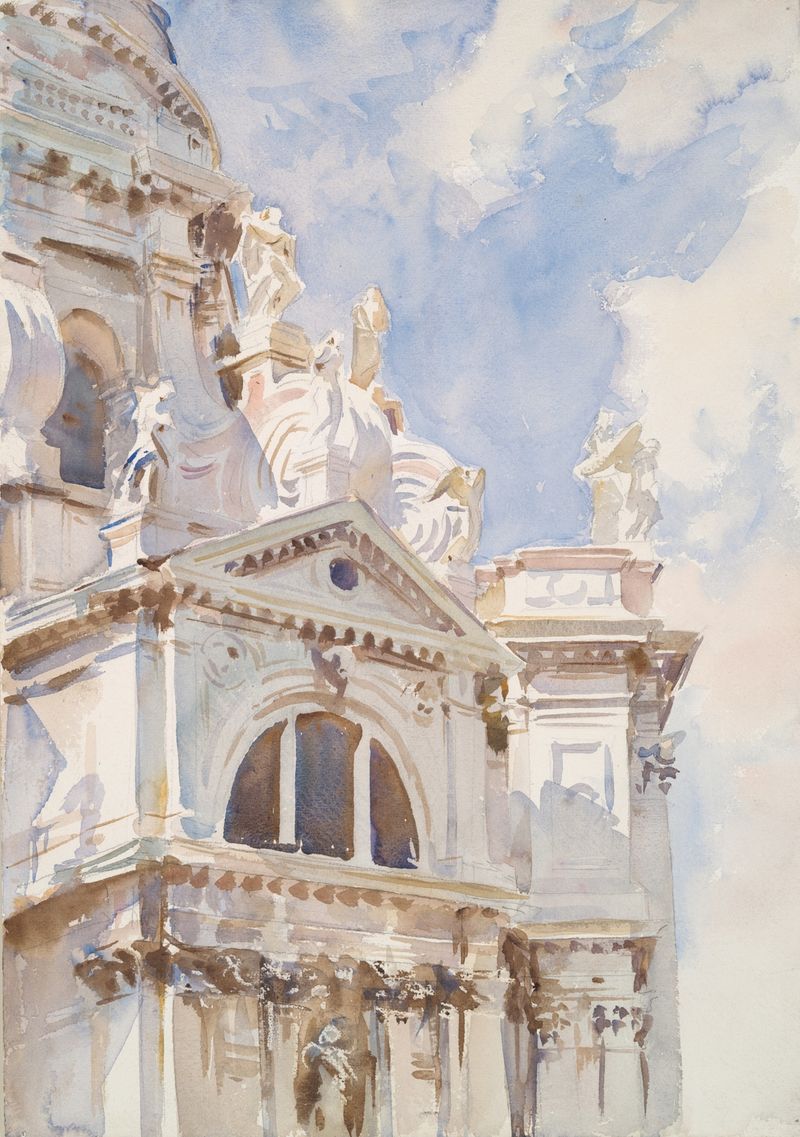
The Salute, Venice
John Singer Sargent

Mrs. Charles Deering (Marion Denison Whipple)
John Singer Sargent
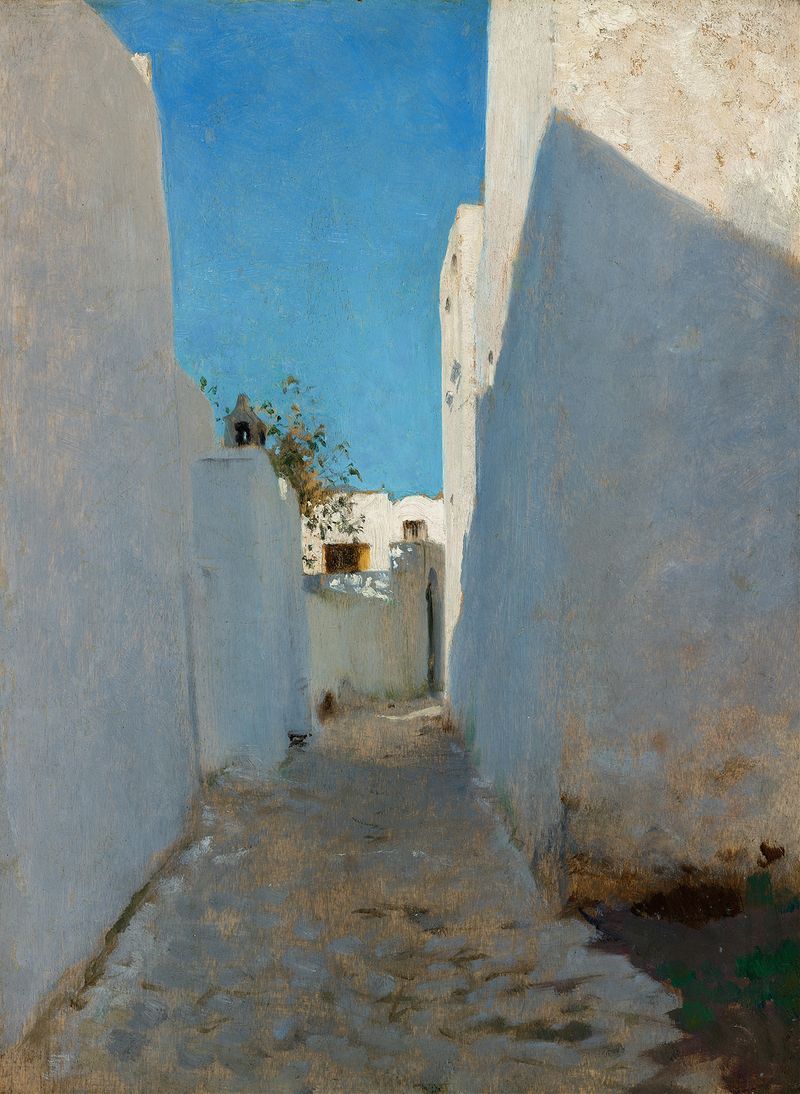
A Moroccan Street Scene
John Singer Sargent
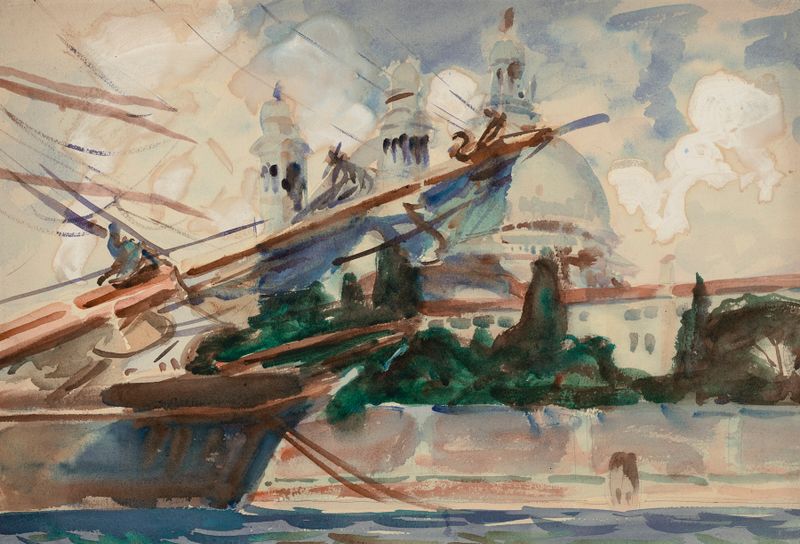
The Salute, Venice
John Singer Sargent
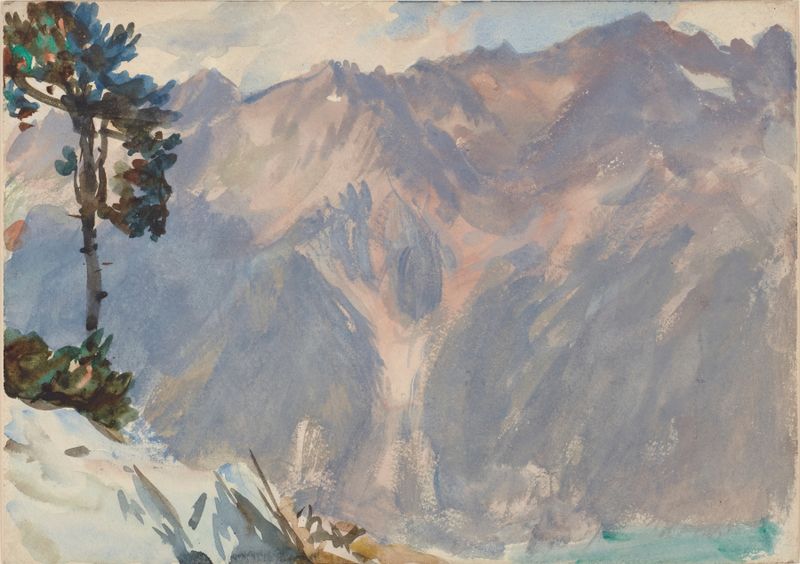
Tyrol
John Singer Sargent
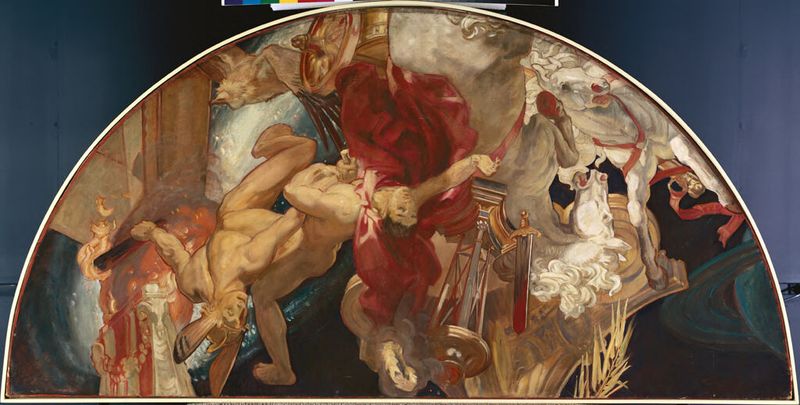
Study for "Gog and Magog," for the Boston Public Library
John Singer Sargent
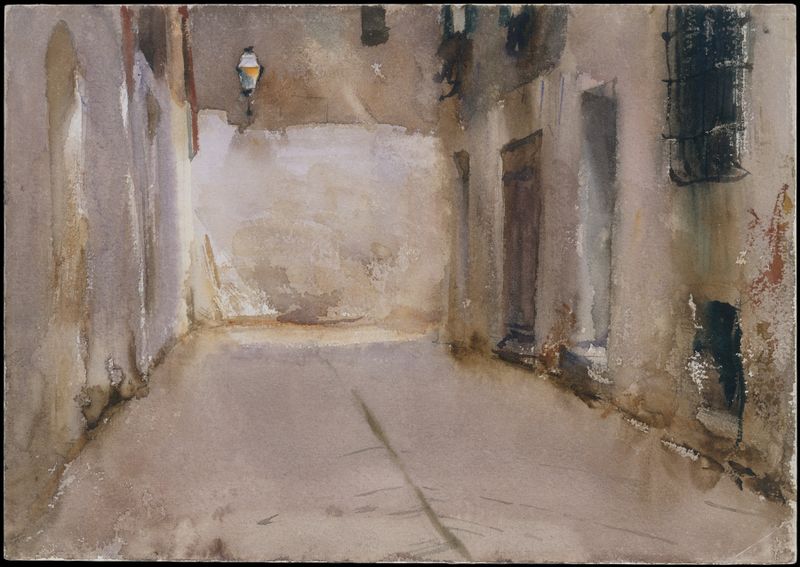
Venice
John Singer Sargent
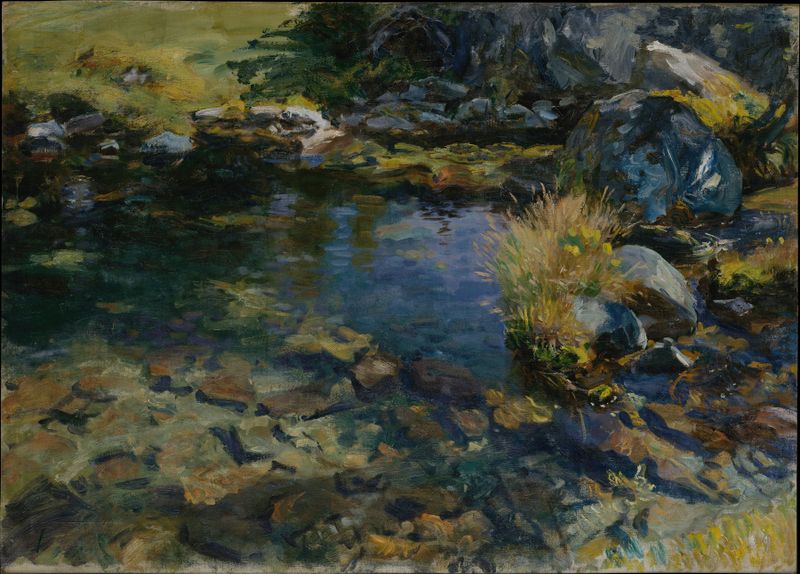
Alpine Pool
John Singer Sargent
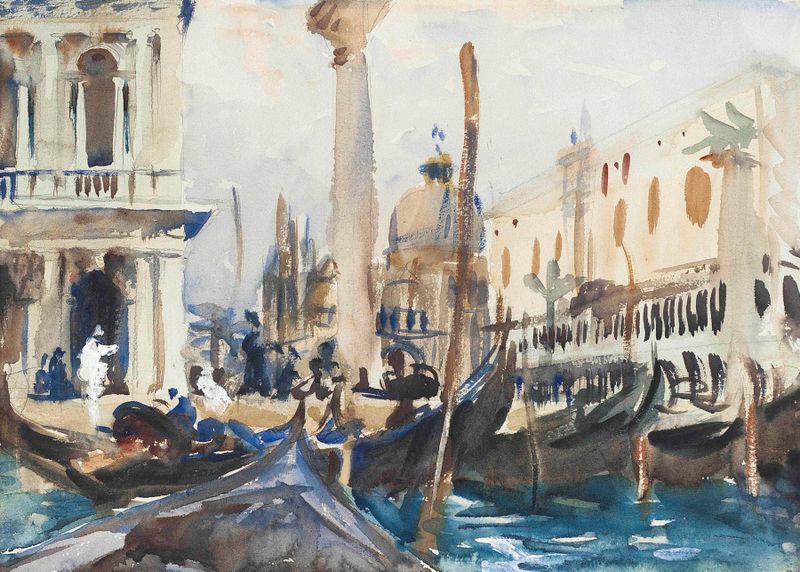
The Piazzetta with Gondolas
John Singer Sargent
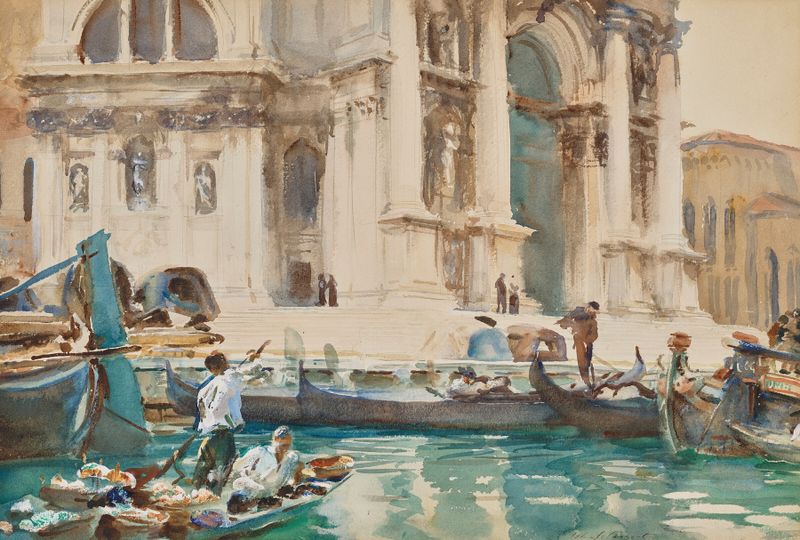
The Façade of La Salute, Venice
John Singer Sargent