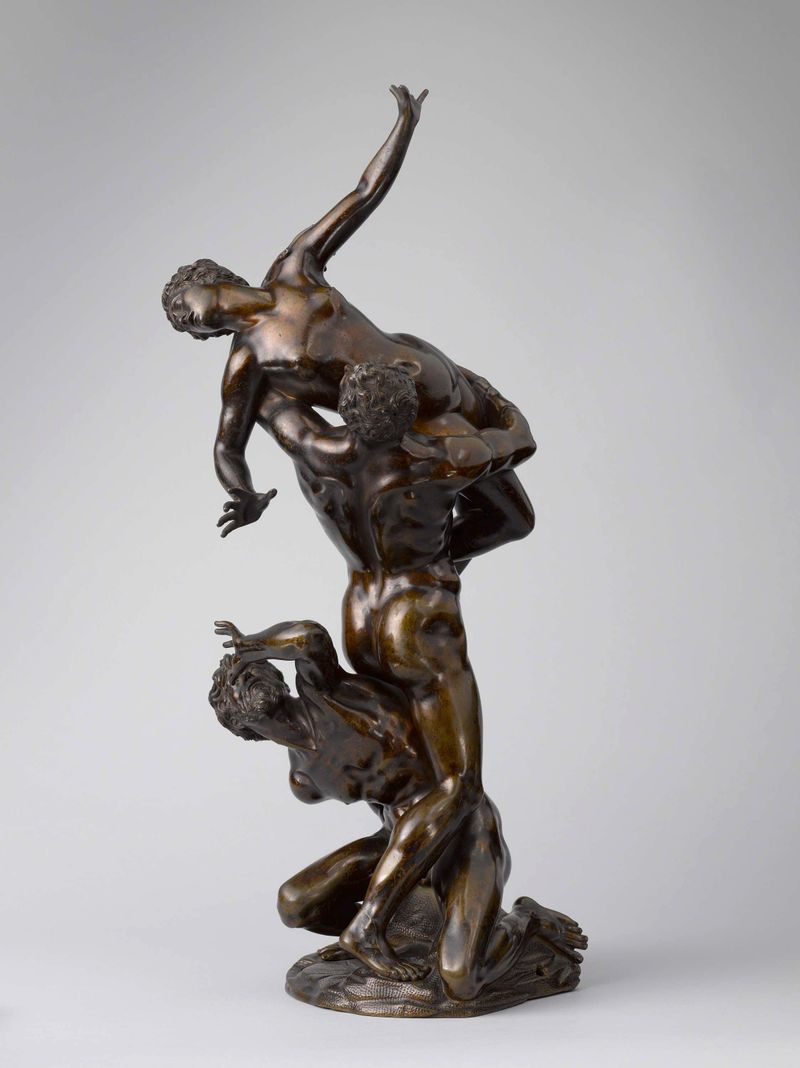
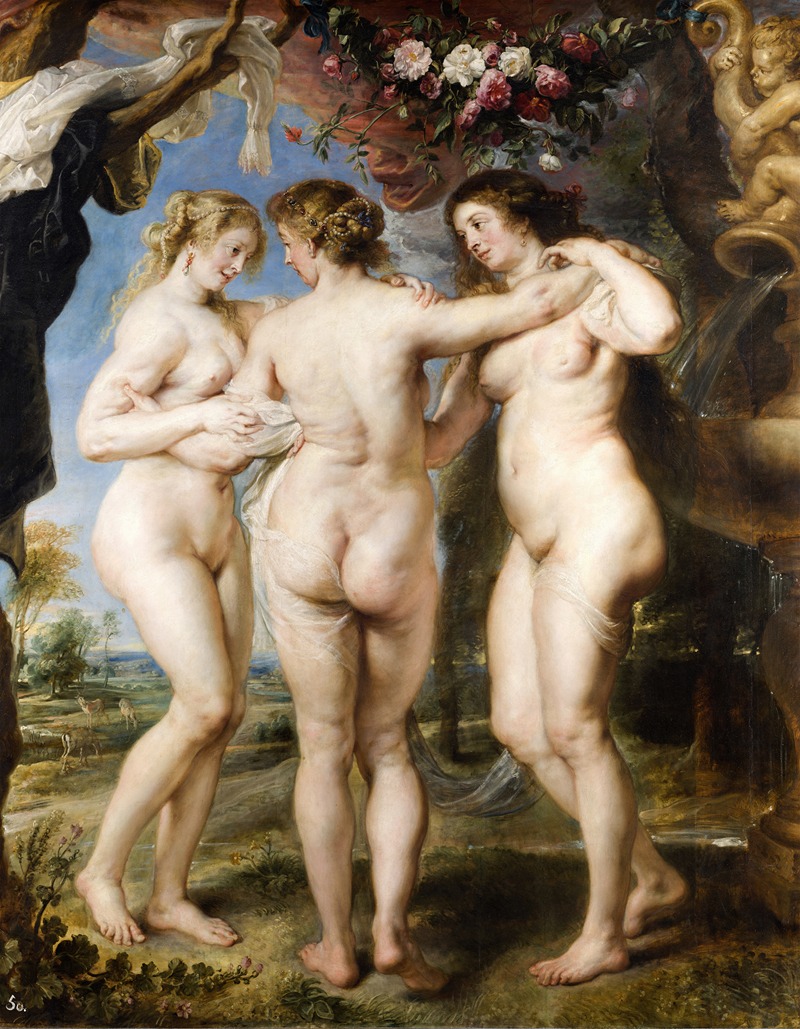
Study for "Judgment of Paris," Museum of Fine Arts, Boston — History & Facts
In the swirling chaos of life, the artist’s brush becomes an anchor, revealing the deep currents of emotion and thought that often lie beneath quiet exteriors. The visceral tensions of existence, wrapped in color and form, compel us to confront the violence we often ignore within ourselves and the world around us. First, look to the left, where figures emerge from the shadows, their faces imbued with a striking mix of anticipation and dread. The warm palette of ochres and reds contrasts with cooler tones, drawing the eye across the composition.
Notice how Sargent's deft brushwork captures subtle expressions and nuanced gestures, as if each character teeters on the brink of decision. The arrangement of the figures creates a dynamic triangular composition, guiding your gaze towards the focal point at the center where the climax of the scene unfolds. Hidden beneath the surface of the vivid colors and forms lies a profound commentary on choice and consequence, underscored by a palpable sense of impending violence. The figures, poised in their confrontation, represent ideals clashing—beauty versus truth, desire versus morality.
Each character's expression tells a story, revealing complex motivations and desires that resonate with the viewer's own experiences of conflict and decision-making. Created between 1916 and 1922, Sargent painted this work during a period of personal and global turmoil. Living in Europe amidst the aftermath of World War I, he navigated a shifting art world that was grappling with new forms and ideas, moving away from traditional academic styles. In this study, his exploration of mythological themes reflects a search for meaning and a connection to timeless human struggles, revealing the depth of his artistic inquiry during a time of uncertainty.
More Artworks by John Singer Sargent
Browse all →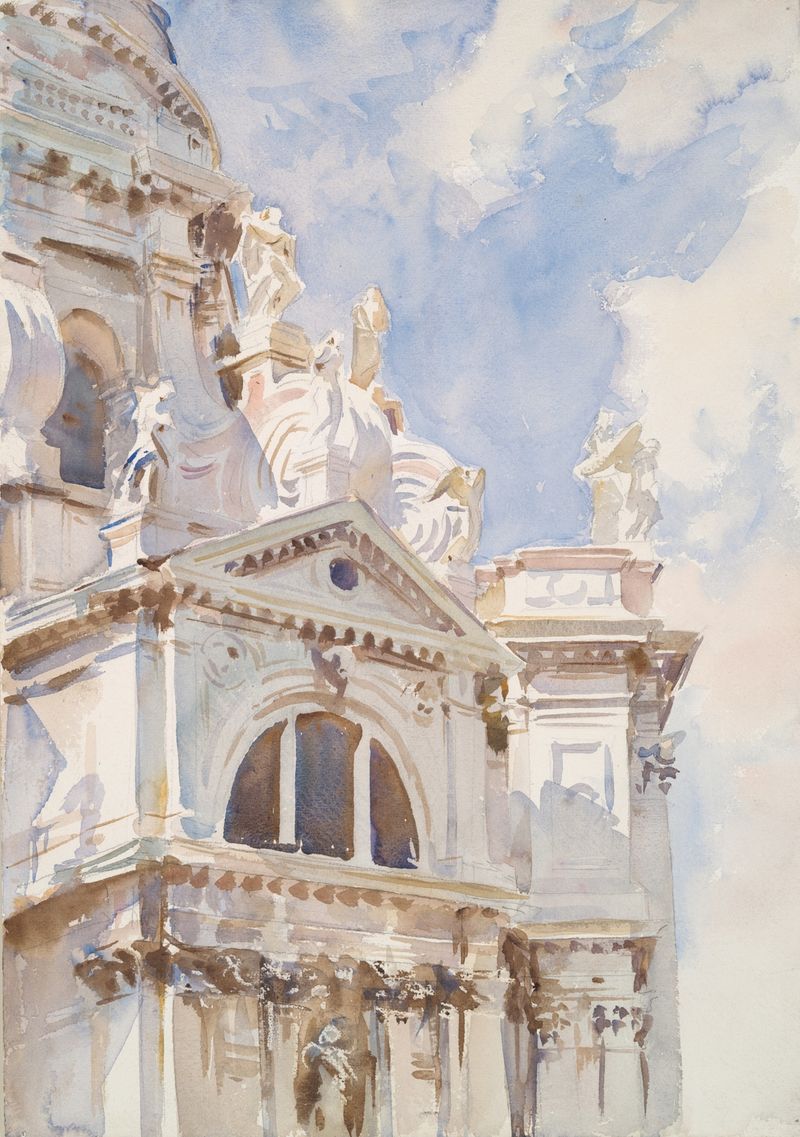
The Salute, Venice
John Singer Sargent

Mrs. Charles Deering (Marion Denison Whipple)
John Singer Sargent
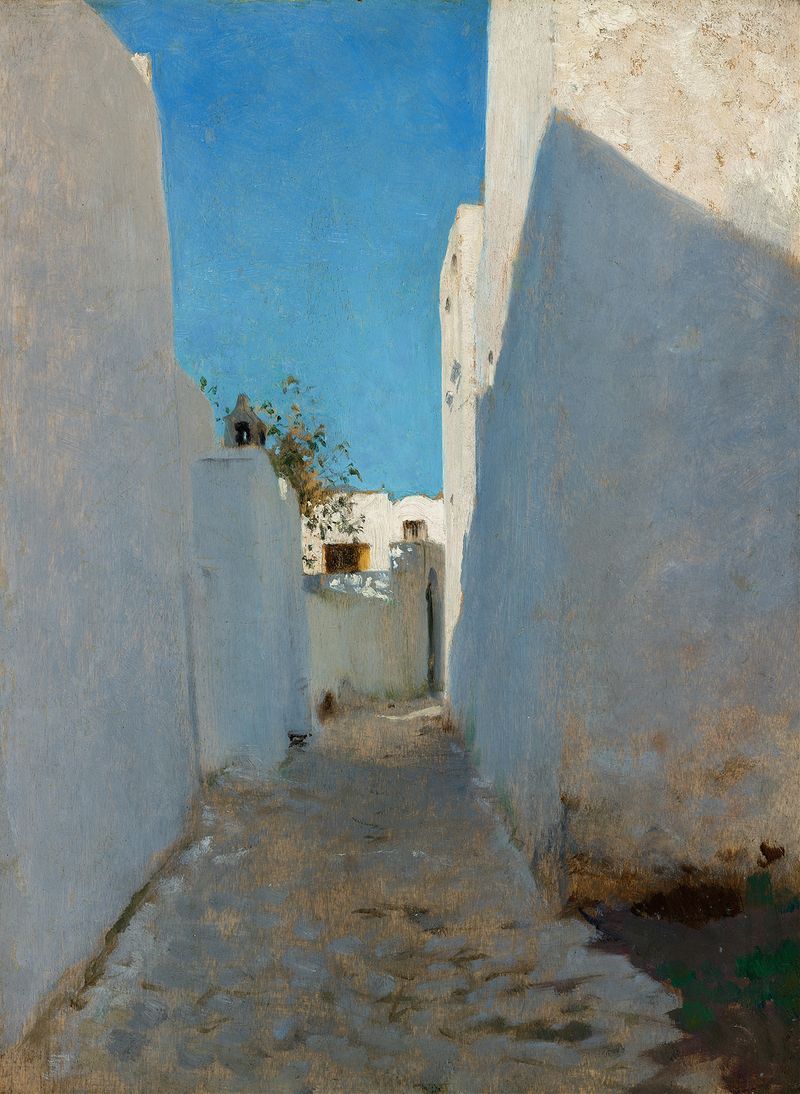
A Moroccan Street Scene
John Singer Sargent
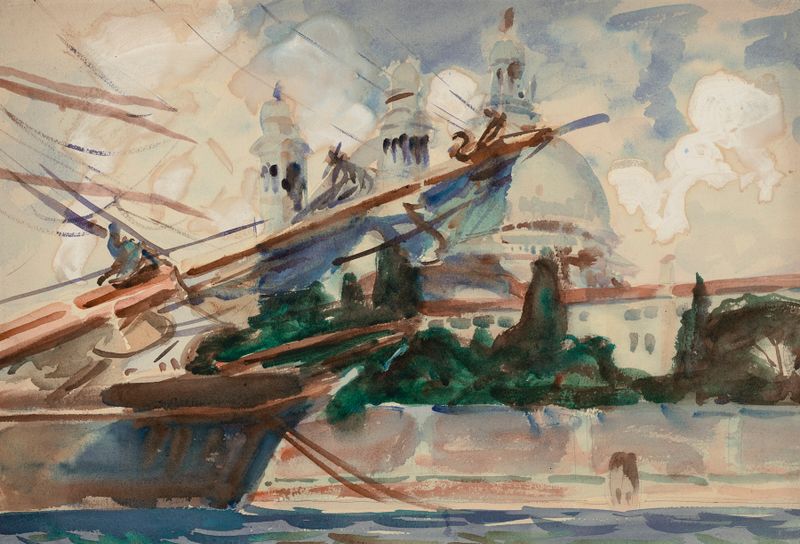
The Salute, Venice
John Singer Sargent
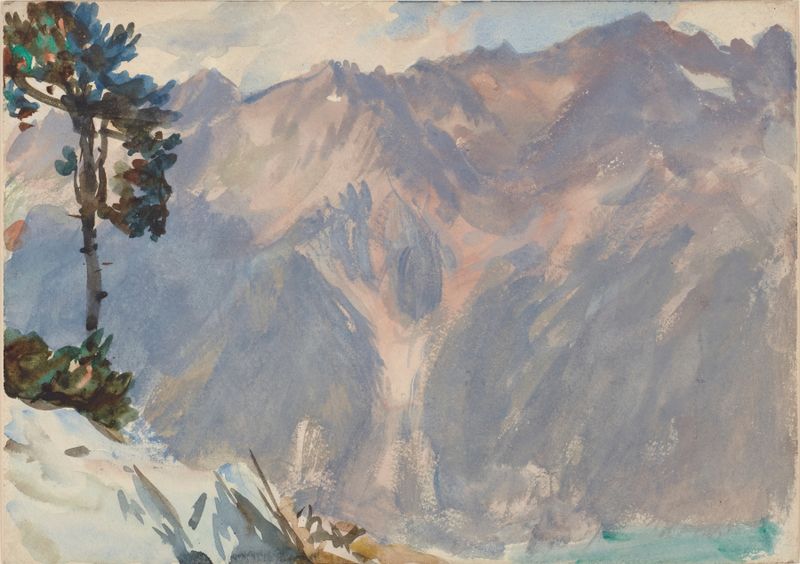
Tyrol
John Singer Sargent
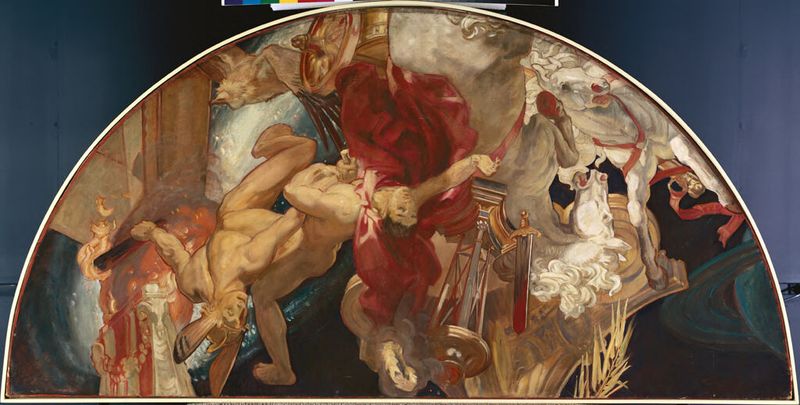
Study for "Gog and Magog," for the Boston Public Library
John Singer Sargent
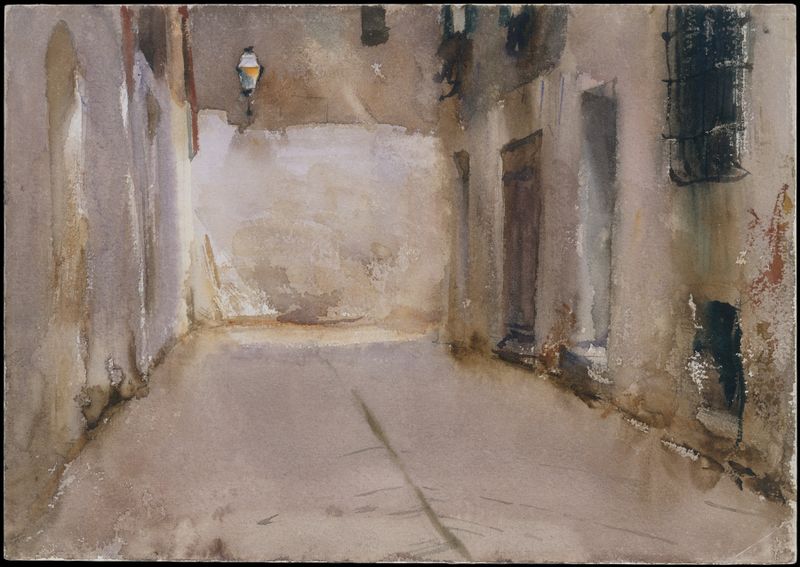
Venice
John Singer Sargent
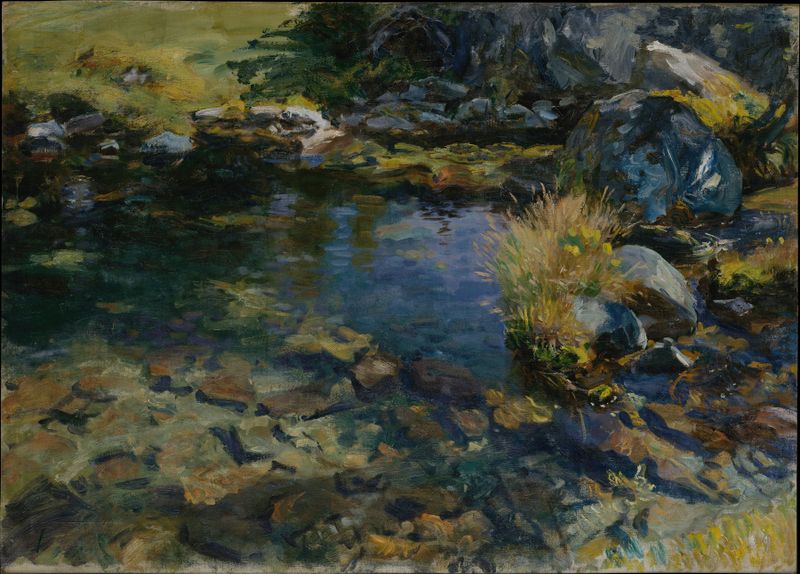
Alpine Pool
John Singer Sargent
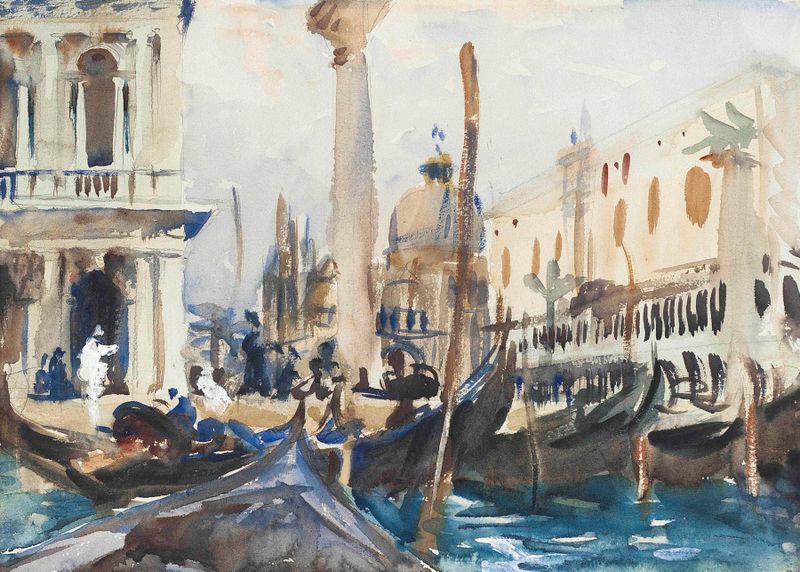
The Piazzetta with Gondolas
John Singer Sargent
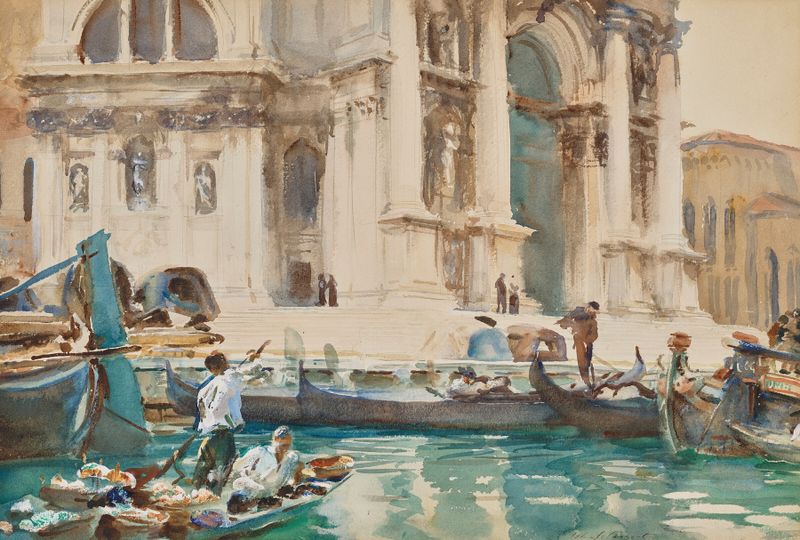
The Façade of La Salute, Venice
John Singer Sargent