Study for "The Combat" — History & Facts
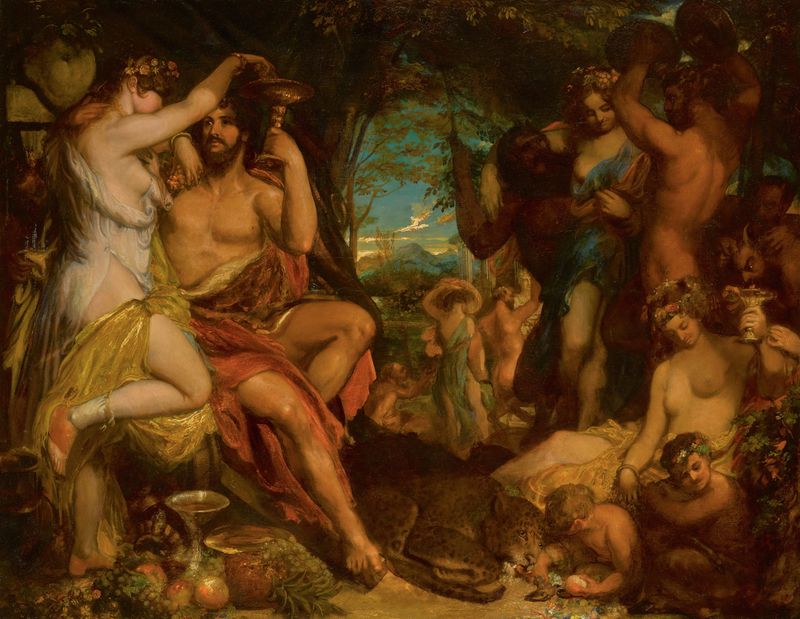
In the world of art, this sentiment rings achingly true, revealing the complex intersection of beauty and loneliness. Look closely at the figures in the foreground, poised in tension; their bodies intertwine in a struggle that speaks volumes beyond the surface. Notice how Etty employs soft, earthy tones, contrasting with the delicate play of light that outlines their forms, creating a palpable sense of movement and emotional weight. The swirling background immerses the figures in an ethereal haze, drawing your gaze deeper into their conflict while hinting at the chaos of their inner lives. Amidst the clash, the subtle expressions tell a story of isolation.
The furrowed brows and clenched jaws suggest not just a physical battle, but an emotional one where each figure grapples with their own solitude even in the presence of another. There is a striking juxtaposition between the raw power of the combat and the profound loneliness that echoes from their expressions, reminding us that even in moments of shared struggle, isolation can prevail. Created between 1821 to 1825, this work emerged during a period when William Etty was firmly establishing himself within the British art scene, combining classical themes with a distinctly romantic touch. As he navigated his own artistic journey, the burgeoning Romantic movement was pushing the boundaries of emotional expression in art, allowing him to explore deeper themes of humanity, even amidst the grandeur of conflict.